



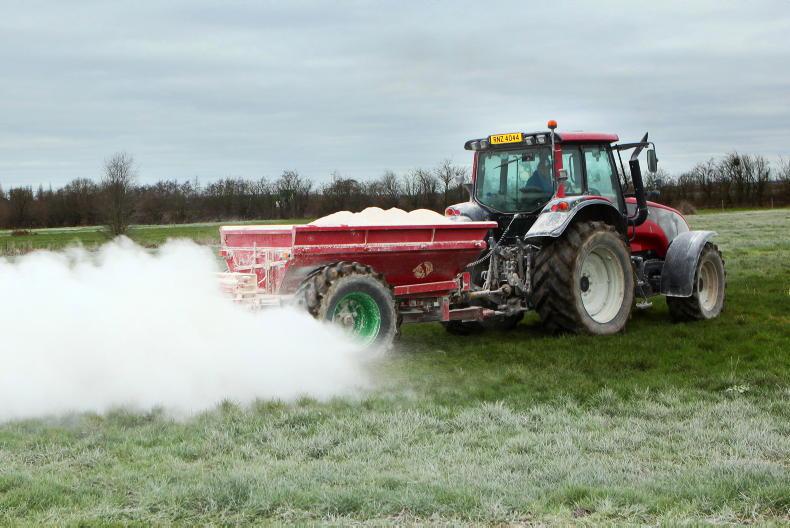
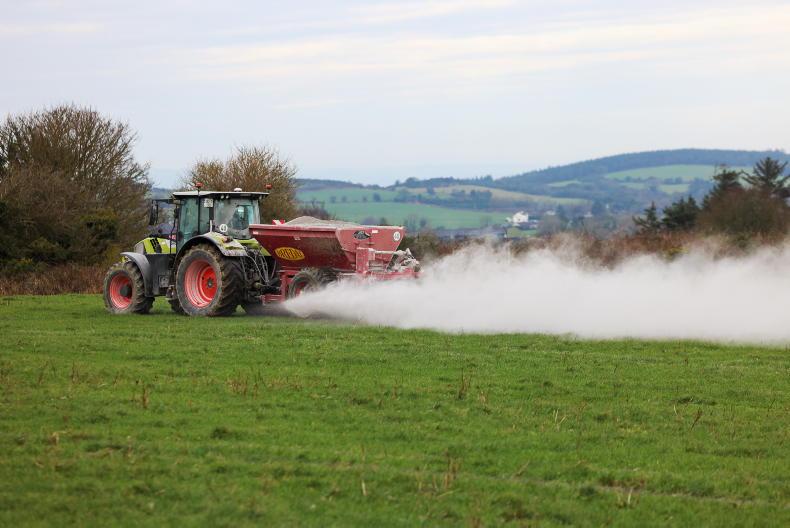
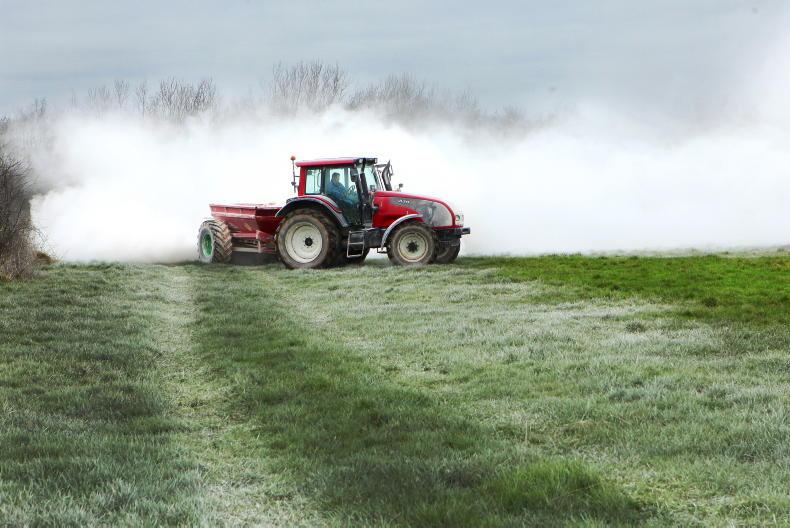
Lime: it may now be an ideal time to apply lime on some farms that didn’t get an application earlier in the year. Many farmers are hesitant at spreading lime on grass covers as they are fearful of silage contamination or refusals from grazing animals.
With paddocks now being closed up and still trafficable, now is an ideal time.
Lime can release up to 70kg of soil nitrogen (N)/ha/year and an increased pH will can lead to an extra 10-15% grass growth. For every €1 spent on lime on a drystock farm, a return of €5 can be seen. Lime application should follow on from a nutrient management plan. For paddocks identified as having a requirement above 6t/ha, applications should be split, eg 3t/ha now and a further 3t/ha next autumn.
Lime can be applied seven to 10 days after slurry, so fields that were spread before the closed period should be fine.
Closing paddocks: even if you don’t have an autumn rotation plan done, take note of a few things on your farm and try to plan the final grazing around that. The three things to note should be wet or poorly accessible paddocks, dry paddocks with good access and clover paddocks. Dry paddocks are the most important to get right. Wet paddocks should be grazed now in the early part of the last rotation. They may be difficult to graze later in October/November, but more importantly they will likely be grazed later in the first rotation in spring.
We don’t mind these paddocks carrying a heavy cover as when they are grazed most cows will be calved and their appetites increasing and weather conditions will be improving. Dry paddocks are the paddocks that we want with a cover of 700-800kg DM/ha in February. The are the driest with the best access for that early grazing.
At that cover, it will be easy for freshly calved cows to graze out – especially if we are on-off grazing. For clover paddocks, bar high N chemical fertiliser and non-clover safe spray, the best way to kill clover is to allow grass to smoother it out. If we want to try and get clover to thrive and tiller, we need to have these paddocks going in to the winter with a low cover on them to allow sunlight to the base.
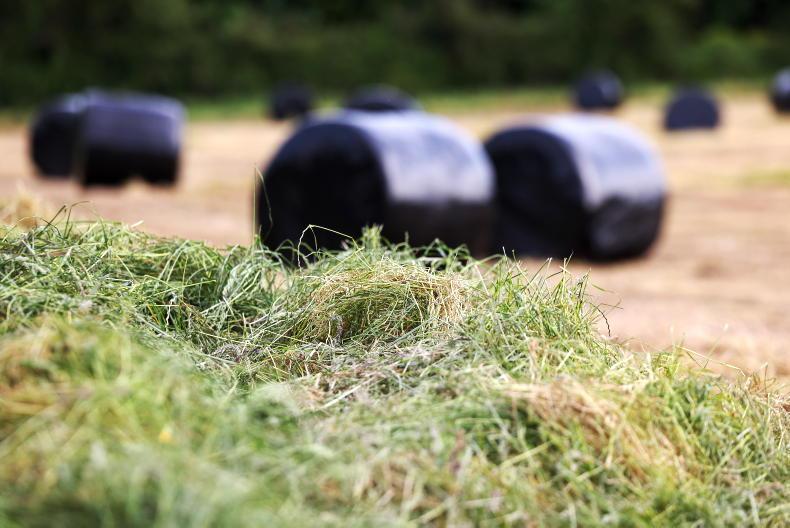
Silage testing: teagasc figures show that it takes 17kg DM of 75DMD silage to put on 1kg of carcass as opposed to 46kg DM of 60 DMD to put on 1kg of carcass weight. The only instance where poor-quality silage will get away in a finishing diet is where ad -lib feeding occurs and the silage is simply roughage.
Test your silage and formulate a plan to maximise growth in weanlings and finished cattle. Silage should be in the 70s regarding DMD. Even with this, some level of meal feeding will be required – but to a much lesser extent than silage in the 60s. Target weight gain for finished animals will vary with stock type, but both suckler and dairy beef weanlings should be targeting 0.6kg of a daily live weight gain over winter.


SHARING OPTIONS