



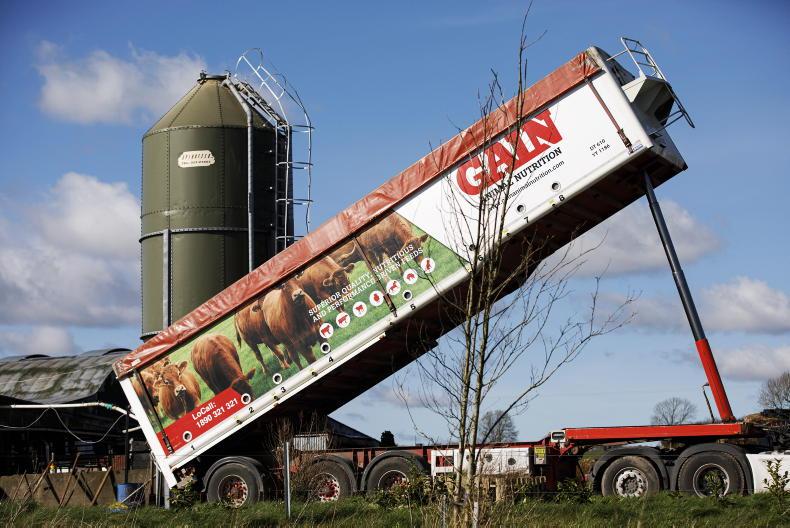
Dry matter grass: I got sent a flyer the other day that Tirlán published around the impact of low dry matter grass on cow performance. The flyer said that when cows graze grass at 14% dry matter, intake will drop by 1.2kg DM and cows should be fed 4.5kg of meal to compensate.
Questioning its content, I asked Teagasc researcher Michael O’Donovan if it could be true, and this is what he said: “Low dry matter (DM) content of fresh grass is often suggested as a factor as restricting voluntary intake of dairy cows. Dairy cows’ grass intake is more influenced by daily grass allowance, pre-grazing yield and sward quality than by grass DM content. In other words, dry matter is one of the lesser considerations.
“There needs to be some clear distinctions outlined when discussing grass DM content – grazing intake is not steady state – it can vary daily and this is whether a cow is indoors on TMR or outdoors grazing. There is a distinction between internal water (part of the plant’s cellular structure) and external water (on the plant’s surface).
“For external water on the surface, studies show that it doesn’t physically restrict intake for cows. For internal water (within the plant structure), a reduction in the grass’s internal dry matter means the extra water cannot be swallowed immediately and must be chewed, which probably limits eating rate. Internal water is only a major factor limiting a cow’s intake if low grass internal dry matter content persists over a period (ie higher grass growth and wet conditions such as experienced in May 2009).
“Impacts of low grass DM is generally of the magnitude of 0.134kg DM intake per unit increase in DM content. However, this effect is not linear and is more pronounced at low grass DM. It also needs to be stated that cows’ fresh matter intake is negatively correlated with grass dry matter content. Fresh grass intake declines as grass DM content increases. One final and important point; grass DM typically increases throughout the day, by three to four units as does grass sugar content. So even low grass DM of 13% to 14% will rise throughout the day to 17% to 20% DM content.”
To summarise, the research is clear that low dry matter grass is not a cause for concern and so the advice given by Tirlán appears flawed. Farmers want to ensure that their cows are well fed, and they should be confident that grass will do that, even at this time of year. The continuous push for more milk solids by some of the co-ops is odd, given that they’re also reducing milk price. One wonders if it is really more meal sales that they want.
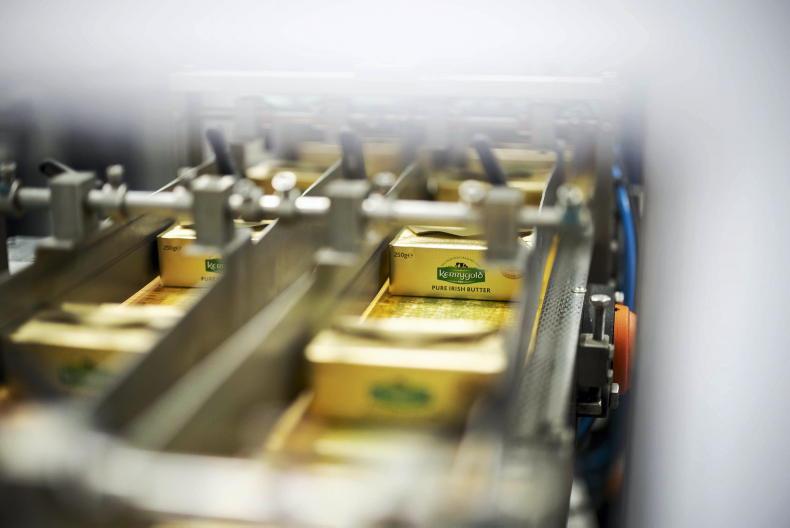
Changes to weather, climate and the economy are already driving dairy farmers into higher cost production models, whether they want to go there or not. As an industry we need to be very clear that feeding more supplement will impact the taste and texture of butter, which is one of the few premium products that we have. New Zealand butter is competing against Irish butter in the US market, where “grass-fed” claims are under intense scrutiny.
Not only will feeding more meal reduce farm profit, but it could also reduce the value of our key exports. More care is needed around feed advice.



SHARING OPTIONS