



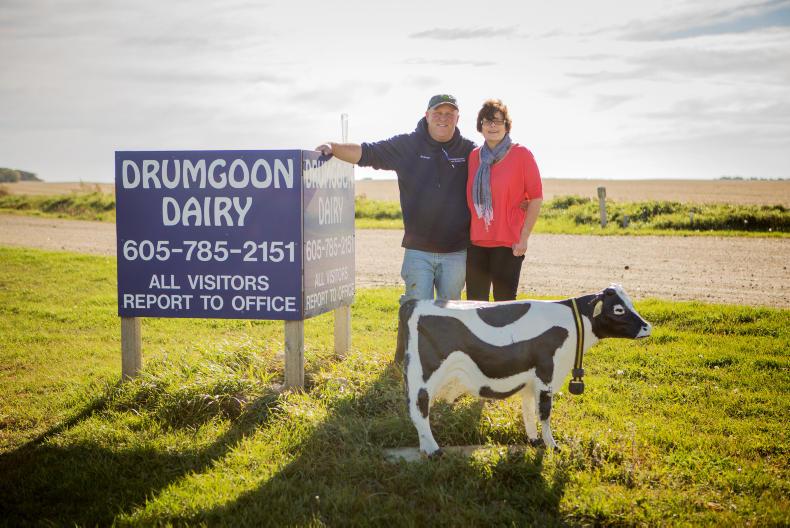

Ten years ago, the eyes of the farming community in Britain and Ireland were glued to Rodney and Dorothy Elliott. The pair featured on the BBC television programme Wanted: Farmers, which profiled the Elliotts’ transition from dairy farming in Drumgoon, Co Fermanagh, to buying a farm and establishing a super dairy in South Dakota in the US.
While Rodney and Dorothy used to milk 140 cows in Northern Ireland, they now have 4,500 at Drumgoon Dairies, their new American home near Watertown.
He said he wouldn’t give us $1m, but he would give us $3m
When they moved to the US, they bought 160 acres of tillage land and approached banks to borrow $1m and convert it to a 850-cow dairy farm. “One banker came back with a straight no,” said Rodney. “He said he wouldn’t give us $1m, but he would give us $3m.”
The banker’s rationale was that you needed sufficient scale for a large dairy to work. Rodney took his advice on board, borrowed the money from him and built the facilities for 1,400 cows in the first year in 2006.
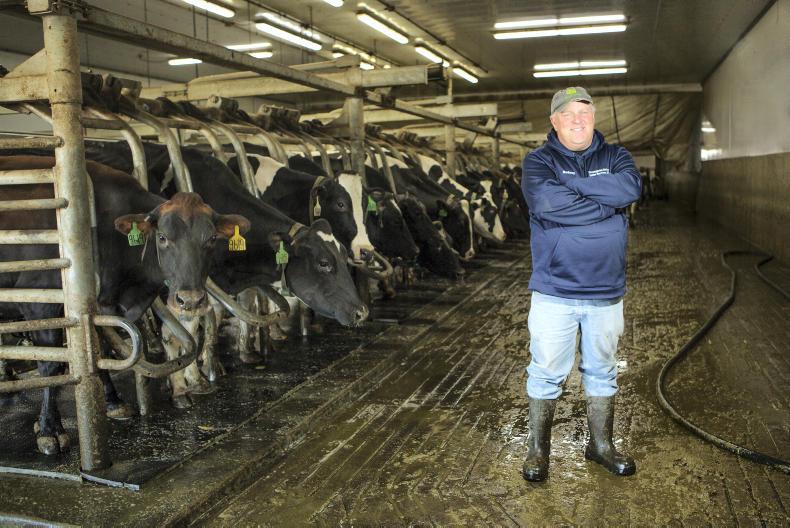
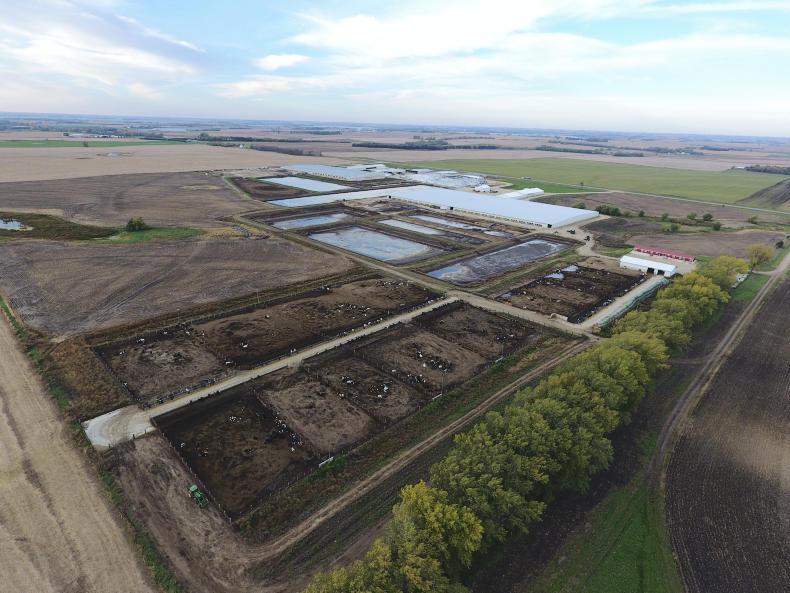
In 2013, the sod was turned on a new dairy right next to the existing one. This facility can house 2,600 cows and has a 30-unit double-up milking parlour. The original dairy can house 1,900 cows and has a 24-unit double-up parlour.

The farmyard is massive and now covers most of the original 160 acres, between sheds, feed bunkers and slurry lagoons.
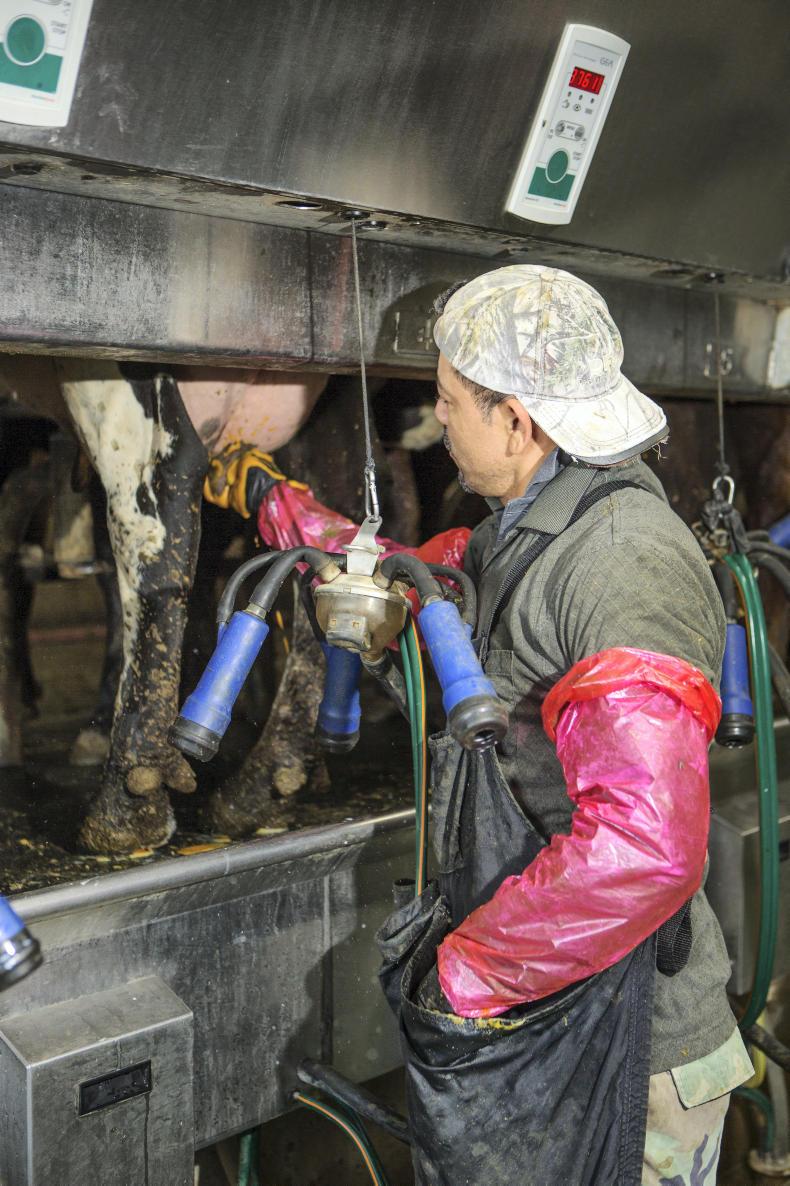
Cows are milked three times daily, which is 12,000 milkings per day. Both parlours are going 24 hours a day, with milk going through for 22.5 hours. When milk isn’t flowing, the machines are washing.
48 mostly Hispanic staff
 There are 16 people involved in milking. They operate in two 12-hour shifts and get a 60-minute break for lunch, while the machines are washing in the middle of their shifts. Like milking, feeding is a big logistical effort, with four people working in the feed yard. Two diet feeders are going all day, every day. Overall, the farm employs 48 people, including Rodney and Dorothy’s son David.
Most of the staff working on the farm are Hispanic. Despite having only very basic Spanish, Rodney knew everyone by name and had a few friendly words with all of the employees when I visited. It was clear there was mutual respect between boss and worker.
Saturday is doughnut day. Rodney picks up some doughnuts for everyone on the farm and distributes them around. When he’s not around, he makes sure someone else buys the doughnuts. This is one of the small touches of kindness which Rodney maintains are essential for keeping the workforce happy.
Rodney tells the story about struggling to get milkers three years ago. The farm staff shortage was a problem across the state, but the lack of staff was really beginning to affect Drumgoon.
 “In response, we decided to pay the milkers $1 extra per hour. In terms of increasing overall costs, it was going to have a relatively small effect. After giving the pay rise the problem seemed to rectify itself overnight, but then we had other employees looking for a pay rise also. But we sat them down and we said the pay rise was for milkers, if they wanted to milk then they could get a $1 more per hour too.”
Labour costs for US farmers are likely to rise if Donald Trump’s anti-immigration electoral promises are implemented.
 Drumgoon Dairies is one of the farms profiled in the Irish Dairy Farmer magazine. To read the full story of their expansion in the US, how they manage the feed and slurry of their 4,500 cows, and see figures from the farm as well as other farmer profiles focused on labour management, pick up your copy, available in shops now.


SHARING OPTIONS