


Milk price: While the Global Dairy Trade (GDT) rose this week, and the global supply of milk is falling, and the demand for milk from processors in Britain is rising, it is still too early to predict the Irish milk price next spring.
Much and all as we would like to hope that milk price will have increased, there is no guarantee that it will. But regardless of milk price, the spring is always a drain on cash as more money goes out than comes in during February, March and April.
Cash deficit is usually funded by cash reserves or bank overdrafts but after 18 months of low prices, there might not be much capacity in either to fund expenditure on your farm next spring. The first step is to work out how much cash you need to cover feed, fertiliser, labour, overheads and drawings. The cash cost is usually around €300/per cow, but it can vary widely from farm to farm. The next step is to gauge how much cash you will have on hand at the end of the year. Options to bridge the gap include getting extra finance but this should be a last resort.
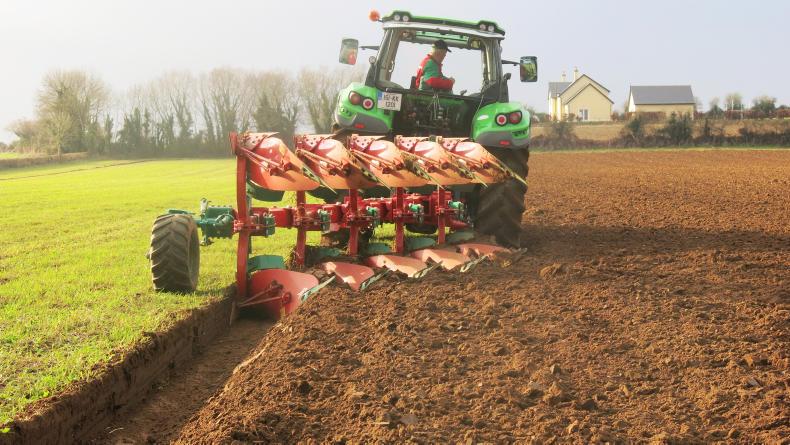
Can structural changes be made to the business to give an injection of cash and streamline the way the farm is run? I was talking to a farmer during the week who decided to sell nearly all of his machinery, freeing up a huge amount of his time. While contractor charges have increased, hired labour has decreased dramatically, along with repairs and maintenance, and he is running a more profitable business as a result.
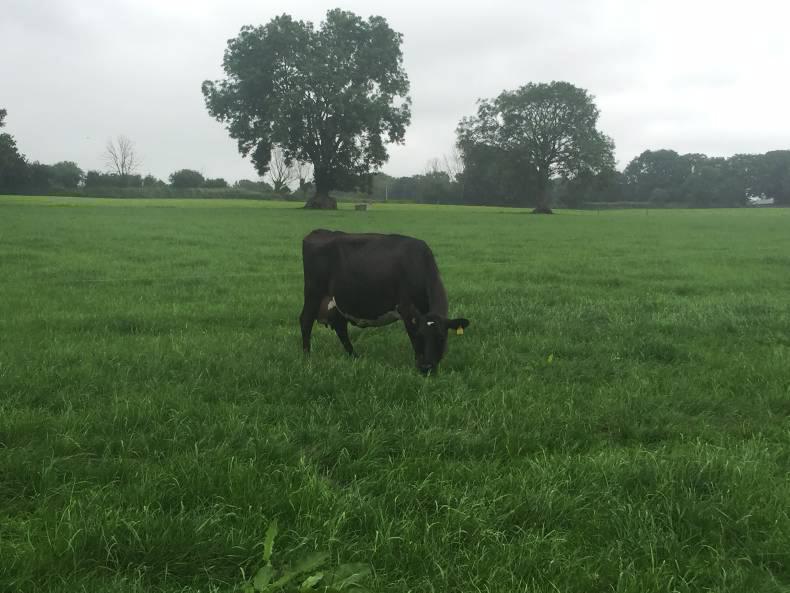
Grass: On Grass+ this week (page 32), we describe the process of creating an autumn grass budget. If there was ever a year to focus on grass in an attempt to reduce costs and increase output, then this is it. Farmers who don’t normally measure get hung up about having to cut and weigh paddocks but with new and improved tools available for measuring, there are no excuses.
Measuring is only the start of the process – you must manage grass and having a budget gives you a template to follow and takes the guess work out of decisions. Remember, putting in supplement to reduce grass demand is only one option. Reducing stock numbers is another option – either selling culls or surplus stock early. Keep an eye on www.farmersjournal.ie over the next few weeks for tips and tutorials on building an autumn grass budget.
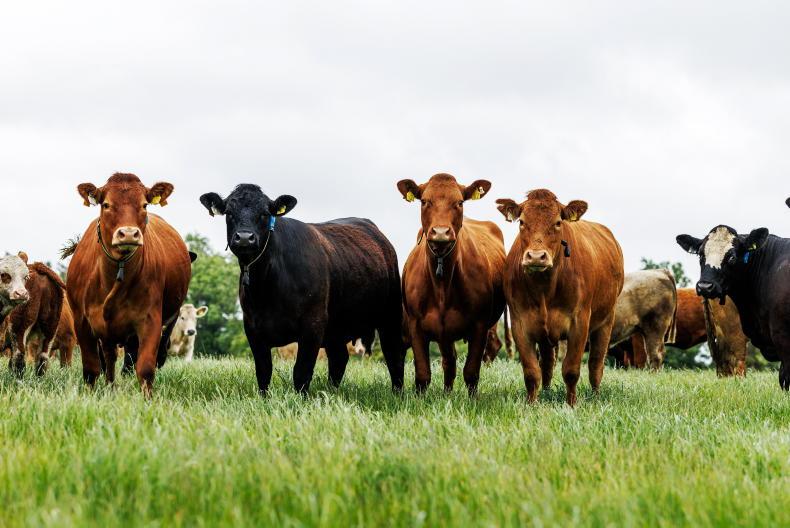
Stock: With stock prices lower than normal, some farmers are investigating the possibilities of culling some of their lower performing cows and restocking with purchased animals of higher EBI. The cows to cull first should be the latest calving and lowest protein cows in the herd. Provided they are replaced with early-calving cows, there will be a double benefit in terms of tightening the calving spread and increasing average protein percentage. This is probably the quickest means of improving herd performance on some farms. For this to work, you need to get planning now by sourcing suitable stock, doing background checks on health and getting the cash together for the purchase.




SHARING OPTIONS