


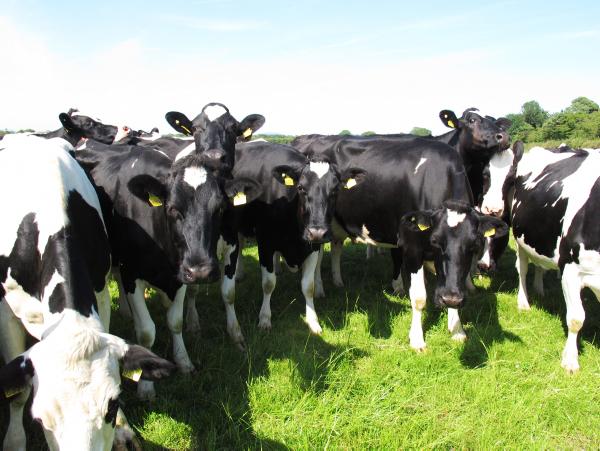
Grazing conditions: At the moment, grazing conditions are very tricky in many parts of the country. Those on dry ground, with good roadways and fencing, are getting cows out for a few hours after every milking. If you are not getting out with calved cows, ask yourself why not and make a commitment to try and fix that for next year.
For many it’s a case of a new farm road or an extension of what is already there. Many farmers have paddocks that are not suitable for size of the herd. Then for some ground conditions are simply too wet and in many cases they can’t do anything about it.
All I’m saying is that if you can plan for an investment that will deliver for you long-term, such as a new farm road, then put it on your to-do list.
Grazing heavy covers in the wet is like a cow having five mouths instead of one as she will walk grass into the ground. If you are on/off grazing or standing cows off on concrete or in sheds, then you should increase supplement by 1-2kg/cow. If you have to feed silage then good-quality round-baled silage is the best option.
Milk quality: With the mixed weather and cows in and out of the shed, etc, a number of farmers have reported mastitis showing up. Identify it early. This means pre-stripping as much as you can. If you let it get established it can turn into a much bigger problem. Get a sample tested to see what the cause of the infection is.
The key is to identify the infected quarters if you have a high bulk cell count by taking individual samples and getting them tested. You can make up your mind then on treatment – the best success rate is on younger cows that are treated early in the infection.
Scour in calves: Already, I talked to two farmers who have problems with scour in calves and we are not even into March yet. Many farmers have way too many calves for the size of the calf shed. Many are also keeping bull calves to drink over-quota milk. Unless overcrowding is sorted out (get them out/sold or moved), the benefit of keeping bull calves to drink milk could be wiped out in one week with sickness affecting all your calves.
Get dung samples tested if you have a problem. If the eyes or nose is the problem get swabs taken. You will have results overnight and at least you will know what you are dealing with. Remember that it’s dehydration and other diseases calves pick up that will make them die. This means the secret is to keep animals hydrated.
There are commercial products like replenolyte or similar products that can be used to mix in with milk. Or you can make up your own electrolyte solution of 12g (one tablespoon) of bread soda, 8g (half a tablespoon) low salt and 40g (two to three tablespoons) of glucose in 2l of warm water. The more small feeds at intervals during the day you can do, the better.


SHARING OPTIONS