



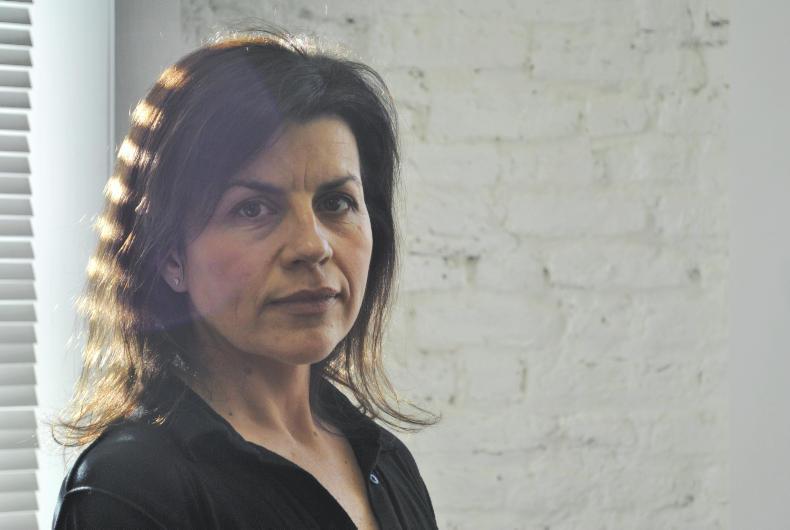
The world of publishing has changed dramatically since the advent of the Kindle and ebooks. While some may think the digital age poses a challenge for the book industry, Irish writer Denise Deegan believes it has presented new opportunities for authors such as herself, who have decided to self-publish.
“When you self-publish, it’s very much your own adventure and down to you,” she says.
Indeed, Denise’s journey to becoming a full-time writer has been an adventure. From Cork originally, she trained as a nurse, working in the profession a few years before starting a new career in china restoration. Moving on from that, she became a pharmaceutical representative and after meeting her husband and moving to Dublin, she changed roles again, this time working in public relations.
While undertaking her master’s and running her own PR business, Denise fell into writing – and started to think about pursuing it as a career.
“I realised a book didn’t exist that should have existed. The subject that I took in the master’s was about activism and pressure groups, stuff like that, and so I felt there was a book that didn’t exist in the literature review I was doing. So I wrote that and then, for no valid reason, I ended up wanting to write a novel after that book was published.
“I toyed with the idea for ages. It was kind of mad in a sense, not having an agent, a publisher or an idea for a novel. But I had two young children at the time, and I wanted to be at home with them.”
However, the ideas did come and Denise ended up writing four novels, all of which were published, as well as a series for young adults, the Butterfly novels. Then, as her first four novels went out of print, self-publishing came along.
“I thought it would be really interesting to be able to reach a global audience, and try a new venture, so I got the rights of my original novels and completely edited them. What was interesting was I had changed, because characters that I liked before, I didn’t like any more and I changed them quite a bit,” she laughs.
“I reinvented myself, calling myself Aimee Alexander, after my daughter and son, and I started self-publishing. Because I had the PR background, it helped in terms of the marketing. I wasn’t put off by developing covers, nothing really fazed me,” she says.
“It’s like being your own business person. You can see an immediate response – like the countries the book is selling in and how many downloads,” she adds. “You can reduce the price, you can pay for promotion to highlight your book and that worked really well for me.”
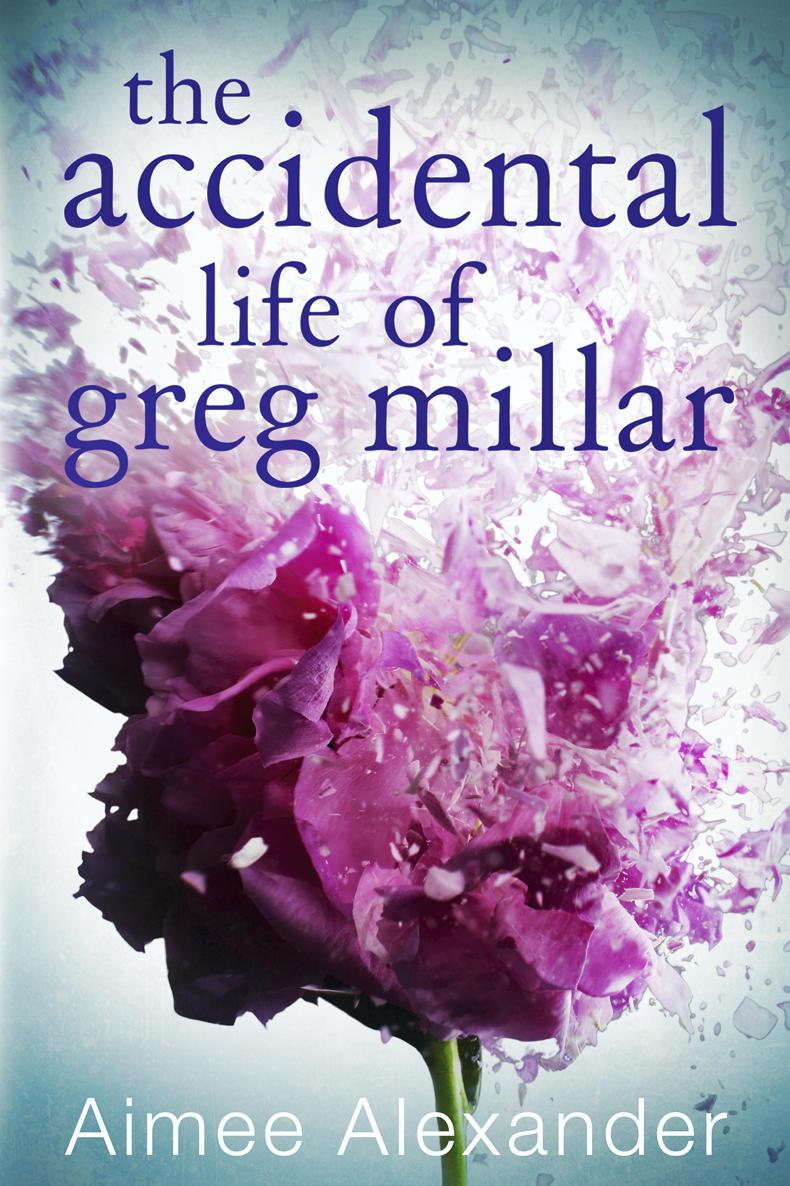
The revamped books received rave reviews, with The Accidental Life of Greg Millar hitting Amazon’s radar.
“Amazon also publish themselves, in addition to selling books. They have imprints and one of their imprints is called Lake Union Publishing. They noticed the books because of the reviews, and somehow found my phone number and they rang me and asked if I would be interested in them publishing The Accidental Life of Greg Millar. I knew straight away that I wanted them to publish it,” she says.
Released last April, the novel focuses on the relationship between a woman who has lost her fiancé and an enigmatic man who is not all he appears to be.
“Most of my books focus on ordinary people facing extraordinary issues. I just think that we are so much stronger than we think we are, and it’s just when big challenges come that we realise who were are and who we could be,” she says. “My books explore similar themes, and loss – they are quite heartfelt and emotional. They definitely make people laugh and cry. When I’m writing them, that is what happens to me. When I am writing, I become the main character and so I live it. You could come to my door and I’d be in tears. I hear the dialogue of my characters and I have to write all the other stuff around that,” she says.
In January, Denise published her first non-contemporary novel, Through the Barricades, which is set in 1913 Dublin, under her own name instead of Aimee Alexander.
Since becoming a full-time author, has Denise or Aimee ever looked back?
“The only time I felt frustrated was when I knew it was what I wanted to do and I couldn’t do it. Until that point, I was moving from career to career. If I wasn’t happy, I would move.
“Our lives are like an actor’s. You’re always facing rejection. If I was to take one thing in common with all the writers I know, it would be determination – just to be able to pick yourself up and keep going.
“It’s great because you’re doing what you want to do, but it’s not easy either. That’s why ebooks are so good. You can reach your reader for the first time ever without a barrier or someone else deciding.” CL


SHARING OPTIONS