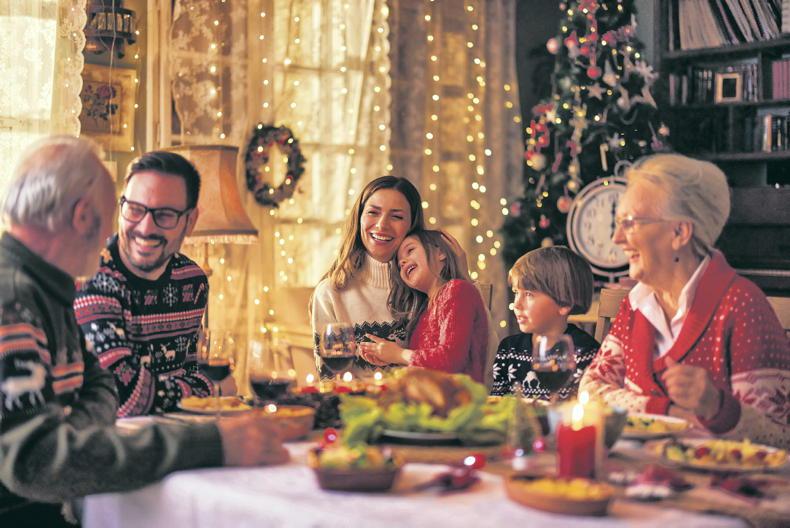
How do you like your Christmas dinner? Turkey, stuffing and all the trimmings? What exactly constitutes a Christmas dinner sparks much debate between families. But something we can all agree on is that the cost of Christmas dinner is on the rise.
This week, the Central Statistics Office (CSO) announced that food prices have increased by 4.2% in the past 12 months. Let’s look at some of our festive favourites and how they have been impacted.
The outbreak of avian influenza last month, coupled with other factors, has contributed to a more expensive turkey.
According to one turkey farmer, the price of turkey chicks coming in from the hatchery on day one has gone up, as has the cost of heating the turkey houses. The meal to feed the chicks has risen as has labour – which is difficult to get – and shavings for the bedding are more expensive than last year. These are all costs that butchers and turkey producers must account for.
Turkey and ham
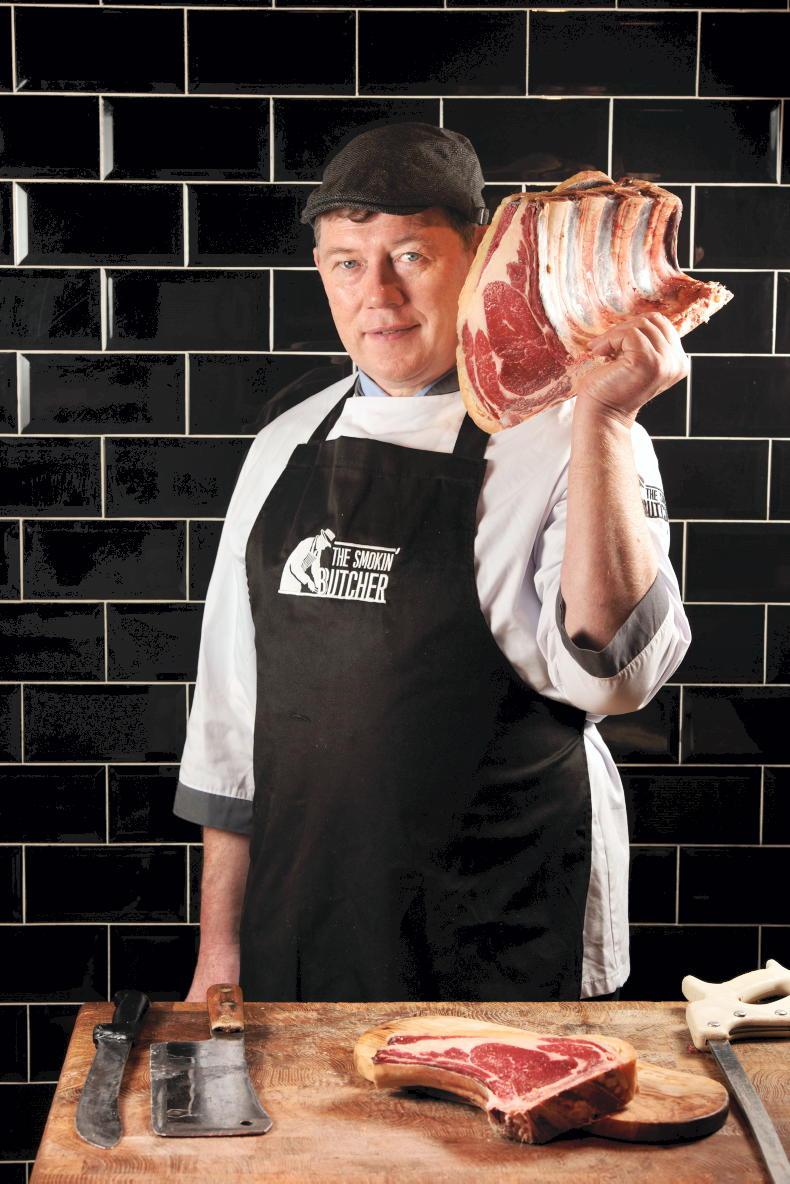
Hugh Maguire who runs a butcher shop in Ashbourne, Co Meath says: “Oven-ready turkeys will be about 5% dearer than this time last year. Boned and rolled turkey, which is by far the most popular, could be up to 20% dearer this year.”
Last year, Hugh Maguire Butchers was selling a 5kg turkey for €60, to feed eight to 10 people. This year, Hugh says, it could cost €65-€70.
“Ham is much the same as last year’s prices, give or take. Pork hasn’t moved in price as much,” he continues.
Last year, they charged €12-€14/kilo for a centre cut of ham. This year could see a 5% increase in price, according to Hugh, but with so many different varieties of ham – on the bone, centre cut, top slices of ham – it is hard to name a price with absolute certainty. Hugh makes a plea to consumers to support their local butcher after what has been a “difficult year”.
Potatoes and vegetables
What about whatever colourful assortment of vegetables you have on the table? Carrots, parsnips and Brussels sprouts are grown in Ireland, and there is a good supply of them. But don’t be misled by the very low price of carrots and parsnips heavily promoted in major retailers at this time of year. Try to source your vegetables directly from a local producer or grower.
John Dockrell, a carrot grower based just outside Wexford town says: “If you take the major cost increases over the past 20 years, carrots should be at least €1.75 onwards. Really the minimum price for 1kg of carrots should be €2.”
As for potatoes, IFA national potato chair, Sean Ryan, says that 7.5kg of potatoes [which would feed a family of five or six for seven days] will stay around the same as last year, and consumers should expect to pay about the €8.50 mark.
Mince pies
Siobhan Lawless of Foods of Athenry says that the price of producing mince pies has jumped due to an explosion in the cost of two key ingredients: Irish butter and dried fruit.
“Certainly the last two years have been horrendous in terms of butter and dried fruit pricing,” Siobhan says. Last year, she says she paid double the price for butter and sultanas compared to four years ago.
Siobhan explains that climate change impacts in Turkey, a major supplier of sultanas and raisins, caused a shortage of sultanas last year.
Doing some back of the envelope calculations, Siobhan estimates the amount of butter in each mince pie adds up to 14c or around 90c in a pack of six. This is considerable given most retailers sell a pack of six mince pies for €4. “This is what producers are up against,” she says. “It’s what’s happening behind the scenes.”
Budgeting advice
Commenting on the price of butter, Aidan Brennan, dairy editor of Irish Farmers Journal says: “Butter prices were historically high for most of 2024 and 2025, reaching highs of over €8,000/t at one stage.
“Now, butter prices are back to under €5,000/t which is still historically high but a lot lower than it was.
“The reason for the drop in price is the extra supply of butter coming on to the market from higher milk output in Europe and the US.
“It will take time for these lower prices to be seen on the shop shelves, but farmers are feeling the impact right away.
“Consumers are increasingly being impacted by rising levels of food inflation, both in Ireland and in key export markets,” says Shauna Jager, poultry and pigmeat sector manager at Bord Bia.
“All food categories have seen a retail price increase in 2025, but this has been particularly noticeable in the meat sector with supply and demand dynamics being strong contributing factors.”
Grainne Griffin, director of communications at The Competition and Consumer Protection Commission, shares her budgeting advice with readers this Christmas.
“Making a list of all your presents, social events and likely grocery costs can allow you to set out a clear spending plan and take control of what can otherwise be a very stressful and disempowering experience.”
Finally, do shop from local growers and butchers where you can. It’s been a tough year for Irish producers. Support them directly by giving them a place on your dinner plate.