We have some tips to help you shop smart online. \ iStock
ADVERTISEMENT
Here at Irish Country Living, we continue to keep our readers updated on online scammers. And we all really need to be more vigilant online, especially in light of information released by An Garda Síochána this week.
The most recent figures show that, collectively, Irish consumers lost €22m in credit and debit cards fraud in 2020. There was a 50% increase in reported crimes compared to 2019. A lot of this happened around Christmas when up to 10m online transactions were carried out.
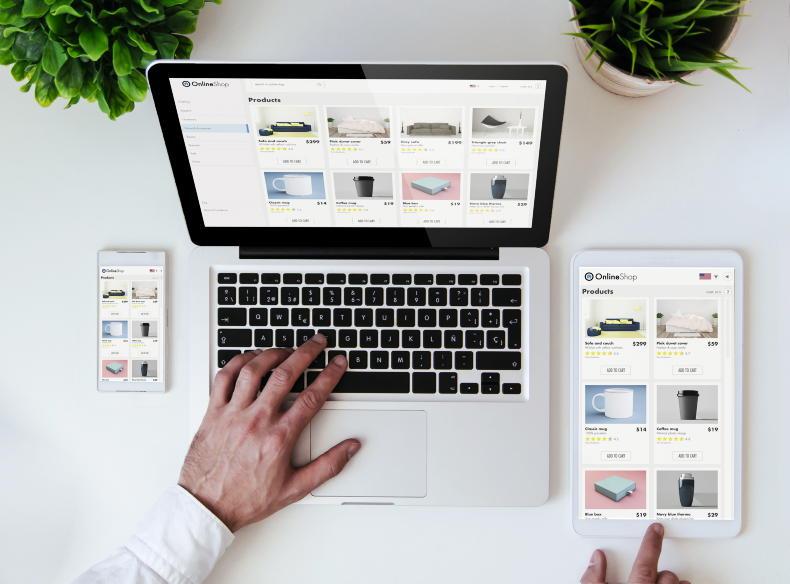
Online shopping fraud is where the buyer doesn’t receive the goods after making payments, receives fake/counterfeit goods or goods not as described. And it has continued to increase with more of us shopping online during the pandemic.
ADVERTISEMENT
Tips
The Garda National Economic Crime Bureau has issued this advice:
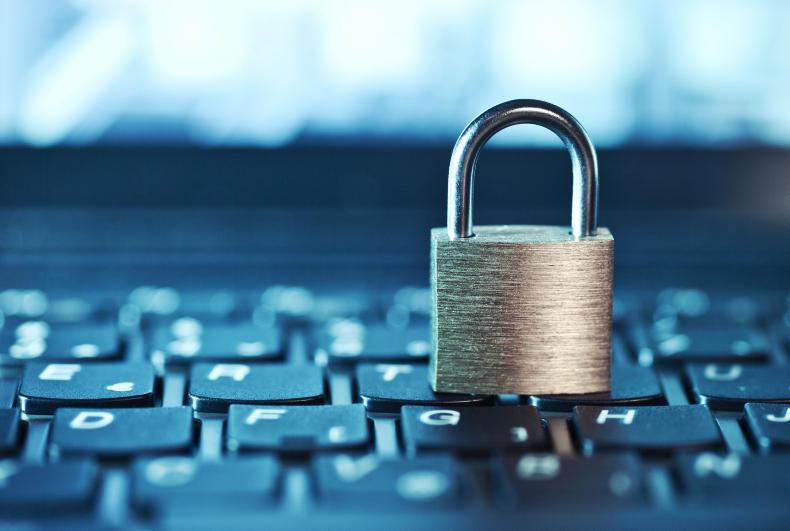
Use secure websites. Make sure the website you are on is real – not cloned or fake. Make sure there is an “https” at the beginning of the web address and a padlock symbol displayed beside the URL before the purchase is made – this indicates a secure connection.
Look for the trust seals. Trust seals are commonly placed on homepages, login pages and checkout pages. They’re immediately recognisable and they remind visitors that they are secure on this page.
Know the website’s policy on refunds and know your consumer rights. They are protected if proper site used.
Where selling platforms offer an official, safe way of paying, use this rather than sending money directly to a third party. Otherwise use an online payment option such as PayPal, which helps to protect you.
Check their payment methods – there should be credit card options. Never transfer money direct or pay cash.
If a website is asking you to send money to a random PayPal address, wire it by Western Union, pay in iTunes gift cards or only deals in cryptocurrency, that should send up a red flag. The majority of the time, those methods are done to avoid scrutiny and ensure that a transaction can’t be reversed.
Always keep a record of your purchase, print or save a copy of your order. Ensure you read the terms and conditions associated with any purchase.
Be careful about cut-price offers – if it sounds too good to be true it probably is.
Do not, under any circumstances, use public WiFi when making payments – switch to 3G/4G on your phone if necessary.

Register for free to read this story and our free stories.
This content is available to digital subscribers and loyalty code users only. Sign in to your account, use the code or subscribe to get unlimited access.
The reader loyalty code gives you full access to the site from when you enter it until the following Wednesday at 9pm. Find your unique code on the back page of Irish Country Living every week.
CODE ACCEPTED
You have full access to the site until next Wednesday at 9pm.
CODE NOT VALID
Please try again or contact support.
Here at Irish Country Living, we continue to keep our readers updated on online scammers. And we all really need to be more vigilant online, especially in light of information released by An Garda Síochána this week.
The most recent figures show that, collectively, Irish consumers lost €22m in credit and debit cards fraud in 2020. There was a 50% increase in reported crimes compared to 2019. A lot of this happened around Christmas when up to 10m online transactions were carried out.
Online shopping fraud is where the buyer doesn’t receive the goods after making payments, receives fake/counterfeit goods or goods not as described. And it has continued to increase with more of us shopping online during the pandemic.
Tips
The Garda National Economic Crime Bureau has issued this advice:
Use secure websites. Make sure the website you are on is real – not cloned or fake. Make sure there is an “https” at the beginning of the web address and a padlock symbol displayed beside the URL before the purchase is made – this indicates a secure connection.
Look for the trust seals. Trust seals are commonly placed on homepages, login pages and checkout pages. They’re immediately recognisable and they remind visitors that they are secure on this page.
Know the website’s policy on refunds and know your consumer rights. They are protected if proper site used.
Where selling platforms offer an official, safe way of paying, use this rather than sending money directly to a third party. Otherwise use an online payment option such as PayPal, which helps to protect you.
Check their payment methods – there should be credit card options. Never transfer money direct or pay cash.
If a website is asking you to send money to a random PayPal address, wire it by Western Union, pay in iTunes gift cards or only deals in cryptocurrency, that should send up a red flag. The majority of the time, those methods are done to avoid scrutiny and ensure that a transaction can’t be reversed.
Always keep a record of your purchase, print or save a copy of your order. Ensure you read the terms and conditions associated with any purchase.
Be careful about cut-price offers – if it sounds too good to be true it probably is.
Do not, under any circumstances, use public WiFi when making payments – switch to 3G/4G on your phone if necessary.
If you would like to speak to a member of our team, please call us on 01-4199525.
Link sent to your email address
We have sent an email to your address. Please click on the link in this email to reset your password. If you can't find it in your inbox, please check your spam folder. If you can't find the email, please call us on 01-4199525.
ENTER YOUR LOYALTY CODE:
The reader loyalty code gives you full access to the site from when you enter it until the following Wednesday at 9pm. Find your unique code on the back page of Irish Country Living every week.
SHARING OPTIONS