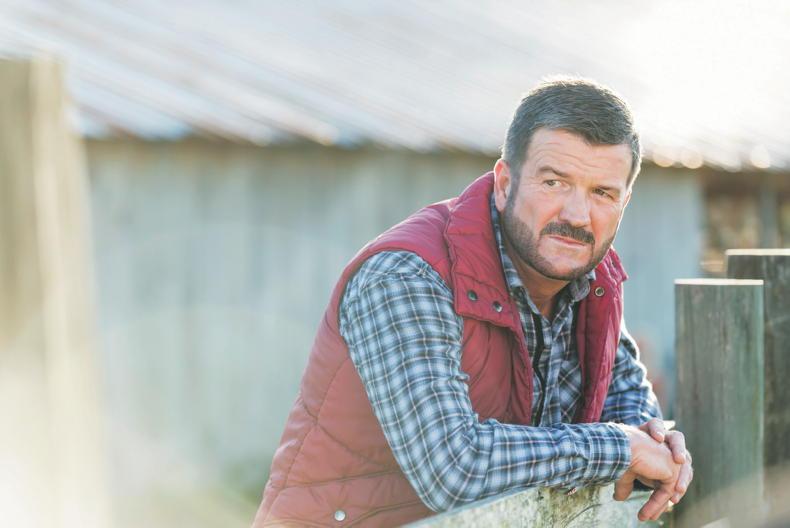
I have been farming with my father for a good number of years. Both our names are on the herd number and the farm bank account.
However, he still owns the land, stock, machinery and entitlements. I find he is getting contrary in his old age and is becoming increasingly difficult to work with. I am getting more frustrated that I still do not have any ownership of the farm. My wife is
giving me grief that I have invested so much time and energy and might not have anything to show for it. Where do I stand legally?
ANSWER: Most farms operating under a joint herd number would be regarded as a partnership. Sharing of profits is basic evidence that a partnership exists.
In the absence of any formal agreement, the Partnership Act 1890 applies which presumes that property used in the partnership is partnership property, it also assumes that property bought with partnership funds is partnership property. The default position is that all partners are entitled to share equally in the profits and capital of the partnership and must contribute equally to the losses.
This can be contrasted with a Registered Farm Partnership where the legal agreement provides that the land and entitlements remain the property of the owner who licences that property to the partnership. Consequently, it depends on what is in the owner’s will as to who ultimately will own the land and entitlements.
What are the criteria?
The Department of Social and Family Affairs and Revenue have clarified the criteria they use in determining the existence of a partnership in a farming situation. They have stated that they deem a partnership to be in existence if some of the following factors apply:
Each partner writes cheques on the business account in his/her own right.There is a joint business account.It is apparent to those doing business with the partnership that a partnership exists.The same criteria may be applied in the context of joint herd numbers. In order to apply for the National Reserve/Young Farmers Scheme under the joint herd number category, the following is required:
A bank statement or letter from the bank confirming the young farmer’s name is on the bank account to which direct payments would be paid.A declaration completed by each member of the group and witnessed by a solicitor confirming that the young farmer has effective control, either solely or jointly with other members of the group, in terms of decisions related to the management, benefits and financial risks to the group.As a result, a joint herd number has many of the characteristics of a partnership and could be deemed to be so.
Joint herd number
A herd number issued by the Department to any particular individual acting as the keeper does not infer ownership of lands or any animals tested under that herd number. The Department of Agriculture has produced clear guidance on the issue where it takes no responsibility for determining who owns what stock in a herd number.
Consequently, if either party in a joint herd number claims ownership of stock, this should be recorded in a written agreement between the parties, otherwise stock could be divided up according to the profit-sharing ratio. The extent of a partner’s share depends on the partnership agreement or, in its absence, the Partnership Act, which provides that in the absence of an agreement to the contrary, all partners are entitled to share equally in the capital and profits of the business and must contribute equally towards losses.
The presumption of equity applies regardless of whether the partners have contributed capital equally or unequally or bring different skills, connections or effort to the business. It may be possible to infer that different treatment is intended to apply from the farm’s books, the circumstances or the customs of the trade.
Consequences
Under the Partnership Act 1890 where a partnership is dissolved, a partner is entitled to have the partnership assets sold, the liabilities paid off and the surplus divided in the profit sharing ratios. If the parties do not want the default provisions of the Partnership Act 1890 to apply, they should enter into a written partnership agreement specifying what the parties have agreed themselves.
The Teagasc specimen farm partnership agreement provides that the lands, milk production rights and BISS entitlements remain in the ownership of the owner but made available for use by the partnership. Stock and machinery are treated a little differently whereby they become part of the partnership assets but the owner gets credit for the value as an initial capital contribution. Therefore, it’s not a case that the other partner will automatically inherit the land, stock etc and it depends on what’s in the parents’ will as to who will ultimately inherit the farm.
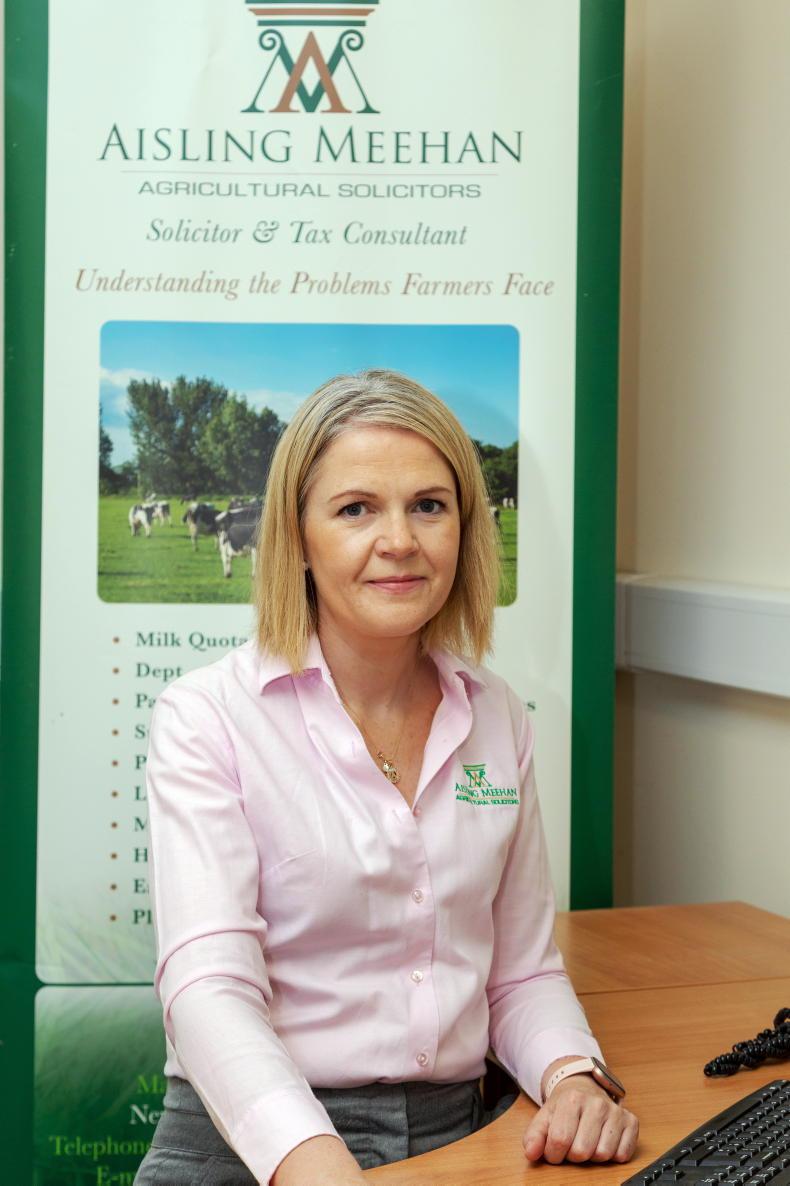
Aisling Meehan, agricultural solicitors and tax consultants.
Disclaimer: While every care is taken to ensure accuracy of information contained in this article, Aisling Meehan, Agricultural Solicitors & Tax Consultants does not accept responsibility for errors or omissions howsoever arising. Email aisling@agrisolicitors.ie
I have been farming with my father for a good number of years. Both our names are on the herd number and the farm bank account.
However, he still owns the land, stock, machinery and entitlements. I find he is getting contrary in his old age and is becoming increasingly difficult to work with. I am getting more frustrated that I still do not have any ownership of the farm. My wife is
giving me grief that I have invested so much time and energy and might not have anything to show for it. Where do I stand legally?
ANSWER: Most farms operating under a joint herd number would be regarded as a partnership. Sharing of profits is basic evidence that a partnership exists.
In the absence of any formal agreement, the Partnership Act 1890 applies which presumes that property used in the partnership is partnership property, it also assumes that property bought with partnership funds is partnership property. The default position is that all partners are entitled to share equally in the profits and capital of the partnership and must contribute equally to the losses.
This can be contrasted with a Registered Farm Partnership where the legal agreement provides that the land and entitlements remain the property of the owner who licences that property to the partnership. Consequently, it depends on what is in the owner’s will as to who ultimately will own the land and entitlements.
What are the criteria?
The Department of Social and Family Affairs and Revenue have clarified the criteria they use in determining the existence of a partnership in a farming situation. They have stated that they deem a partnership to be in existence if some of the following factors apply:
Each partner writes cheques on the business account in his/her own right.There is a joint business account.It is apparent to those doing business with the partnership that a partnership exists.The same criteria may be applied in the context of joint herd numbers. In order to apply for the National Reserve/Young Farmers Scheme under the joint herd number category, the following is required:
A bank statement or letter from the bank confirming the young farmer’s name is on the bank account to which direct payments would be paid.A declaration completed by each member of the group and witnessed by a solicitor confirming that the young farmer has effective control, either solely or jointly with other members of the group, in terms of decisions related to the management, benefits and financial risks to the group.As a result, a joint herd number has many of the characteristics of a partnership and could be deemed to be so.
Joint herd number
A herd number issued by the Department to any particular individual acting as the keeper does not infer ownership of lands or any animals tested under that herd number. The Department of Agriculture has produced clear guidance on the issue where it takes no responsibility for determining who owns what stock in a herd number.
Consequently, if either party in a joint herd number claims ownership of stock, this should be recorded in a written agreement between the parties, otherwise stock could be divided up according to the profit-sharing ratio. The extent of a partner’s share depends on the partnership agreement or, in its absence, the Partnership Act, which provides that in the absence of an agreement to the contrary, all partners are entitled to share equally in the capital and profits of the business and must contribute equally towards losses.
The presumption of equity applies regardless of whether the partners have contributed capital equally or unequally or bring different skills, connections or effort to the business. It may be possible to infer that different treatment is intended to apply from the farm’s books, the circumstances or the customs of the trade.
Consequences
Under the Partnership Act 1890 where a partnership is dissolved, a partner is entitled to have the partnership assets sold, the liabilities paid off and the surplus divided in the profit sharing ratios. If the parties do not want the default provisions of the Partnership Act 1890 to apply, they should enter into a written partnership agreement specifying what the parties have agreed themselves.
The Teagasc specimen farm partnership agreement provides that the lands, milk production rights and BISS entitlements remain in the ownership of the owner but made available for use by the partnership. Stock and machinery are treated a little differently whereby they become part of the partnership assets but the owner gets credit for the value as an initial capital contribution. Therefore, it’s not a case that the other partner will automatically inherit the land, stock etc and it depends on what’s in the parents’ will as to who will ultimately inherit the farm.

Aisling Meehan, agricultural solicitors and tax consultants.
Disclaimer: While every care is taken to ensure accuracy of information contained in this article, Aisling Meehan, Agricultural Solicitors & Tax Consultants does not accept responsibility for errors or omissions howsoever arising. Email aisling@agrisolicitors.ie
SHARING OPTIONS