



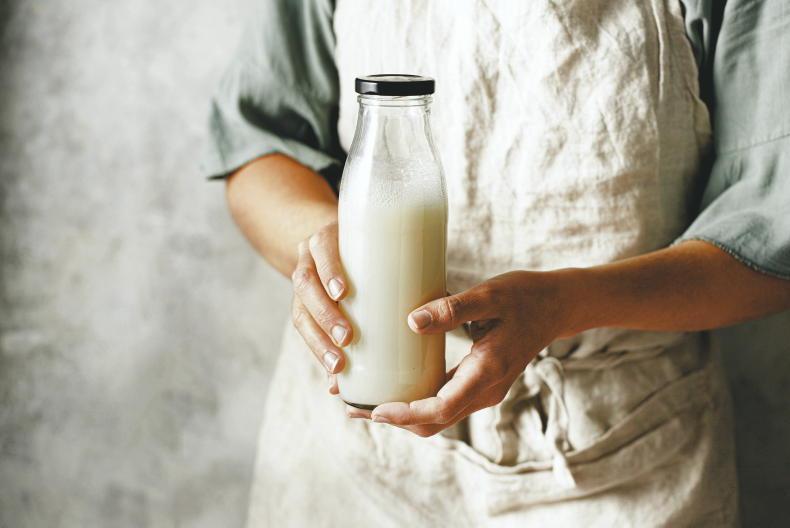
My parents have transferred the family dairy farm to me. While I’m gradually adjusting to the responsibilities of running it, the financial side of things can be tight during the winter months. I’ve noticed that several other farms around Ireland have set up milk vending stations where customers can visit the farm directly, purchase fresh milk, and even create their own milkshakes on-site. I’m interested in this as a potential income. If I wanted to set one up on the farm, how would I go about it?
Answer: Milk vending stations are rapidly gaining popularity across Ireland, offering a fresh opportunity for dairy farmers to diversify their income and for consumers to enjoy farm-fresh milk, eggs and even, vegetables straight from the source. However, while the concept is promising, setting up a milk vending station involves more than simply placing a machine at the farm gate.
1. Planning permission
Before you begin, it’s essential to consult with your local planning authority. Installing a vending station may require planning permission, particularly if you’re adding a new structure or modifying an existing one. Engage a planning consultant to understand your obligations and ensure compliance. Skipping this step could result in costly delays or enforcement issues.
2. Business structure
Selling milk, milkshakes, reusable bottles, and possibly other products like eggs or vegetables may mean setting up a separate business entity. Running this retail operation under your existing farm business could expose your entire farm operation to unintended tax liabilities – particularly concerning VAT.
For example, combining your milk sales with your livestock business could make the entire farm subject to VAT, which would otherwise be exempt. Establishing a standalone business structure for the milk station can help avoid this.
While on the subject, VAT is one of the trickiest aspects of setting up a milk vending station. Each element of your service – milk, bottles, milkshakes – may carry different VAT implications, depending on how they are sold. A bottle of milk sold as a single transaction may carry 0% VAT, but if the bottle is sold separately through one machine and the milk dispensed from another, the bottle sale becomes a taxable supply at 23% VAT. Similarly, milkshakes may be taxed differently depending on how they’re prepared and presented. Consulting with a tax adviser is essential. A well-informed setup could mean the difference between 0% and 23% VAT – an impact that will directly affect your pricing and profitability.
3. Funding and costs
With this opportunity comes the requirement for investment. The level of investment will depend heavily on how automated and interactive you want the customer experience to be. The initial investment could range from €60,000 to €70,000 for a cabin, vending machine and dispensers. However, a fully automated, one-stop system that includes bottle, milk, and syrup sales could push the cost higher.
You have not mentioned how you would fund the investment, however, you have noted tight cashflow periods for your farm. If you were to finance the investment and it cost €80,000, for example, the annual repayments over seven years at 6% APR would be over €14,000. In addition to this, you will have running, cleaning and maintenance costs plus insurance.
4. Cashflow projections
Before investing, create detailed cashflow projections. These should include not just revenue from milk and related products, such as bottles, caps, and labels – but also non-obvious costs such as lab-testing fees, cleaning costs, credit card machine fees. There may even be a potential need for a part-time employee to check and ensure that the business is operating fully.
You’ll also need to account for milk inputs at current pricing.
Robust projections are essential, not only for your own planning, but also for presenting to banks or grant bodies – if you’re seeking funding.
Milk vending stations present a valuable opportunity for you to build a new income stream and connect directly with local consumers. But they also come with planning, financial, and regulatory responsibilities that must be carefully managed.
With thorough planning, professional advice, and realistic financial forecasting, a milk station could be the next big step in modernising your dairy farm and securing its future.

Andrew Brolly is senior accountant with ifac, which is the professional services firm for farming, food and agribusiness



SHARING OPTIONS