



The SsangYong range is quietly making an impression. These Korean-built SUVs have been upgraded with new styling and enhanced with features that make them worthy of inclusion on any shortlist.
I’ve had the new commercial version of the Korando on the road. On first impressions it looks small, but take out the measuring tape or check the specifications and you’ll be pleasantly surprised to find that it is a match for the best in terms of length, wheelbase and internal space.
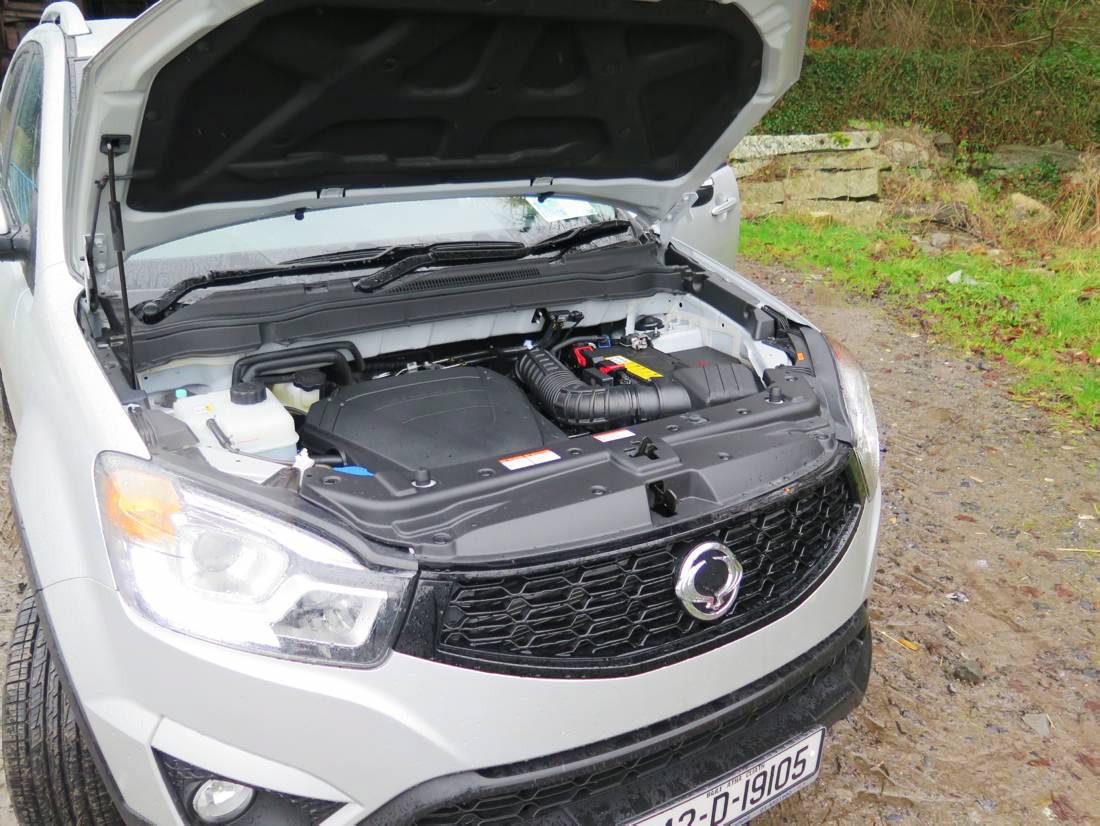
Gone are the old Mercedes-Benz-designed engines and in comes a new 2.0-litre turbo-diesel unit built by SsangYong with a new level of smoothness and improved economy.
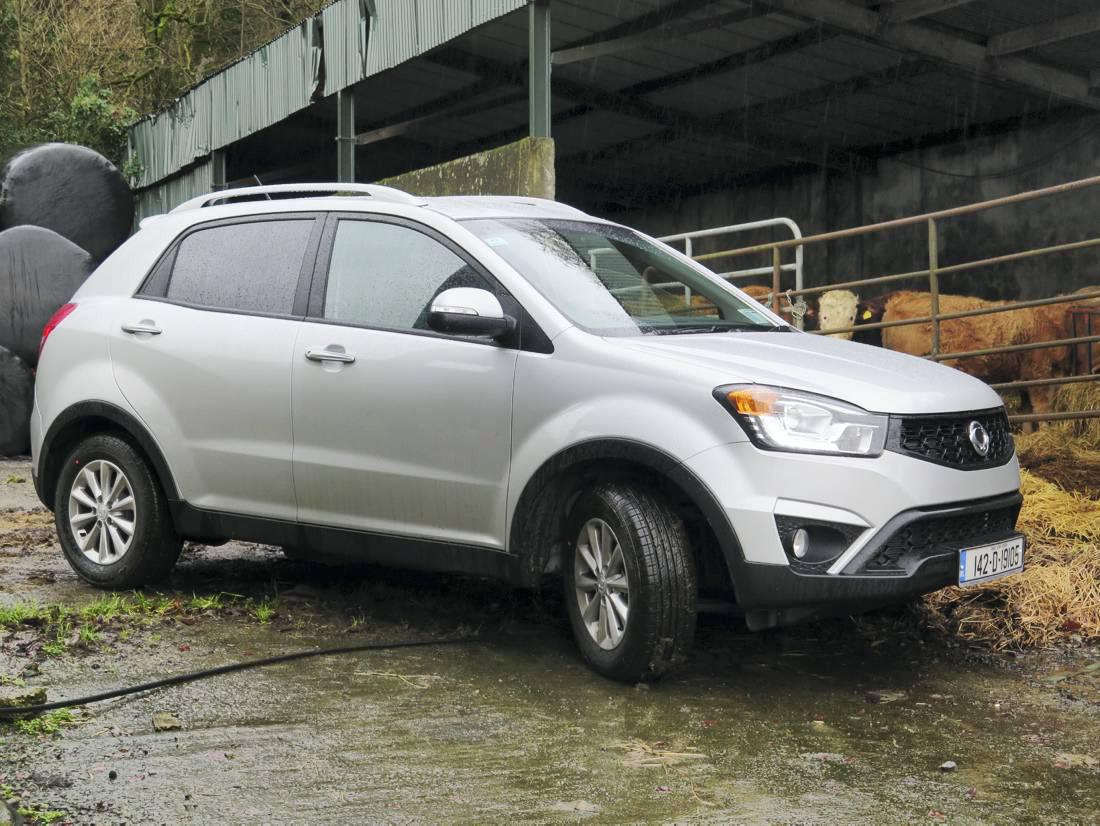
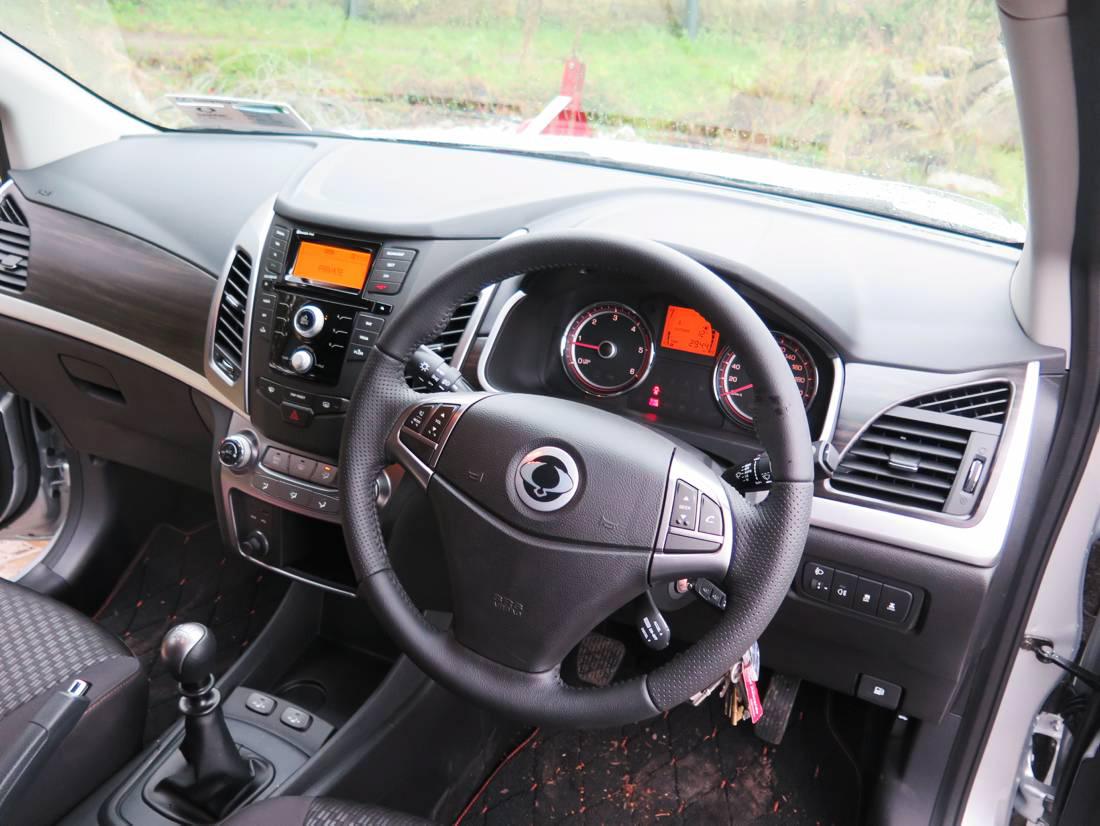
The Korando has a new front-end design with a slimmer radiator grille, new headlights and LED daytime-running lights. On the inside, the big change is the new dashboard, which is stylish and functional. There are plenty of storage areas, with room for cups and a large glove box.
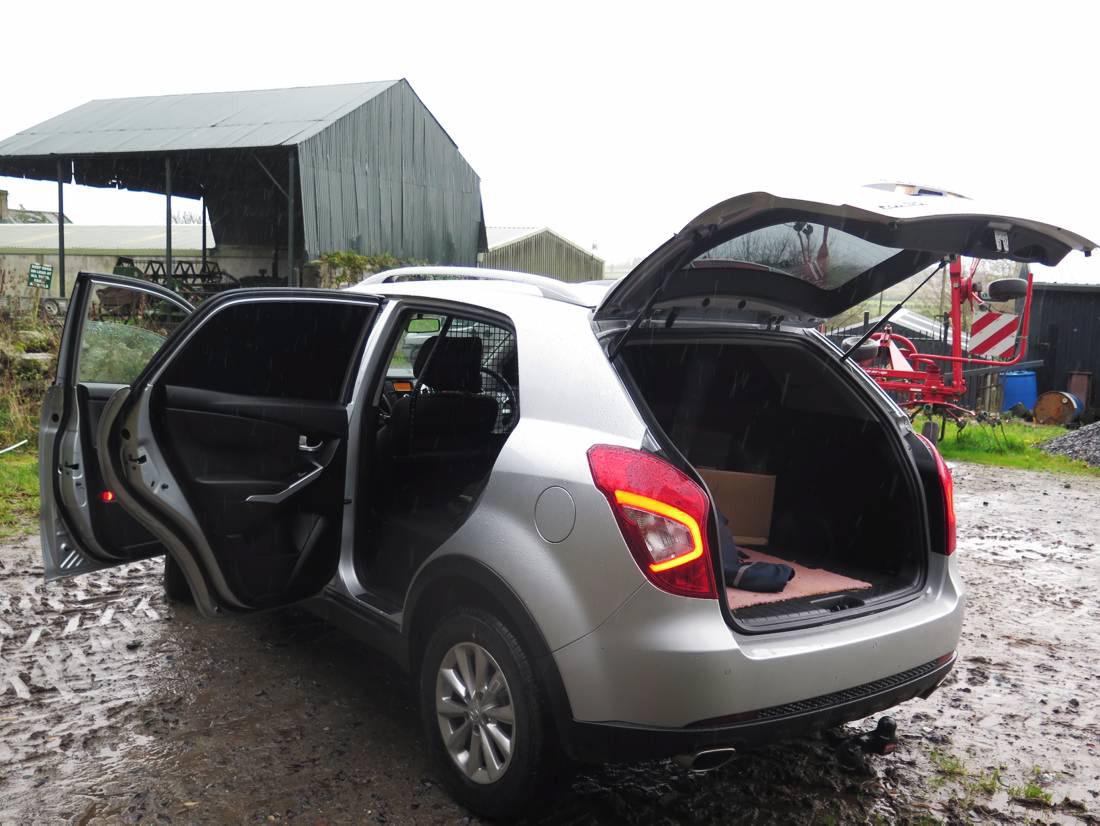
The Korando commercial is a four-wheel-drive machine with good load space and practical features such as impressive towing ability and ease of use. The one significant downside is the tight space in foot-well area, with limited room to rest the left leg.
The Korando’s four-wheel-drive uses a torque-on-demand system. It senses the road surface and driving conditions and distributes the power accordingly. For most driving conditions, the full engine power is delivered to the front wheels to give better fuel economy. Once you drive in wet, off-road or slippery roads, the power is distributed to the front and rear wheels.
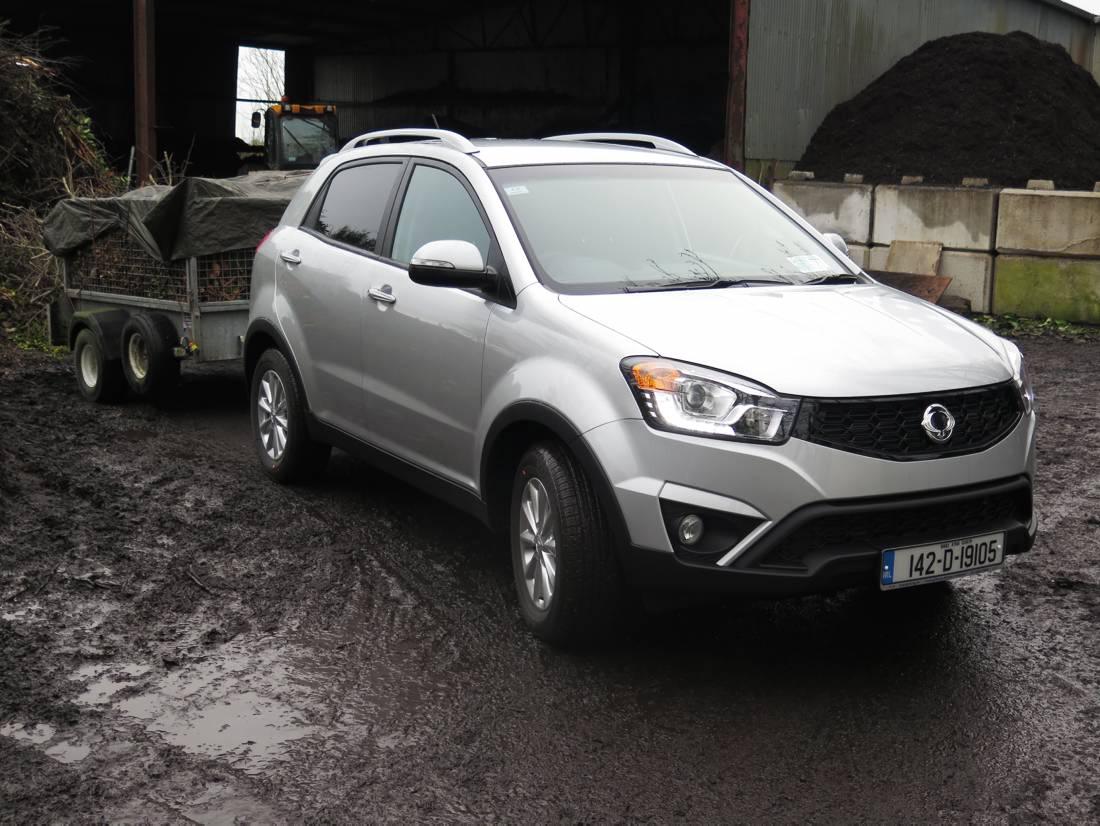
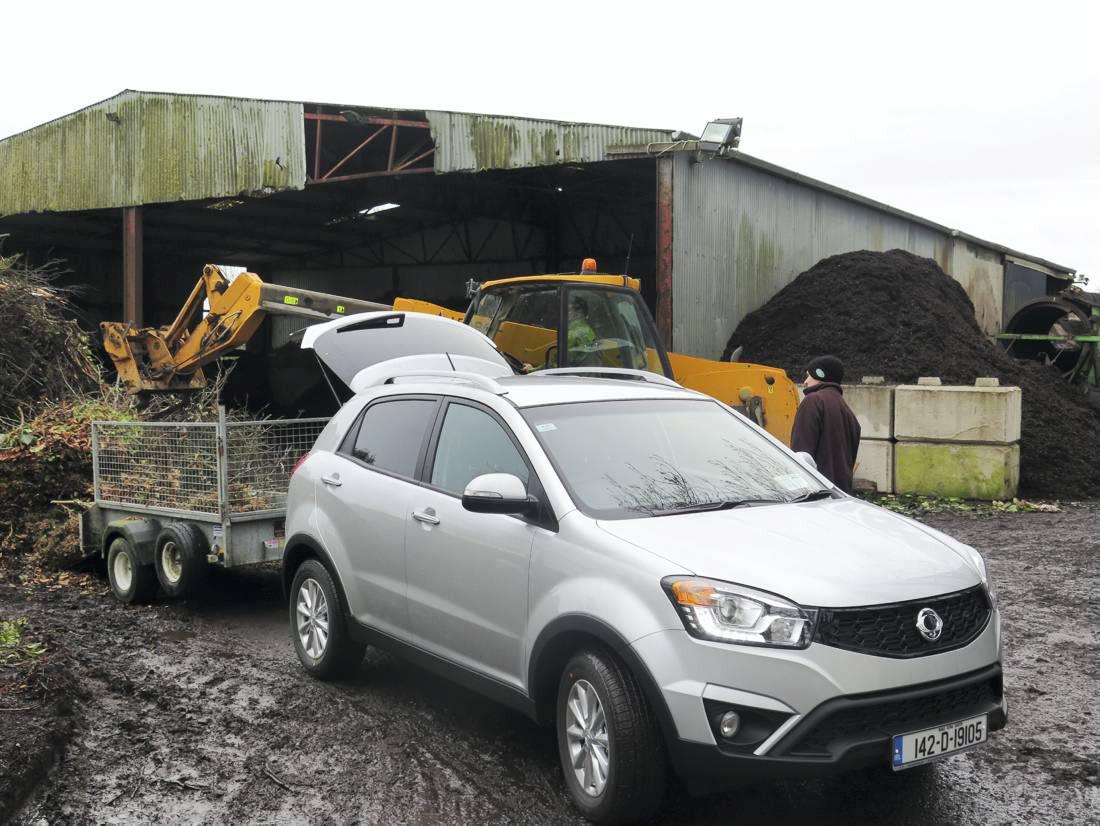
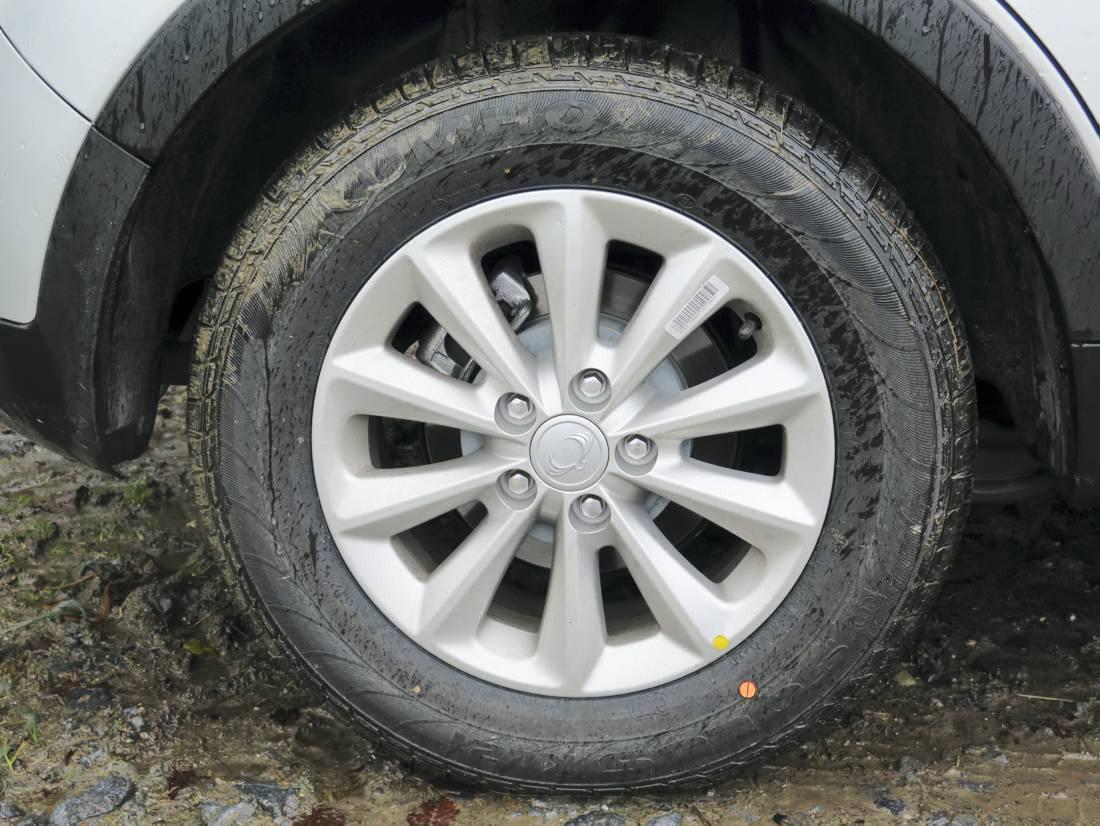
The 4x4 system can be engaged fully with the lock mode. This can be engaged at low speeds (under 25km/h) and it distributes power equally between the front and rear wheels for better off-road traction. I tested the Korando in some modest off-road conditions with a loaded compact trailer. In the field conditions, the 4x4 lock allowed for good traction, but it was nothing too adventurous. The ground clearance under the Korando is 180mm, which is as good as the best of the competition. During towing, the load was noticeable while the 320Nm of engine torque coupled with 149bhp engine power meant acceleration was not an issue.
For smaller SUVs like the Korando, stability with a bigger trailer is more important than pulling power. It is rated to pull two tonnes with a braked trailer, which is a match for most of the competition, and significantly better than the popular Nissan Qashqai. It is marginally poorer than the Ford Kuga, also popular as a farming 4x4 commercial.
The test drive gave me a poorer result than the rated economy figure of 15.9km/litre (6.2l/100km or 45 mpg). Many of the SUVs in this segment of the market claim similar economy figures, but once the trailer load is added or four-wheel-drive is engaged, you can expect to see the fuel gauge moving. On paper, the Korando does not score well in an economy comparison. The fact that it is marginally heavier than some of the competition may not help. In reality, I would not expect that it would be much more expensive to run than most of the competition.
As the test Korando was a commercial vehicle, the annual road tax was €333. This, plus the fact that VAT-registered farmers can avail of a VAT refund, gives an entry price of €23,995 including VAT (£15,594 in NI) – a very attractive option.
While the Korando does not have a Euro NCAP crash test result, the SUV comes with electronic stability program (ESP) with emergency brake assist and four-channel anti-lock braking system (ABS) as standard. Hill start assist (HSA) and Active roll-over protection (ARP) are also included.
The Korando has a longer wheelbase than the Qashqai and Hyundai ix35 and is longer and wider on the road. The commercial version comes with a secure mesh bulkhead to separate the load from the driver. This should be on every commercial on the market – especially those derived from cars or SUVs.
Overall, the new Korando has modern looks, good towing ability, with keen pricing. While the brand is not too well known, the credentials are improving as more dealers sign up. The five-year, 150,000km warranty makes it more attractive and now there’s a four-year free-servicing offer to be considered too.
SsangYong Korando
Engine 2.0-litre diesel
Engine power 149bhp
0-100km/hr 9.9 seconds
Economy 15.9km/litre
Fuel tank capacity 57 litres
CO2 emissions 157g/km
Road tax band Comm (€333)
Main service 20,000km
Safety rating N/A
Towing rating 2,000kg
Warranty Five years
Entry price €23,995
NI price £15,594


SHARING OPTIONS