



With prices of soft commodities significantly down over the last 12 months, 2016 is shaping up to be a very dynamic year on financial markets.
Against a backdrop of weak global dairy markets, a stagnant European economy and lagging Chinese demand, Irish agribusinesses and farmers are set for a challenging 2016.
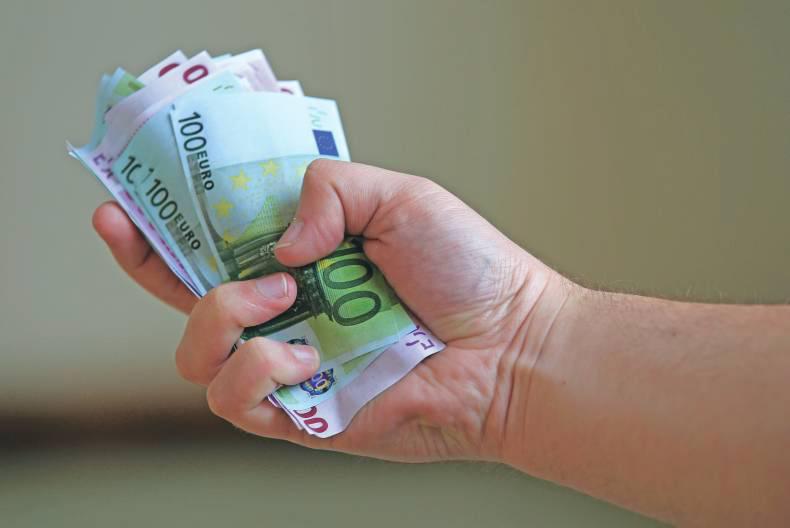
With European (ECB) interest rates at all-time lows, we see that Irish farmers are paying up to 2% more for finance on average compared with their European cousins when it comes to the cost of borrowing. Is it time for an alternative banking model, similar to those that operate in other countries?
Amid volatile commodity markets, we ask the pillar banks how credit is flowing and are there mechanisms in place to assist farmers.
Crowdfunding is a new form of financing, where businesses looking for funding can meet real people looking to lend. We profile farmers who have taken this option and examine the benefits and risks associated with using such a system.
This supplement also profiles three farmers who are making a decision around financing a new tractor. We weigh up the options, and examine the costs with each. We find that even though the zero percent banners may be enticing when you scratch beneath the surface the machinery company is typically only funding 25% of the total cost of the new tractor. The risk for the finance company is very low.
Lorcan Allen speaks to two companies who are offering alternative financing options to farmers. These innovative solutions may be useful in certain circumstances to farmers who are at their borrowing capacity with traditional sources of credit.
While the interest rates can be relatively high at over 8%, it does reflect the risk. For small loans over a short period of time it can be very relevant.
Outstanding debt levels on Irish farms fall 9% over year
The latest Central Bank figures to the end of September show that outstanding debt on Irish farms sat at €3.3bn, down 4% compared to end of September 2014. This means that average farm debt (based on 120,000 farmers) sat at €27,500 per farmer.
However, this is only debt on a particular day and it is more accurate to look at average debt over a 12-month period. Looking at this figure, outstanding debt fell 9% compared to the same 12-month period in 2014.
This means that Irish farmers have paid down on average €340m over the past year. However, we are long way off historical agri lending levels seen in 2008/2009, when lending to the sector peaked at €5.4bn.
Meanwhile, for the four quarters to end September, €643m was forwarded to farmers in new and re-structured loans. This is an increase of €43m on the same period in 2014. As we see later in this supplement, the SBCI provided €45m to the sector in 2015, which is similar to the growth level of new lending.
Irish Farmers paying more for interest than European counterparts
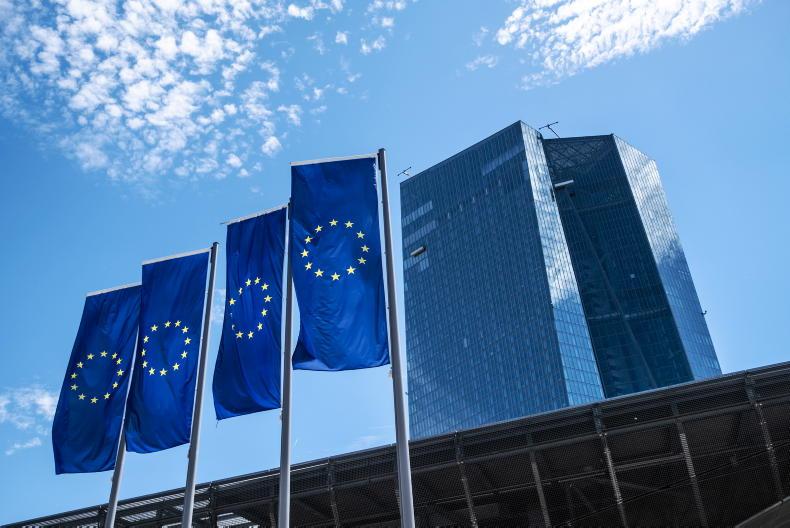
Despite a lower cost of borrowing for Irish banks, thanks to falling ECB rates, figures from the Central Bank show that while the overall interest rate charge is coming down, banks here are still charging 150-200bps (1-2%) above the eurozone average. This makes for a very unlevel playing pitch when farmers must live with global commodity prices.
To read the full Agri Finance Focus Supplement click here.




SHARING OPTIONS