Initially, the ‘Twenty ways to spend €20,000’ series was based on the likelihood of a high tax bill hitting farmers, with milk prices positive earlier in the year and weather on farmers’ side.
Now, with a slippage in prices across the board, more and more farmers will be looking at holding cash reserves for the possibility of a leaner 2026.
However, there will be a cohort of farmers still looking to spend and invest on farm to help reduce labour.
Skilled labour, particularly at peak periods (February to April) is hard found, and any addition that can be made on farm to reduce manual labour input at this busy time is very much sought after.
Automatic calf feeders
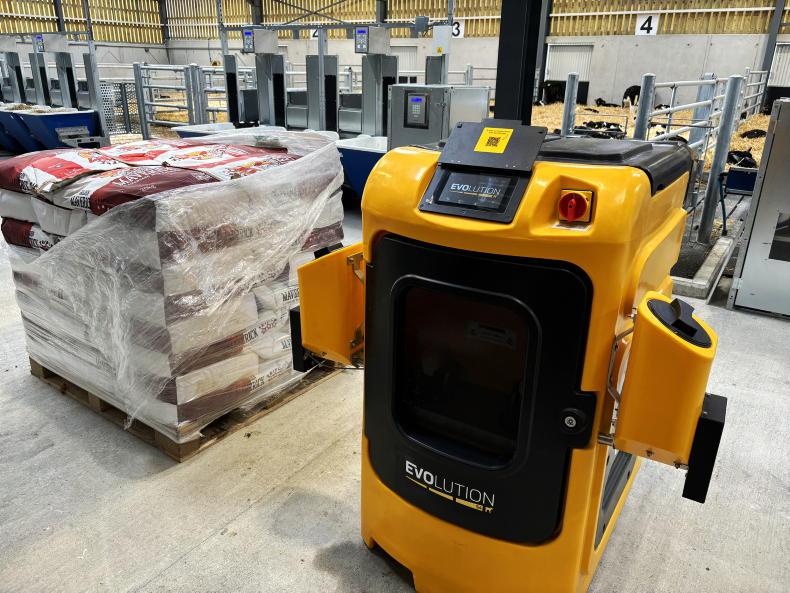
Automatic calf feeders have seen a huge surge in interest over the past few years. It’s primarily for two reasons: one being that feeding calves is a labour-intensive job, while the second is that more and more farmers look to insure themselves against a TB outbreak by upgrading calf housing facilities; with automatic calf feeders being retrofitted into older sheds or incorporated in to the design of new ones.
Teagasc has suggested that automatic calf feeders save an average of one minute per calf, per day, over twice-a-day manual calf feeding. If we take a farm with 120 calves, reared for four weeks and 36 of this number kept on as replacement heifers (30%) who will be reared for a further eight weeks, there’s a total time saving of 90 hours with a four-station feeder.
At a cost of €15/hour for labour, a saving of €1,350 is accrued. There is also the opportunity for this time to be allocated to other jobs that could add value to the farm; jobs such as grassland management or administration which haven’t been accounted for.
Based on an approximate cost of €14,100 after grant aid for a four-station feeder, it will take roughly 10 years to pay back the investment based on the labour-saving figure alone.
In a scenario where the farm is simply unable to get additional help, this payback is obviously significantly quicker.
Parlour upgrades
We realise that €20,000 won’t do much in the line of extending a parlour, never mind building one. Basic units are now at a cost of €4,000-€5,000/ unit, while higher spec ones are rising as high as €10,000/unit. What would be a more prudent spend for many farmers is upgrades to existing parlours, which will make more efficient use of time and resources.
Automatic cluster removers – €1,000/unit
Starting with the automatic cluster removers, they can be useful tools in big parlours with only one operator. They will prevent over-milking of cows and reduce the time spent removing the cluster from the cow.
On the downside, they need to be calibrated correctly to ensure they’re not coming off too early and the maintenance costs may be slightly higher for the parlour.
Cluster flush – €500/unit
The pros of cluster flush are that infection spread from cow to cow is reduced, which can help keep control of somatic cell count.
The cons are that the flush uses more water/acid and there’s a slight extra wait time as the cluster rinses. Cluster flush washed out after each cow is milked helps to reduce the spread of bacteria.
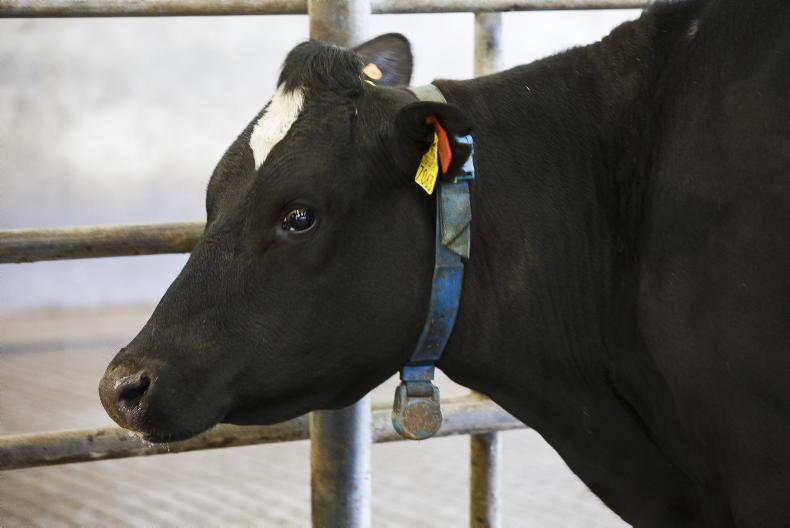
Heat detection aids such as cow collars measure activity levels, rumination and temperature to help identify when cows are in heat, while also indicating sub clinical sickness.
Milk meters – €1,300/unit
This technology offers farmers an insight into the daily yield of each cow. A big benefit of ICAR-approved milk meters, specifically is that they can be used for milk recording.
The sample is taken using the milk meter and can be tested for its fat and protein constituents. The only downside really to milk meters is the investment cost and the potential maintenance costs associated with them.
Auto feeders – €1,400/unit
In terms of value for money, the auto-feeders can definitely offer something. In the auto-feeders, the rate of feeding can be reduced to as low as 0.2kg at a time, versus the 1kg minimum in many batch feeders.
This saves a farmer feeding an extra 1.6kg of meal/cow/day. This is a big bonus in low-cost systems, which are focused on utilising grass, especially during periods of surplus.
Auto-wash, dump lines and air gates are all optional extras in new parlours. They all offer labour and time-saving opportunities, and will cost between €7,000 and €10,000 per parlour each.
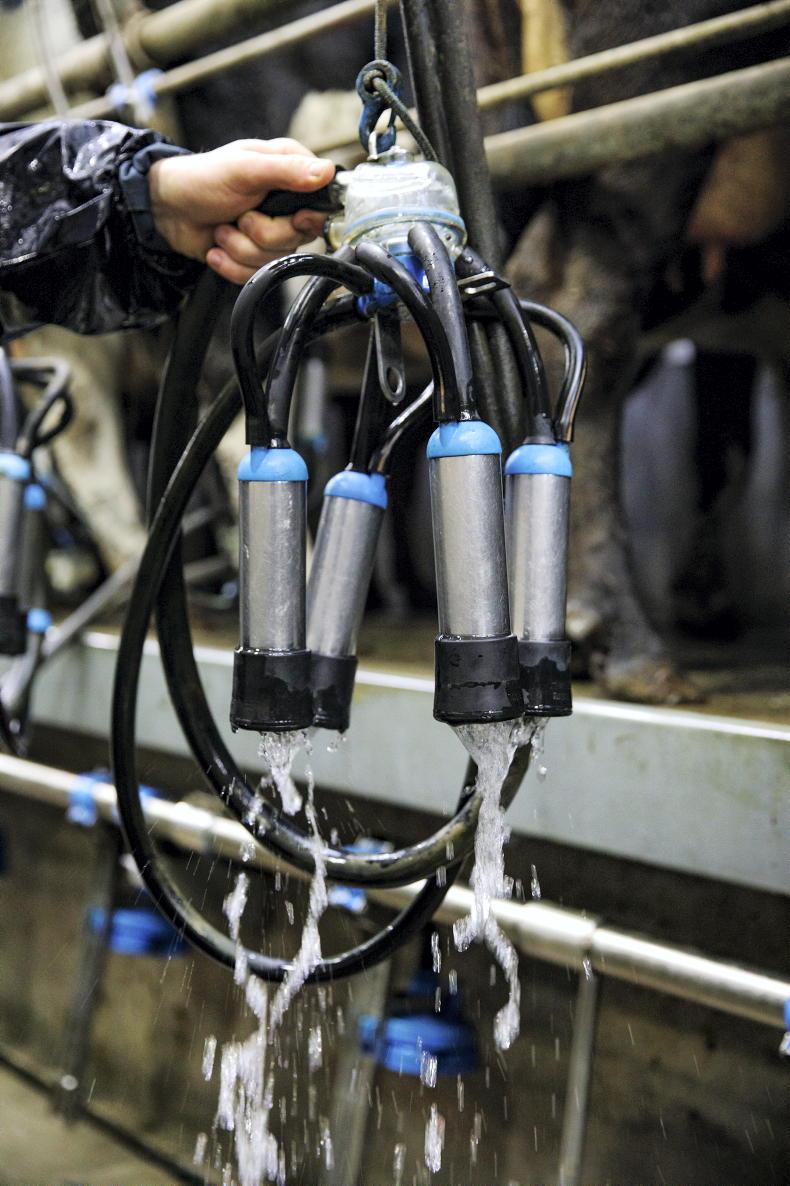
The pros of cluster flush are that infection spread from cow to cow is reduced, which can help keep control of somatic cell count. \ Donal O'Leary
Heat detection aids
Heat detection aids, such as collars and boluses, can offer a labour-saving opportunity for farmers over the course of the busy breeding season. These automated heat detection aids work by monitoring different markers, such as cow activity levels, rumination and temperature changes. While identifying cows in heat, most detection aids can also aid in identifying cows on the point of calving and sick animals before they become clinical cases.
Heat detection aids will not correct poor conception rates if there is an underlying issue with fertility or nutrition, but they will significantly reduce the labour associated with heat detection in herds using mostly AI.
Taking a typical cow herd size of 100 cows, the following is a rough break down of the costs, based off a battery life in a collar of five to seven years.
The first step is purchasing a base station with a cost of approximately €3,700 for one unit including VAT @23%. The collars typically cost around €166/cow including VAT, but each manufacturer has different prices. In a 100-cow herd, you’re looking at an investment in the region of €20,300 upfront.
A TAMS grant is available on collars up to 120 cows. If we consider a TAMS grant of 40% on the reference cost of €112.25 per unit and €2,833 for the base station, the total amount that can be claimed back on the €20,300 investment is €5,623.
This means that the total cost will be €14,677 including VAT for 100 cows based on the guideline prices. The collars last five to seven years, so if we take it as five, the cost spread over five years gives you a cost of €2,935 per year, or €29.35/cow.
It can be hard to put a price on exactly how much value a heat detection system will give a farm, as it will depend on current fertility and heat detection methods.
One thing that has been mooted by many farmers as being an advantage of heat detection aids is that sweeper bulls can be removed from the system, with 100% AI used. With a stock bull costing up to €1,000/year to maintain, never mind the outlay to purchase him, this should be factored in to any decision being made.
Initially, the ‘Twenty ways to spend €20,000’ series was based on the likelihood of a high tax bill hitting farmers, with milk prices positive earlier in the year and weather on farmers’ side.
Now, with a slippage in prices across the board, more and more farmers will be looking at holding cash reserves for the possibility of a leaner 2026.
However, there will be a cohort of farmers still looking to spend and invest on farm to help reduce labour.
Skilled labour, particularly at peak periods (February to April) is hard found, and any addition that can be made on farm to reduce manual labour input at this busy time is very much sought after.
Automatic calf feeders
Automatic calf feeders have seen a huge surge in interest over the past few years. It’s primarily for two reasons: one being that feeding calves is a labour-intensive job, while the second is that more and more farmers look to insure themselves against a TB outbreak by upgrading calf housing facilities; with automatic calf feeders being retrofitted into older sheds or incorporated in to the design of new ones.
Teagasc has suggested that automatic calf feeders save an average of one minute per calf, per day, over twice-a-day manual calf feeding. If we take a farm with 120 calves, reared for four weeks and 36 of this number kept on as replacement heifers (30%) who will be reared for a further eight weeks, there’s a total time saving of 90 hours with a four-station feeder.
At a cost of €15/hour for labour, a saving of €1,350 is accrued. There is also the opportunity for this time to be allocated to other jobs that could add value to the farm; jobs such as grassland management or administration which haven’t been accounted for.
Based on an approximate cost of €14,100 after grant aid for a four-station feeder, it will take roughly 10 years to pay back the investment based on the labour-saving figure alone.
In a scenario where the farm is simply unable to get additional help, this payback is obviously significantly quicker.
Parlour upgrades
We realise that €20,000 won’t do much in the line of extending a parlour, never mind building one. Basic units are now at a cost of €4,000-€5,000/ unit, while higher spec ones are rising as high as €10,000/unit. What would be a more prudent spend for many farmers is upgrades to existing parlours, which will make more efficient use of time and resources.
Automatic cluster removers – €1,000/unit
Starting with the automatic cluster removers, they can be useful tools in big parlours with only one operator. They will prevent over-milking of cows and reduce the time spent removing the cluster from the cow.
On the downside, they need to be calibrated correctly to ensure they’re not coming off too early and the maintenance costs may be slightly higher for the parlour.
Cluster flush – €500/unit
The pros of cluster flush are that infection spread from cow to cow is reduced, which can help keep control of somatic cell count.
The cons are that the flush uses more water/acid and there’s a slight extra wait time as the cluster rinses. Cluster flush washed out after each cow is milked helps to reduce the spread of bacteria.

Heat detection aids such as cow collars measure activity levels, rumination and temperature to help identify when cows are in heat, while also indicating sub clinical sickness.
Milk meters – €1,300/unit
This technology offers farmers an insight into the daily yield of each cow. A big benefit of ICAR-approved milk meters, specifically is that they can be used for milk recording.
The sample is taken using the milk meter and can be tested for its fat and protein constituents. The only downside really to milk meters is the investment cost and the potential maintenance costs associated with them.
Auto feeders – €1,400/unit
In terms of value for money, the auto-feeders can definitely offer something. In the auto-feeders, the rate of feeding can be reduced to as low as 0.2kg at a time, versus the 1kg minimum in many batch feeders.
This saves a farmer feeding an extra 1.6kg of meal/cow/day. This is a big bonus in low-cost systems, which are focused on utilising grass, especially during periods of surplus.
Auto-wash, dump lines and air gates are all optional extras in new parlours. They all offer labour and time-saving opportunities, and will cost between €7,000 and €10,000 per parlour each.

The pros of cluster flush are that infection spread from cow to cow is reduced, which can help keep control of somatic cell count. \ Donal O'Leary
Heat detection aids
Heat detection aids, such as collars and boluses, can offer a labour-saving opportunity for farmers over the course of the busy breeding season. These automated heat detection aids work by monitoring different markers, such as cow activity levels, rumination and temperature changes. While identifying cows in heat, most detection aids can also aid in identifying cows on the point of calving and sick animals before they become clinical cases.
Heat detection aids will not correct poor conception rates if there is an underlying issue with fertility or nutrition, but they will significantly reduce the labour associated with heat detection in herds using mostly AI.
Taking a typical cow herd size of 100 cows, the following is a rough break down of the costs, based off a battery life in a collar of five to seven years.
The first step is purchasing a base station with a cost of approximately €3,700 for one unit including VAT @23%. The collars typically cost around €166/cow including VAT, but each manufacturer has different prices. In a 100-cow herd, you’re looking at an investment in the region of €20,300 upfront.
A TAMS grant is available on collars up to 120 cows. If we consider a TAMS grant of 40% on the reference cost of €112.25 per unit and €2,833 for the base station, the total amount that can be claimed back on the €20,300 investment is €5,623.
This means that the total cost will be €14,677 including VAT for 100 cows based on the guideline prices. The collars last five to seven years, so if we take it as five, the cost spread over five years gives you a cost of €2,935 per year, or €29.35/cow.
It can be hard to put a price on exactly how much value a heat detection system will give a farm, as it will depend on current fertility and heat detection methods.
One thing that has been mooted by many farmers as being an advantage of heat detection aids is that sweeper bulls can be removed from the system, with 100% AI used. With a stock bull costing up to €1,000/year to maintain, never mind the outlay to purchase him, this should be factored in to any decision being made.
SHARING OPTIONS