


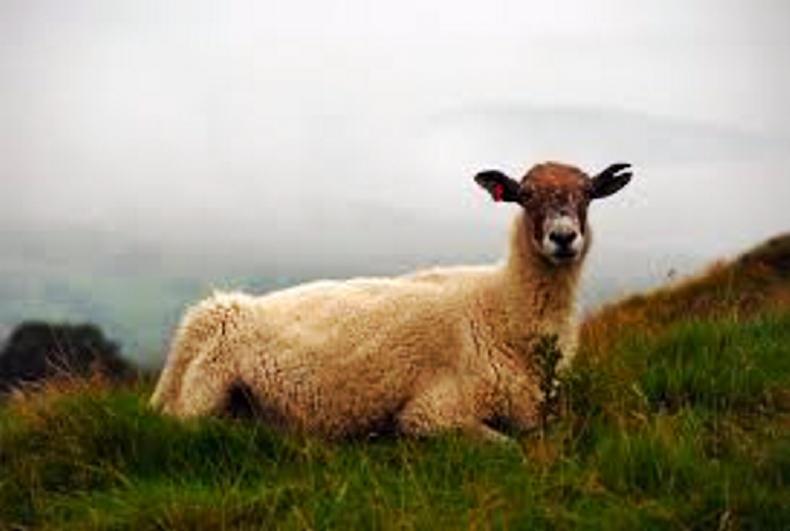
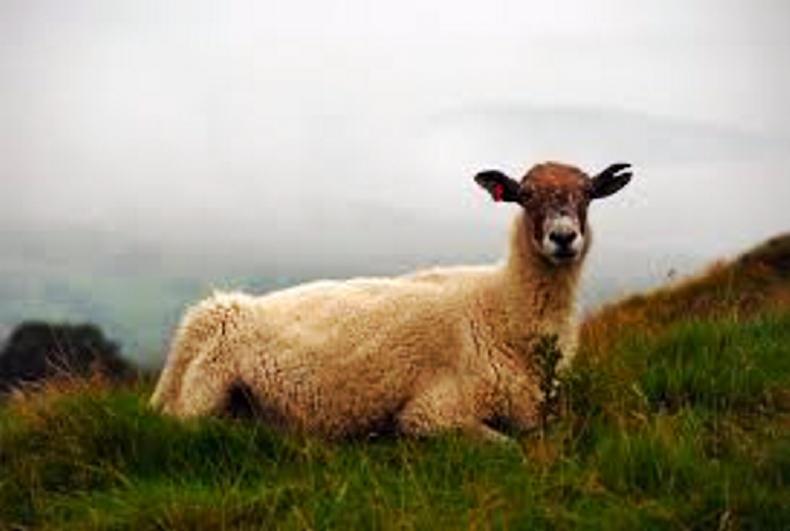
Copper deficiency is a common disease which affects both cattle and sheep. The effects of copper deficiency are mainly subclinical, such as poor thrive, reduced milk yields and fertility issues. It can also lead to swayback in young lambs.
Cause
In Ireland, the most common cause of copper deficiency is not an actual lack of copper in soil and herbage, but rather an excess of molybdenum, also a mineral found commonly in Irish soil. Molybdenum chelates or binds up copper both in soil and in the animal’s rumen, leading to decreased availability of copper to the animal.
During periods of heavy rain the soil gets waterlogged and the molybdenum uptake in grass increases. It is this excessive level of molybdenum in the diet that limits copper absorption and therefore causes a deficiency.
Copper is essential for the function of many enzymes (biological chemicals) in the body, and evidence of dysfunction of these systems may be seen in the skin and haircoat (eg failure of pigmentation, where a black coat becomes brown).
Symptoms
Copper deficiency is associated with illthrift, poor growth and changes in coat colour in cattle. Classically, dark hairs become light, particularly around the eyes, giving animals a “spectacled” appearance.
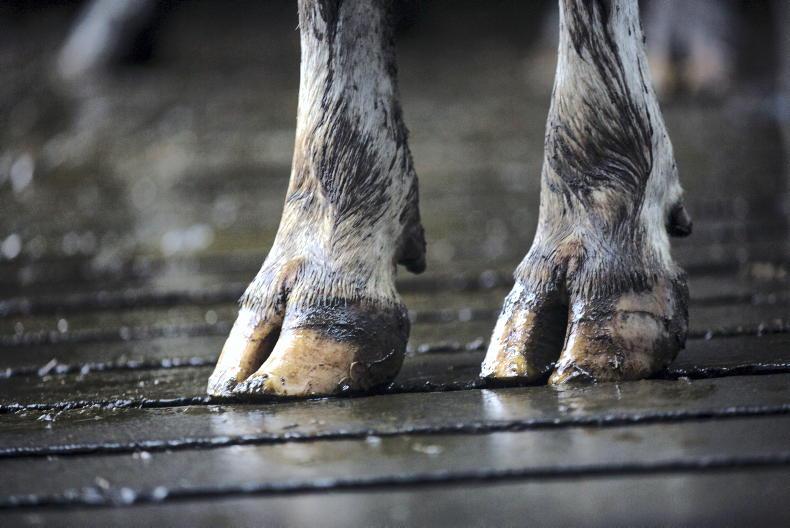
Black haired animals often have a rusty coloured coat. It must be remembered, however, that many other causes of poor thrive, eg parasites and poor nutrition, will also lead to poor coat colour. Severe copper deficiency can also lead to diarrhoea, especially in younger animals, as well as lameness in calves. This lameness occurs due to pain and swelling of the growth plates in the long bones of the legs (physitis) and may be seen as swellings above the fetlock joints of calves or weanlings. Deficiency can also lead to the birth of stillborn calves.
Copper deficiency has also been associated with infertility including cows not coming back into heat or having silent heats, although other factors such as negative energy balance and heat detection are usually more important. In sheep, copper deficiency also leads to poor thrive as well as anaemia and loss of wool crimp.
Treatment
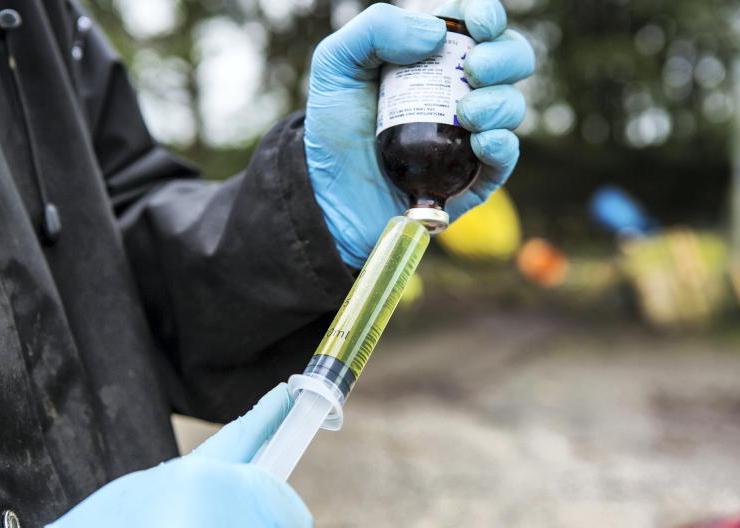
Copper deficiency can be treated either by the injection of copper or more commonly by supplementation of copper in the diet. The availability of copper injections varies from year to year and so consultation with your veterinary practitioner is recommended if this is your preferred method of treatment/prevention. The advantage of the injection is that you can correct any deficiency in a short space of time.
Protection against copper deficiency, however, lasts for a shorter time period than for boluses (weeks rather than months). It is crucial to remember that sheep are highly susceptible to copper toxicity, which is highly fatal, and so great care must be taken when injecting copper or supplementing the diet of sheep. A copper deficiency should be confirmed by laboratory tests before embarking on copper supplementation in sheep.
Prevention and control
The use of copper boluses is a valuable and successful means of supplying copper to cattle, as is the feeding of concentrates with additional copper. The use of mineral licks is another option for supplementation however it is not as reliable as a supplementation method in cattle.



SHARING OPTIONS