


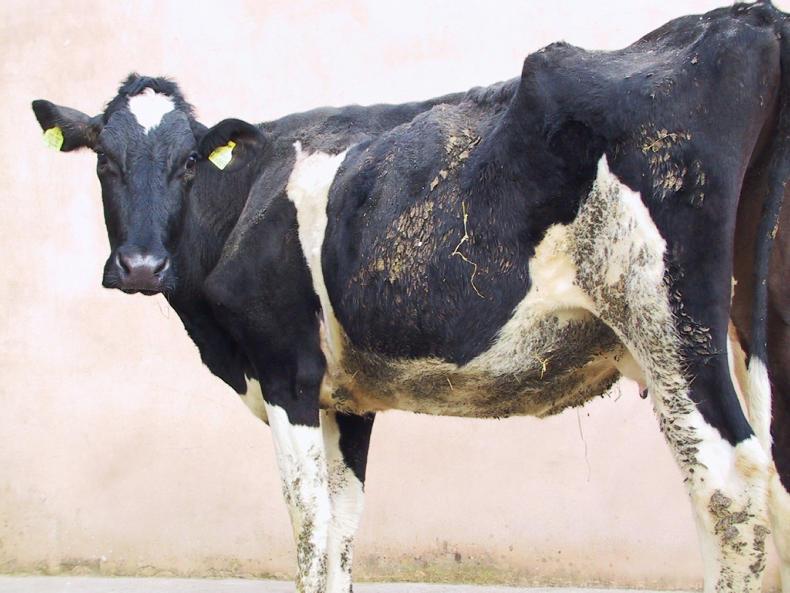
Liver fluke infestation is much more common where there are warm (>10°C) and wet conditions. The disease is usually seen in the autumn and winter in Ireland.
Cause
The life cycle of liver fluke is very important when it comes to understanding the spread of the disease. The mud snail is an important component to the life cycle, acting as an intermediate host for the parasite. Wet conditions favour the survival of the snail as well as the parasite itself, hence the dramatic rise in prevalence of liver fluke during a wet year.
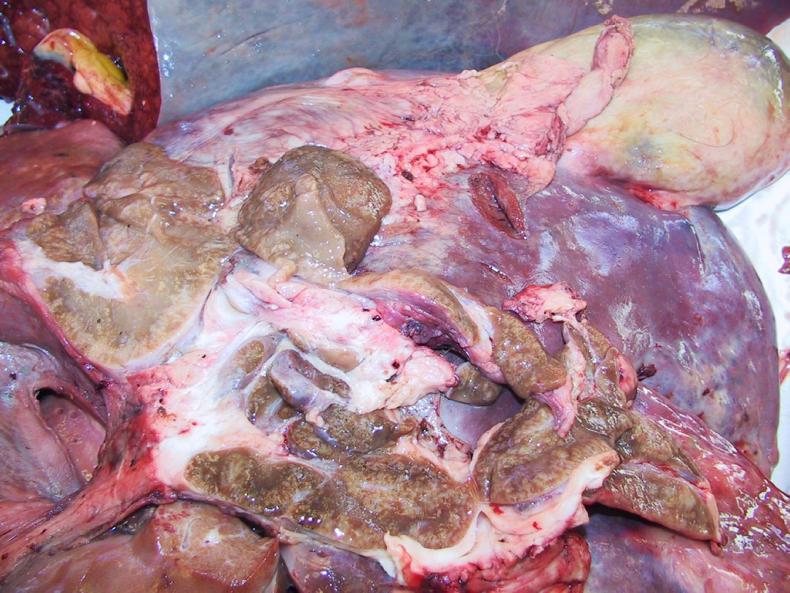
Following ingestion of the parasite by cattle from infected pasture, the fluke migrate from the intestines to the liver and from there to the bile ducts and gall bladder. The adult fluke lay eggs that are then passed out in the dung to re-infect pasture. If June and July in particular are wet, then all the fluke eggs that have been passed on to the pasture from the previous December hatch at the same time as the snail population increases, leading to a massive production of immature fluke on the pasture. When the cows ingest these early immature fluke, it takes up to three months for them to develop to adults in the liver and biliary system. Therefore, in many herds there may be no significant disease seen until after November.
Symptoms
The adult liver fluke suck blood and this blood loss leads to anaemia and animals looking in poor condition, with rough coats. It can also lead to a reduced thrive in animals. Some chronically infected animals with heavy fluke burdens develop bottle jaw due to reduced blood protein.
In dairy cows, liver fluke will depress milk protein and heavy infestations can depress milk yield. It can commonly be involved, along with malnutrition, as one of the factors causing weight loss and recumbency in suckler cows prior to calving. Liver fluke can cause diarrhoea but worms are a much more common cause. The ability of liver fluke to cause immunosuppression in cattle is now well documented and more and more research is pointing to its importance in increasing the susceptibility of cattle to other diseases, such as salmonella.
Treatment
Diagnosis of liver fluke infection is made by laboratory analysis of a representative number of dung samples from at-risk groups or individual animals with clinical signs. However, due to the long period before eggs appear in the faeces, a negative faecal egg count does not rule out infection. In dairy herds, fluke antibodies can now be detected in bulk milk samples and this test provides a useful monitoring tool to assess the on-going level of fluke in the herd and also the response to treatment with flukicides.
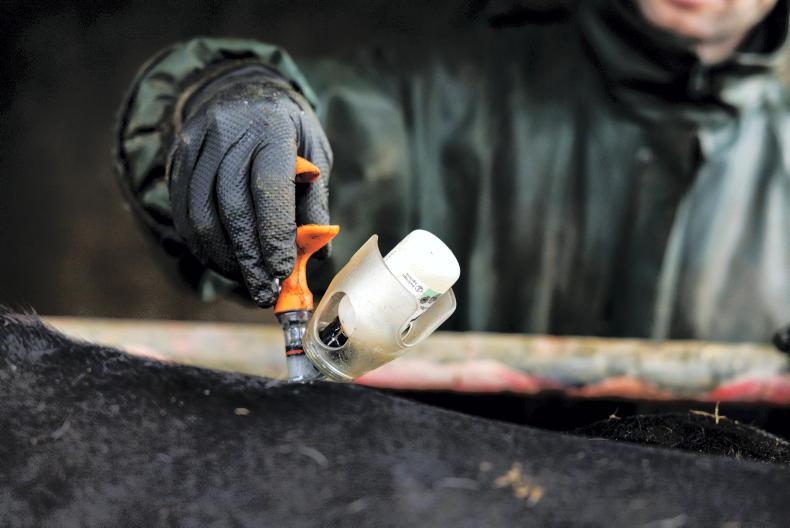
There are a number of flukicides on the market which kill different stages of liver fluke parasites, however some may only kill adult liver fluke so it is important that animals receive two treatments where necessary. There are a limited number of flukicides available for use in dairy cows and replacement heifers so it is important to consult with your vet before using any fluke products on these animals.
Prevention and control
While good targeted treatment will help to control fluke burdens on farms, the other main method of control is to reduce the snail habitats. Snails like wet environments and so drainage of land and fencing off of ponds or marshy ground can help reduce spread. The mud snails do not like acidic soil conditions and so the application of lime can actually favour their survival and multiplication, with a resultant increase in fluke on the farm. Adverse conditions such as very cold winters and very dry summers are detrimental to snail survival and do not allow fluke to multiply.
Factory reports, where available, should be used when assessing the fluke burden on your farm. Some factories will give a simple assessment of whether each individual animal has a liver fluke burden or not.





SHARING OPTIONS