




In-calf heifers: With only weeks to go before the main calving season begins, it’s good practice to get in-calf heifers trained up to the milking parlour before they start calving.
There is nothing worse than having a freshly calved heifer that is too afraid to go into the parlour. It wastes time and tests patience, and the end result is that the heifer and other animals get even more frightened of the experience.
I think in general heifers have become a lot quieter over the last decade, whether that’s through genetics or management, I’m not sure.
Run them through the parlour for a week or more, giving them some meal and make sure they are comfortable walking in. While they are in the parlour, it’s good practice to spray teats with teat spray, as this has been shown to be an effective way of reducing mastitis-causing pathogens.
Don’t forget that in-calf heifers also need to be given pre-calving minerals. It’s also good practice to mix the heifers in with the main herd prior to calving. It can help to reduce stress on heifers after calving, as they will have already secured their pecking order in the herd.
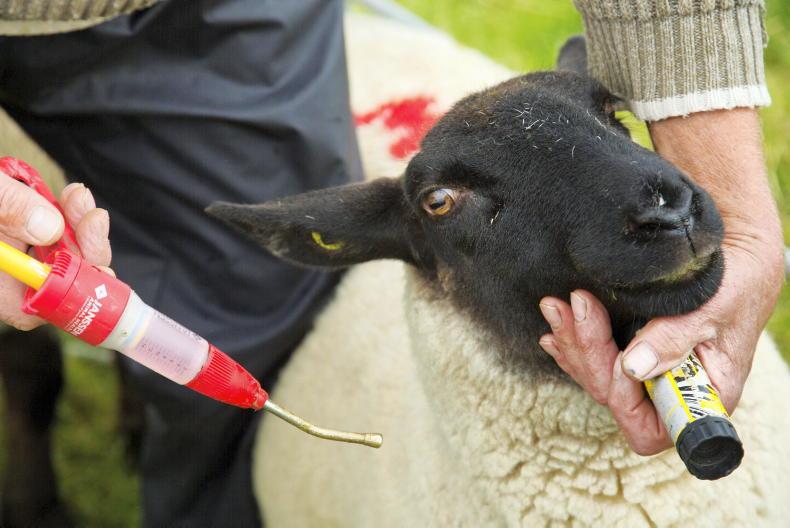
Dosing: Winter dosing regimes on dairy farms revolve around covering for the parasites present in the herd. These include lice/mites, worms, liver fluke and rumen fluke. If the parasites aren’t present, or aren’t causing a problem then they shouldn’t be dosed for them.
For farmers that take part in the bulk tank herd health screens, they will have good information on what parasites their herd is exposed to. Faecal egg counts are also effective at detecting most parasites, with the exception of lung worm.
Rumen fluke will often show up as present in faecal egg counts, even in healthy animals. As the options available for treating rumen fluke are very limited, talk to your vet before considering dosing for rumen fluke.
I’ve heard vets say before that rumen fluke is something that can be dosed for every three or four years where it is present, but not causing any symptoms. Broad spectrum worm and fluke doses are available, but these generally only cover adult liver fluke. The Irish Farmers Journal has a new app to make scheduling dosing and vaccinations easier. See www.farmalert.ie.
Milking equipment: This week’s Focus is about milking equipment. With the sharp drop in milk price over the last few months, farmers are having second thoughts about spending money on capital expenditure.
This is understandable given the likely impact on cashflow for most of next season.
In reality, anyone that’s planning a big project should not be put off by fluctuations in milk price as these should be expected.
An investment in improved milking facilities is a good idea if it cuts down on workload, speeds up milking and allows farmers to catch up on other tasks or take time off.
However, it must be recognised that the cost of equipment and facilities is far higher now than ever. The thing to remember is that capital items should be financed over a long period, unless there is cash available to pay outright.


SHARING OPTIONS