BEEF2026 will showcase a wide range of practical, visual demonstrations designed to support beef farmers across all production systems.
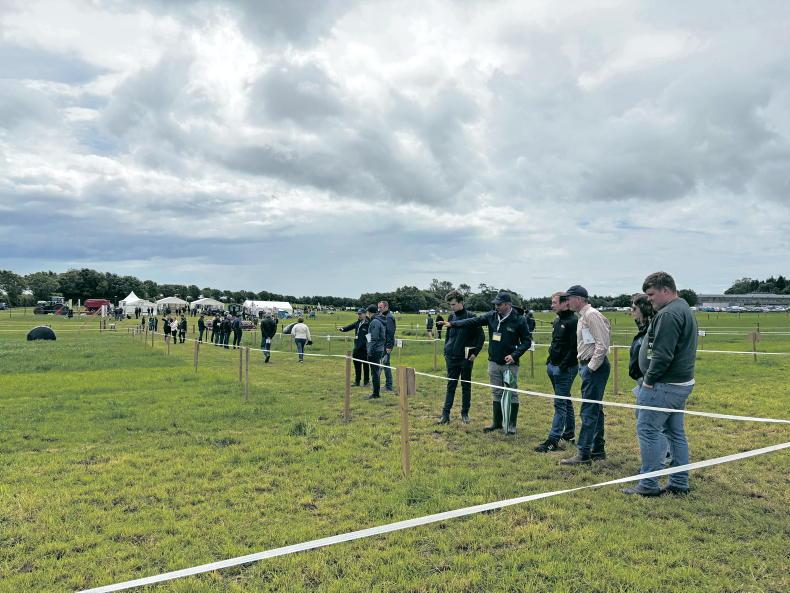
Visitors will have the opportunity to move through a number of dedicated information villages, each focusing on a key area of beef farming in Ireland.
These will include suckler beef systems, dairy calf-to-beef systems, growing and finishing cattle, education and training opportunities, organics, forestry and meat quality. Whether you are operating a suckler enterprise, rearing dairy-beef calves, buying and selling store cattle, or finishing cattle, there will be relevant information, practical advice and live demonstrations to suit your farm business.
Farmers are encouraged to visit the villages, engage with Teagasc researchers, specialists, advisors, and industry experts, and take home practical ideas that can help improve the technical and financial performance of their beef enterprise.
Forage village
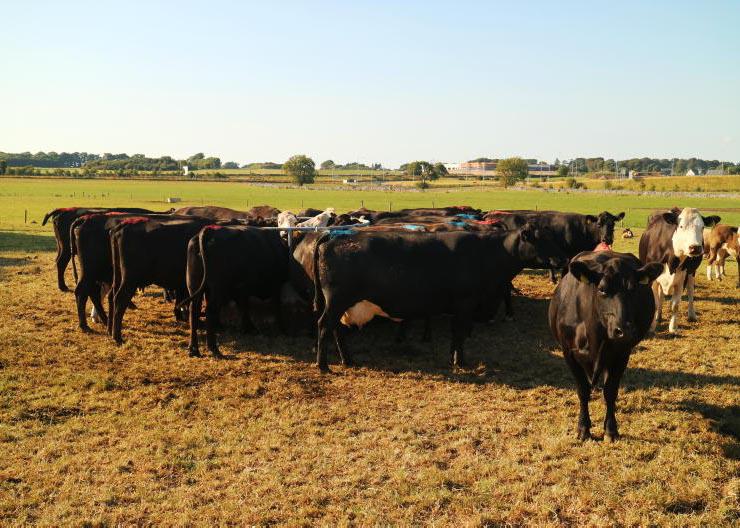
Grazed grass remains the cheapest feed available on Irish beef farms, whether in suckler or dairy-beef systems. Yet many farmers leave valuable liveweight gain behind during the grazing season.
The Forage Village will focus on practical, hands-on demonstrations that show you how to make better use of grass and improve animal performance from pasture. One demonstration will highlight how managing pre-grazing and post-grazing sward heights can improve grass utilisation and support higher cattle weight gains from pasture and how this can result in reducing the level of supplementary feeding required during the finishing period.
With recent variation in grass growth this demo will identify common problems farmers are facing at this time of the year – to take out paddocks for silage or keep them for grazing?
The demo will highlight the right time to take these paddocks out for silage and provide guidance on the best way to maintain correct pre-grazing covers to maximise cattle weight gain. It will also showcase the extra live weight gain that cattle can achieve grazing grass-clover v grass-only swards and the savings that this can provide in fertiliser and winter feeding.
Additional practical demonstrations in the forage village will include over-sowing white clover, wilting red clover, fertiliser spreader calibration, soil fertility, practical measures to improve water quality and fencing techniques.
How to earn an additional €10,000 on your 100-acre beef farm by committing to a five-year liming cycle: learn how you can apply a liming plan to your farm to make an extra €10,000. What to apply, when to apply, how much to apply, what is the fertiliser saving? Join us in the Forage Village to learn more about how lime can boost your profitability.
Suckler village
In today’s beef industry, efficiency drives profitability. Every extra day a heifer remains uncalved, every cow that slips beyond a 365-day calving interval and every extended calving season adds cost to the system and reduces overall farm performance and profitability.
So how can farmers improve breeding efficiency while reducing labour demands?
Visitors to the Suckler Beef Village will see how oestrous synchronisation and timed artificial insemination (TAI) can help deliver more compact calving seasons, improved herd performance and greater labour efficiency. By reducing the need for heat detection and allowing breeding to be planned around farm workloads, synchronisation offers a practical solution for suckler farmers.
Members of the Future Beef team, advisors and researchers will be on hand to discuss the key principles to operate an efficient suckler system, the economic performance of farmers within the programme and the performance of the Newford demonstration farm
The benefits are higher submission rates, compact calving patterns and a more uniform group of calves. When combined with AI, farmers can access some of the industry’s top genetic sires with proven calving ease, fertility and maternal performance, without the cost and management challenges associated with keeping a stock bull.
A focus on the day will be achieving the target of calving heifers at 24 months of age. Earlier calving allows heifers to become productive sooner, improves lifetime output and can have a major impact on the profitability of the suckler enterprise.
Members of the Future Beef team, advisors and researchers will be on hand to discuss the key principles to operate an efficient suckler system, the economic performance of farmers within the programme and the performance of the Newford demonstration farm.
Explore the Health & Welfare stands with practical insights on vaccination, bluetongue, calving management, calf survival, castration, disbudding and weaning. Take home practical, on-farm solutions to improve efficiency, animal health and profitability.
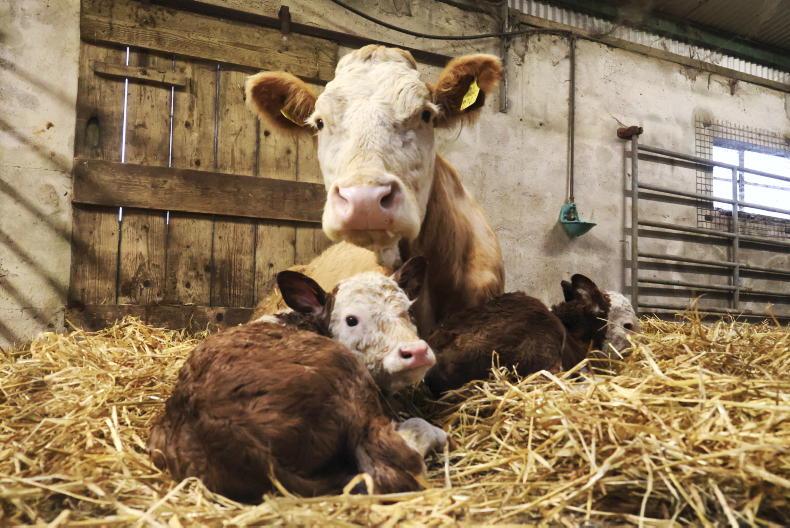
Dairy calf-to-beef village
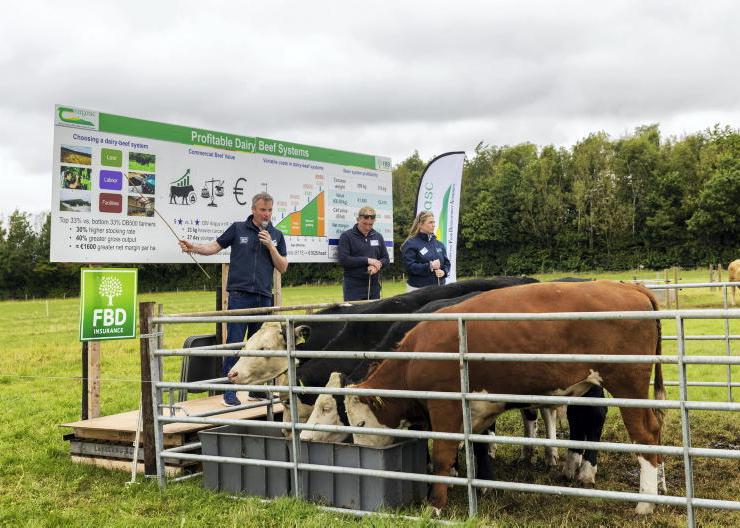
Dairy-beef is now an integral part of Irish food production, accounting for 62% of beef output. Profitable dairy-beef systems rely on the correct decisions around animal genetics, health and grassland management and animal performance from the beginning.
At the Dairy-Beef Village, farmers will see practical, hands-on demonstrations that illustrate how to make better use of genetic selection tools and improve animal performance in the first six months of life.
A series of demonstrations will highlight the economic and environmental performance of dairy-beef steer and heifer systems. The demonstrations will highlight the benefits of the Commercial Beef Value and there will also be a ‘CBV’ clinic in conjunction with the Irish Cattle Breeding Federation (ICBF) to identify calves with the highest profit potential.
Attendees will get practical advice on the principles of successful calf rearing, weaning and the importance of a smooth transition to grass. A special calf health demonstration will focus on disease prevention, vaccination protocols and a dedicated calf health clinic to answer your animal health related questions on the day.
Members of the DairyBeef500 team will be available to discuss the economic performance of farmers within the programme, and the key principles in place by the top performers, in addition to the performance of the Tipperary Dairy Calf to Beef demonstration farm.
Growing and finishing village
Knowing when cattle have reached their target finish is one of the most important skills in profitable beef production. At BEEF2026, farmers will have the opportunity to see a live cattle-handling and finishing demonstration, with Teagasc specialists, advisors and meat factory procurement personnel outlining the key indicators used when drafting cattle to maximise carcase value and farm profit.
This demonstration will provide an overview on carcase fat cover assessments, including understanding fat scores and grades, and meeting the requirements of the Quality Payment Scheme (QPS).
The demonstration will highlight the economic consequences of keeping cattle too long, including increased feed costs, poorer feed efficiency and potential penalties associated with excessive carcase fatness.
Recent findings from the BeefQuest project have shown that many animals are failing to achieve target growth rates, delaying age at finish and reducing overall system efficiency.
The Growing and Finishing Village will demonstrate how improved decision-making around nutrition, animal performance and drafting strategies can help farmers achieve more efficient finishing systems.
Additional demonstrations and exhibits will cover winter and finishing nutrition, growth-rate targets, animal health management, space allowance requirements, finishing budgets and the latest Teagasc research on feed additives.
Farmers attending BEEF2026 will leave with practical tools to improve profitability while reducing the environmental footprint of beef production.
Advisory, education and opportunities village
Anaerobic digestion (AD) is a biological process whereby biogas is produced from the fermentation of organic matter in a sealed vessel. An important additional output of AD is digestate, which is a high nutrient-value slurry that remains after the digestion process.
You can visit the Grange AD plant, a pilot-scale operation that uses grass silage and cattle slurry to produce biogas. You will see how we can estimate biogas production from different types of grass silage and slurry in the laboratory. This allows us to screen the best possible feedstocks for biogas production before using them in our AD plant. We will explain how supplying animal slurry to AD plants can help the agricultural sector reduce emissions from slurry storage and management on livestock farms.
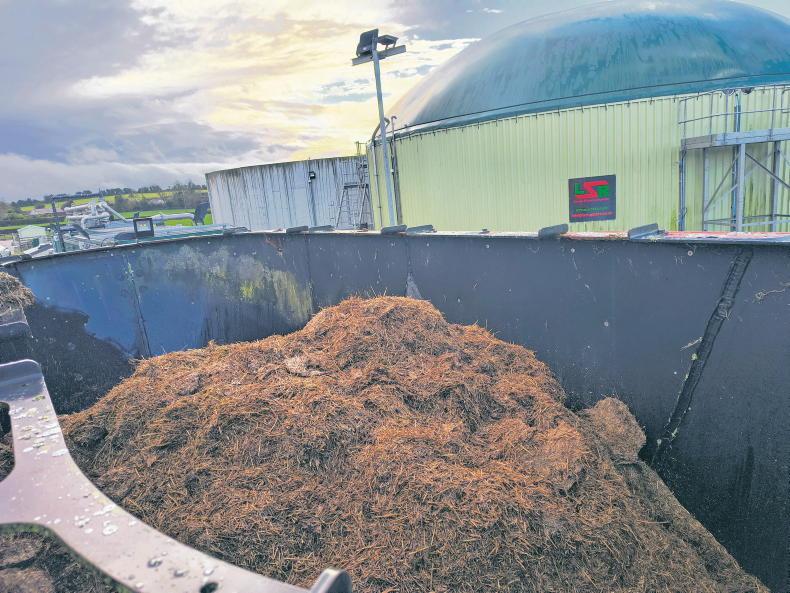
You will see the results of research where we have shown: how can AD help farms diversify their enterprises and further increase farm incomes? How can we get the best value from digestate, and what other products can an AD plant generate? The answer to this last question might surprise you! To learn about the impact of AD in the agri-economy, check out the AD stand.
AgTech village
Across all the challenges facing Irish agriculture, the adoption of technological solutions will play an increasingly important role in overcoming them. Once again this year for BEEF2026 we have teamed up with AgTech Ireland to showcase some of the technologies that are available to Irish farmers.
The technologies on display range widely in application, including various devices and digital technologies. This is an opportunity for farmers to see the latest developments in the agtech sector and to give feedback to the companies without the sales pitch. From GPS technologies, livestock management, digital record keeping and renewable energy solutions, the AgTech Village at BEEF2026 will showcase technologies designed to improve efficiency and reduce costs on Irish farms.
If you’re interested in seeing some of the latest digital technologies whether large or small, GyPSy, Herdwatch, Moonsyst and Reap Interactive are among the companies you may be interested in seeing. Alongside them, there will be more traditional equipment with Advantage Feeders, Dairypower, Easyfix, Forcefield and Mullinahone Co-op among the companies present. If energy is your area of interest, Cycle0 and Local Power will display their technologies for renewable energy solutions for agriculture.
However, the agtech sector is not just about physical equipment. With this in mind Germinal and FRS Co-op will also be present on the day.
Farming and lifestyle village
The farming and lifestyle village at BEEF2026 will feature a variety of organisations and exhibits with information, advice and support for farmers and farm families.
One of the highlights of the village will be free health checks provided by the IFA-Croi Farmer Health Check programme which is funded by the Department of Agriculture, Food and Marine. If you or someone you know has experienced a serious injury or sudden death within a farm family, please visit Embrace FARM to talk and learn about the supports they have available.
Mental Health Ireland and Samaritans will also be available to talk about the free support, education and information services they can each provide if you or a loved one is impacted by poor mental health and wellbeing.
The Health and Safety Authority will be available to provide tips and advice on management of safety on the farm and talk about any queries or concerns you have in this area.
For children there will be farm safety-focused activities, interactive farm safety games and worksheets provided by Agrikids.
Live demos
Live demonstrations will take place to highlight good practice tips for managing an ATV (all-terrain vehicle), use of animal handling equipment, how to stay safe around tractors and machinery and managing safety during on-farm construction, farm maintenance and working at height.
Safe use of a telescopic loader on the farm will also be demonstrated and information on mandatory training for telescopic loader operators.
Teagasc advisers will be available to provide tips focused on ways to organise and manage a sustainable workload and work safely.
Industry village
The Industry Village at BEEF2026 will bring together a broad range of organisations from across the Irish agri-food sector, offering visitors the opportunity to connect with industry experts.
Exhibitors will include Irish breed societies, breeding and AI companies, meat processors, producer groups and leading agri-companies, all on hand to discuss innovations, opportunities and practical solutions for farmers.
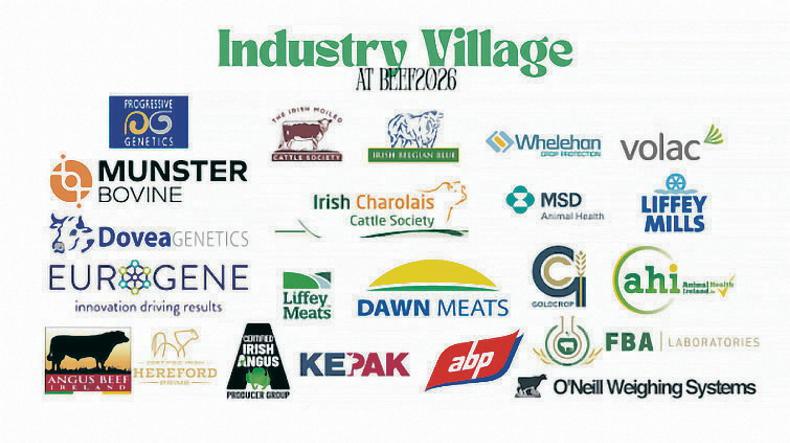
Be sure to visit the industry village and explore the full range of exhibitors.