


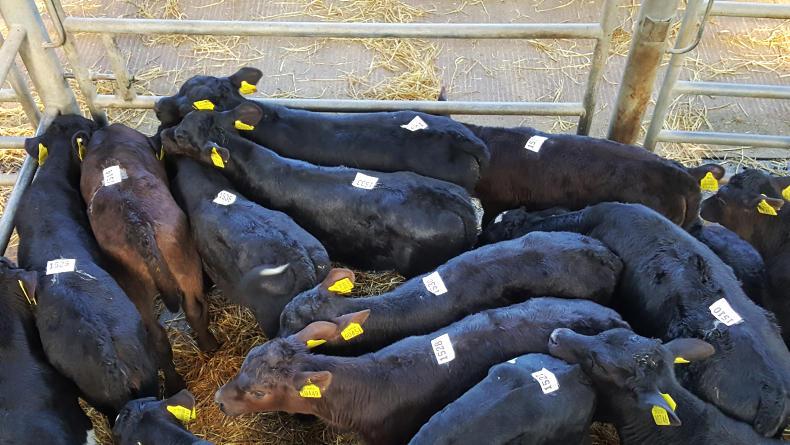
With Irish cattle numbers growing following the ending of milk quotas in 2017, anything that takes cattle out of the mainstream market is an option worth considering.
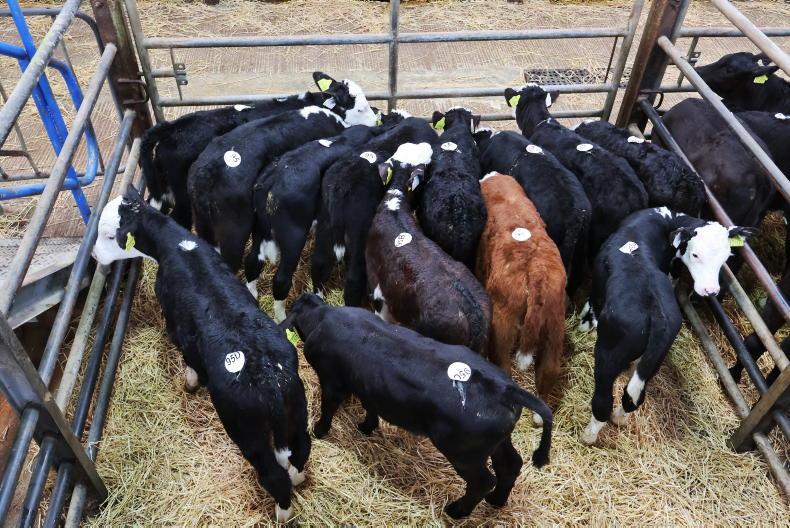
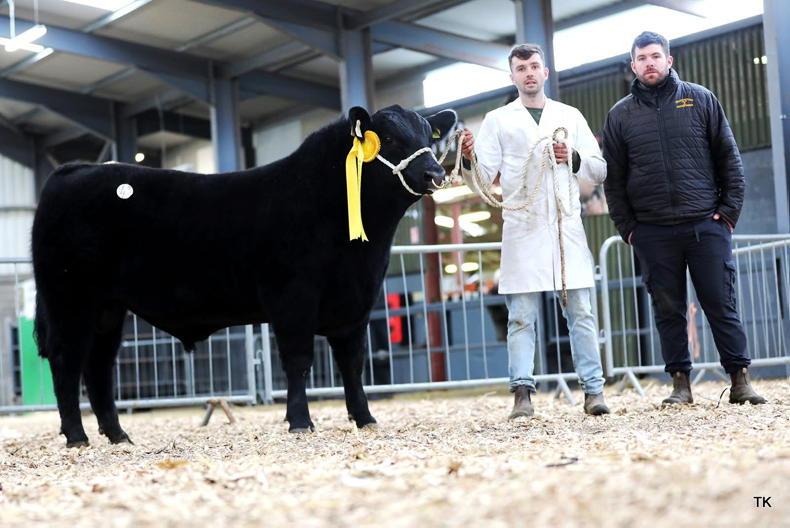
Top among the options of doing something different has been the growth in speciality or traditional breeds. Aberdeen Angus is the most common, though Herefords have also been growing in popularity over the past couple of years and a Shorthorn scheme was also launched in the middle of last year.
These breeds used to be the backbone of the sucker beef industry before the arrival of the heavier, more muscular continental breeds at the end of the 1960s.
Retro beef boom
This retro beef has found a place in the beef production system for a combination of reasons. It doesn’t grow as big or as muscular (generally), but several plants carry a price premium that compensates for the reduced performance. They can also be early maturing and hence finish quicker, very often off grass with little if any meal added to the diet.
They are also associated with lower maintenance, requiring less calving assistance and management, which is an attraction to part-time farmers that may not always be on hand at calving.
Similarly, ease of calving and possibility of a bonus has an attraction to dairy farmers, as their priority is to get the cow back in calf. However, there is a problem with these traditional breeds coming from dairy cows in that they are frequently just too plain and often fail to make minimum slaughter weights.
These traditional breeds aren’t a quick-fix solution for lack of profitability in the cattle trade. Rather they are an alternative that usually demands more administrative work with pre-booking and often scheme membership, though less assistance may be required at calving as well as less maintenance or dehorning.
They have a place in the market, as they have achieved a level of popularity with consumers who look for something different in a mainstream product.
Common requirements
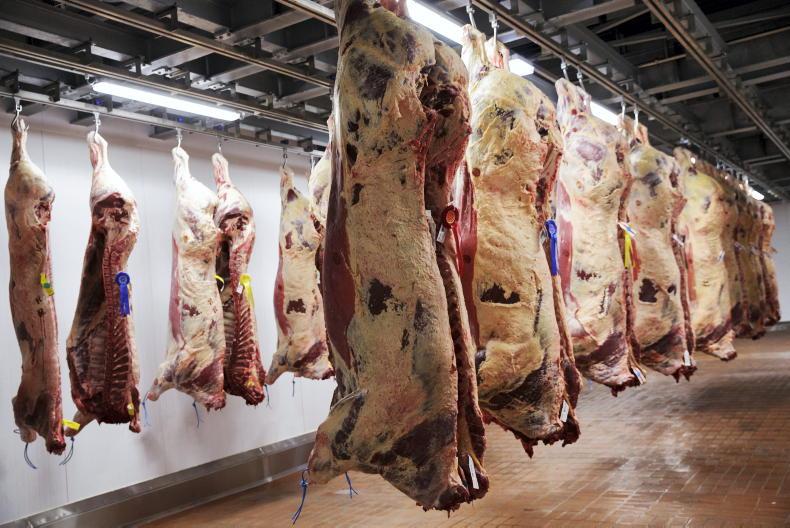
Most, if not all, of the schemes demand adherence to a strict specification in addition to advance planning of slaughter, often through a specific scheme. Typically, Quality Assurance will be demanded, as well as an age limit usually under 30 months.
Heavy cattle usually aren’t an issue, but being too light often can be, particularly for dairy breeds. Most factories aren’t interested in weights below 230kg; in some cases 220kg will be sufficient on heifers to get the bonus.
Many factories will insist on under 30 months, with 36-month age limits the exception. Age isn’t as big an issue for these early maturing breeds as it is for continentals; steers in particular.
A maximum of four farm residencies or three moves is usually required as well, though there are examples of three residencies or two moves. Some also have a requirement of a minimum residency period on the last farm.
Organic
A less common alternative is organic production. This is a particularly small market and is the most vulnerable to recession.
It also suffers sufficient differentiation in the eyes of consumers, as all Irish beef production has a long grazing season and is regarded as particularly natural and wholesome in any case. Against this backdrop, organic adds less of a value in the eyes of many consumers who are reluctant to pay the premium and it remains a particularly small market.
It also has strict production conditions and a conversion period which requires a dedication and commitment on the part of the producer much greater than selecting a traditional breed bull.



SHARING OPTIONS