



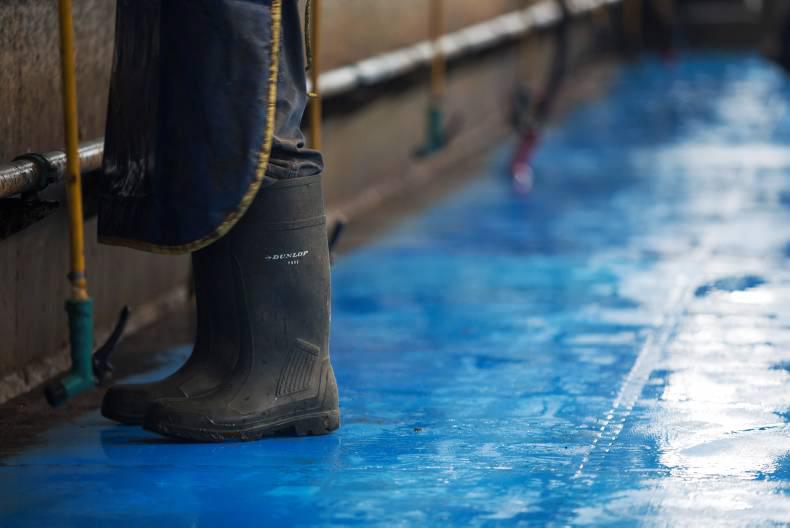
We have all heard the saying “familiarity breeds contempt.” Just because dairy farmers spend hours each day milking cows doesn’t reduce the hazards that exist in parlours. Complacency can creep in with routine, so it’s no harm to reassess the safety hazards that exist in your milking parlour and take action to reduce the risks.
Kicks
Getting a kick from a cow can cause serious injury. Given the fact that the milker is lower than the cow, there is a high risk of getting a kick into the head when milking. Most milkers have had near misses, but not everyone has been as lucky.
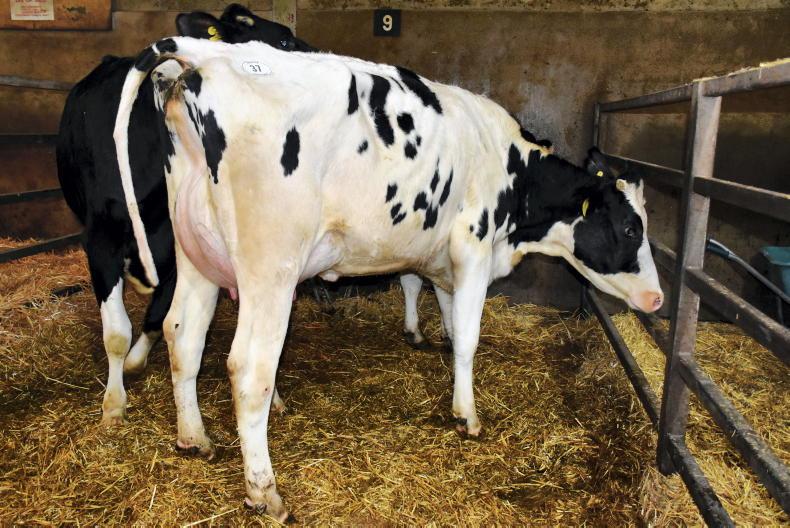
As a rule of thumb, never stick your head under the rump rail. Identify the high-risk animals and take extra precautions around these. Generally, the highest-risk animals are first-calved heifers, but certain cows can be a problem too, especially if they are sick or sore, with mastitis for example.
Ideally, when milking these high-risk animals, somebody should be on hand to hold their tail and keep them calm, but this is not always possible. Alert a nervous animal to your presence by rubbing their leg before touching their teats. Never put your arms between a cow’s leg and the rump rail. Having the lower bar of the rump rail closer to the cow will help to reduce kicks. Keep heifers tightly squeezed when in the milking parlour to reduce lateral movement.
Trips
A lot of accidents on farms are as a result of trips and falls. Stow away hoses and pipes when not in use. Milking parlour floors can be slippy, especially where green scum is allowed to grow on floor surfaces. Consider getting floors grooved but always wear good-quality footwear with a good grip.
Detergents
There is a risk of chemical splash when dispensing detergent sterilisers and acid for milking machine wash. Always wear personal protective equipment and eye goggles when handling chemicals. Ideally use a hand pump dispenser and a measuring jug when mixing the chemicals.
RSI
Repetitive strain injury (RSI) is common in dairy farmers but by the time the condition is diagnosed it is too late to correct it. Back and shoulder pain are common symptoms. One of the big causes is failure to change hands when attaching clusters leading to over-arching of your back and strain on shoulders and arms.
Many dairy farmers end up with problems with their knees in later life and require surgery. I heard recently that dairy farmers are keeping the knee surgeons in private hospitals in business. Many of the new milking parlours have rubber mats on the floors. These can be retrofitted into existing parlours to improve operator comfort. Spending up to four hours a day every day standing and turning on a hard concrete floor is tough on your joints, particularly your knees. The rubber mats allow for a bit of give.





SHARING OPTIONS