



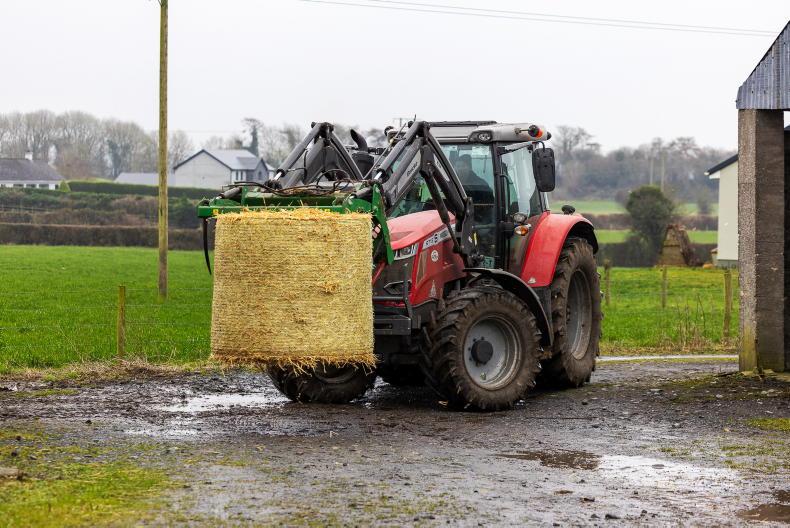
Hygiene at calving: starting out, everyone aims for good hygiene practices during calving, but as time slips on, we tend to become more complacent which is when disease and infection can creep in.
Straw, and plenty of it, will go a long way to keeping infection at bay. Straw is readily available and at a lower price than has been seen in other years. Calving pens should be cleaned out after every cow passes through them.
Some farmers are a lover of power washing in sheds, but you need to remember that wet areas are a greater harbour of bacteria than dry floors and walls. Only powerwash pens where there is sufficient time to allow the pens to dry in between cows calving. Pens should be disinfected – hydrated lime is one of the most common and cost-effective disinfectants. Spread it amply on the floor, walls, gates and barriers and if possible leave it a while before bedding with straw.
Calving jacks, ropes, stomach tubes and teat bottles should be thoroughly washed and disinfected between uses. A helpful tip is to place calving ropes in a jam jar of disinfectant between uses.
First-calved heifers: first-calved heifers, especially those calving down at 22-26 months, will be under significant pressure to maintain good levels of milk without significantly compromising body condition and ‘milking off their back’.
High-quality feed needs to go in to these animals, with their rumen still being compressed for a number of weeks post calving, thereby reducing intake. High-quality fodder needs to be available ad-lib, and in many cases low levels of concentrates will be beneficial in maintaining milk yield and body fat.
Many farmers will opt to feed high-protein feeds such as dairy nuts, but energy content of the feed is more important. Though it’s rare in suckler farms, too much protein in the diet will actually have a negative effect on energy, with this excess protein eroding energy reserves.
Bluetongue: there has been a huge volume of questions in this week regarding bluetongue and the implications on trade and whether farmers should vaccinate now rather than later in the year when the risk is higher.
The current mantra regarding vaccination is for farmers to consult their vets, with many farmers looking for cattle to have developed full immunity of the high risk period when temperatures increase to 12 degrees Celsius and above.
Looking at the Martbids database this week, prices have been relatively unaffected by the first recorded cases in the south of Ireland, with weanling bull prices actually having increased for the most part. The main trading routes for both calves and weanlings remain open for now, with some countries having some terms and conditions attached.
The one fly in the ointment is that the live trade of store cattle and weanlings to Northern Ireland – which is viewed as a third country as the UK is no longer part of the EU – has ceased. However, this has had no significant effect on prices this week. Farmers should not be fearful and off load cattle before they become fit, as this influx in numbers will only drive down prices and increase the level of scare mongering.




SHARING OPTIONS