


While we are all aware of the dangers of slurry, familiarity tends to breed complacency. This is dangerous as slurry is a deadly killer. When agitated, it can overcome anyone in its’ vicinity in an instant.
For this reason, you should always maintain vigilance when handling slurry.
There are three main issues you must be aware of when handling slurry:
Slurry gas
Slurry tank protection
Spreading slurry and the slurry tanker
Slurry Gas
Toxic gases are released during the bacterial decomposition of slurry. Inhaling these gases, such as hydrogen sulphide which is poisonous, can be lethal. Very small concentrations of this gas, as small as one breath, can cause death.
Many lethal gases are odourless, however, hydrogen sulphide has a ‘rotten egg’ like smell at low levels but loses its smell at higher levels. Gas release is at its greatest when:
Slurry is being agitated
After storage for several months
When the slurry crust is broken
After slurry effluent has been added
Slurry Tank Protection
Many fatal farm accidents are caused by drowning in slurry storage tanks.
The risks associated with slurry tanks themselves can be minimised greatly by the farmer:
Open slurry tanks should be protected by fencing at least 1.8 meters high and have locked gates
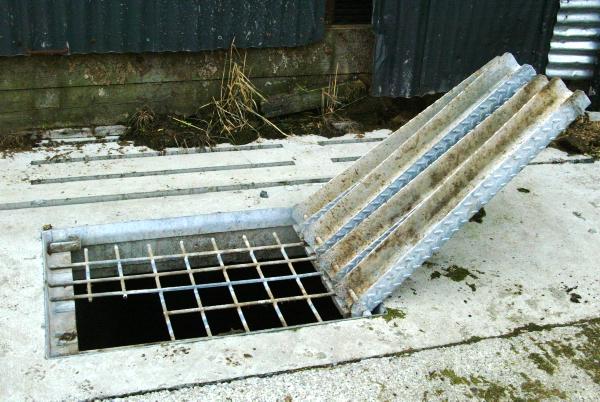
Covered and slatted tanks require access manholes with a safety grid for extra protection. Covered tanks should never be left open
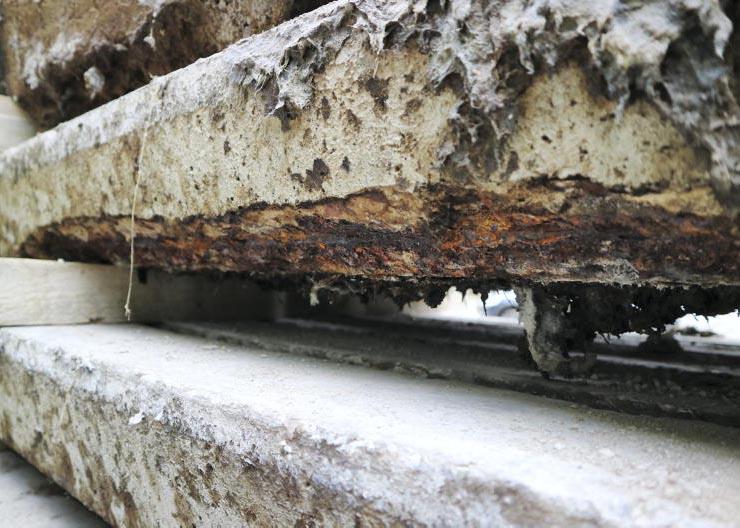
Old, weak slats over a slurry tank should be replaced to ensure animals or people do not fall through them
Safety issues concerning concrete slats are becoming more widespread these days.
As the environment around slurry tanks can be very corrosive, older slats that have not been built to meet Department specifications can corrode due to wear and tear over many years.
There have been many cases where farmers have lost animals to the slurry tank as they fall through these weak and corroded slats.
Spreading slurry and the slurry tanker
Agitating and spreading slurry can be extremely dangerous and should be done with great care.
Farmers and agricultural contractors should remember to ventilate, evacuate and agitate:
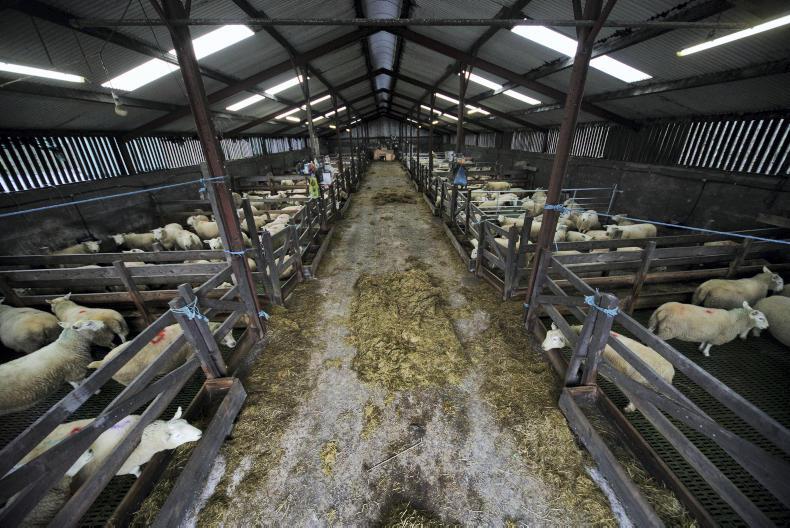
All livestock and people should be evacuated from the shed and doors should remain open
Choose a windy day to agitate
Tanks should be mixed as well as loaded from an external point
Do not enter the building for at least 30 minutes as gases can be of high concentration
Do not leave tank openings uncovered
Methane gas released is highly flammable - never smoke and beware of naked flames or sparks
When spreading slurry always remember to cover the PTO shaft on the slurry tanker and agitator
Take the opportunity today to make sure you follow the correct guidelines on your farm when handling slurry as prevention is key.




SHARING OPTIONS