The legislation prior to this for the use of agricultural machinery in Ireland was first introduced in 1963.
As all of us know, modern machinery is capable of operating at higher speeds. Tractors can pull heavier loads on trailers and operate larger implements. The new legislation is more up to date for the machines that are in use to today on Irish roads, according to the Road Safety Authority (RSA).
The revised standards for agricultural vehicles have been effective since January 1. The area causing the biggest debate is the agricultural trailer. Farmers are unsure what exactly has to be carried on current trailers to make them road legal.
Most modern tractors will comply with the new rules with a minimal spend, according to the RSA. Trailer manufacturers will have to adhere to new standards on braking, weights and speed.
A spokesperson for the RSA said the primary concern is for the safety of the road user. The new rules reflect the developments in technology and require the vehicles to comply with recognised standards. Every effort has been made to ensure that existing vehicles can still be used on the road. The Traffic Corp unit of An Garda Siochána, told the Irish Farmers Journal that it is enforcing the new legislation to protect the safety of road users. The gardaí will be inspecting high-speed trailers for the correct braking systems, weight, plating requirements and any other relevant requirements. A spokesperson for the gardaí said it will be no different to any of the other road rules. A regulation’s breach may result in a court summons and a fine of up to €2,500, a prison sentence or both on the person who commits the offence and on the vehicle’s owner.
From January, the main road speed categories for the manufacturing of trailers and ancillary equipment are below 40km/h, above 40km/h and above 50km/h. The RSA and the gardai have indicated that a tractor capable of driving at 50km/h can tow a trailer with no authorisation plate, but must not travel at speeds above 40km/h, loaded or unloaded.
Amendments that will have to be made to existing trailers operating at speeds of 50km/h for January 2016:
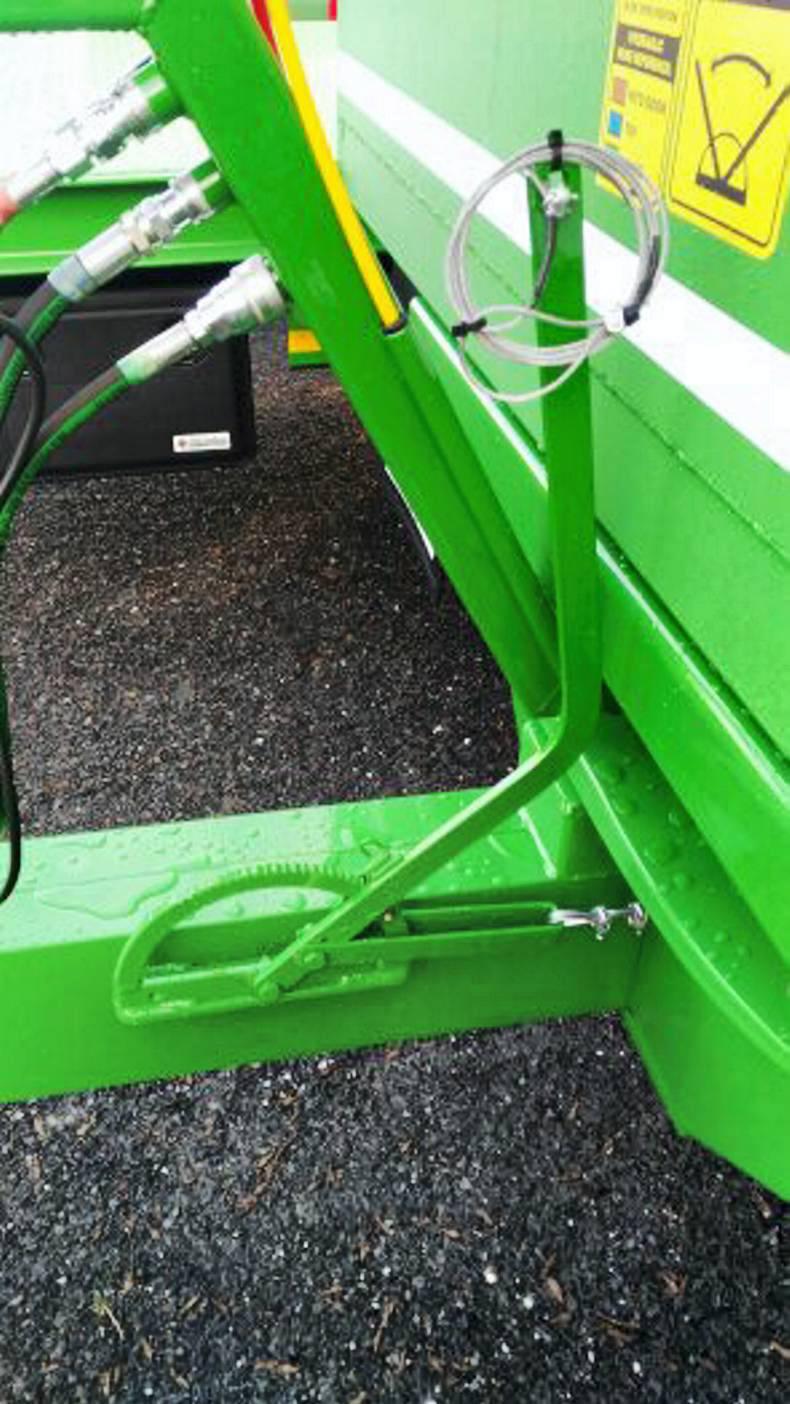
Brakes must be able to satisfy 45% braking efficiency either on air or hydraulic systems.Automatic breakaway device, not a chain or wire rope coupling.Parking brake must be fitted.Authorisation plate fitted to trailer and tractor.Speed disc fitted on trailer.Existing manual slack adjustors will suffice.Rear red reflective marking and 80% of the trailer sides to have amber reflective tape if over 10m in combination. (Tractor and trailer is 10m in length).Amendments that will have to be made to existing trailers in use operating at speeds of 40km/h from January 2016:
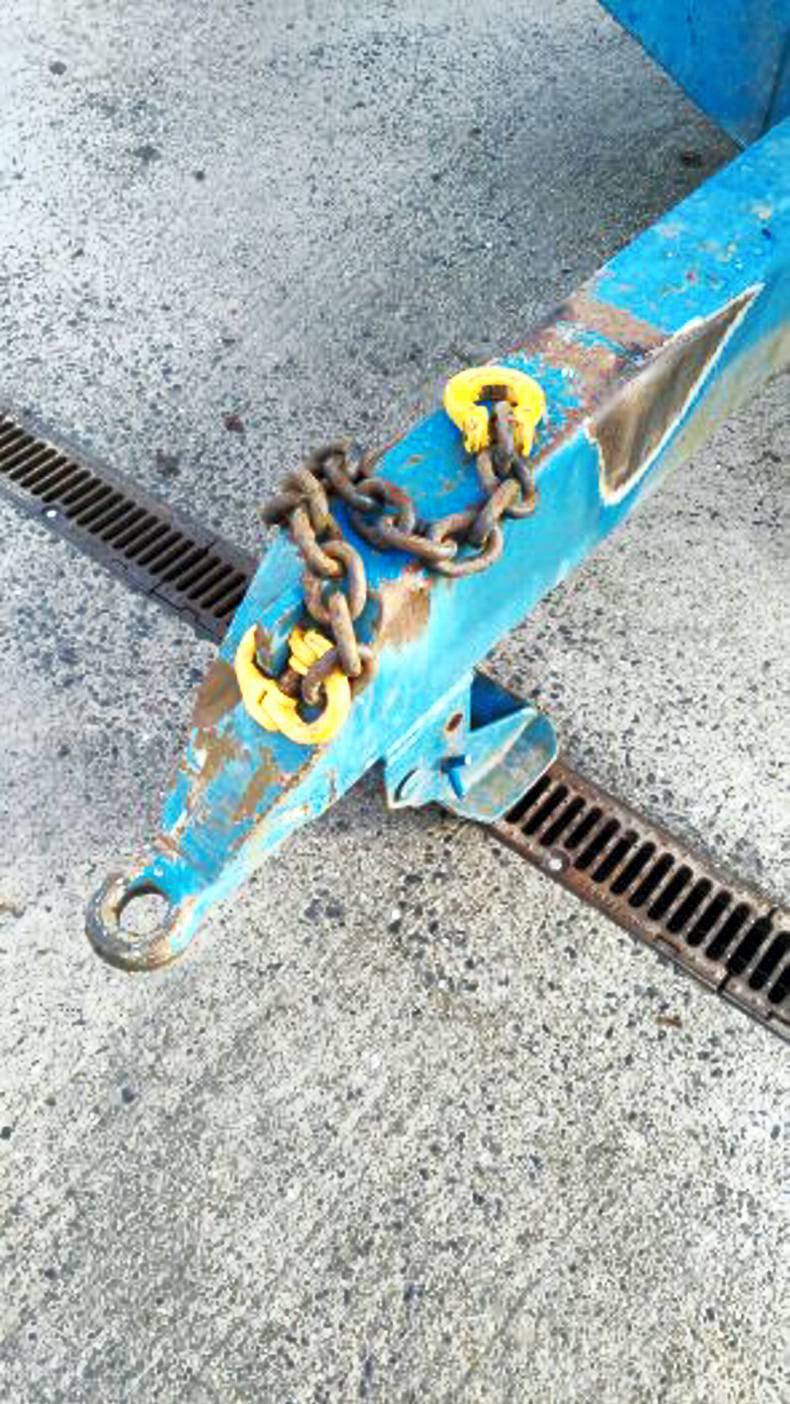
Trailers operating at this speed will not require changes to existing braking systems. This is provided that the brakes are in full working order and capable of stopping a trailer at 40km/h with 25% braking efficiency.Parking brake will have to be fitted if not in place already.The breakaway device may consist of a secondary coupling device. Chain or wire rope attachments will suffice.Trailers travelling at speeds under 40km/h, and less than three times the weight of the tractor drawing them, or not over the weight of 19t for tandem axles or 22.5t for tri-axles manufactured before 1 January 2016 will not retrospectively require the fitting of either an authorisation plate or a speed disc.How to get an authorisation plate
Retrofitting of authorisation plates to existing agricultural trailers will only be required if they are capable by design of being drawn at speeds over 40km/h or at laden weights over 19t for tandems or 22.5t for tri-axles.If trailers need to have authorisation plates retrofitted, this can only be carried out by a trailer manufacturer or their authorised distributor.The advice this year is to ensure that your existing trailers are capable of meeting the regulations for the speeds or weights at which you wish to operate them. If purchasing a new tractor, air braking systems should be specified if you intend operating at speeds above 40 km/h.
The lighting and signage requirements for trailers, under the revised rules for 2016:
Agricultural trailers must be equipped with side lamps, rear lamps, stop lamps, indicators and number plate lighting. They must also be fitted with a marker lamp on their right-hand side if, when coupled to an agricultural tractor, the overall length of the combination is more than 10m. Agricultural trailers with a design gross vehicle weight over 3.5t must also be fitted with reflective rear markings. If these trailers form part of a combination of vehicles that is over 10m long, they must also have reflective side markings. A “long vehicle” marking must be fitted to agricultural trailers forming part of a combination of vehicles over 13m long.
· The overall length of a combination must not exceed 18.75m· Height is restricted to 4.65m (Hay & Straw loads exempt)The Irish Farmers Journal will host information talks on trailers on the Farmers Journal stand throughout the day at Grass & Muck.
To read the full Grass and Muck Magazine click here.
The legislation prior to this for the use of agricultural machinery in Ireland was first introduced in 1963.
As all of us know, modern machinery is capable of operating at higher speeds. Tractors can pull heavier loads on trailers and operate larger implements. The new legislation is more up to date for the machines that are in use to today on Irish roads, according to the Road Safety Authority (RSA).
The revised standards for agricultural vehicles have been effective since January 1. The area causing the biggest debate is the agricultural trailer. Farmers are unsure what exactly has to be carried on current trailers to make them road legal.
Most modern tractors will comply with the new rules with a minimal spend, according to the RSA. Trailer manufacturers will have to adhere to new standards on braking, weights and speed.
A spokesperson for the RSA said the primary concern is for the safety of the road user. The new rules reflect the developments in technology and require the vehicles to comply with recognised standards. Every effort has been made to ensure that existing vehicles can still be used on the road. The Traffic Corp unit of An Garda Siochána, told the Irish Farmers Journal that it is enforcing the new legislation to protect the safety of road users. The gardaí will be inspecting high-speed trailers for the correct braking systems, weight, plating requirements and any other relevant requirements. A spokesperson for the gardaí said it will be no different to any of the other road rules. A regulation’s breach may result in a court summons and a fine of up to €2,500, a prison sentence or both on the person who commits the offence and on the vehicle’s owner.
From January, the main road speed categories for the manufacturing of trailers and ancillary equipment are below 40km/h, above 40km/h and above 50km/h. The RSA and the gardai have indicated that a tractor capable of driving at 50km/h can tow a trailer with no authorisation plate, but must not travel at speeds above 40km/h, loaded or unloaded.
Amendments that will have to be made to existing trailers operating at speeds of 50km/h for January 2016:
Brakes must be able to satisfy 45% braking efficiency either on air or hydraulic systems.Automatic breakaway device, not a chain or wire rope coupling.Parking brake must be fitted.Authorisation plate fitted to trailer and tractor.Speed disc fitted on trailer.Existing manual slack adjustors will suffice.Rear red reflective marking and 80% of the trailer sides to have amber reflective tape if over 10m in combination. (Tractor and trailer is 10m in length).Amendments that will have to be made to existing trailers in use operating at speeds of 40km/h from January 2016:
Trailers operating at this speed will not require changes to existing braking systems. This is provided that the brakes are in full working order and capable of stopping a trailer at 40km/h with 25% braking efficiency.Parking brake will have to be fitted if not in place already.The breakaway device may consist of a secondary coupling device. Chain or wire rope attachments will suffice.Trailers travelling at speeds under 40km/h, and less than three times the weight of the tractor drawing them, or not over the weight of 19t for tandem axles or 22.5t for tri-axles manufactured before 1 January 2016 will not retrospectively require the fitting of either an authorisation plate or a speed disc.How to get an authorisation plate
Retrofitting of authorisation plates to existing agricultural trailers will only be required if they are capable by design of being drawn at speeds over 40km/h or at laden weights over 19t for tandems or 22.5t for tri-axles.If trailers need to have authorisation plates retrofitted, this can only be carried out by a trailer manufacturer or their authorised distributor.The advice this year is to ensure that your existing trailers are capable of meeting the regulations for the speeds or weights at which you wish to operate them. If purchasing a new tractor, air braking systems should be specified if you intend operating at speeds above 40 km/h.
The lighting and signage requirements for trailers, under the revised rules for 2016:
Agricultural trailers must be equipped with side lamps, rear lamps, stop lamps, indicators and number plate lighting. They must also be fitted with a marker lamp on their right-hand side if, when coupled to an agricultural tractor, the overall length of the combination is more than 10m. Agricultural trailers with a design gross vehicle weight over 3.5t must also be fitted with reflective rear markings. If these trailers form part of a combination of vehicles that is over 10m long, they must also have reflective side markings. A “long vehicle” marking must be fitted to agricultural trailers forming part of a combination of vehicles over 13m long.
· The overall length of a combination must not exceed 18.75m· Height is restricted to 4.65m (Hay & Straw loads exempt)The Irish Farmers Journal will host information talks on trailers on the Farmers Journal stand throughout the day at Grass & Muck.
To read the full Grass and Muck Magazine click here.





SHARING OPTIONS