



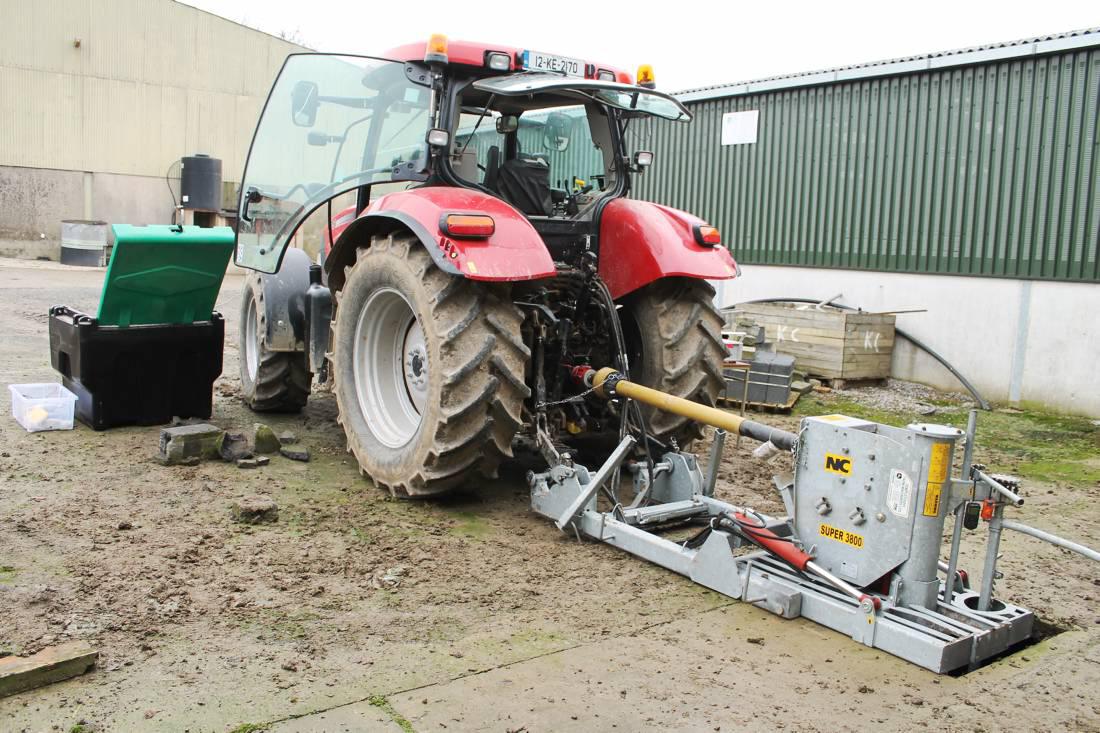
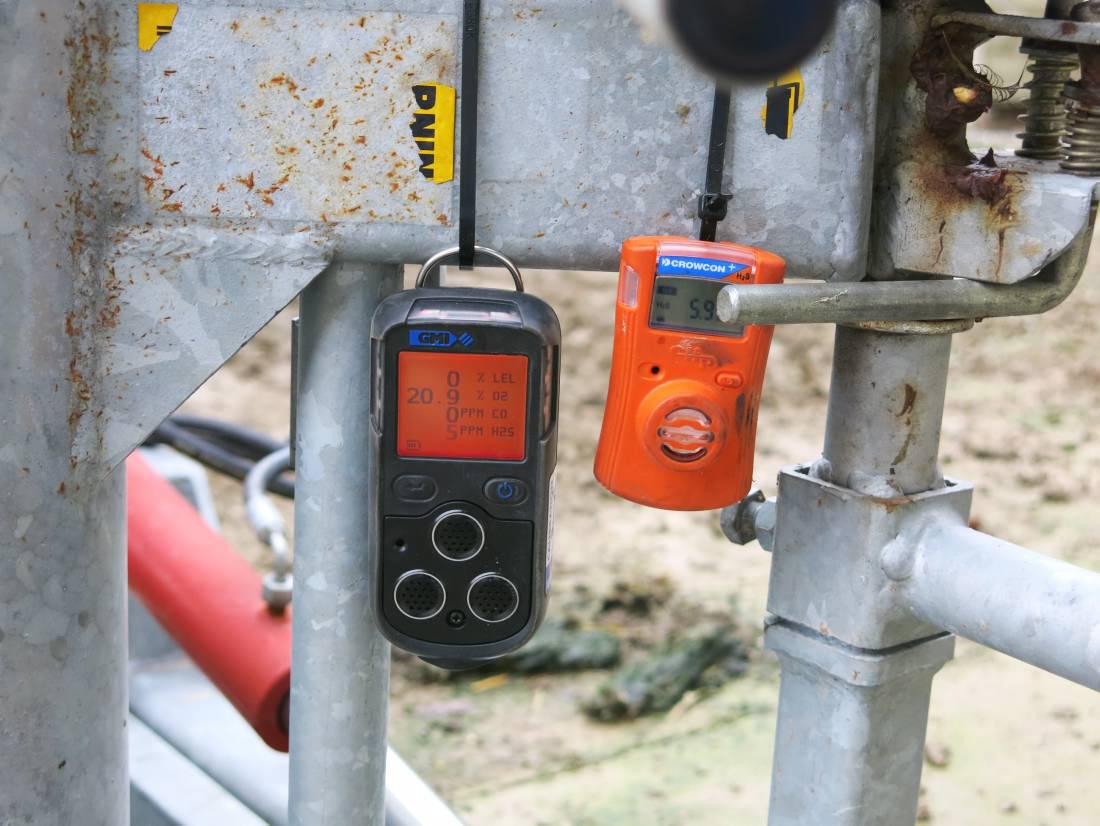
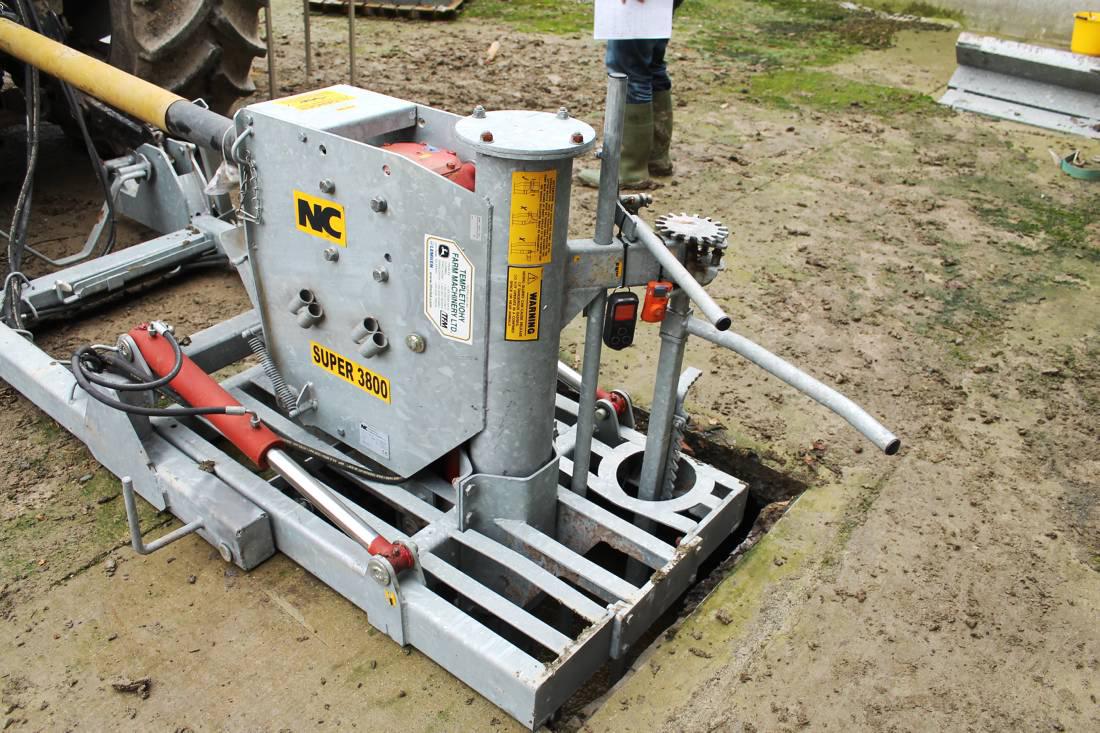
Gases are produced from the bacterial decomposition of slurry in storage and released during slurry agitation. They include ammonia, carbon dioxide, methane and hydrogen sulphide, which is potentially fatal. Only one breath of this gas can kill.
Hydrogen sulphide is a clear gas that is slightly heavier than air. This means that it will not disperse but stays low to the ground, especially when there is no air movement. At low concentrations of less than 50ppm, the gas is recognisable with the characteristic smell of rotten eggs.
The problem is, however, as the gas levels increase it affects your senses, therefore you may think it is not present as you cannot smell it, but it is actually in very high concentrations. The scary truth is that exposure to concentrations above 500ppm causes confusion, disorientation, rapid collapse and can kill in seconds.
The gas release is greatest in the first 15 to 30 minutes of mixing. The concentrations are particularly high where the slurry has been stored and decomposing over a number of months and a crust has been formed, trapping the gases pre-agitation. Mixing silage effluent with slurry also increases the risk of the gas being produced and because the gas is so heavy, deep tanks are likely to hold the gas, even when empty and particularly when agitated in cold weather, with little air movement.
What should be done to minimise the risk?
The single most important safety protocol when agitating slurry is to remove yourself, all personnel and all livestock from buildings above or adjacent to the slatted tank before you start and stay out of any buildings for at least the first 30 minutes to one hour of agitation.
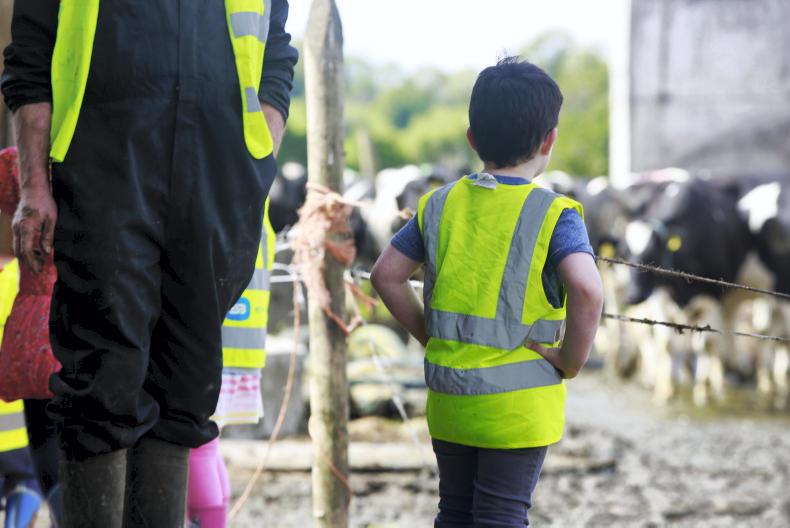
Ensure children are kept away and always inform someone of what you are doing but ideally, have two people present if possible. Open all available ventilation to provide a draught, especially at floor level, and always try to agitate and spread slurry on a windy day where there is good air movement.
Obviously outdoor agitation points are preferable but when in confined spaces, try to avoid very vigorous agitation and never enter a tank without either suitable breathing apparatus (check manufacturer’s instructions) and/or a harness attached to a lifeline controlled by at least two other adults standing outside. Also, when agitating avoid naked lights or smoking, as the gas mixture can be highly inflammable.
Slurry drowning
However, while asphyxiation from slurry gases is a serious danger, it is not the only danger related to slurry on farms. The fatal farm accident data available from the HSA indicates that 75% of farm accident victims drown in slurry as opposed to gassing.
The sad reality is that children are often the victims in such accidents. In fact, according to the HSA, drowning was the most common slurry related farm death and between 2000 and 2010. Thirty per cent of child fatal accidents on farms and 8% of deaths to elderly farmers were caused by drowning in slurry or water. It is important to look at the farmyard, the types of slurry storage facilities and the precautions that are in place to prevent any such accident.
Secure slurry storage
Whether slurry tanks are covered or uncovered, warning signs are central to securing the farmyard and should be highly visible. Any dangers should be pointed out to visitors and particularly children, and when agitating and spreading slurry, children must be excluded from the farmyard.
Surfaces around agitation points should be free of obstacles that may act as a trip hazard and the surfaces should be kept clean while working to prevent slips or falls. Adequate lighting should be installed in the farmyard area while agitation points should be clearly marked possibly with reflective tape to highlight the area.
When slats or manhole covers are lifted or removed for agitation or when emptying the tanks, ensure that there is adequate temporary protection of such openings and where possible, safety access manhole covers should be fitted. Manholes should never be left open unattended.
In the case of slurry lagoons or open tanks, a childproof safety wall or security fence of at least 1.8m in height, with equally high locked access gates should be fitted. Safeguard any scrape holes that have developed and be aware of dangers surrounding the lagoon, such as platforms or the tank wall, to ensure there are adequate protections. For example a guard rail may be necessary.
Machine safety
The actual process of agitating and spreading the slurry brings its own risks and when operating machinery the usual rules apply. Firstly, know where your children are and exclude them from the farmyard during such operations.
It cannot be understated the importance of having the machine in good working order, with safety covers on the PTO shaft and tankers fitted with braking systems. During land application, drive at an appropriate speed to the terrain you are working on, showing due diligence to low-lying electrical cables where relevant.
If managed appropriately, slurry is a valuable asset on any farm, rich in nutrients and organic material. If not managed appropriately, slurry related facilities and operations can lead to an accident which can destroy a family and community for many years, if not forever.
As we prepare to enter the busy slurry spreading season, take the time to examine your own operation. Look at the dangers through the eyes of a farm visitor or curious child. The slurry facilities on the farm should be safe for everyone that is involved.



SHARING OPTIONS