



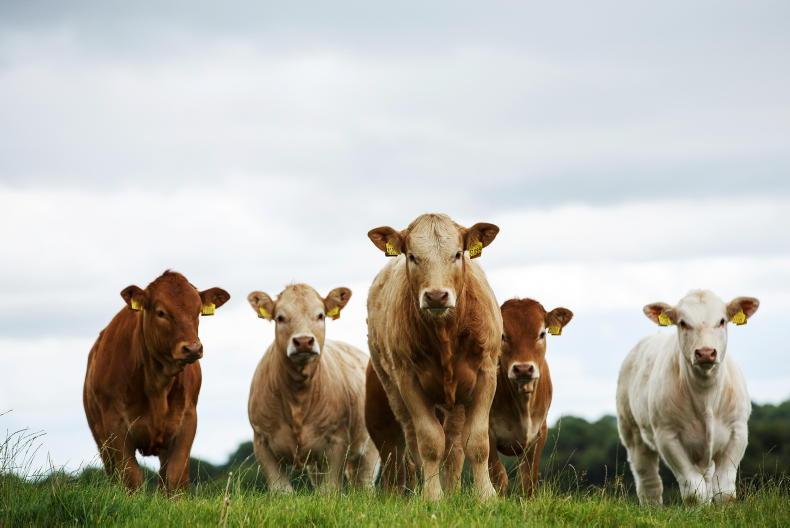
The strategic feeding of concentrates to weanlings is a useful tool to boost performance, reduce the risk of health issues and potentially enhance their attractiveness at sale. To get the best return on your investment, it is important that feeding starts at the correct time and is set at the right level for the type of animal.
For farmers planning to participate in the 2026 National Beef Welfare Scheme, the minimum duration of feeding is four weeks pre-weaning and two weeks post-weaning. There is no set level of meal feeding in the scheme terms and conditions, but there is a recommendation of 1kg/head daily for the four weeks pre-weaning and 2kg for the two weeks post-weaning.
The value of each kilo of liveweight gained (and the health benefits) relative to the cost of concentrates means that there will be a reward on your investment at such feeding levels, irrespective of the type of animal. The return on investment is much greater with higher value E- and U-grading weanlings, while the destination of weanlings will also influence the optimum level of feeding.
1. Weanling bulls suitable for export
Where dealing with highly conformed weanling bulls, then feeding ad-lib meals for six to eight weeks pre-weaning is an option where bulls are being sold a couple of weeks post-weaning.
Such top-quality bulls will continue to lay down muscle as opposed to fat, and in many cases this will enhance the quality exhibited at sale time, as well as having more kilos to sell. This generally only applies to a small percentage of bulls where feeding will continue to build muscle and maximise an animal’s potential to exhibit a better conformation.
The total meal intake of bulls will depend on age and weight, grass quality and cow milk yield. Bulls aged six to seven months of age will generally eat 3kg to 4kg concentrates daily where offered ad-lib and once accustomed to such feed.
This will accumulate to 160kg concentrates over eight weeks. A higher intake is common where bulls are being fed for longer periods and cow milk yield is poor.
If we assume a conversion rate of 5kg concentrates to 1kg of liveweight gain, it will support an increase in the liveweight at sale by 35kg.
Allowing for a cost of €25 for concentrates at €400/t, at a sale value of €5.50/kg to €6/kg it will deliver a return on investment of over €165. If we account for concentrates being purchased at a higher cost in 25kg bags there will still be a significant return on investment.
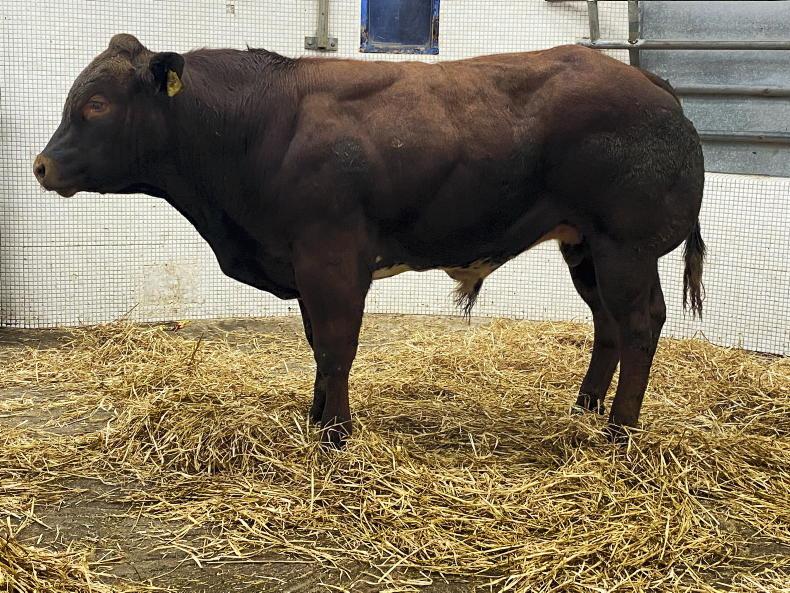
2. Bulls for domestic market or second-tier export market
Lesser-quality R=/R+ grading weanlings destined for sale post-weaning will still benefit from a higher volume of concentrate feeding over the minimum recommendation of 1kg daily in the NBWS. Here the balance will be to underpin increased performance and have weanlings looking in their prime at sale rather than letting weanlings go overfat.
It is feasible to feed concentrates ad lib where weanlings will be sold in the three-to-four-week period post-weaning, with slightly lower conversion rates than described in point one. However, the most suitable volume of feed is typically 2kg to 3kg/head daily.
The weight of bulls is also a consideration for plainer-quality types that may attract interest from live exporters purchasing for destinations in North Africa. Demand is typically for lighter bulls averaging at less than 400kg liveweight to maximise numbers that can be transported. The caveat to this is where the consignment includes slaughter-fit bulls.
Weight is also a bigger consideration for the domestic market in 2026 with pressure on beef prices in recent months significantly curtailing demand for heavy bulls marketed at weights in excess of 500kg. It is worth paying close attention to the first autumn born bull sales to inform decisions on the best route to market.
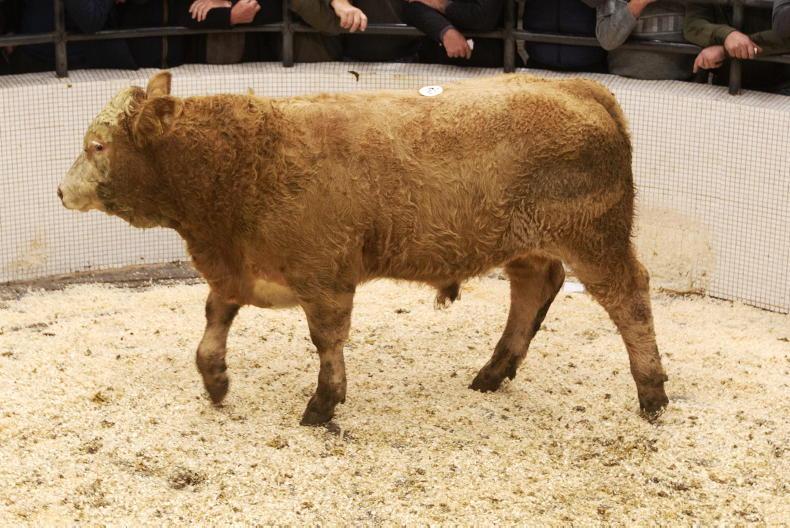
3. Bulls being held over the winter
In general, there is little point pumping concentrates into weanlings that will be held over the winter and will be sold in spring or retained on farm.
The focus here should be to ensure that grass quality is good and that quantity is sufficient to carry weanlings through until housing.
Typical feeding rates are in the region of 1kg to 2kg concentrates – enough to underpin good performance, but prevent bulls laying down excessive fat at a young age.
The exception to this is early-spring-born bulls that will be finished in an under 16-month finishing system. While the tendency might be to feed bulls ad-lib, it will only result in bulls lying around a creep feeder or trough and making little use of grass.
The more balanced approach is to supplement with 2kg to 3kg concentrates depending on grass quality/quantity to keep bulls performing at a high level.
With regards concentrate supplementation there is no need for a high protein feed, with a crude protein content of 12% to 14% more than adequate.
There is also no need for fancy cooked or crunch rations. Such feeds will help to get calves accustomed to eating but once they are eating sufficiently a standard high-energy ration or nut is adequate.
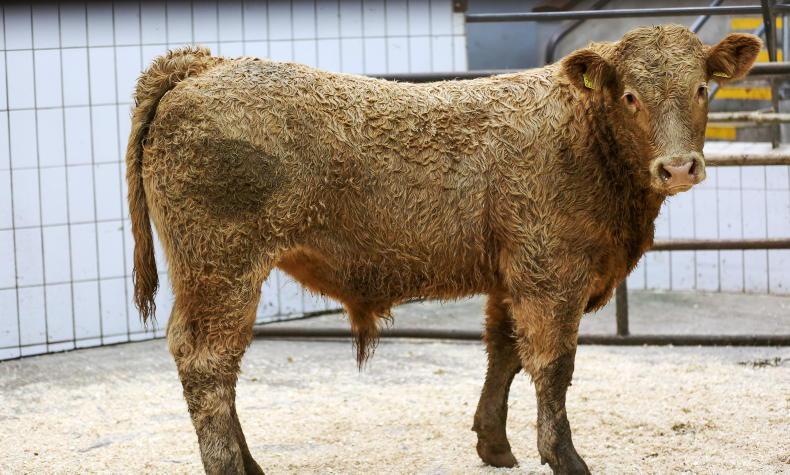
4. Heifers for sale post-weaning
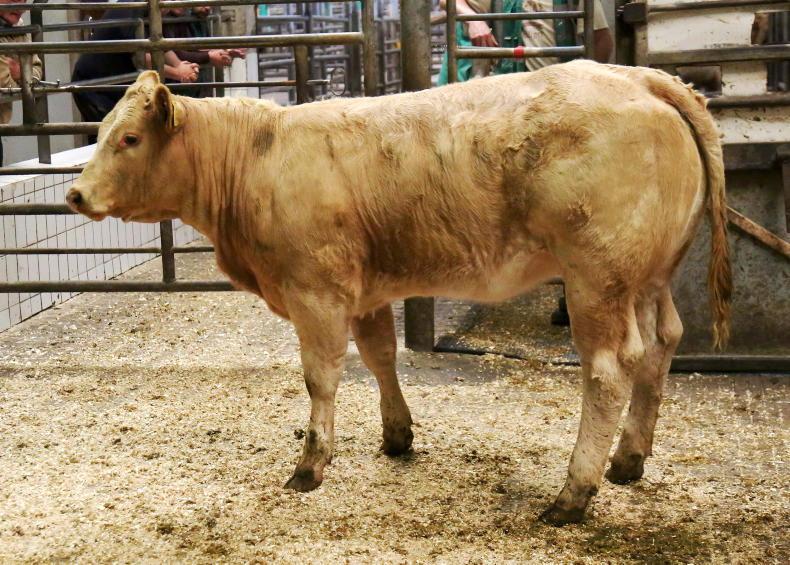
The advice here is to combine points one and two. Live exporters or farmer buyers do not have an appetite for puppy-fat heifers with excessive condition. For a high percentage of average-to-good-quality heifers, a supplementation rate of 1kg to 1.5kg in the weeks pre-weaning and 2kg post-weaning until the date of sale is sufficient.
This can be increased to 2kg and 3kg where dealing with well-conformed heifers with the ability to continue to lay down muscle over fat. Such feeding rates are also appropriate where grass-quality is poor, conditions are challenging or cow milk yield is low.
Heifers should be monitored closely where being offered higher levels of meal feeding for signs of going overfat with the diet adjusted accordingly. A good market has developed for well-conformed heifers suitable for breeding and supplementation at the correct level to such types will generate a similar return on investment, as with top-quality bulls destined for live export.
5. Heifers for retaining longer term
This is similar to point three – retention of bulls. Supplementation of 1kg of a suitable concentrate for the minimum period pre-weaning and 2kg post-weaning will suffice, unless concentrates are being introduced to account for lower performance.
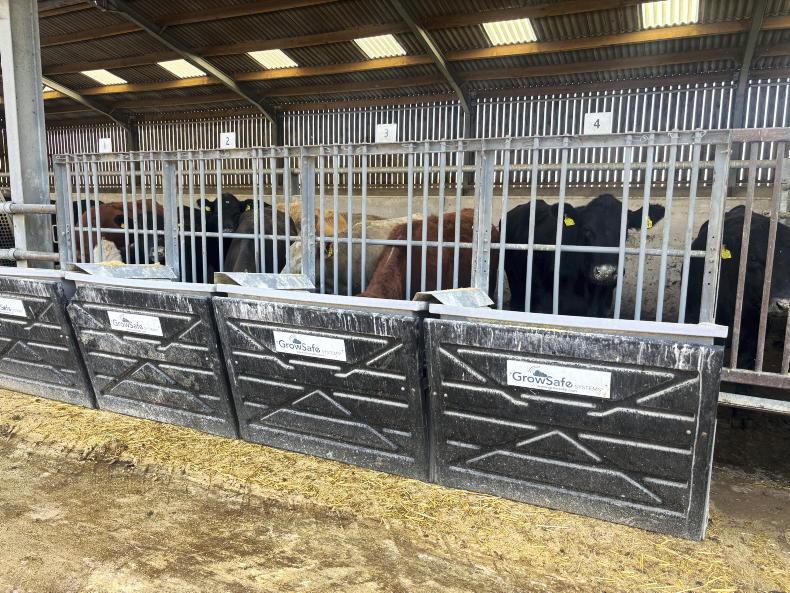
The aim here should be on grassland management and getting the most out of heifers on grass. The optimum method of supplementation is feeding in troughs over ad lib feeders.


SHARING OPTIONS