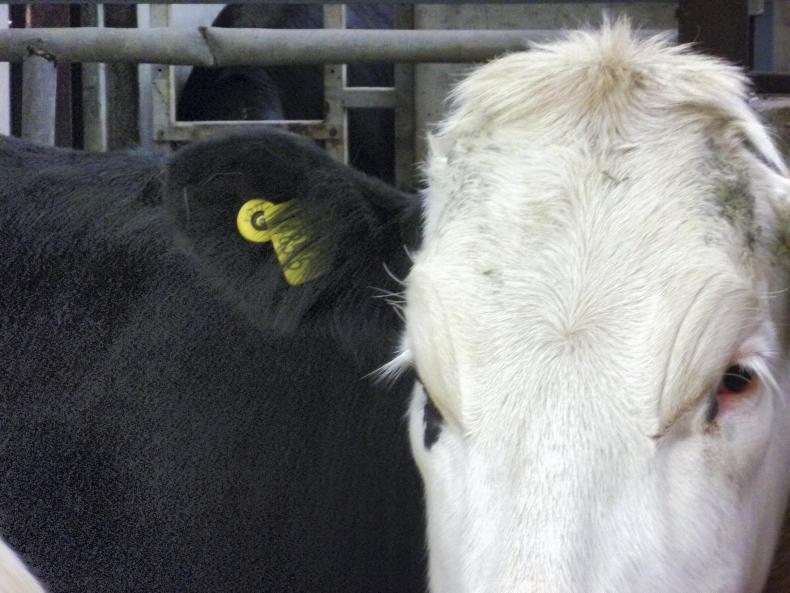
There have been significant changes in the area of cattle tagging in 2016. What has not changed for farmers are the strict and detailed rules implemented by Department of Agriculture. You must:
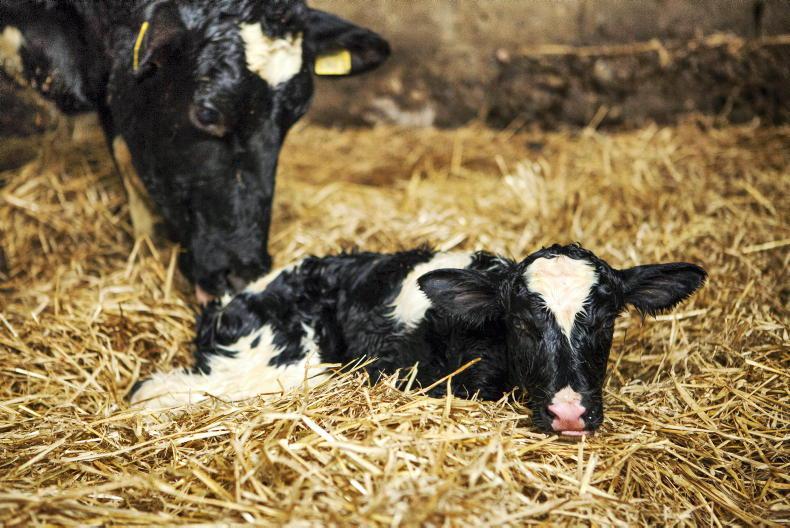
Apply two identically numbered yellow plastic ear tags to all calves born on your holding.Tag calves in both ears within 20 days of birth or before they leave the holding if that is before 20 days from birth.Use only approved ear tags on both ears.Register all calf births within seven days of tagging and before 27 days by completing a corresponding and identically numbered registration application form, which is supplied with each pair of tags, or by registering online. Options are online through agfood.ie, using approved registration forms from independent software providers or through the BDGP. Ensure that purchased cattle have correct ear tags and passports.Ensure that cattle moving off the holding are correctly tagged and are accompanied by the proper documentation, ie passport and valid compliance certificate.Replace lost ear tag(s) immediately on discovering the loss.Also, you must not:
Remove, replace or alter or deface an ear tag.Register ear tags prior to tagging the animal.Ear tags are the first of four strands giving traceability of cattle in Ireland and across the EU. The others are cattle passports, the herd register and the up-to-date AIMS (Animal Identification and Movement System) database maintained by the Department of Agriculture.
Our key beef export markets take for granted traceability and safety of Irish beef.
But identification, via tagging, is increasingly being looked to in order to control and eliminate animal diseases and accelerate genetic improvement.
What has changed this year?
From 1 November 2016, the Department of Agriculture is operating a new system under which any tag company can sell ear tags to cattle farmers if they get Department approval.
The requirements for approval include high-quality ear tags, a modern and high-spec IT system which can interact with the Department’s AIMS database, and ability to provide a professional delivery service to farmers.
Also, from November, new tags will bear a numeric (numbers only) identifier – the letters IE have been dropped. This change was required to allow continuing live exports of Irish cattle to continental EU member states.
The companies
So far, three companies have applied for approval:
Mullinahone Co-op is approved since October and is actively selling tags to farmers.Cormac Tagging got final approval just this week to sell its cattle tags.Datamars Ireland has been told that its cattle ear tags are acceptable. It must now put in place the structures necessary to provide a reliable supply service to farmers.Prices (including
23% VAT)
Mullinahone Co-op sells the Allflex range of tags. Its prices are:
Visual and tissue tag set – €2.90 including ICBF contribution of 38c, or €2.52 excluding the ICBF contribution.Electronic and tissue tag set – €3.95 including the ICBF contribution or €3.57 excluding the ICBF contribution.Applicator: €24.60. Post and packing is €5.50.All BVD-approved laboratories will test tissue samples from Mullinahone tags.
Cormac Tagging sells the Caisley range of tags.
Visual and tissue tag set – €2.68 including the ICBF contribution, or €2.30 without.Electronic and tissue tag set – €3.95 including ICBF contribution or €3.57 excluding it.Applicator: €21.90. It will give a free applicator with every first order of over 50 tag sets. For the first year that it is approved, it will replace for free any of its tags that fall out.Enfer and FarmLab will test tissue samples from Caisley tags – other BVD labs are expected to follow suit.
Last month, Datamars Ireland sales director Richard Nolan said that the firm would issue full details of its tag products and of prices once it gets a commencement date from the Department of Agriculture.
Ordering tags for 2017
In previous years, farmers received a tag order form in the post in October or November. These were sent out by Mullinahone Co-op on behalf of the Department of Agriculture.
Under the new tag supply farmers must now contact a tag supply company themselves and place an order for the tags they need for 2017.
Read more from our special focus on animal identification
Watch: Mullinahone’s cattle tag is now stronger
New tagging option for cattle farmers
Datamars already supplying cattle tags in NI
How to tag calves safely
Electronic tags – what’s it all about?
Freeze-branding - is it still worthwhile?
Genomics: What? Why? How?
Most sheep penalties caused by sheep census
Different tagging systems and prices north and south
BVD tagging guidelines north and south
There have been significant changes in the area of cattle tagging in 2016. What has not changed for farmers are the strict and detailed rules implemented by Department of Agriculture. You must:
Apply two identically numbered yellow plastic ear tags to all calves born on your holding.Tag calves in both ears within 20 days of birth or before they leave the holding if that is before 20 days from birth.Use only approved ear tags on both ears.Register all calf births within seven days of tagging and before 27 days by completing a corresponding and identically numbered registration application form, which is supplied with each pair of tags, or by registering online. Options are online through agfood.ie, using approved registration forms from independent software providers or through the BDGP. Ensure that purchased cattle have correct ear tags and passports.Ensure that cattle moving off the holding are correctly tagged and are accompanied by the proper documentation, ie passport and valid compliance certificate.Replace lost ear tag(s) immediately on discovering the loss.Also, you must not:
Remove, replace or alter or deface an ear tag.Register ear tags prior to tagging the animal.Ear tags are the first of four strands giving traceability of cattle in Ireland and across the EU. The others are cattle passports, the herd register and the up-to-date AIMS (Animal Identification and Movement System) database maintained by the Department of Agriculture.
Our key beef export markets take for granted traceability and safety of Irish beef.
But identification, via tagging, is increasingly being looked to in order to control and eliminate animal diseases and accelerate genetic improvement.
What has changed this year?
From 1 November 2016, the Department of Agriculture is operating a new system under which any tag company can sell ear tags to cattle farmers if they get Department approval.
The requirements for approval include high-quality ear tags, a modern and high-spec IT system which can interact with the Department’s AIMS database, and ability to provide a professional delivery service to farmers.
Also, from November, new tags will bear a numeric (numbers only) identifier – the letters IE have been dropped. This change was required to allow continuing live exports of Irish cattle to continental EU member states.
The companies
So far, three companies have applied for approval:
Mullinahone Co-op is approved since October and is actively selling tags to farmers.Cormac Tagging got final approval just this week to sell its cattle tags.Datamars Ireland has been told that its cattle ear tags are acceptable. It must now put in place the structures necessary to provide a reliable supply service to farmers.Prices (including
23% VAT)
Mullinahone Co-op sells the Allflex range of tags. Its prices are:
Visual and tissue tag set – €2.90 including ICBF contribution of 38c, or €2.52 excluding the ICBF contribution.Electronic and tissue tag set – €3.95 including the ICBF contribution or €3.57 excluding the ICBF contribution.Applicator: €24.60. Post and packing is €5.50.All BVD-approved laboratories will test tissue samples from Mullinahone tags.
Cormac Tagging sells the Caisley range of tags.
Visual and tissue tag set – €2.68 including the ICBF contribution, or €2.30 without.Electronic and tissue tag set – €3.95 including ICBF contribution or €3.57 excluding it.Applicator: €21.90. It will give a free applicator with every first order of over 50 tag sets. For the first year that it is approved, it will replace for free any of its tags that fall out.Enfer and FarmLab will test tissue samples from Caisley tags – other BVD labs are expected to follow suit.
Last month, Datamars Ireland sales director Richard Nolan said that the firm would issue full details of its tag products and of prices once it gets a commencement date from the Department of Agriculture.
Ordering tags for 2017
In previous years, farmers received a tag order form in the post in October or November. These were sent out by Mullinahone Co-op on behalf of the Department of Agriculture.
Under the new tag supply farmers must now contact a tag supply company themselves and place an order for the tags they need for 2017.
Read more from our special focus on animal identification
Watch: Mullinahone’s cattle tag is now stronger
New tagging option for cattle farmers
Datamars already supplying cattle tags in NI
How to tag calves safely
Electronic tags – what’s it all about?
Freeze-branding - is it still worthwhile?
Genomics: What? Why? How?
Most sheep penalties caused by sheep census
Different tagging systems and prices north and south
BVD tagging guidelines north and south
SHARING OPTIONS