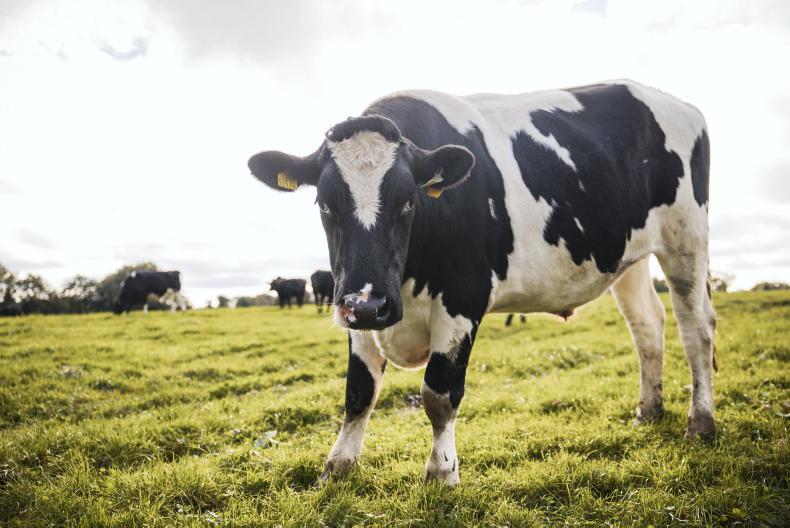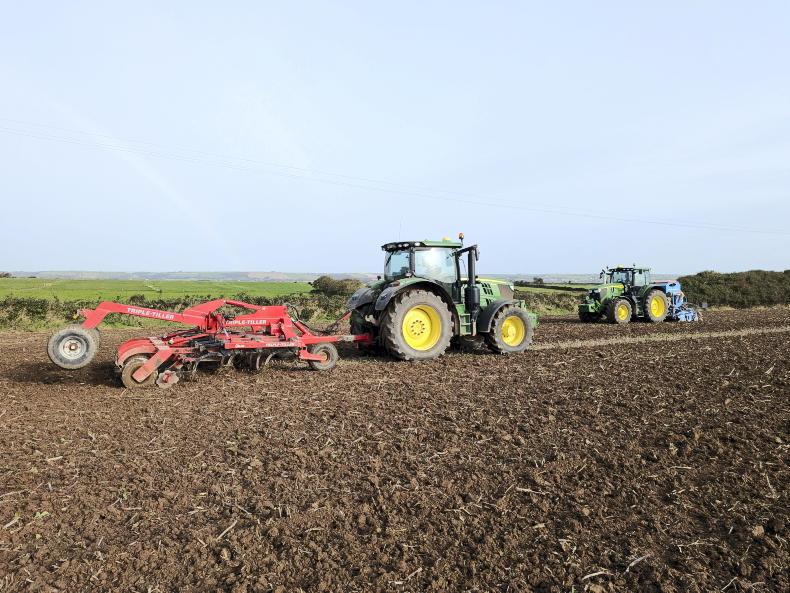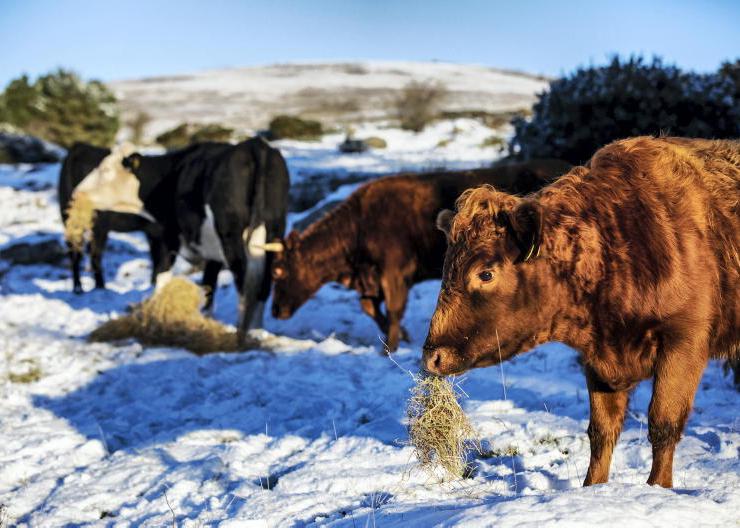
We’re now staring into a few bleakish winter months, and the thing that is on a lot of people’s minds is the possibility of storms or snow. We received a taster a few weeks ago with storm Amy, with several homes and farms left without power for less than a day. The two weathers bring their own distinct challenges, but here are some of the essential items that should help see you through.
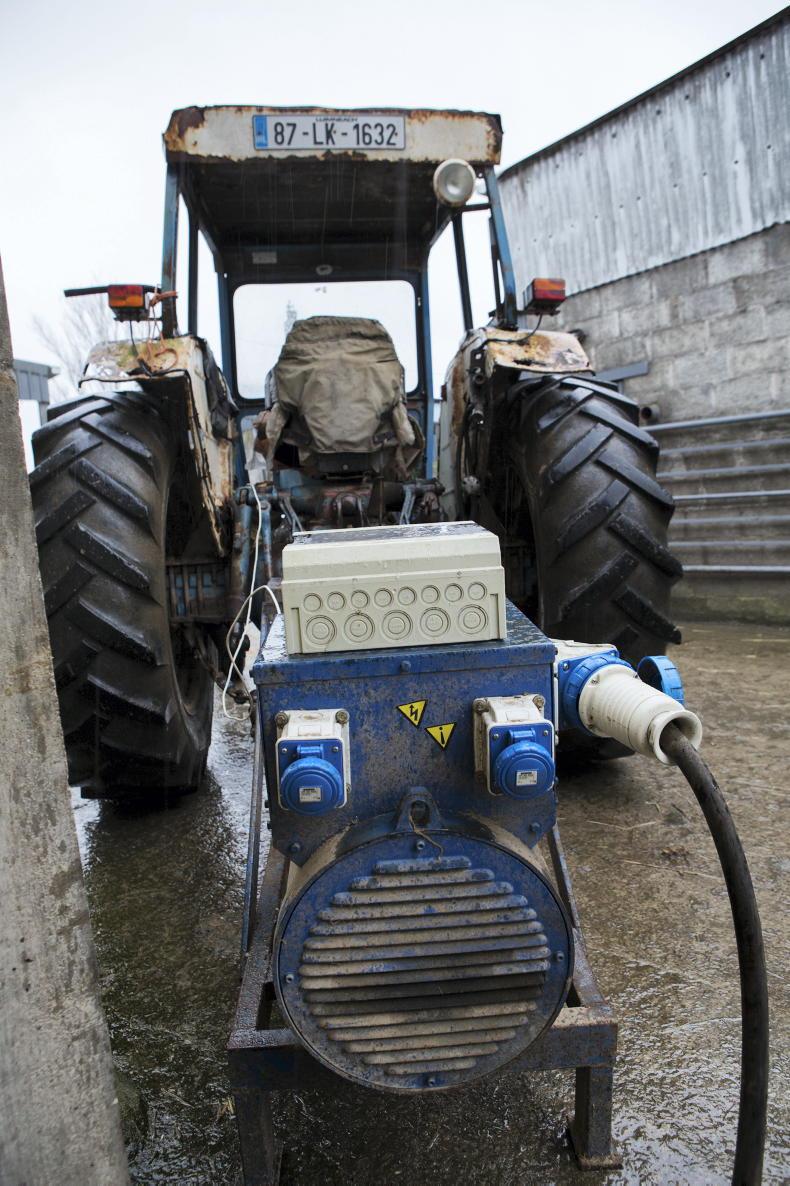
Generators were like hen’s teeth when we had widespread power outages back in February. For drystock farmers, it was more about yard lights and running the dwelling house, but for dairy farmers power is essential for a range of tasks: milking, milk cooling, scrapers, automatic calf feeders. For medium-sized dairy farms they should have sufficient power in 33kVA PTO generator, which should comfortably power the milking parlour, bulk tank and scrapers, etc, with a 75hp tractor sufficient to run a generator of this size. Always consult with your electrician regarding your requirements. Diesel generators are also an option, with there also being an option to fit a cut-in switch – whereby if the power goes out during the night then the generator will automatically turn on and kick in; essential for milk cooling or those operating an automatic milking system. Generators of any kind have to be properly wired in by an experienced and certified electrician, to prevent power going back down the line and potentially causing injury or death to those working on repairing power lines.
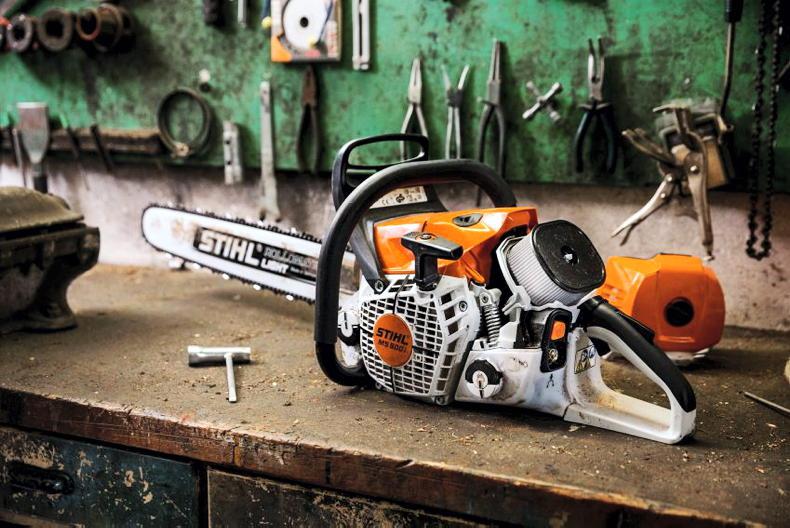
An essential item for the back of the pick up, a chainsaw will help clear away any fallen trees blocking roads. As always, if trees are touching powerlines, report the incident to ESB networks and do not attempt to clear them away yourself.
Ensure that the chainsaw is full serviced, chain sharpened and a spare chain to boot. A ready supply of bar and chain oil and petrol will also be needed, with a spare battery useful for battery operated saws. Remember to wear appropriate PPE.
Be it the farm quad, the generator or the aforementioned chainsaw, a supply of petrol on-farm is always wise, as access to local shops or power to petrol pumps might be delayed for a day or two in the aftermath of a storm or snow. Where an item is only used very occasionally (such as the generator), old fuel over six months old should be removed and replenished with fresh petrol. Long-life fuel is available and is useful for these irregularly used items.
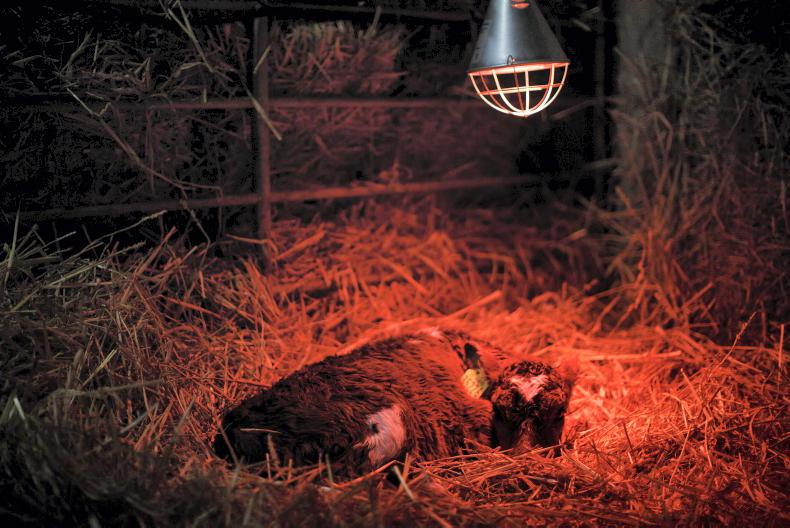
Not just for keeping a sick calf toasty, infrared bulbs can be useful to keep certain plant in the parlour or pumphouse free from ice.
They can be fitted with a thermostat switch that will ensure that they kick in should temperatures drop close to freezing.
They are extremely useful where an antifreeze or salt solution can’t be used to prevent freezing water.
A gas bottle and assorted apparatus can prove essential for both power outages and freezing weather. In a power outage, it can be hooked up to a gas cooker indoors or a burner ring outdoors to heat water or do some cooking, while for freezing weather, a blowtorch attachment can be the difference in freeing up frozen pipe work or not. A camping kit with smaller replaceable gas canisters can also be useful for some light cooking.
We can all be guilty of topping up tractors or telehandlers with some water in the summer months when antifreeze was back in the workshop, or it’s late in the evening and pressure is on. Ahead of any freezing conditions, drain away any mixed coolant from machinery and replace with a pure solution. Where tyres have been filled with water for additional weight, antifreeze is also advised to prevent tyre damage. With regard to sprayers or slurry pumps, where an antifreeze solution is not applicable, storing indoors and covering with an insulting material should be carried out.
While not generally recommended due to moisture and heat accelerating rusting, parking tractors or telehandlers in livestock housing may also be of benefit in trying to start on tricky mornings.
Colder weather especially will cause animals to increase their intake as they look to keep themselves warm. Ample fodder should be on all farms at all times, but ensure that out-blocks in particular have at least a week’s supply of fodder, as moving trailer loads of bales in icy conditions is not for the faint hearted. Concentrate levels in meal bins should be closely monitored and replenished as necessary.
Probably the most essential item for a lot of farms regarding feed will be milk replacer, especially for farmers who may not have the option of replacing with whole milk in an emergency. Ensure sufficient stock is carried on-farm.
Keep yourself warm and protected. In colder weather, multiple thin layers work best. Your extremities are usually the main areas that will get cold. Keep insulated work gloves to hand, opt for insulated wellies or boots and keep a hat on your head, preferably with an LED light attached.
Where you are operating a chainsaw, full protective equipment including trousers, face visor, helmet and ear muffs should be worn.
9 Batteries and inverters
Any aged batteries in machinery should ideally be replaced going into the winter months, or in the case where it is only hard started on colder mornings, a battery booster should be to hand. A spare battery combined with an inverter is also useful to have in the dwelling house, as it may allow for phones or laptops to be charged, TVs to be switched on, or power to go to Wi-Fi outlets.
In freezing conditions, salt can be extremely useful. Salt can be added to the final rinse in the parlour to prevent it freezing overnight, but ensure that food grade salt is used. Buying this in bulk from a cash and carry might be useful. A 1/3kg of salt per five gallons of water should be sufficient.
Salt or grit can also be used around the yard to improve grip on slippery surfaces. Spread in the high-traffic areas or where there are slopes/ drips coming from down pipes from gutters.
We’re now staring into a few bleakish winter months, and the thing that is on a lot of people’s minds is the possibility of storms or snow. We received a taster a few weeks ago with storm Amy, with several homes and farms left without power for less than a day. The two weathers bring their own distinct challenges, but here are some of the essential items that should help see you through.
Generators were like hen’s teeth when we had widespread power outages back in February. For drystock farmers, it was more about yard lights and running the dwelling house, but for dairy farmers power is essential for a range of tasks: milking, milk cooling, scrapers, automatic calf feeders. For medium-sized dairy farms they should have sufficient power in 33kVA PTO generator, which should comfortably power the milking parlour, bulk tank and scrapers, etc, with a 75hp tractor sufficient to run a generator of this size. Always consult with your electrician regarding your requirements. Diesel generators are also an option, with there also being an option to fit a cut-in switch – whereby if the power goes out during the night then the generator will automatically turn on and kick in; essential for milk cooling or those operating an automatic milking system. Generators of any kind have to be properly wired in by an experienced and certified electrician, to prevent power going back down the line and potentially causing injury or death to those working on repairing power lines.
An essential item for the back of the pick up, a chainsaw will help clear away any fallen trees blocking roads. As always, if trees are touching powerlines, report the incident to ESB networks and do not attempt to clear them away yourself.
Ensure that the chainsaw is full serviced, chain sharpened and a spare chain to boot. A ready supply of bar and chain oil and petrol will also be needed, with a spare battery useful for battery operated saws. Remember to wear appropriate PPE.
Be it the farm quad, the generator or the aforementioned chainsaw, a supply of petrol on-farm is always wise, as access to local shops or power to petrol pumps might be delayed for a day or two in the aftermath of a storm or snow. Where an item is only used very occasionally (such as the generator), old fuel over six months old should be removed and replenished with fresh petrol. Long-life fuel is available and is useful for these irregularly used items.
Not just for keeping a sick calf toasty, infrared bulbs can be useful to keep certain plant in the parlour or pumphouse free from ice.
They can be fitted with a thermostat switch that will ensure that they kick in should temperatures drop close to freezing.
They are extremely useful where an antifreeze or salt solution can’t be used to prevent freezing water.
A gas bottle and assorted apparatus can prove essential for both power outages and freezing weather. In a power outage, it can be hooked up to a gas cooker indoors or a burner ring outdoors to heat water or do some cooking, while for freezing weather, a blowtorch attachment can be the difference in freeing up frozen pipe work or not. A camping kit with smaller replaceable gas canisters can also be useful for some light cooking.
We can all be guilty of topping up tractors or telehandlers with some water in the summer months when antifreeze was back in the workshop, or it’s late in the evening and pressure is on. Ahead of any freezing conditions, drain away any mixed coolant from machinery and replace with a pure solution. Where tyres have been filled with water for additional weight, antifreeze is also advised to prevent tyre damage. With regard to sprayers or slurry pumps, where an antifreeze solution is not applicable, storing indoors and covering with an insulting material should be carried out.
While not generally recommended due to moisture and heat accelerating rusting, parking tractors or telehandlers in livestock housing may also be of benefit in trying to start on tricky mornings.
Colder weather especially will cause animals to increase their intake as they look to keep themselves warm. Ample fodder should be on all farms at all times, but ensure that out-blocks in particular have at least a week’s supply of fodder, as moving trailer loads of bales in icy conditions is not for the faint hearted. Concentrate levels in meal bins should be closely monitored and replenished as necessary.
Probably the most essential item for a lot of farms regarding feed will be milk replacer, especially for farmers who may not have the option of replacing with whole milk in an emergency. Ensure sufficient stock is carried on-farm.
Keep yourself warm and protected. In colder weather, multiple thin layers work best. Your extremities are usually the main areas that will get cold. Keep insulated work gloves to hand, opt for insulated wellies or boots and keep a hat on your head, preferably with an LED light attached.
Where you are operating a chainsaw, full protective equipment including trousers, face visor, helmet and ear muffs should be worn.
9 Batteries and inverters
Any aged batteries in machinery should ideally be replaced going into the winter months, or in the case where it is only hard started on colder mornings, a battery booster should be to hand. A spare battery combined with an inverter is also useful to have in the dwelling house, as it may allow for phones or laptops to be charged, TVs to be switched on, or power to go to Wi-Fi outlets.
In freezing conditions, salt can be extremely useful. Salt can be added to the final rinse in the parlour to prevent it freezing overnight, but ensure that food grade salt is used. Buying this in bulk from a cash and carry might be useful. A 1/3kg of salt per five gallons of water should be sufficient.
Salt or grit can also be used around the yard to improve grip on slippery surfaces. Spread in the high-traffic areas or where there are slopes/ drips coming from down pipes from gutters.
SHARING OPTIONS