Rheumatoid arthritis is an autoimmune condition in which the immune system attacks the body’s own tissues. It’s a chronic condition that causes pain, swelling and stiffness in the joints. It typically affects the hands, feet, and wrists, but can target any joint. Rheumatoid arthritis can also affect the skin, eyes, lungs, heart, and blood vessels.
There is no specific diet that treats the condition, but certain foods may help reduce inflammation in the body, while others can contribute to increasing inflammation. It has been reported the Mediterranean diet is a good choice for anyone living with inflammatory conditions, such as rheumatoid arthritis. This diet is rich in fresh fruit and vegetables, along with wholegrains, legumes, herbs, spices and healthy fats.
Fresh fruit and vegetables help to reduce inflammation as they are rich in antioxidants, fibre, and anti-inflammatory compounds. They support a healthy gut and help keep your immune system in balance. To retain their full nutritional value, fruits and vegetables are best eaten raw, but if cooking is needed, steaming is the best method to preserve their vitamin content.
Omega-3 fatty acids can have an anti-inflammatory effect on the body. Foods rich in omega-3s include oily fish such as salmon, trout, sardines, and mackerel, but it is important to note how you source and cook the fish because this may disrupt the level of omega-3s. Steaming as opposed to frying will maintain better levels of this important nutrient. Avocados, flaxseeds, chia seeds, and walnuts are also rich sources of omega-3s.
Keeping well hydrated is also important, as is a good intake of fluids, like plain water and herbal tea, supporting the body in fighting inflammation by flushing out toxins.
Ultra-processed foods, excess sugar, and refined grains are best limited when trying to decrease inflammation.
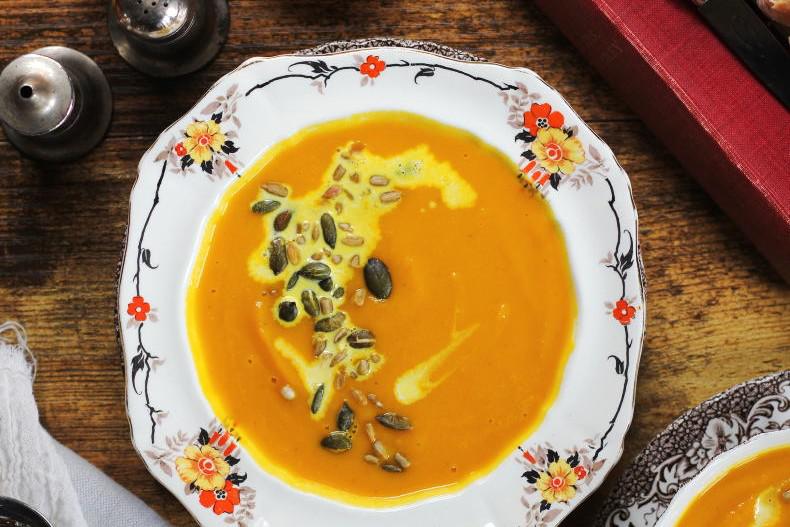
Butternut squash and turmeric soup
Ingredients: Serves 4
50g butter
500g butternut squash, peeled and diced
1 large onion, diced
2 cloves garlic, crushed
Salt and freshly ground pepper
1tsp turmeric
700ml hot vegetable stock
To serve:
2 tbsp pumpkin and sunflower seeds
Drizzle of cream
Method
1 Melt the butter in a large saucepan over a low heat. When it begins to foam add the butternut squash, onion, and garlic. Season with a little salt and a few grinds of pepper. Stir to combine with the butter.
2 Place a butter wrapper or a piece of greaseproof paper over the vegetables, to help them sweat. Cover with the lid of the saucepan. Sweat over a low heat for about 10 minutes, making sure the vegetables don’t stick to the bottom of the saucepan.
3 When the vegetables are soft but not coloured, stir through the turmeric, and add the stock. Turn up the heat a little and continue to cook for another 15-20 minutes or until the vegetables are soft.
4 While the soup is cooking, prepare the topping. Place a frying pan over a medium heat. Add the seeds to the dry pan and toast for about 2 minutes, tossing regularly. Remove from the pan and place on a plate to cool.
5 Using a hand blender or a food processor purée the soup until it is smooth. Taste and season, if necessary.
6 Pour the soup into serving bowls and garnish with a little drizzle of cream and a sprinkling of the toasted seeds.
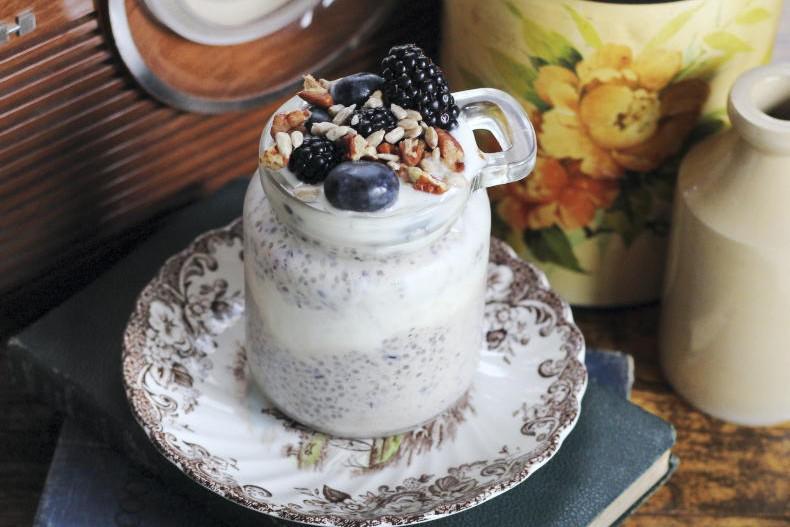
Berry chia pudding.
Ingredients: Serves 4
For the pudding layer:
200ml milk, of choice
125g blueberries
125g vanilla yoghurt
1tbsp honey
50g whole chia seeds
To layer and to serve:
200g vanilla yoghurt
Handful blueberries & blackberries
2tbsp raw almonds, chopped
2tbsp sunflower seeds
Method
1 To make the pudding, add the milk, blueberries, yoghurt, and honey to a blender. Blitz until smooth and transfer to a large bowl. Stir though the chia seeds. Cover and refrigerate overnight or for at least 4 hours.
2 To assemble, layer the pudding with the yoghurt, between four bowls or containers. Top with the berries, and a sprinkling of nuts and seeds.
3 Enjoy this dish straightaway or cover and refrigerate to enjoy within three
days.
Rheumatoid arthritis is an autoimmune condition in which the immune system attacks the body’s own tissues. It’s a chronic condition that causes pain, swelling and stiffness in the joints. It typically affects the hands, feet, and wrists, but can target any joint. Rheumatoid arthritis can also affect the skin, eyes, lungs, heart, and blood vessels.
There is no specific diet that treats the condition, but certain foods may help reduce inflammation in the body, while others can contribute to increasing inflammation. It has been reported the Mediterranean diet is a good choice for anyone living with inflammatory conditions, such as rheumatoid arthritis. This diet is rich in fresh fruit and vegetables, along with wholegrains, legumes, herbs, spices and healthy fats.
Fresh fruit and vegetables help to reduce inflammation as they are rich in antioxidants, fibre, and anti-inflammatory compounds. They support a healthy gut and help keep your immune system in balance. To retain their full nutritional value, fruits and vegetables are best eaten raw, but if cooking is needed, steaming is the best method to preserve their vitamin content.
Omega-3 fatty acids can have an anti-inflammatory effect on the body. Foods rich in omega-3s include oily fish such as salmon, trout, sardines, and mackerel, but it is important to note how you source and cook the fish because this may disrupt the level of omega-3s. Steaming as opposed to frying will maintain better levels of this important nutrient. Avocados, flaxseeds, chia seeds, and walnuts are also rich sources of omega-3s.
Keeping well hydrated is also important, as is a good intake of fluids, like plain water and herbal tea, supporting the body in fighting inflammation by flushing out toxins.
Ultra-processed foods, excess sugar, and refined grains are best limited when trying to decrease inflammation.
Butternut squash and turmeric soup
Ingredients: Serves 4
50g butter
500g butternut squash, peeled and diced
1 large onion, diced
2 cloves garlic, crushed
Salt and freshly ground pepper
1tsp turmeric
700ml hot vegetable stock
To serve:
2 tbsp pumpkin and sunflower seeds
Drizzle of cream
Method
1 Melt the butter in a large saucepan over a low heat. When it begins to foam add the butternut squash, onion, and garlic. Season with a little salt and a few grinds of pepper. Stir to combine with the butter.
2 Place a butter wrapper or a piece of greaseproof paper over the vegetables, to help them sweat. Cover with the lid of the saucepan. Sweat over a low heat for about 10 minutes, making sure the vegetables don’t stick to the bottom of the saucepan.
3 When the vegetables are soft but not coloured, stir through the turmeric, and add the stock. Turn up the heat a little and continue to cook for another 15-20 minutes or until the vegetables are soft.
4 While the soup is cooking, prepare the topping. Place a frying pan over a medium heat. Add the seeds to the dry pan and toast for about 2 minutes, tossing regularly. Remove from the pan and place on a plate to cool.
5 Using a hand blender or a food processor purée the soup until it is smooth. Taste and season, if necessary.
6 Pour the soup into serving bowls and garnish with a little drizzle of cream and a sprinkling of the toasted seeds.

Berry chia pudding.
Ingredients: Serves 4
For the pudding layer:
200ml milk, of choice
125g blueberries
125g vanilla yoghurt
1tbsp honey
50g whole chia seeds
To layer and to serve:
200g vanilla yoghurt
Handful blueberries & blackberries
2tbsp raw almonds, chopped
2tbsp sunflower seeds
Method
1 To make the pudding, add the milk, blueberries, yoghurt, and honey to a blender. Blitz until smooth and transfer to a large bowl. Stir though the chia seeds. Cover and refrigerate overnight or for at least 4 hours.
2 To assemble, layer the pudding with the yoghurt, between four bowls or containers. Top with the berries, and a sprinkling of nuts and seeds.
3 Enjoy this dish straightaway or cover and refrigerate to enjoy within three
days.

SHARING OPTIONS