Dawn Meats is now in pole position to take controlling interest in the farmer-owned Alliance Group in New Zealand.
Farmer shareholders will have the final say, but with the reality that they need substantial capital investment after two years of trading losses and shareholders not wanting to put their hands in their pockets, the money had to be found somewhere.
Dawn came out top in this process and, if everything goes to plan with the vote and regulatory clearance is secured, Dawn will be in control of the business from next year.
This will mark the latest phase in a decade of growth for the business. It is almost a decade since they entered a joint venture arrangement with Elivia, the French co-op, though it didn’t have a controlling interest and withdrew from that in 2023.
In 2017, it entered a joint venture with the Co Tyrone-headquartered Dunbia, which had been established by the Dobson family and grew to be one of the UK’s largest meat processors. Dawn assumed full ownership in 2020, though the business continues to trade as Dunbia in the UK under Dawn ownership.
Irish meat processors abroad
While Dawn may be travelling the furthest, it isn't the first Irish beef and lamb processor to invest overseas.
Liffey Meats has processing businesses in France and ABP moved into Poland in 2011 and now has three factories in the country.
ABP acquired existing processing businesses and remodelled them to operate in a similar way to established factories in the group.
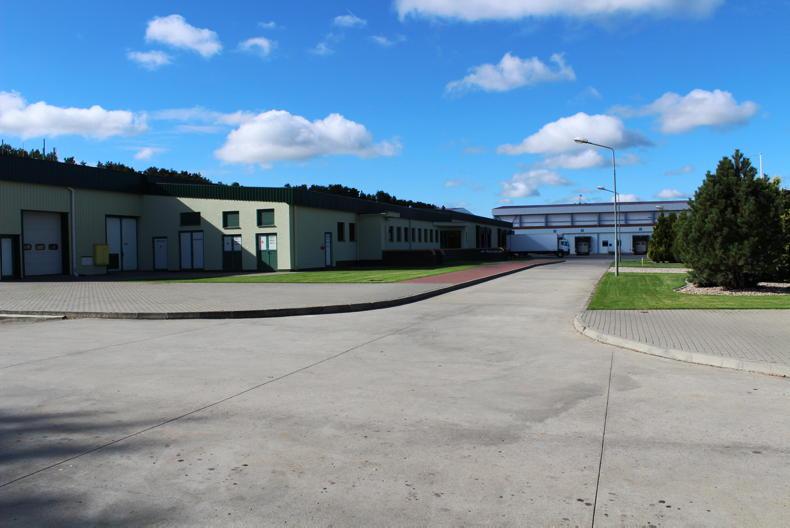
ABP moved into Poland in 2011.
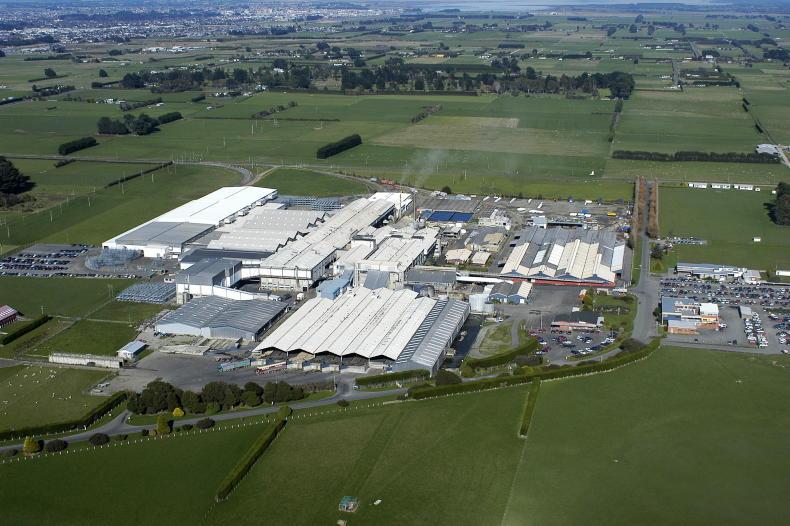
In time, Dawn will want to put its own stamp on the six Alliance factories in New Zealand, though they have well established export markets in Asia and North America.
New Zealand has had an imbalance between production capacity and throughput and this contributed to Alliance deciding to close one of its factories last year.
If there is one thing that the meat-processing industry cannot do without it is a steady supply of cattle and sheep. Dawn no doubt will have looked at the cattle projections in Ireland and the UK and realised that there were fewer numbers available.
Market opportunities
This will also have been noted by the major retail and burger customers of the industry that until recently were locked into using only British and Irish beef. The surging prices of this year has caused a rethink in the buying offices and no doubt their suppliers will have been questioned on alternatives.
The current cattle and indeed sheep supply situation opens the doors for imports in the UK and there is a long tradition of New Zealand lamb being accepted by British consumers, almost as part of their own in the same way as Irish beef is.
While Alliance was already established in this space, Dawn has the expertise and contacts in the UK and EU to develop that further and build beef exports as well.
Import and export statistics aren’t available for individual business transactions, but it will be interesting to watch the performance of New Zealand beef and lamb in the UK in particular over the coming years.
In 2011, prior to ABP acquiring its first factory in the country, Poland exported 3,137 tonnes (t) of beef to the UK. This increased to 9,062t by 2014 and this was doubled by 2017 to almost 19,000t.
Since then, volumes have remained around 18,000t, though in 2024 they dipped below 16,000t.
Concern for Irish exports
UK beef imports from Poland have increased, but not to the extent that Irish markets have been seriously disrupted with other mainland European countries having their market share reduced.
No doubt ABP will be selling beef in the UK, but this will have been in general wholesale markets, as its business with retailers will have been exclusively for British and Irish and for British-only with several of the smaller retail groups.
Only time will tell the impact of New Zealand product. No doubt Dawn will add its marketing expertise to expand the existing Alliance customer base.
Now that it has tariff-free access to the UK, there is potential to grow beef exports in particular. It is less likely with lamb, as it is long established in both the UK and EU and quotas haven’t been filled in several years.
Also, while New Zealand offers an attractively priced product relative to Irish and British, logistics means that it will always be a long way from the market. That is one competitive advantage that Ireland will never lose in relation to doing business in the UK.
Dawn Meats is now in pole position to take controlling interest in the farmer-owned Alliance Group in New Zealand.
Farmer shareholders will have the final say, but with the reality that they need substantial capital investment after two years of trading losses and shareholders not wanting to put their hands in their pockets, the money had to be found somewhere.
Dawn came out top in this process and, if everything goes to plan with the vote and regulatory clearance is secured, Dawn will be in control of the business from next year.
This will mark the latest phase in a decade of growth for the business. It is almost a decade since they entered a joint venture arrangement with Elivia, the French co-op, though it didn’t have a controlling interest and withdrew from that in 2023.
In 2017, it entered a joint venture with the Co Tyrone-headquartered Dunbia, which had been established by the Dobson family and grew to be one of the UK’s largest meat processors. Dawn assumed full ownership in 2020, though the business continues to trade as Dunbia in the UK under Dawn ownership.
Irish meat processors abroad
While Dawn may be travelling the furthest, it isn't the first Irish beef and lamb processor to invest overseas.
Liffey Meats has processing businesses in France and ABP moved into Poland in 2011 and now has three factories in the country.
ABP acquired existing processing businesses and remodelled them to operate in a similar way to established factories in the group.
ABP moved into Poland in 2011.
In time, Dawn will want to put its own stamp on the six Alliance factories in New Zealand, though they have well established export markets in Asia and North America.
New Zealand has had an imbalance between production capacity and throughput and this contributed to Alliance deciding to close one of its factories last year.
If there is one thing that the meat-processing industry cannot do without it is a steady supply of cattle and sheep. Dawn no doubt will have looked at the cattle projections in Ireland and the UK and realised that there were fewer numbers available.
Market opportunities
This will also have been noted by the major retail and burger customers of the industry that until recently were locked into using only British and Irish beef. The surging prices of this year has caused a rethink in the buying offices and no doubt their suppliers will have been questioned on alternatives.
The current cattle and indeed sheep supply situation opens the doors for imports in the UK and there is a long tradition of New Zealand lamb being accepted by British consumers, almost as part of their own in the same way as Irish beef is.
While Alliance was already established in this space, Dawn has the expertise and contacts in the UK and EU to develop that further and build beef exports as well.
Import and export statistics aren’t available for individual business transactions, but it will be interesting to watch the performance of New Zealand beef and lamb in the UK in particular over the coming years.
In 2011, prior to ABP acquiring its first factory in the country, Poland exported 3,137 tonnes (t) of beef to the UK. This increased to 9,062t by 2014 and this was doubled by 2017 to almost 19,000t.
Since then, volumes have remained around 18,000t, though in 2024 they dipped below 16,000t.
Concern for Irish exports
UK beef imports from Poland have increased, but not to the extent that Irish markets have been seriously disrupted with other mainland European countries having their market share reduced.
No doubt ABP will be selling beef in the UK, but this will have been in general wholesale markets, as its business with retailers will have been exclusively for British and Irish and for British-only with several of the smaller retail groups.
Only time will tell the impact of New Zealand product. No doubt Dawn will add its marketing expertise to expand the existing Alliance customer base.
Now that it has tariff-free access to the UK, there is potential to grow beef exports in particular. It is less likely with lamb, as it is long established in both the UK and EU and quotas haven’t been filled in several years.
Also, while New Zealand offers an attractively priced product relative to Irish and British, logistics means that it will always be a long way from the market. That is one competitive advantage that Ireland will never lose in relation to doing business in the UK.








SHARING OPTIONS