



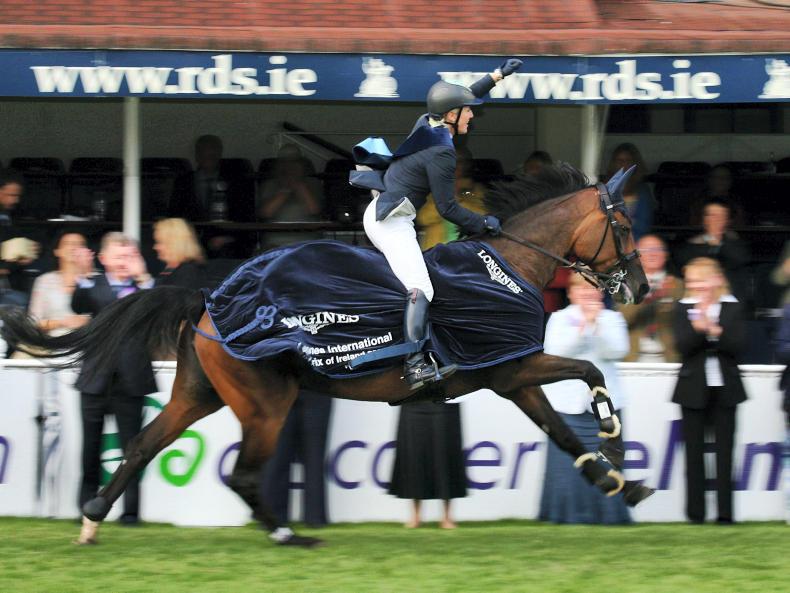
In the heart of the Royal Dublin Society (RDS) on Merrion Road, where the heartbeat of the Dublin Horse Show pounds loudest each summer, sits a quiet corner filled, not with horses, but with stories.
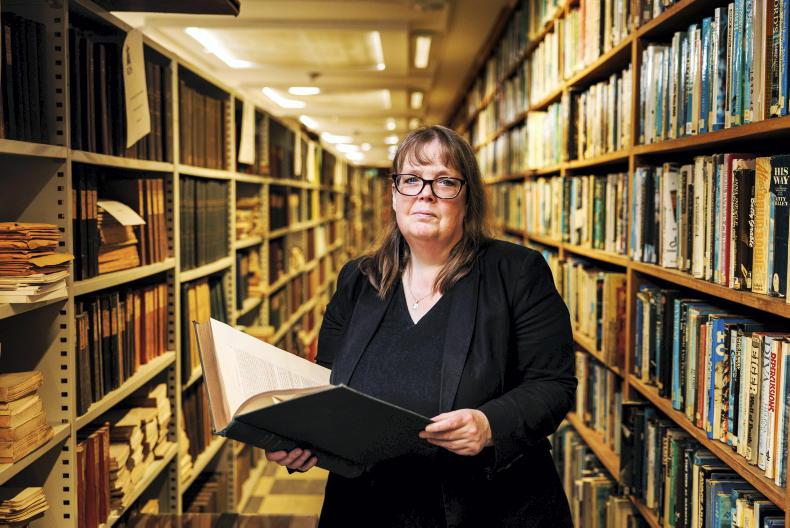
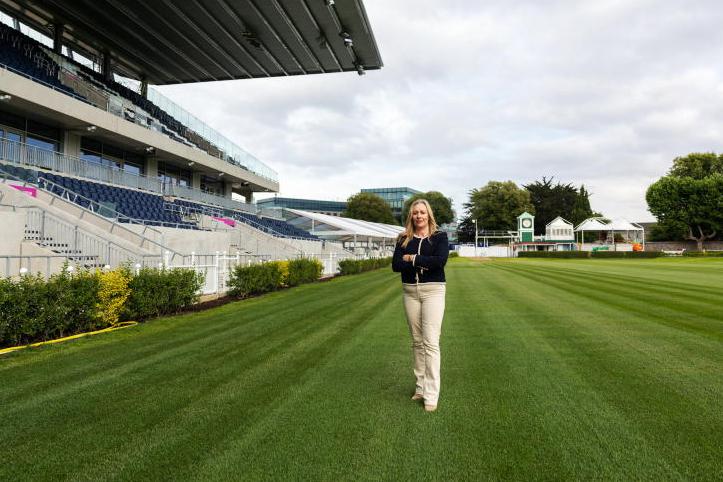
Tucked away in the library, archivist Natasha Serne has spent 18 years preserving the extraordinary legacy of Ireland’s most iconic equestrian event. Part detective, part historian, and part curator, she’s built what may now be the most extensive equestrian archive in Europe.
“Probably by accident rather than design,” Natasha says, smiling. “But I’d say it is.
“When I started, we had the material, but it wasn’t yet a collection,” she explains. “We began digitising it in earnest around 2011, and the digital archive went live in 2019 – just in time before Covid, thankfully. That timing meant people could access it from home when everything else shut down.”
And access is what it’s all about. From century-old show programmes to posters painted by Irish female artists, the RDS Digital Archive brings over 150 years of history of the Dublin Horse Show to life. But it’s also filled with plenty of surprises.
“Everyone thinks Richard Flynn on Shane Rhue, was the first Stone Wall winner in 1868. Turns out he was actually joint first with a horse called George owned by Andrew Hanlon from Prosperous. We only discovered that recently and had to go back and reword everything.”
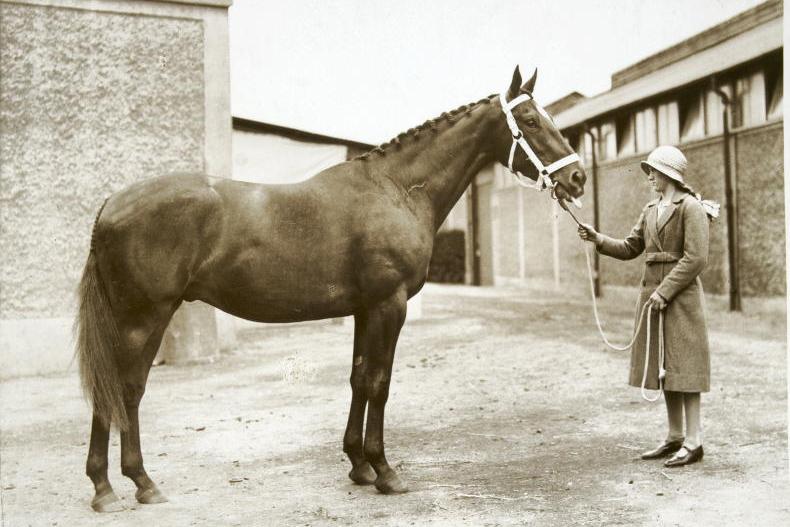
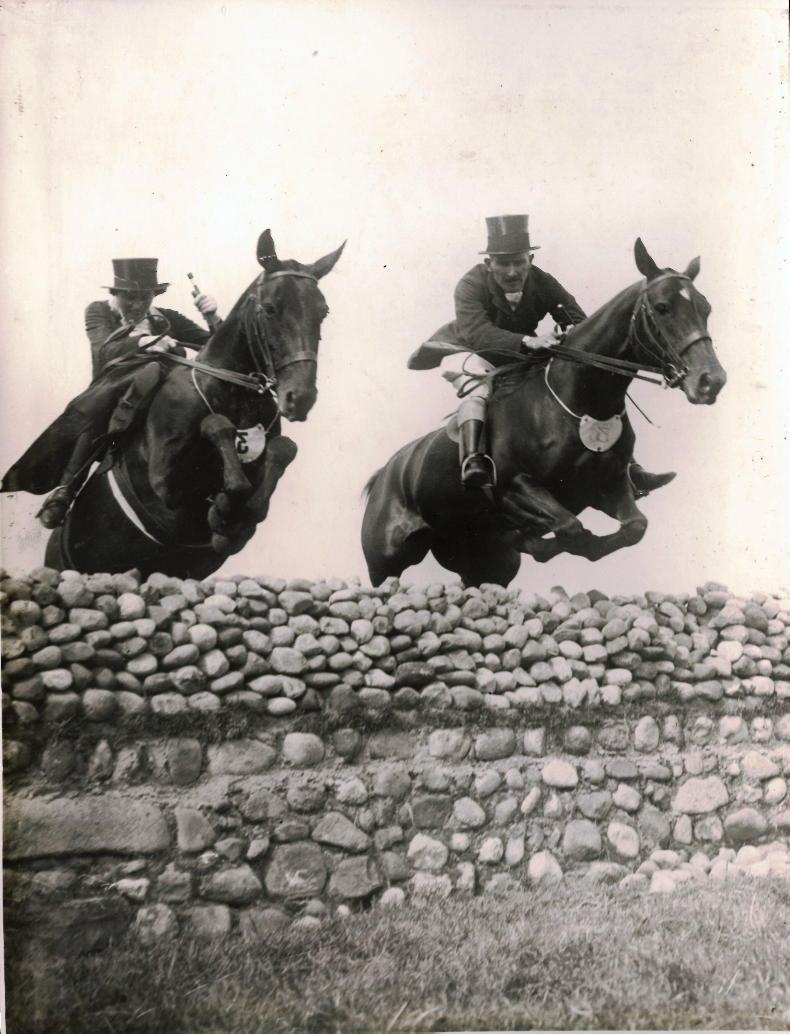
The archive is full of such discoveries. “One of my favourites is a shot of two riders going over the hunt fence in 1925 – one man, one woman. You can feel the energy of the competition. I’ve also got pictures of side-saddle jumping, and early action shots taken for the Irish Times back in the 1930s.”
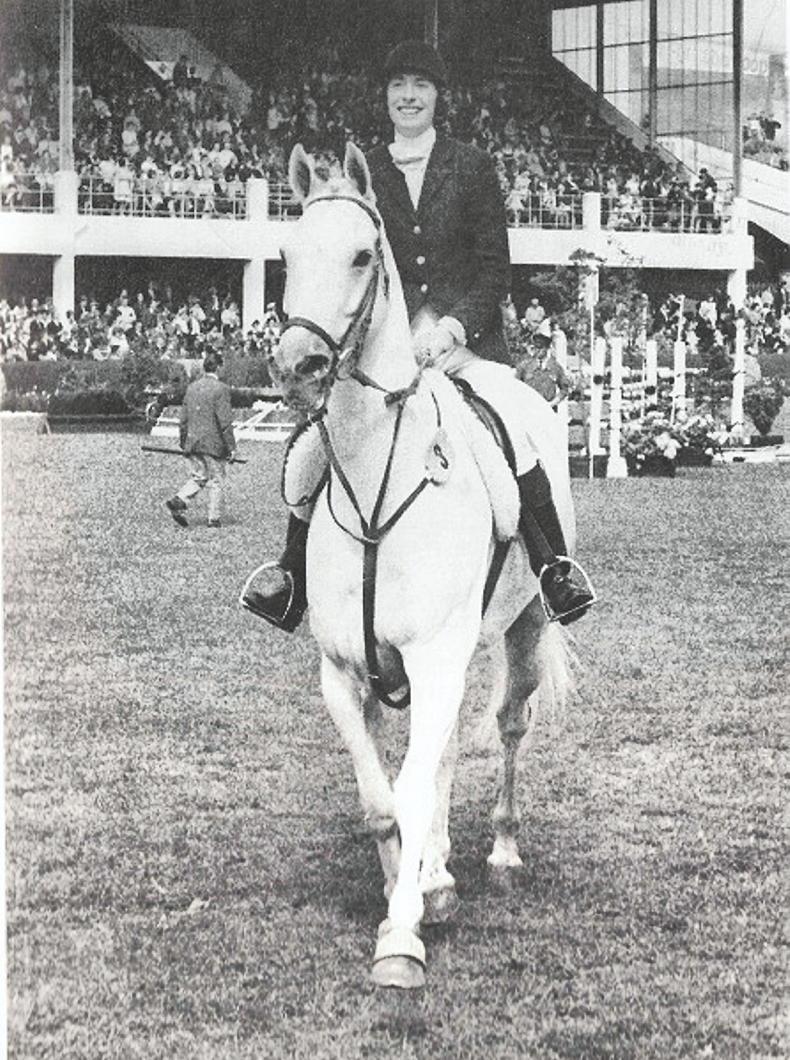
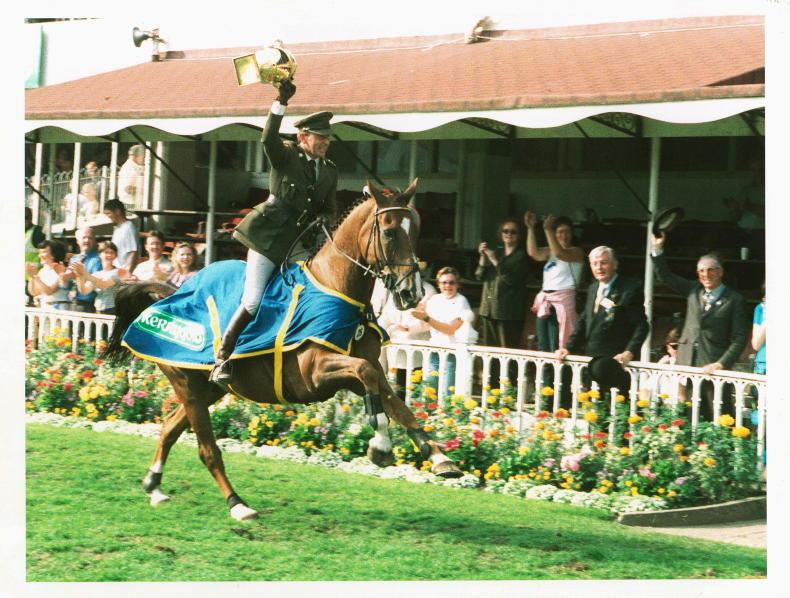
Not all the treasures are photographic. There are stories too — like the time rider Diana Conolly-Carew had to lead her champion horse, Barrymore, on foot during the 1963 presentation.
“She told me, ‘He was a dancer – if he heard music, he’d start to jig.’ She couldn’t risk riding him into the arena.”
And then there’s the water jump that once stood outside the National Library – back when the show took place on the grounds of Leinster House right back in 1864. “Even Leo Varadkar didn’t know that when he visited. He was amazed that the show had ever fit there.”
The archive’s role
For many Irish families, the archive unlocks personal histories. “One man used to call me every year, asking for a photo of his pony, Sparky. He remembered it from his childhood visit. I haven’t heard from him lately – I think he may have passed away. But I never stopped looking.”
The archive’s role is more than nostalgic, it is of national importance, supporting serious industry work. “When the national studbook for Irish mares was compiled, they used our records – all those old breeding catalogues and show results were essential,” explains Natasha.
The archive has also preserved some wonderfully Irish marketing efforts. One of Natasha’s favourite RDS exhibitions, Selling the Show, focused entirely on the RDS’s early advertising – including cigarette tins, vintage trade posters, and even travel packages from London.
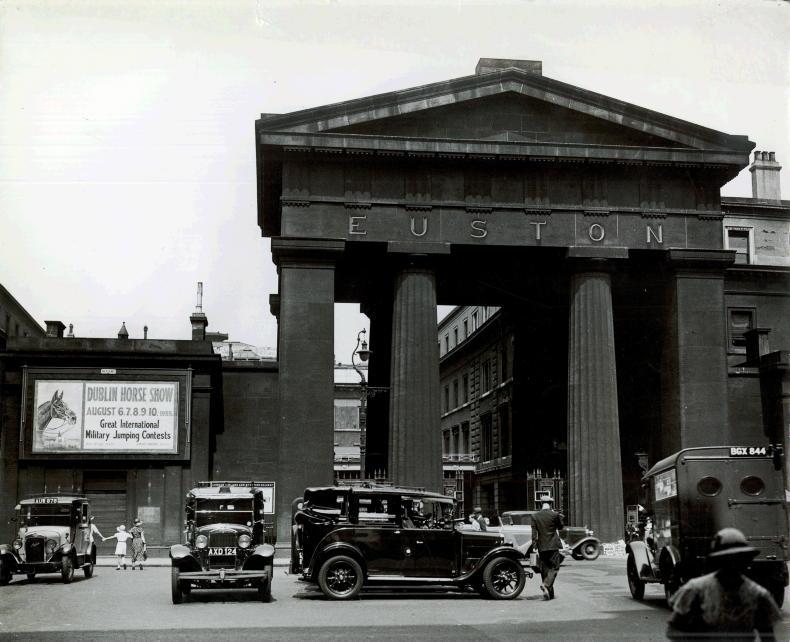
“In the 1950s, John Higgins, who ran an advertising company in the UK, gave the RDS prime billboard space in London. There’s a wonderful image of a Horse Show poster outside Euston Station – beside a bomb site, no less. It was a really powerful moment for Irish sport and tourism.”
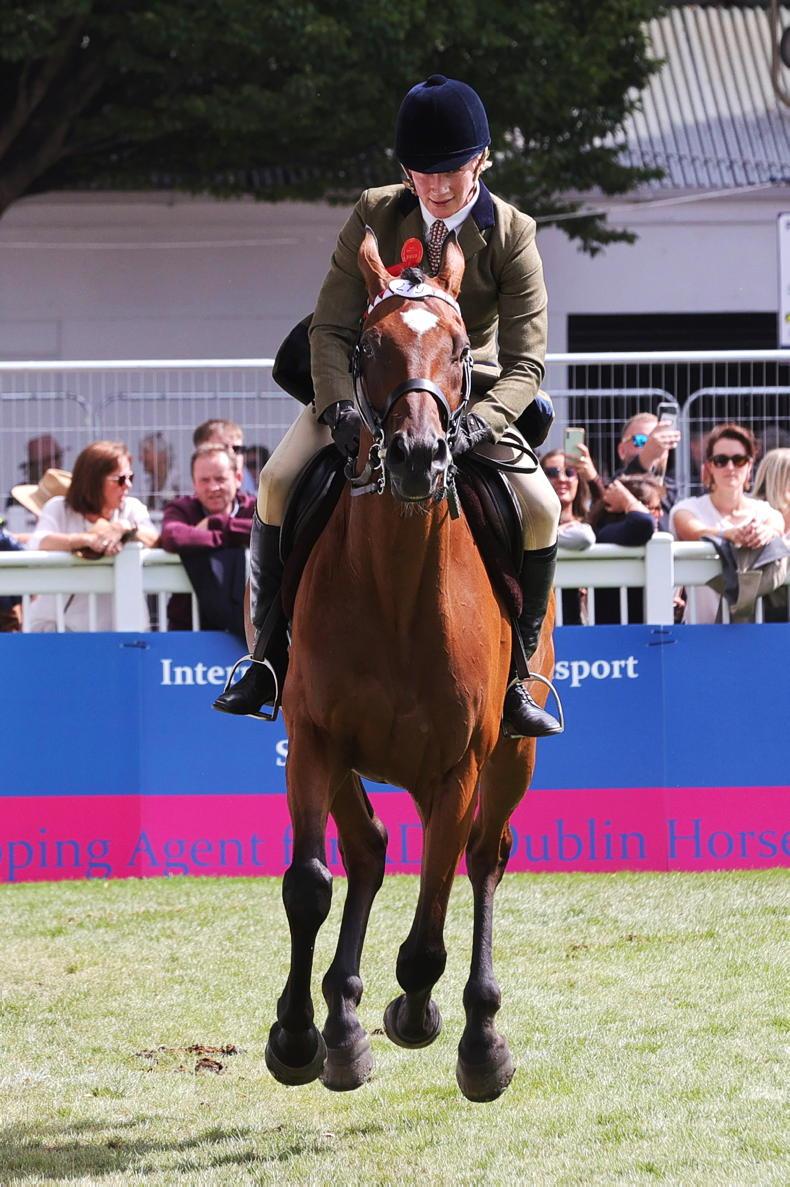
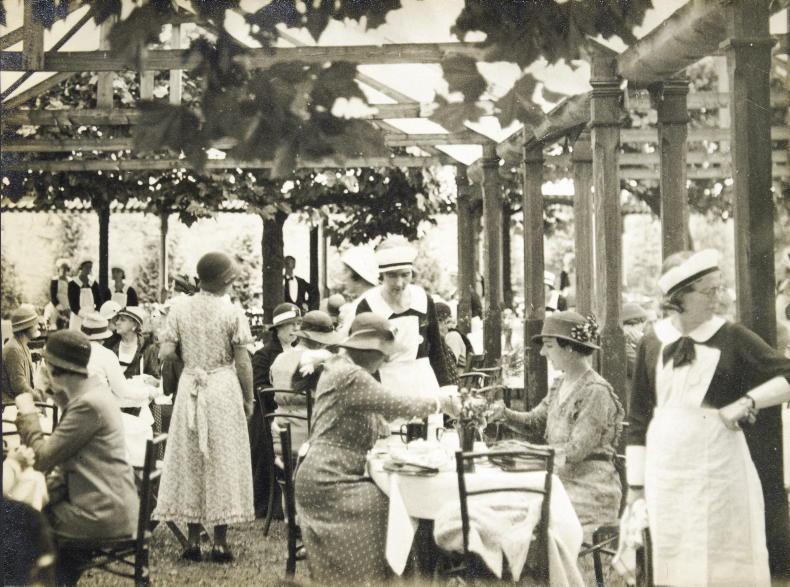
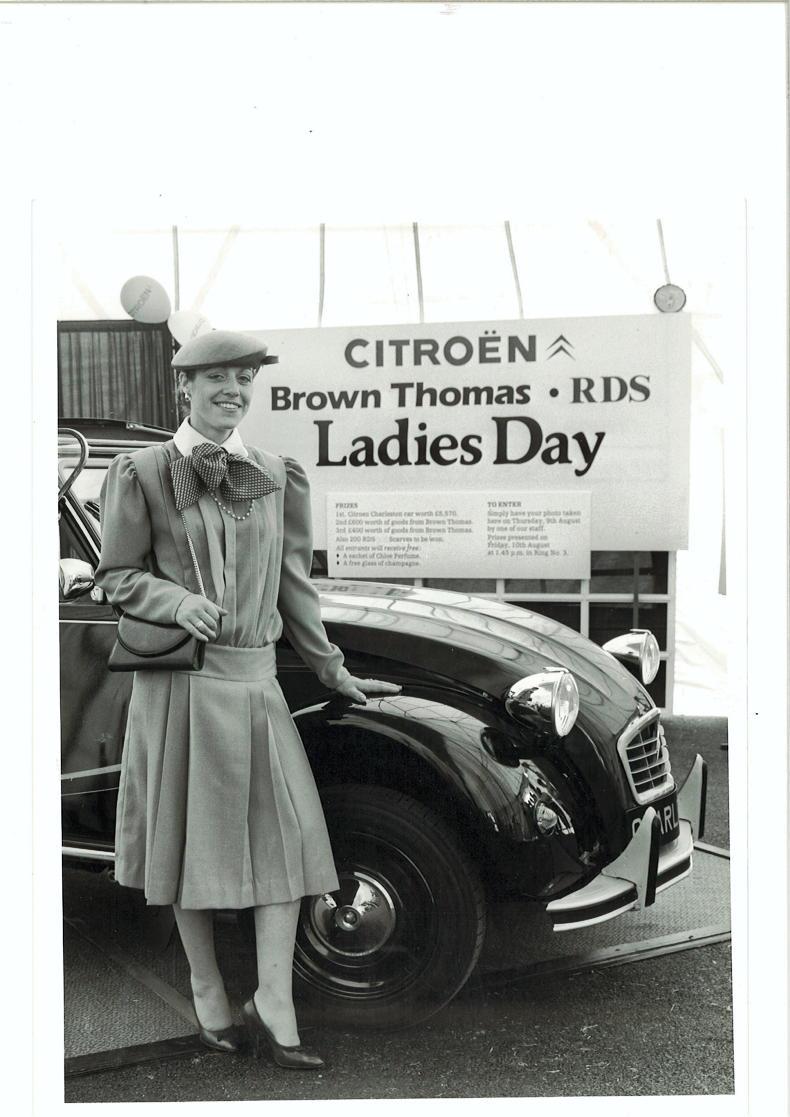
For years, the Dublin Horse Show was a major fixture on the London and Irish calendar, with shoppers, theatre-goers, and race enthusiasts flocking to Dublin each August. “Ladies from the country would come up to town with their orders ready – department stores would hold everything for them during Horse Show week. It was a massive social occasion.” That tradition still lingers in the sparkle of Ladies Day, though its official origins are more recent than most assume. “It didn’t formally begin until 1984,” Natasha says, showing off a brilliant photo of Nicola McAuliffe, the very first winner.
“Thursday was known as Ladies Day from 1919, Thursday being the the day when women were first allowed to jump and compete.”
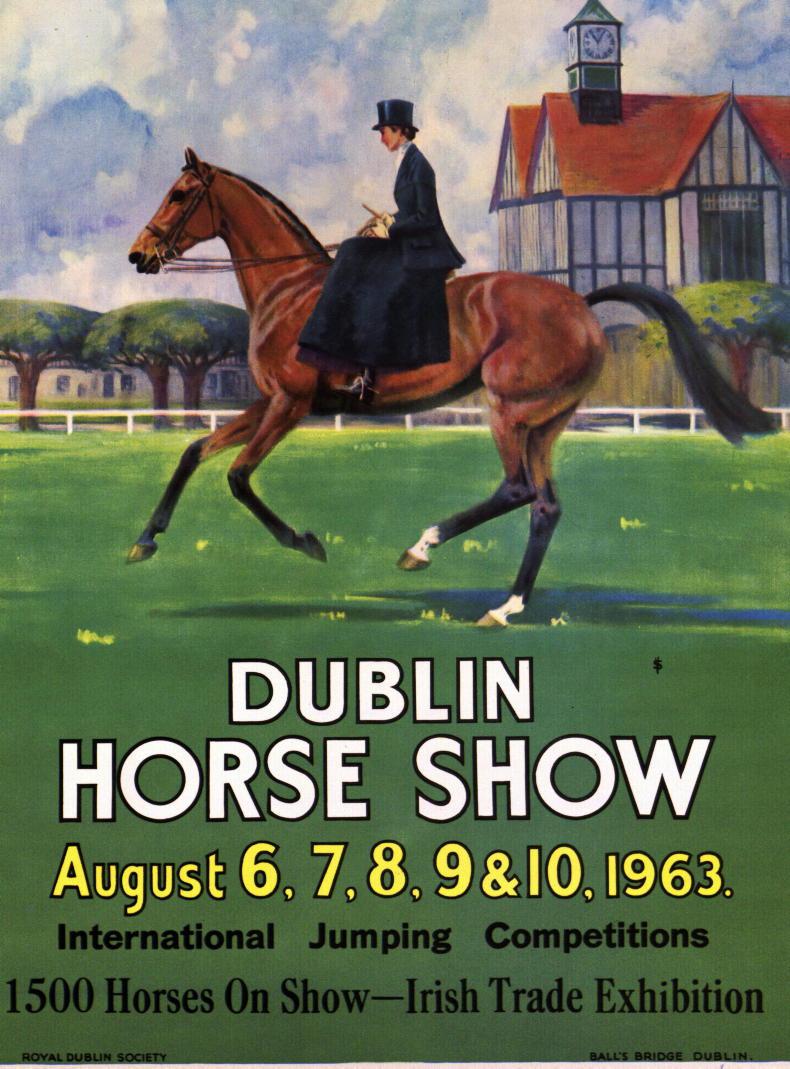
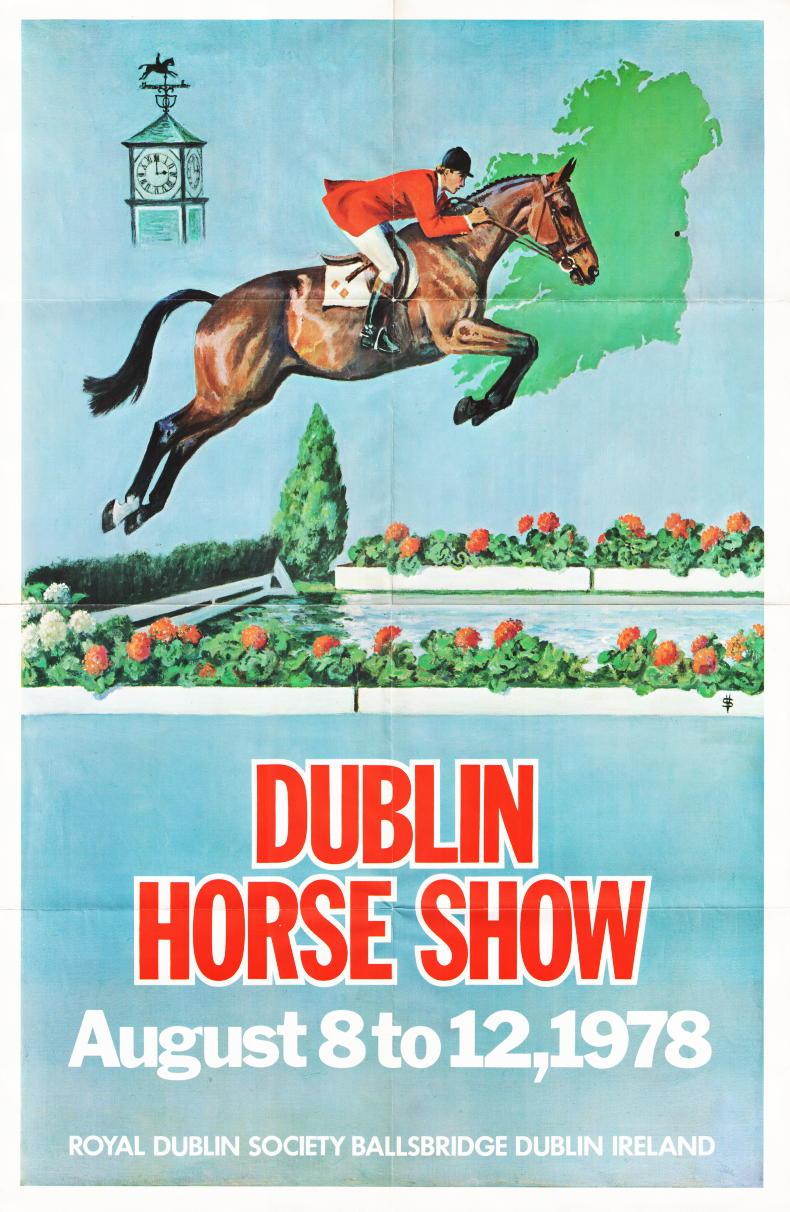
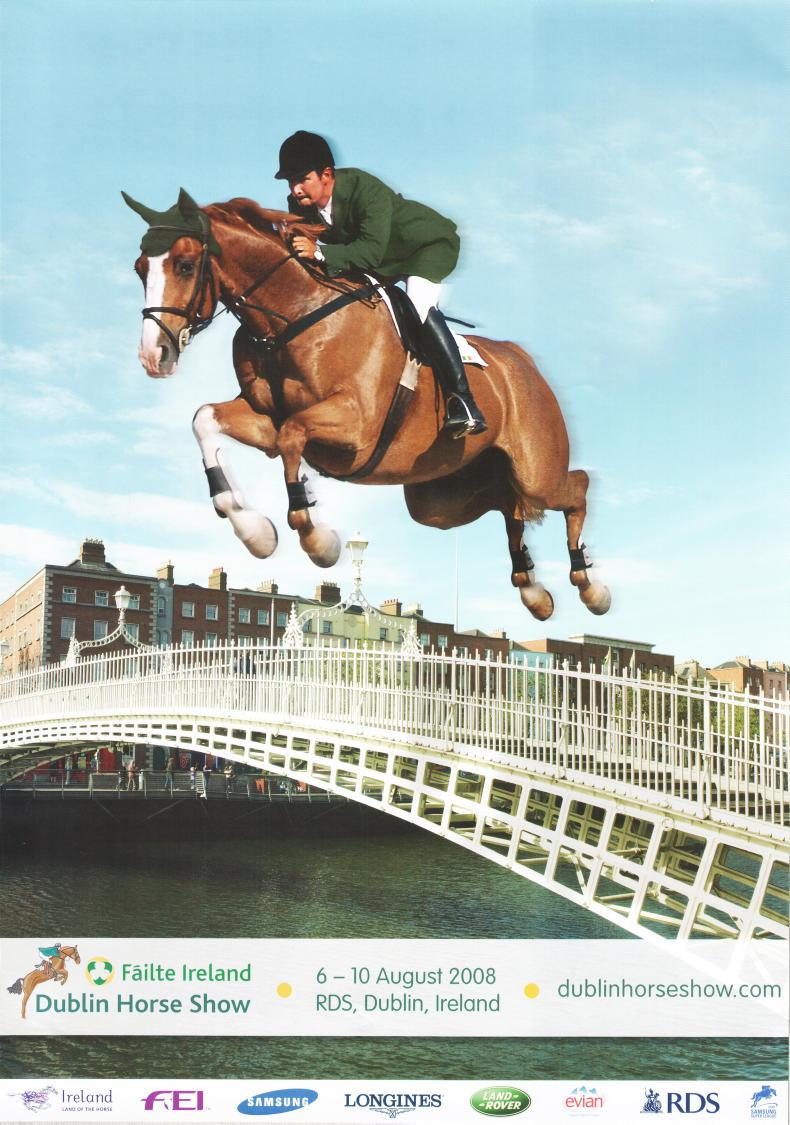
The archival poster images – of horses mid-leap and women in elegant dresses – have become iconic. Many are hand-painted, like the 1930s and 40s posters by Olive Whitmore and Violet Skinner, who submitted their work with painted lettering for approval. “Some of the original paintings survived,” she says. “You can see where they trimmed off the lettering. It’s a wonderful link between fine art and sport.”
The archive is always growing. Recently, the library received the personal collection of Lady Averil Swinfen, founder of the Irish Donkey Society. “She wanted a donkey class at the show and was told it had to be a charity, so she created one.”
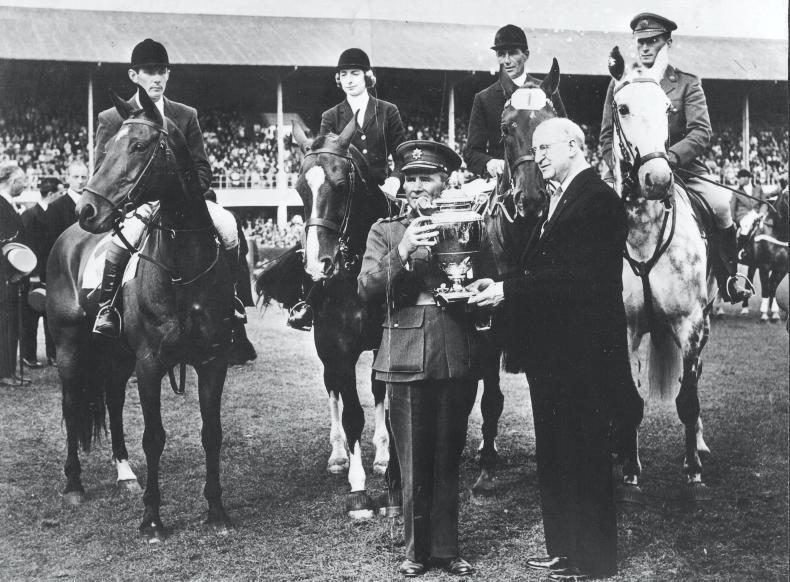
Another family donated albums from the riding school at Burton Hall – filled with personal photos and early images from the Aga Khan Cup.
“People often come in with significant collections,” she says. “Some families want their legacy protected; others are simply cleaning out an attic. Either way, we try to give it a proper home.”
The archive also includes personal papers from equestrian legends like Iris Kellett and Tommy Brennan and every show catalogue up to 2019 – searchable by year, class, or even horse. The work is intensive. “What people see is the tip of the iceberg. There’s so much that goes on in the background – descriptions, context, metadata. And yes, a lot of scanning,” she adds with a smile. So what keeps her going?
“This – it’s a legacy,” she says simply, gesturing to the gleaming screen. “And it’s still growing. We’re preserving it not just for today, but for the next generation.”
And perhaps that’s the quiet brilliance of Natasha’s work: making the past accessible to the future – whether it’s for researchers tracing a bloodline, or a little girl discovering her grandmother once rode side-saddle over a double bank in Ballsbridge. “Everyone has a story about the Dublin Horse Show. This is where we keep them safe.”
\Dublin Horse Show Archive


SHARING OPTIONS