



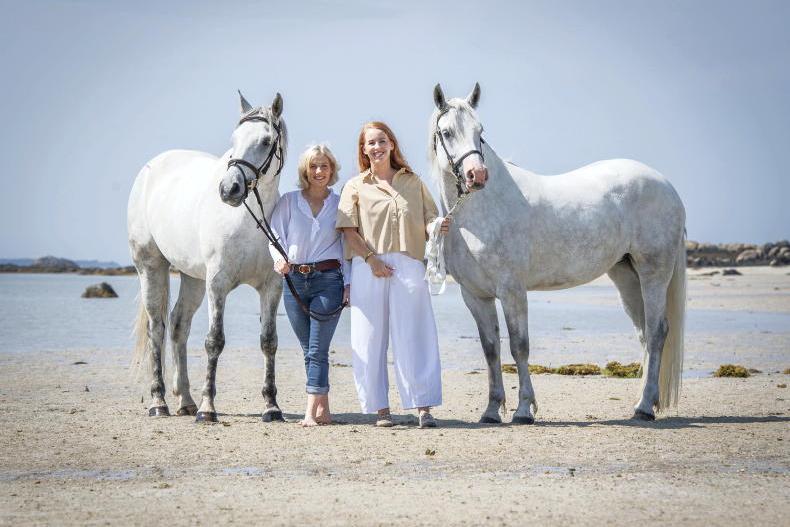
The Dublin Horse Show may last just five days, but for the editorial team behind Horse World in The Irish Field, preparations begin months before the first horse sets foot in the RDS.
Long before the showgrounds fill with exhibitors, international riders and visitors, editor Judith Faherty is filling notebooks with ideas for the annual Dublin Horse Show magazine. By February, features are already beginning to take shape. By May, commissions are underway. Alongside the glossy magazine comes a 40-page show supplement, podcasts, live digital coverage, reader events and of course the weekly newspaper itself.
It is an extraordinary workload for what is, in reality, an extraordinarily small team.
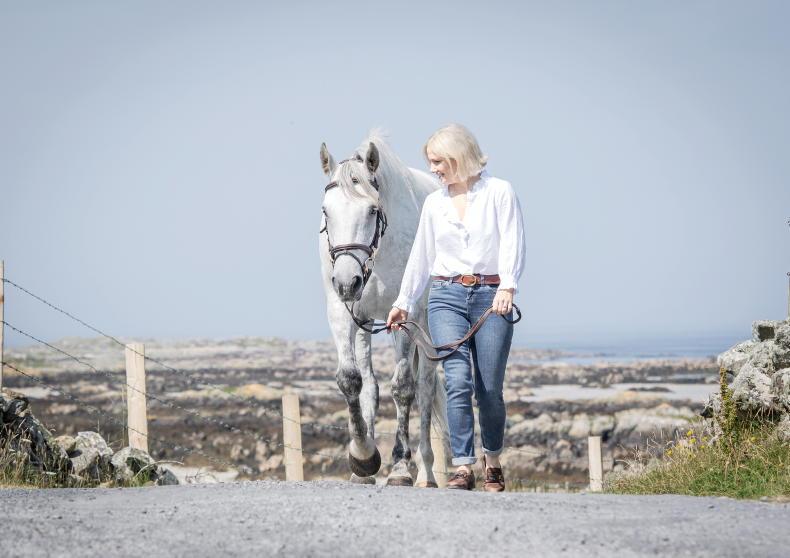
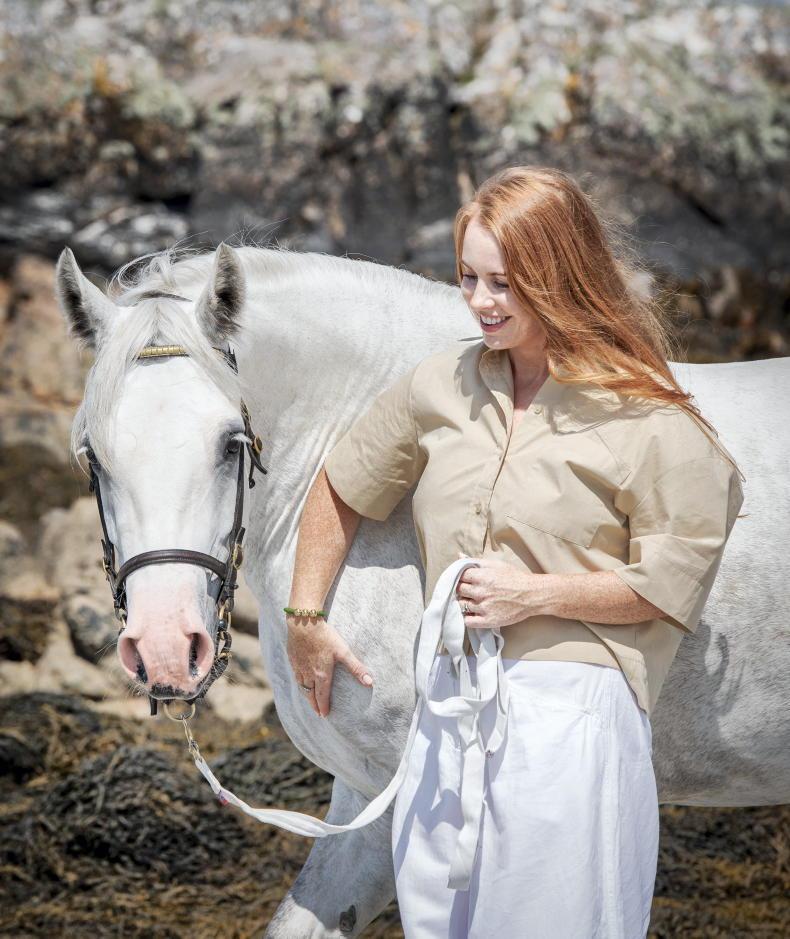
Working largely from Clifden in Connemara, Judith and assistant editor Lesley Hunter-Nolan oversee Horse World with the support of two part-time staff and a network of trusted contributors. Every week they produce the most respected and oldest equestrian publication in Ireland, balancing news, features and analysis, while remaining at the heart of an industry they both care deeply about.
Like everyone who has a horse in Ireland, my dream was to jump at Dublin
Their journeys into journalism have been different, but both were driven by the same determination to keep horses central in their lives.
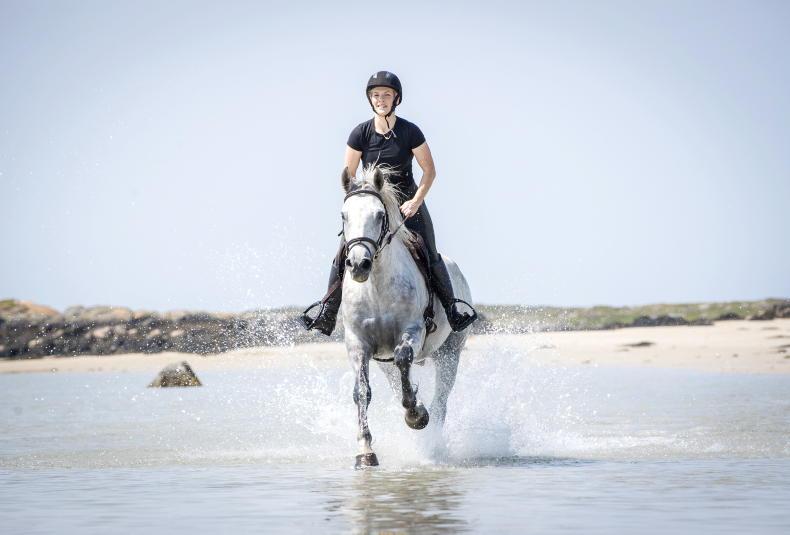
For Judith, horses have always been inseparable from home. Growing up in Connemara, she developed an early love of show jumping and eventually trained with international rider Cameron Hanley. After securing a place to study journalism at the University of Limerick, she deferred for a year to work in Switzerland with Irish international show jumper Niall Talbot.
She returned to Ireland to complete her journalism degree, but not before achieving a lifelong ambition. In her final year as a young rider, after years of trying to qualify, she earned her place at the Dublin Horse Show.
“Like everyone who has a horse in Ireland, my dream was to jump at Dublin.”
Competing in Simmonscourt alongside riders she had admired for years remains one of her defining memories. Today, she experiences the show from a different perspective, reporting from ringside as editor rather than rider, but she believes that first-hand understanding of the competitors’ emotions continues to shape her journalism.
Always quietly calling
Raised in Kildare, horses and ponies were Lesley’s obsession, although she jokes she had to “beg, borrow and steal” for every opportunity to ride. She studied business and politics at Trinity College Dublin before discovering that the part of university she loved most was writing.
Journalism also ran in the family. Her grandfather, Arthur Hunter, had been editor of the Irish Press, and although she never met him, she believes the profession was always quietly calling.
After completing a year at Grennan College studying for her British Horse Society qualifications, she faced a decision. Should horses become her career?
Instead, she chose journalism.
“It finally dawned on me that I didn’t want horses to be my job. I wanted them to be my love.”
A master’s in journalism led to local newspapers, covering everything from council meetings and court cases, to crime and community events. She thrived.
“I was churning out more than 30 stories a week. It was a baptism of fire, but a brilliant introduction to journalism.”
Then came Australia.
What was intended as a year travelling turned into almost two decades after the financial crash transformed the employment landscape back home. Lesley joined local newspapers before progressing through News Corp Australia, editing newspapers, managing teams of journalists and helping shape the company’s growing digital strategy.
She fulfilled another ambition by joining Brisbane’s The Courier-Mail, where she worked as tablet editor, assistant night editor, chief of staff and opinion editor. Along the way she appeared regularly on Sky News and radio discussing the day’s headlines.
Looking back, she credits one characteristic above all others.
“I said yes to everything.”
Journalism, she believes, rewards curiosity more than comfort.
“You have to be prepared to push yourself outside your comfort zone. You have to ask the difficult questions and speak to people you don’t know. I actually think it was my personality that made me a journalist.”
That experience unexpectedly found its way back into the Irish equestrian world through a remarkable chain of coincidences. As Lesley prepared to move home to Connemara with her husband and three children, Judith’s sister happened to view her house in Australia. Days after arriving back in Ireland, Lesley met Judith at a local music festival, discovered The Irish Fieldwas advertising maternity cover for Horse World and, despite having no childcare organised and barely unpacking the family’s boxes, submitted an application.
“It felt impossible,” she says. “But I thought, just go for it.”
She got the job.
Judith describes Lesley’s arrival as “an angel sent from heaven”, bringing with her decades of newsroom experience just as Horse World entered a new chapter.
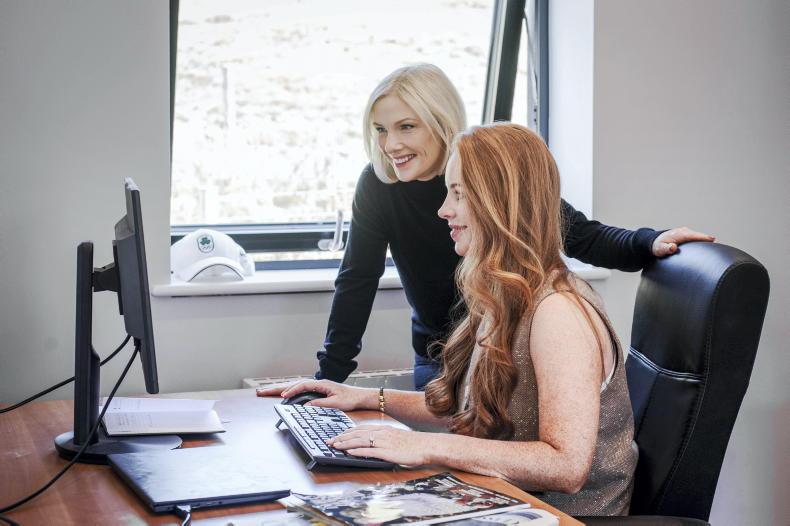
Newsroom experience
Together they now share responsibility for one of the busiest weeks in Irish equestrian journalism.
By the time Dublin Horse Show arrives, months of planning culminate in a relentless schedule. The team produces the show magazine and preview supplement, hosts industry breakfasts and reader events, records podcasts, maintains live digital coverage and still publishes the weekly newspaper against immovable print deadlines.
Friday’s Aga Khan Nations Cup remains the defining moment.
“You’re sitting ringside writing as each rider comes in,” Judith says. “The photographer is sending images within minutes, the desk is asking whether Ireland are going to make the podium and whether we need to change the front page and you’re trying to get the report written before racing to the press conference. It’s stressful, but it’s so exciting. The adrenaline is incredible,” admits Judith.
Lesley laughs that Dublin Horse Show week feels like “going over the top of a roller coaster”.
“You just tip over the edge and it’s go, go, go. It’s a wonderful type of chaos.”
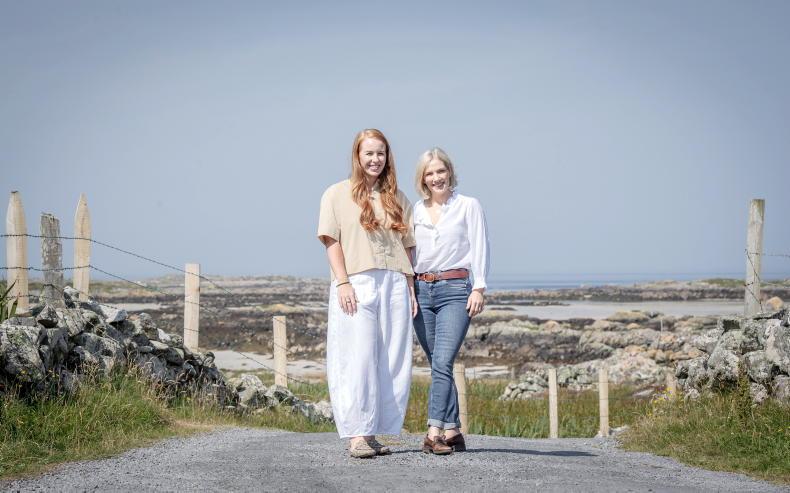
Between classes, they race from the press room to interview winners moments after career-defining performances – before sprinting back upstairs to finish pages.
“It really is a privilege,” Lesley says. “Sometimes you’re speaking to someone who has just achieved a dream they’ve chased for 10 years. To witness that emotion is incredibly special.”
Families and work
Both women are also mothers, and both rely on patient families who understand that week belongs almost entirely to Horse World.
“Everybody knows Lesley is gone that week,” she laughs.
Judith agrees that once Dublin begins, there is little room for anything else.
“I drive to Dublin on Tuesday morning and hope their father and their grannies can manage! It’s hard to leave the children, but we’re incredibly lucky to be able to write about something we’re genuinely passionate about.”
Despite the long hours and inevitable juggling act, neither would swap careers.
For anyone hoping to follow a similar path, both offer remarkably similar advice. Ride, if you love riding. Write whenever you can. Say yes to opportunities. Stay curious. Ask questions.
Be willing to step outside your comfort zone. Most importantly, remember that journalism is ultimately about people.
“Be a truth seeker,” Lesley says. “If you have an inquiring mind and you’re willing to keep learning, you’ll do very well.”
It is fitting advice from two women who discovered that they did not have to choose between horses and journalism. Instead, they found a way to build careers that allow them to celebrate both, ensuring that every August and indeed, every week, while the country watches the action in the ring, someone is there to tell its story.


SHARING OPTIONS