
I love a good storm. Since moving to west Cork four years ago, storms have become a life norm. As I write today’s column, the stove is on, the wind is howling up from the Atlantic and the rain is pretty much horizontal.
Cup of tea in hand, I love just sitting here watching and listening to nature do its thing as I work. I have a weather vane that measures all the stats and sends the info to an app on my phone, appealing to my love of numbers and statistics.
Numbers and knowledge are power. Know a number and you can remeasure and change it. Bury your head in the sand and ignore them and you are playing the game of chance. No matter what your numbers are, you are always better off knowing them.
When it comes to healthy ageing and living healthier, they are the key. Want to feel more motivated? Know your numbers. Want to feel stronger? Know your numbers. Want to lose weight? Know your numbers.
So let’s have a look at some tests that you should be doing on a regular basis. I have split the tests into those that you can do yourself and those where you need to visit a medical professional. Four tests to do yourself
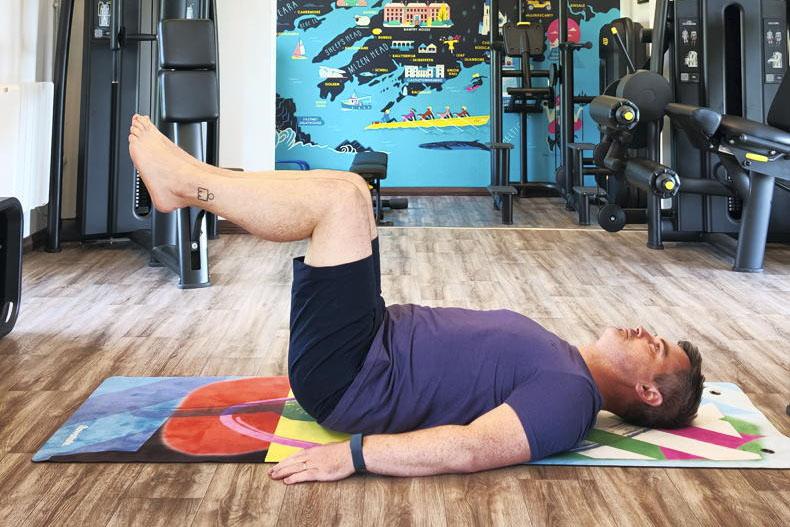
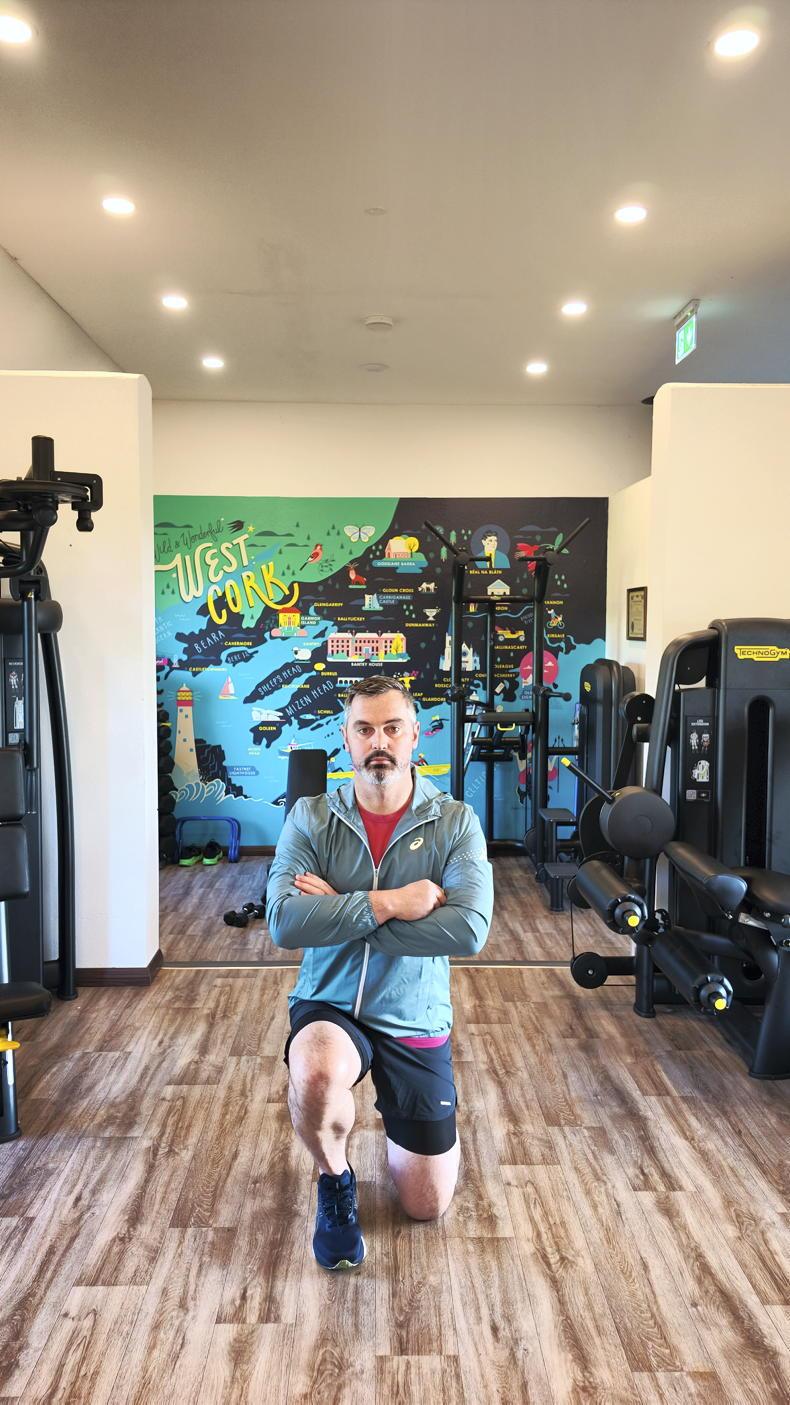
1. Floor to stand: can you get down on the ground and back up again without using your hands? It is a great ageing-independence test as you get older. It sounds easy but actually it’s pretty tricky.
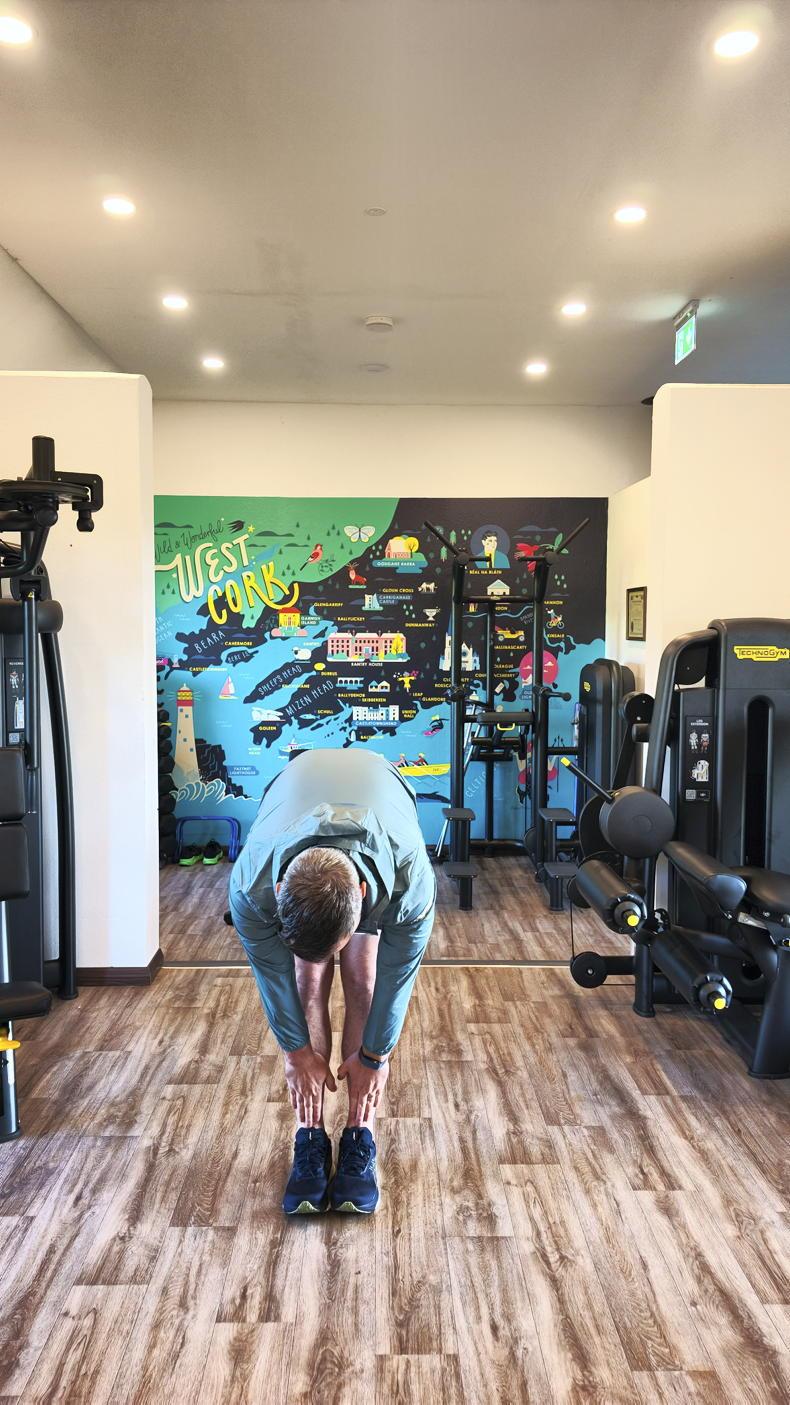
2. Flexibility: can you touch your toes? Stand with your feet together, take a deep breath in, straighten your arms above your head and then bend forward, placing your hands on the front of your legs and moving them down as low as you can. Flexibility is linked to healthy ageing and healthy backs too.
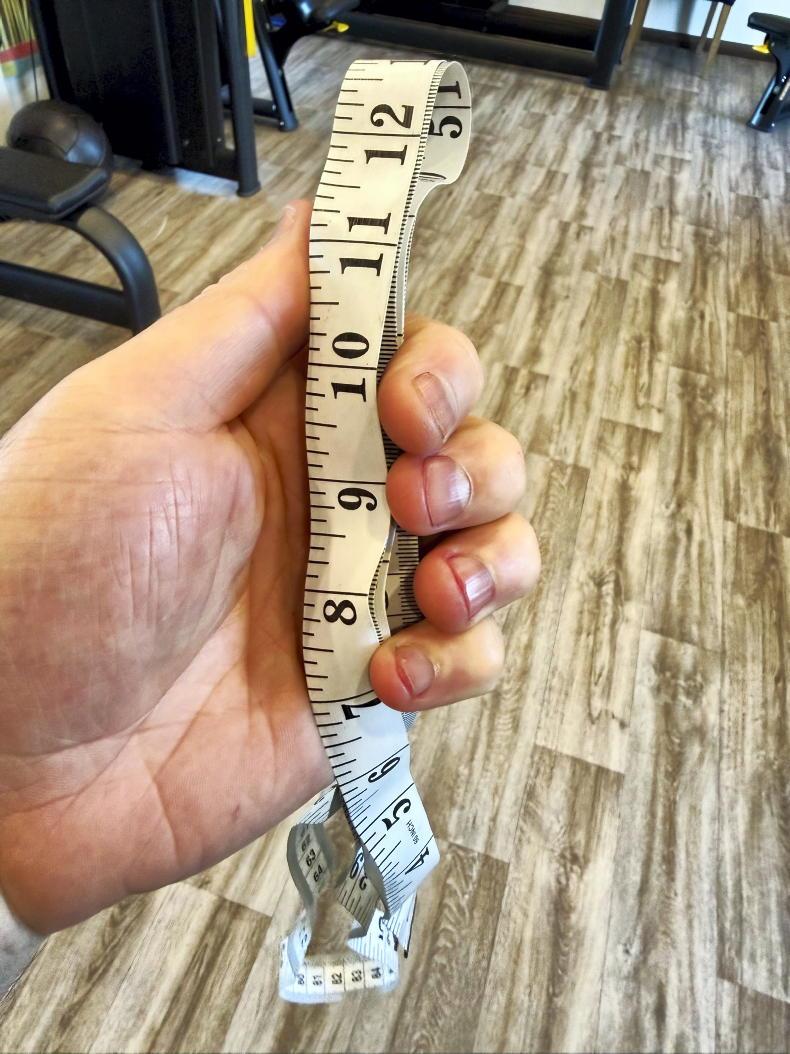
3. Waistline: high waist measurements equals high risk of health-related issues, so know your waist. Take a tape measure, place it at your belly button and breathe normally, ideally taking the measurement in the morning. Aim for under 40 inches.
indicator of overall health risk.
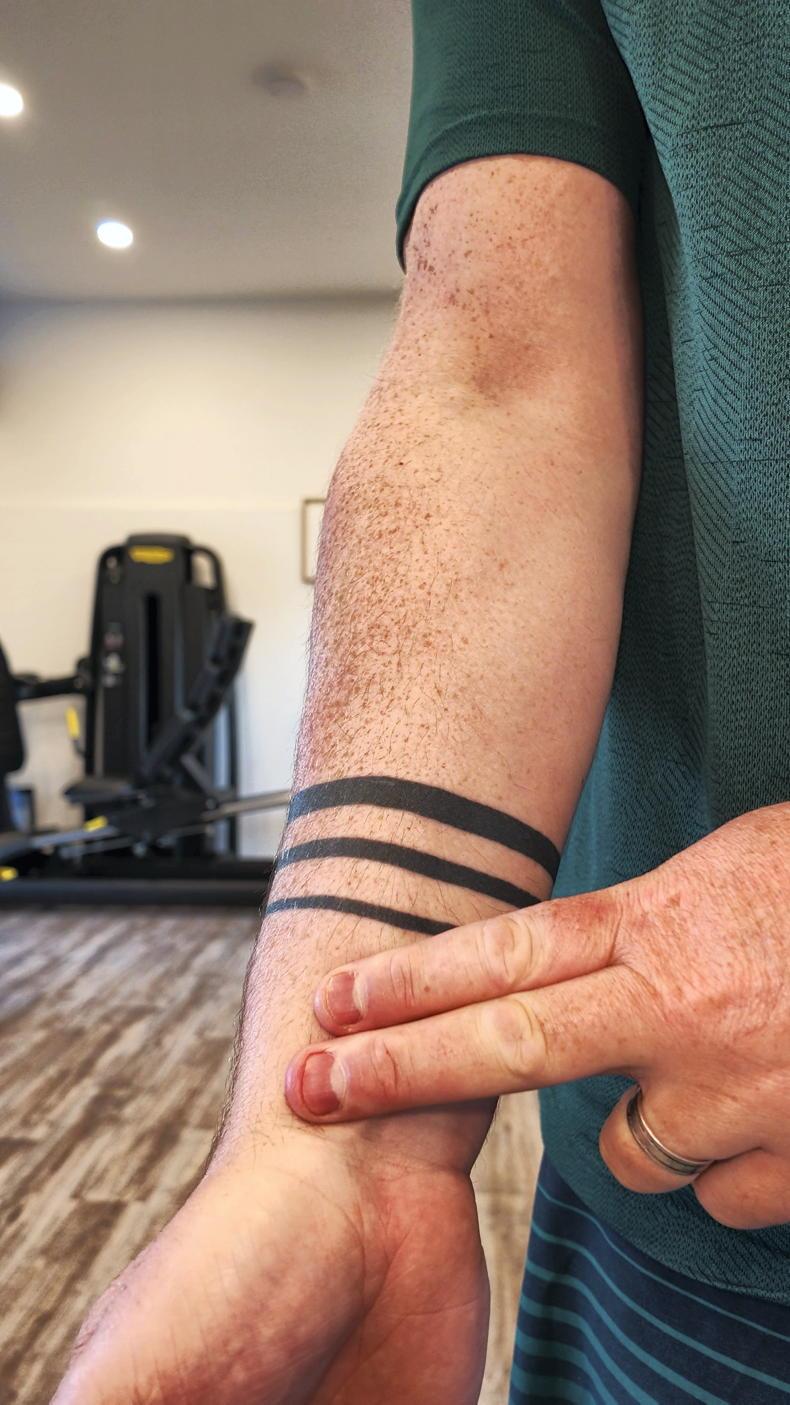
4. Heart rate: your heart rate can tell you so much. Ideally, take it in the morning before you get out of bed. Take your pulse at your wrist or neck for 60 seconds. Ideally, it should be between 50 and 70 beats per minute.
your pulse and
check your resting heart rate.
Three screening tests
1. GP: we should all be checking in with our GP once a year, or sooner if an issue arises. Getting the usuals checked, like blood pressure, reaction time, eye health and hearing, is really worth doing. I would also recommend getting your bloods done each year too. I get my own done every six months.
2. Eyesight: if you are straining to read this column or find your eyes getting tired at night watching television, then it is time to see the optician for an eye health check.
Again, I noticed my eyes getting tired and off I went and got tested. I got glasses which are great now when I need them. I was blown away by how detailed the scan was.
3. DEXA: For women over 50, especially if you have a family history of osteoporosis, a DEXA scan is a great referral to get from your GP. Known as the silent disease because you don’t know you have it until you fall, getting a DEXA scan can make a huge difference to your bones with movement, weights and calcium in your diet.
Next week, let’s chat all things cycling.