



Across many Irish rural towns, vacant buildings and declining populations have left once-thriving streets struggling to remain the heart of local communities. Recent Government initiatives such as Town Centre First and the Historic Towns Initiative aim to bring neglected buildings back into use, but much of this work is happening on the ground as residents rally to restore buildings themselves.
Kilbeggan in Co Westmeath is one such example. Its distillery, Main Street and Square are designated Architectural Conservation Areas (ACAs), recognising their significance.
Like many rural towns, Kilbeggan saw many of its heritage buildings standing vacant by 2020. Thankfully, community-led refurbishment is now breathing new life into them.
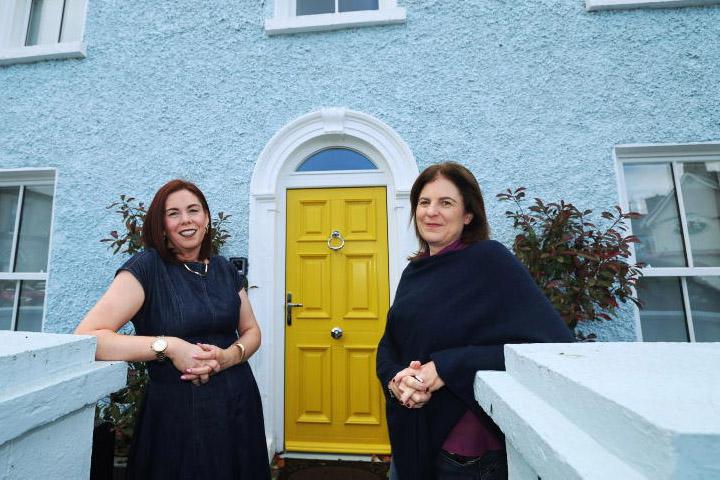
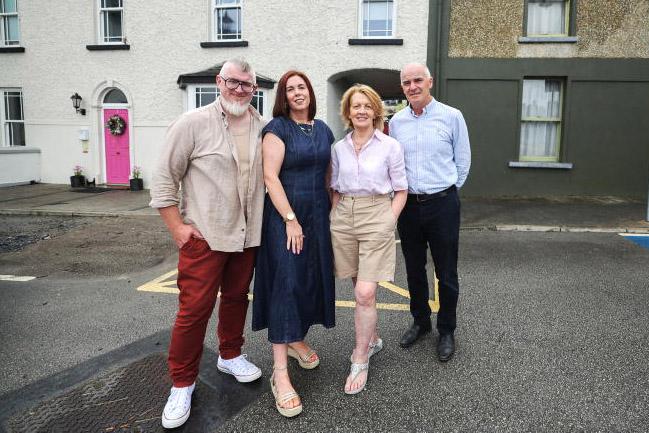
Aisling Twohill is a lecturer in Mathematics Education in DCU and chair of the BEd. As secretary of the Kilbeggan Town Team – a voluntary group established in September 2025 as part of the Town Centre First programme – she also leads its Derelict and Historical Buildings Working Group.
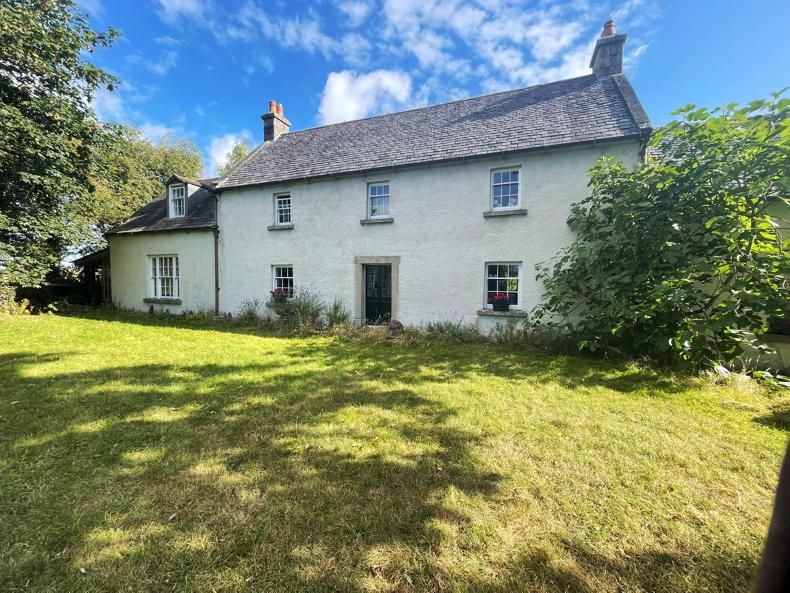
19th century house
Aisling recently renovated an early 19th century home on the Square in Kilbeggan, where she lives with her three teenage children. For years, she had noticed the derelict house on her way to work, and when she needed a home, it happened to be up for sale.
While Aisling was approved for the Vacant Property Refurbishment Grant (VPRG), structural issues made the project a significant financial undertaking.
“In reality, the €70,000 is fine for a house that doesn’t need anything structural,” she says. “But I think that the grant needs to have another level for the houses that need structural work.”
“I expected to rewire, replumb, paint and furnish, but my house needed an entirely new steel structure and foundation, and I had to move the stairs.”
Despite the cost, Aisling is thrilled: “I have a beautiful, period-looking house on the outside, within an architecturally protected square. And inside I have a house that is efficient to run and warm and comfortable and easy to maintain. I’m delighted with everything.”
Good neighbours
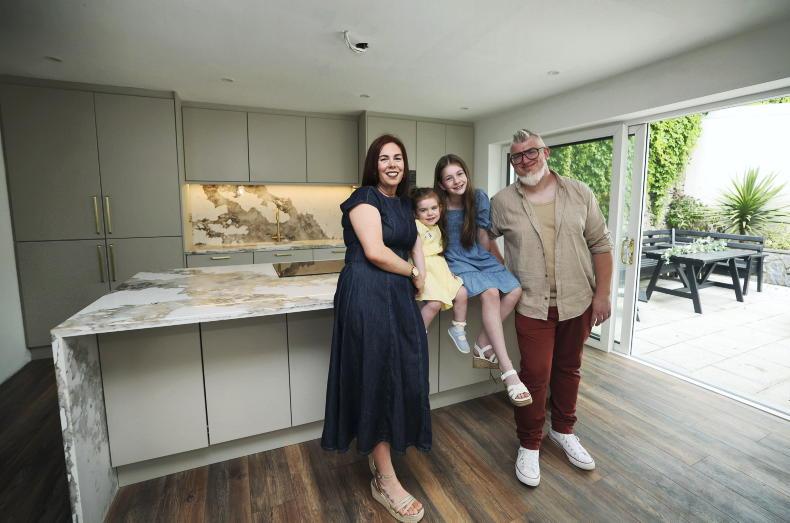
Ciara and Cathal Slammon are neighbours of Aisling. The couple were living nearby in Moate and expecting their third baby when they bought a house on the Square in 2023.
“It needed a lot of work”, says Ciara, who works as a business development leader in mental health and wellbeing with Lena by Inspire, as well as a self-employed mediator.
Painted walls hid mould and damp, the wall panelling crumbled when touched, and the heating system didn’t work.
“But we were still delighted,” says Ciara.
A major milestone came on 6 March 2024, when the heating and windows were finally completed. Ciara says: “The heating guy fixed the heat, the windows got installed and everyone said, ‘we’re done now, goodbye’.
Cathal came home from work at 4.30pm. And I was like, ‘surprise, it’s all sorted. We have heat, we have windows, the baby can come now.’”
As she spoke those words, Ciara’s waters broke.
Finding tradespeople skilled in heritage restoration was one of the couple’s biggest challenges, and they say many offered advice that was detrimental to the house’s fabric.
As a result, Cathal, an artist and founder of Segosha House Studios and the Itty Bitty Art Club, has undertaken much of the work himself.
“A lot of what we’re trying to do is prolong the life of the house. What we’re doing now will see the house on for another 70 or 80 years.”
Having recently installed a new kitchen, the couple say that their renovation is 90% complete, though they are already planning the next phase – installing a wellness space with a sauna in Segosha House Studios, which operates from a restored building at the rear of the house.
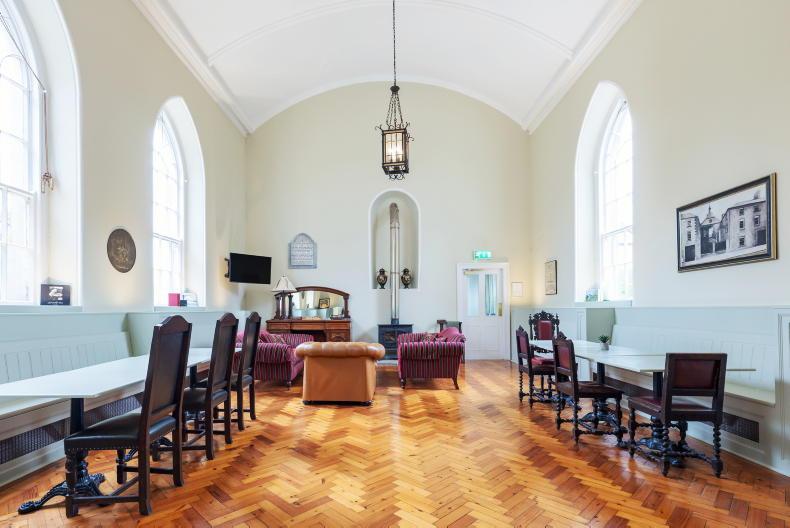
The Forum Mountmellick
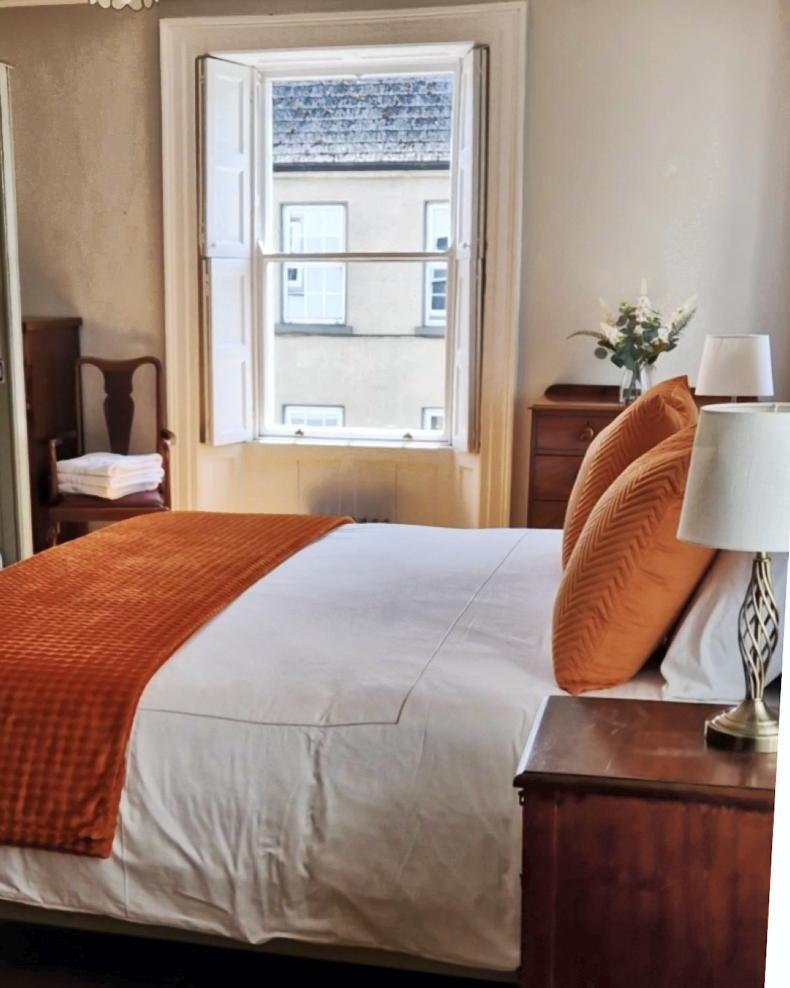
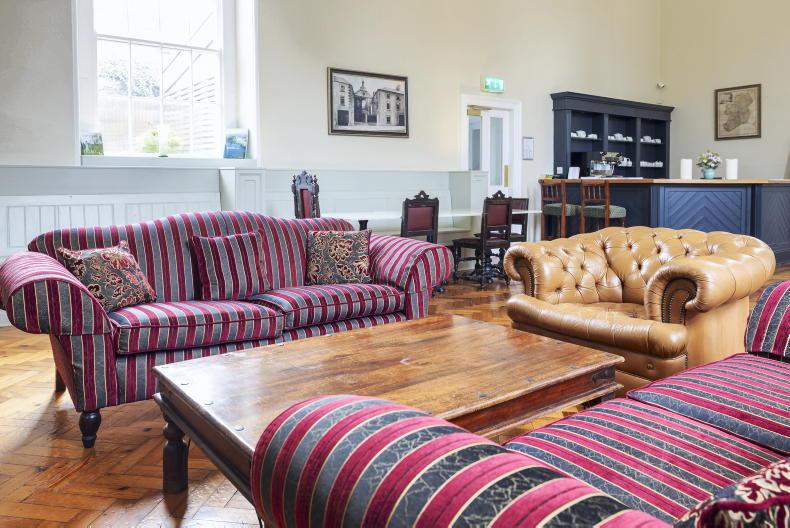
Managed by Laura Cooke, The Forum Mountmellick is a boutique self-catering acommodation venue set within a restored 19th century Presbyterian church, adjoining manse, and two bedroom coach house. When Laura’s uncle, Eugene Conroy, a Mountmellick native living in London, spotted the derelict property for sale, he recognised its potential.
“Years ago, when Eugene was growing up, the town was bustling and full of character with a warm, friendly atmosphere”, says Laura. “Over the years, he could see the decline in the town.”
Eugene envisioned creating tourist accommodation for visitors and secured part-funding from Laois Partnership for the restoration. Extra measures were taken to retain the property’s character, keeping as many original sash windows as possible and replacing the carpeted church floor with reclaimed parquet flooring sourced from a UK rectory.
Much of the work was carried out by Laura’s cousin Paul Dunphy, who is a carpenter and joiner.
Opening in 2015 as a hostel, The Forum underwent further renovation in 2024 before reopening as a luxury accommodation and event space with capacity for up to 22 guests. It is popular with groups celebrating special occasions, as well as multi-generational families visiting the area together.
Supported by funding from the EU Just Transition programme, the team recently embarked on a new project to transform a Georgian townhouse overlooking the Square in Mountmellick into a guesthouse with tea rooms. As one of the area’s oldest Quaker meeting houses stands in the rear yard, there are also plans to incorporate its history into a wider visitor experience.
The Forum Mountmellick will host a talk on The People, Places and Architecture that shaped Mountmellick on Wednesday 19 August at 7.30pm.
Traditional Lime Company
Restoring historic buildings requires not only investment from owners and communities, but also specialist skills that are becoming increasingly scarce.
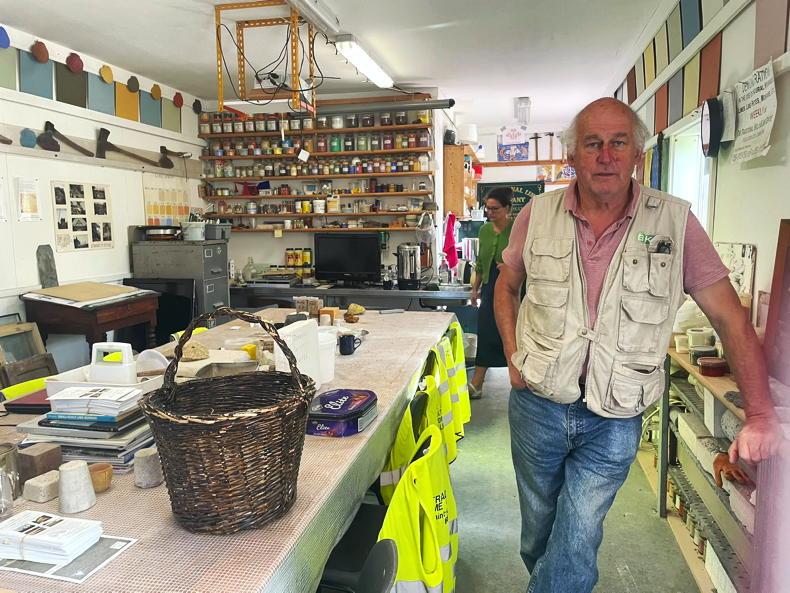
Originally a marine engineer, Edward Byrne founded the Traditional Lime Company in Tullow, Co Carlow, after buying a Georgian farmhouse and experiencing the shortage of materials and tradespeople firsthand.
Since the introduction of the VPRG and other refurbishment grants, Edward has seen a sharp increase in enquiries from people seeking recommendations for traditional craftspeople.
“The people just aren’t out there”, Edward says.
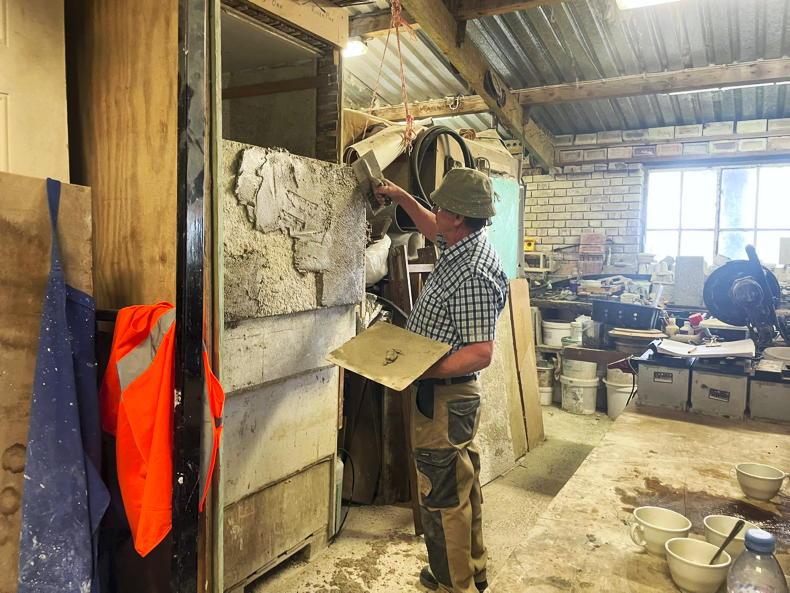
This prompted him to start delivering lime rendering training from his workshop in Tullow, Co Carlow. Led by Edward and instructor Paddy McCutcheon, the sessions combine demonstrations and hands-on practice for tradespeople and homeowners alike. Attendees also receive a guide detailing materials, ratios and application techniques.
Edward, who also works as a conservation consultant, advises property owners to ensure the expertise of those they employ, as not all consultants or architects have specialist knowledge of traditional materials and construction.
See Kilbeggan Town Team Facebook page for details of Heritage Week events: Istigh sa Teach, Future Planning and Kilbeggan Harbour and traditionallime.ie






SHARING OPTIONS