Have you indulged in some bairín breac in the lead up to Samhain? This seasonal treat is available in every supermarket and shop during the Halloween season and many of us look forward to a thick slice (absolutely slathered in butter) with a cup of tea.
But why do we eat this bread at this time of year, and what is the difference between traditional barmbrack and its more ubiquitous cousin, tea brack?
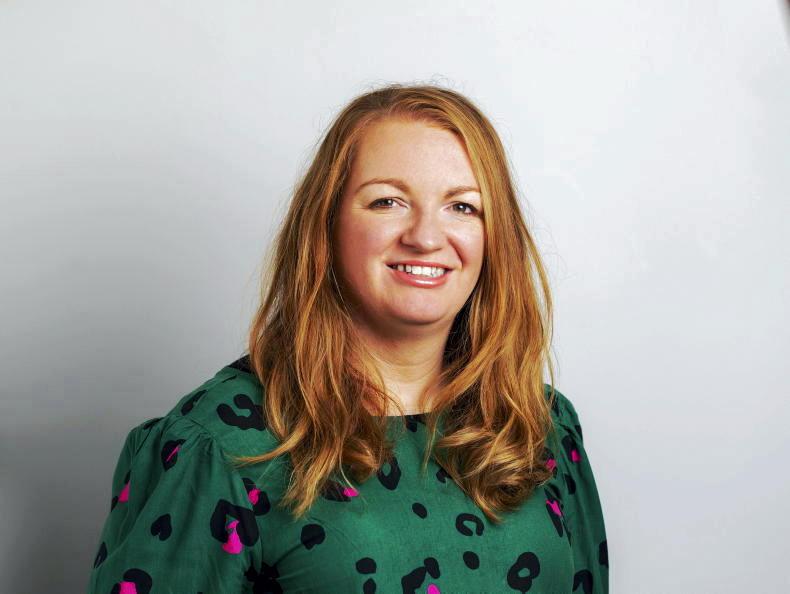
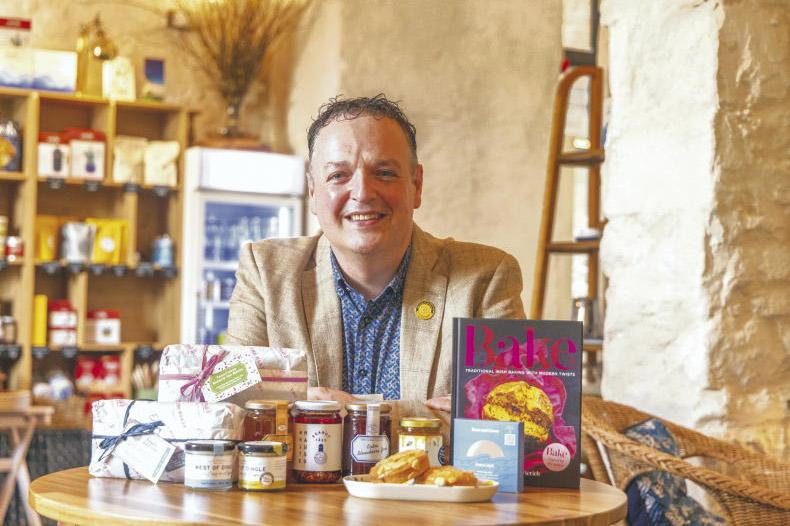
If you have a question about brack, you’d better believe Graham Herterich has the answer. One of Ireland’s most-loved bakers, Graham operates The Cupcake Bloke in Dublin and in 2025 opened Ernie’s @ The Shackleton Experience in his hometown of Athy, Co Kildare.
Ernie’s
Known for his modern takes on traditional Irish bakes, much of Graham’s inspiration stems from his early days in the kitchen with his mum and grandmother.
“Barmbrack is a yeasted, enriched dough,” he explains, “which means it’s made with yeast, some fat [like butter] and is normally shaped into a round loaf. With tea brack, the raising agent is baking powder – there is no yeast in a traditional tea brack.
“In old times, they used the foam from fermenting ale as the raising agent in barmbrack, which is how the loaf got its name,” he continues. “‘Barm’ was what they called the yeast from the foam. Then breac is Irish for ‘speckled’, so that would refer to the dried fruit speckled through the loaf. Traditionally, barmbrack would be made at this time of year and favours, like a ring, would be added to the loaf to help tell what the future would bring.”
Over the years, Graham’s tea bracks have won 12 separate Blas na h’Éireann awards and are among the best-selling items in his shops. He loves to experiment with different flavours and textures while still respecting the tradition surrounding them, and though he doesn’t make barmbrack for Halloween, he offers a seasonal brack each year – complete with a ring hidden inside the loaf for one lucky eater.
“I make special tea bracks for Halloween; I don’t call them barmbrack – I call them Halloween Brack,” he explains. “I buy food grade rings that come pre-wrapped in greaseproof paper and it’s always fun deciding where the ring will go in each loaf. We have a new flavour for this Halloween: a spiced pumpkin latte brack. We soak the fruit in coffee for 24 hours, add some extra spices, roasted pumpkin and brown sugar which all gets folded through with pumpkin seeds.”
While the addition of a ring remains popular, other items were once added into barmbrack loaves for Samhain including a pea, which meant you would not be married within the year; a stick, which meant you’d have an unhappy marriage; a piece of cloth which was an indication of future poverty; a coin, which would mean the opposite – good fortune and wealth. The ring meant you would be married within the year.
“There was also a bean, which meant you’d have good fortune but no wealth – like, just everything is going to be ok,” Graham adds, laughing. “That’s such an Irish thing, isn’t it? Oh, you’ll be grand!”

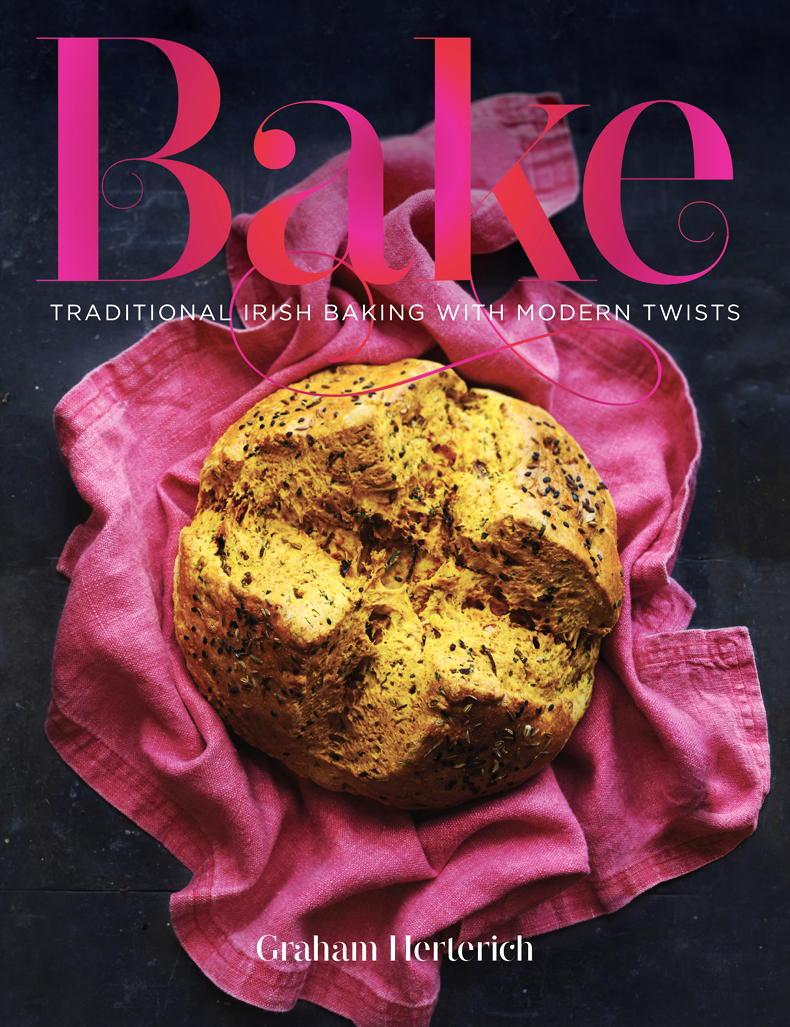
Today, you can try Graham’s recipes for yourselves from his cookbooks Bake: Traditional Irish Baking with Modern Twists (2022) and Cook: Traditional Irish Cooking with Modern Twists (2024). In Bake, he offers recipes for both tea brack and barmbrack. If you’d rather buy some of his own, he offers a monthly subscription service called Brack Club where he sends out a new flavour of brack each month.
“I love serving brack hot or cold,” he says. “Brack fried in butter is gorgeous served with some plain, lightly whipped cream.”
His one non-negotiable, when it comes to either barmbrack or tea brack, is something we can all get behind:
“You have to use real butter on top; nothing else. You know you have enough when you can see your teeth marks once you have a bite.” thecupcakebloke.com
Benny’s Deli

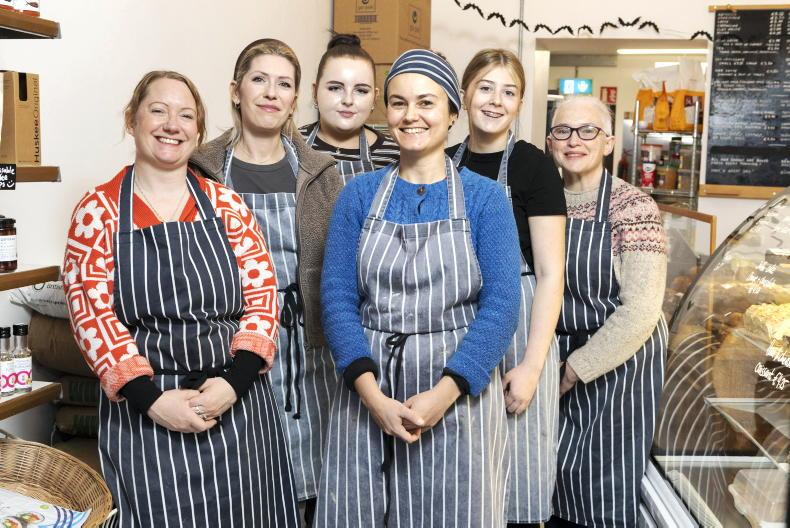
Over in Castlerea, Co Roscommon, Benny’s Deli have been making seasonal barmbrack for decades. Anne Marie MacKay operates the business with her father, Benny O’Connell, who first opened in 1981.
“I don’t remember this at all, but apparently when the pound coin first came out, my dad used to do a promotion where he would put a coin in one of the bracks to encourage more people to buy them – there’s a lot that happened in the 80s and 90s that you wouldn’t do now,” Anne Marie says, laughing.
Benny’s Deli is one of the few remaining family-run bakeries in Co Roscommon and the shop is a lifeline for many rural dwellers in the wider community.
“Our customer base is very wide,” Anne Marie says. “We’d have people that literally come to the shop every day on their tractor to buy some fruit soda. And then we have the other end of things, where you have a lot of younger people since COVID – younger families and people moving back for the lifestyle and more affordable housing. We have a real cross section of customers.”
When they first opened in the 1980s, Benny kept things simple and focused on soda breads, tarts and scones. Over the years they have moved premises a few times and have expanded their offering to croissants, coffee and yeasted breads (like their seasonal barmbrack).
“In the 2000s, we moved into our current building and we just keep adding to the menu,” Anne Marie explains. “We get bored easily and like to try new things. But the core is still the same: it’s still apple tarts and soda breads. That’s the heart of it.”

Anne Marie worked in the business with her siblings growing up but then studied design in Dublin and spent over a decade working in London. After marrying and starting a family, she came back home and has gradually taken on the family business.
“I love it,” she says. “I love anything creative, and there’s still so much creative opportunity within a business like this. Now, we have a refill shop [where people can bring their own containers] and also self-catering accommodation.”
Barmbrack has been sold at Benny’s since they started working with yeasted breads. It’s a tradition now, and one they are all fond of.
“We do regular tea brack throughout the year, but we only make barmbrack for the month of October,” Anne Marie says. “We started working with yeasted breads around the late 80s or early 90s, so we would have been making barmbrack since then.
“I do remember as a kid getting the ring in the brack and it being a massive deal, I remember it wrapped in greaseproof paper.
“Then there were the other things, like a stick, or a piece of cloth. We just love Halloween in our family.” @bennysdelicastlerea on Instagram
Joyce Country Bakery
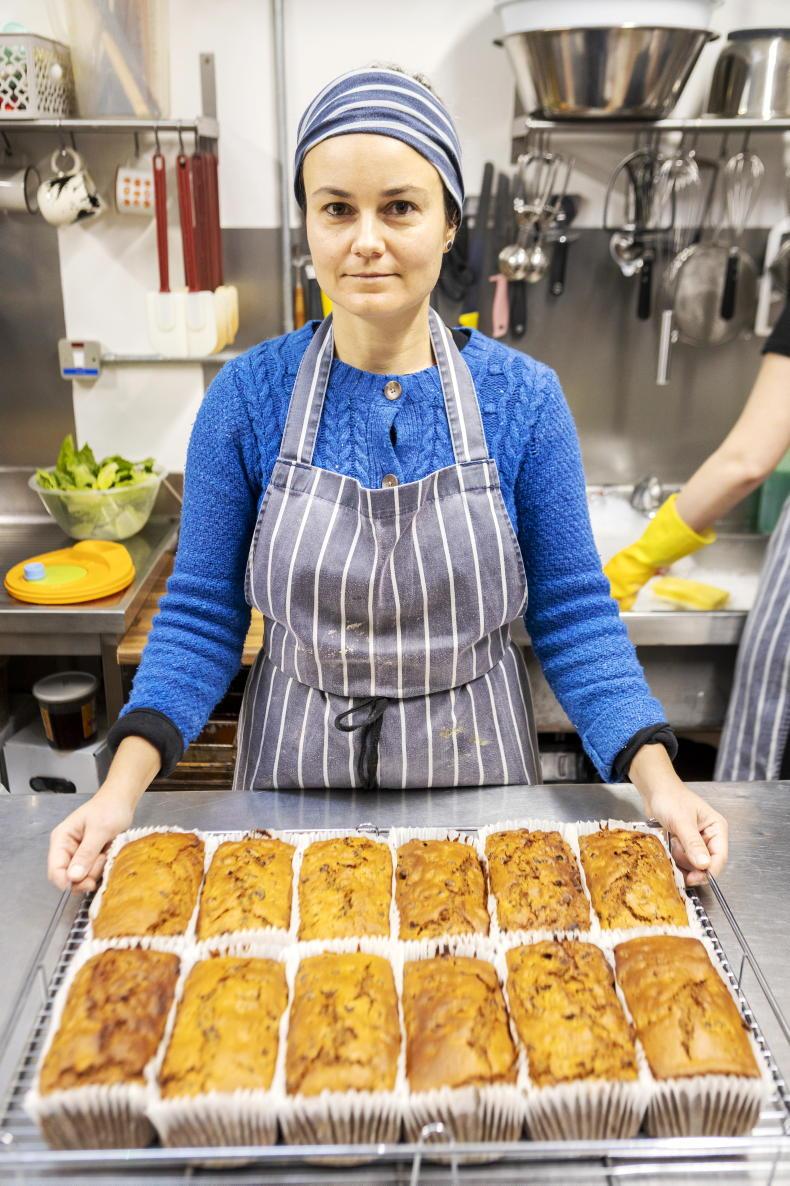
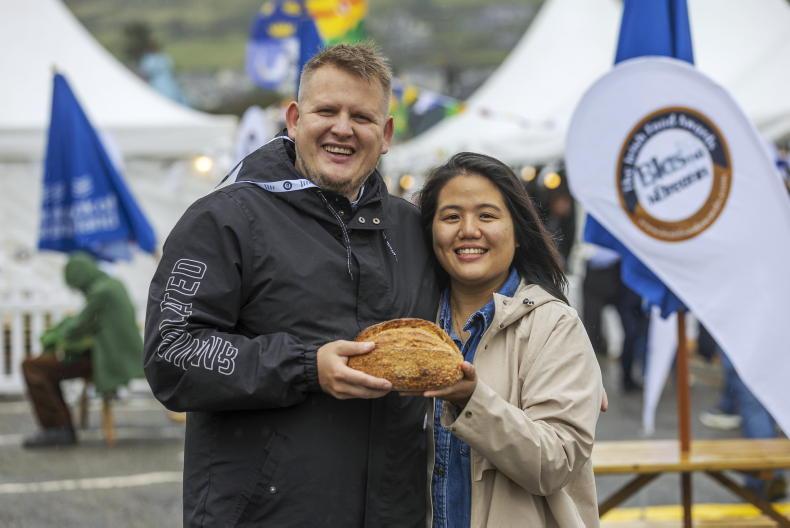
Going even further west, into rural Co Galway, Joyce Country Bakery in Clonbur creates traditional Irish bakes with a not-so-traditional team. Owner Anya Aseeva originally hails from Siberia.
“I have lived in many places around the world,” she explains. “My husband and I moved to Ireland 12 years ago. The business started in 2020, during COVID, and we were baking from a commercial kitchen. We used our website for orders and delivered to people in the community. Then, we started to supply the local Centra. In 2021, we opened our shop. Now, there are nine of us and five of us are not from Ireland – it’s a very diverse team with people from America, Sweden, Poland – a really interesting mix and we all bring a bit of our culture to our bakes. Tea brack unites us all, though, we all love it,” she says.
Anya’s background is in microfinance, so while she didn’t train as a baker, she was well versed in how to start a small business in a rural area.
“I have a huge passion for food and I always wanted to make baguettes,” she explains. “But the tea brack [surprised me]. We have perfected our recipe over the years, but the first time I tried it I thought it was strange – it wasn’t something I had ever had, but I saw how much people loved it. I brought some back to Russia for my family and my mother absolutely loved it – growing up in her time, they would have eaten a lot of dried fruits. In my generation, during Soviet times, we didn’t really have them.
“Now, it’s very complicated trying to travel back home to see my family, visiting is a bit difficult, but when I go I always bring tea bracks in my bag.”
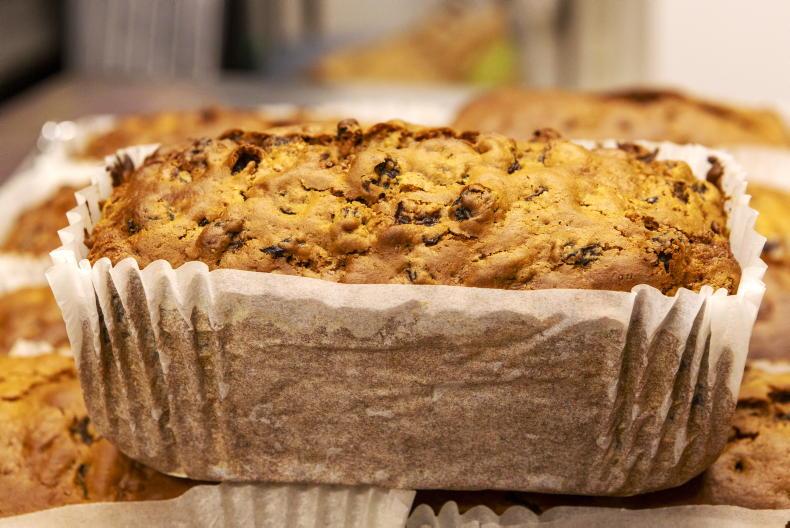
Anya and her team only bake in small batches and focus on using high quality ingredients, including regeneratively grown Wildfarmed flour from the UK.
“It’s non-bleached, so we use that in tea brack and I really think that makes it stand out,” she says. “It can be difficult to get regular deliveries to where we are so I have to source ingredients carefully. We only use free range eggs and never any preservatives. It’s very busy at this time of year, but we are busy with tea brack year-round.
“It’s so uniquely Irish and everyone loves it. If everyone ate more tea brack, the world would be a better place. In Russia, I wish we had more of that shared food experience – it can really connect people.” @joycecountrybakery on Instagram