Birdwatch Ireland’s National Dawn Chorus Day falls on Sunday 17 May, when bird enthusiasts head out at sunrise to listen to the sheer volume of birds that naturally sing together at that time. Irish Country Living asked development officer of Birdwatch Ireland, Niall Hatch, to explain what the dawn chorus is and how to make the most of nature’s own concert.
What is the dawn chorus?
“Most birds just sing throughout the breeding season and the amount of birdsong builds until it reaches its peak in May. They will sing throughout the whole day, but the morning tends to be when they get busy. Starting from around 4am, the birds will all sing before going off about their day.”
Why do the birds do it?
“The main reason why they sing in the morning is that it’s a way to show their neighbours that they’ve survived the night and to indicate that their territory is still occupied.
Birdsong, even though we think it is beautiful, is in fact an extremely aggressive thing – they are fighting each other and shouting at the top of their voices to tell the others to stay out of their territory. It’s triggered by breeding hormones.”
Why at dawn?
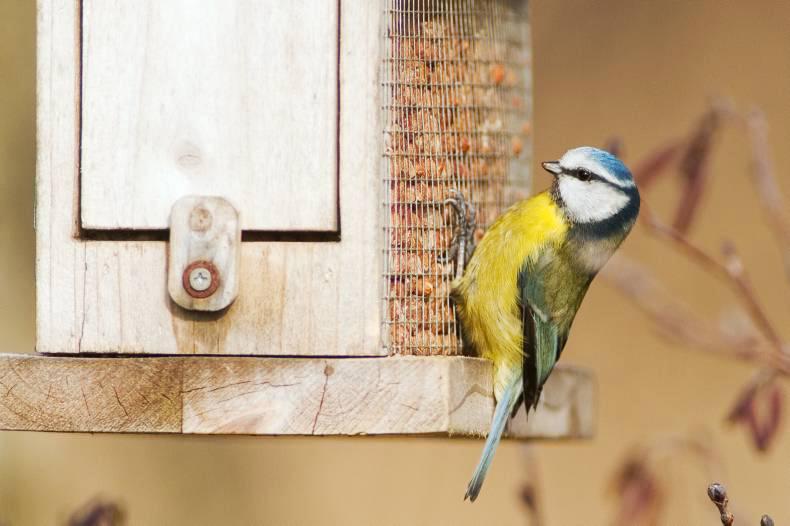
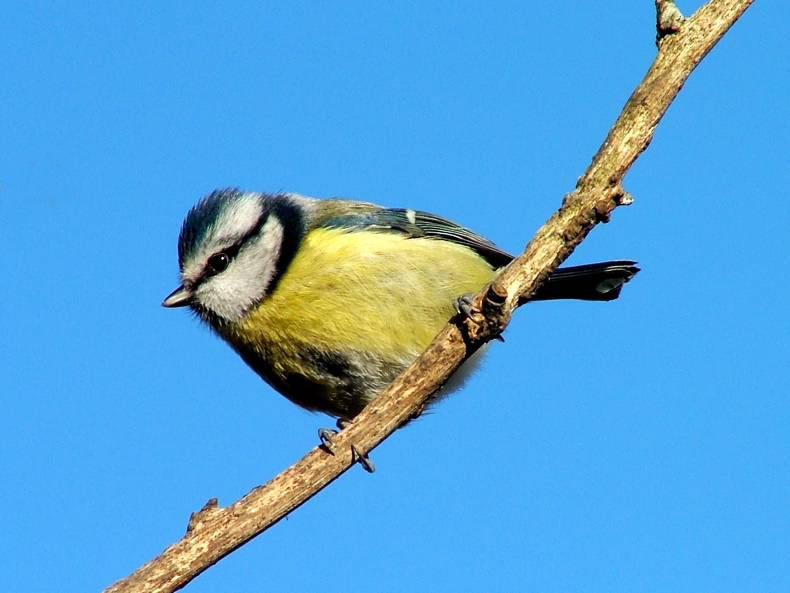
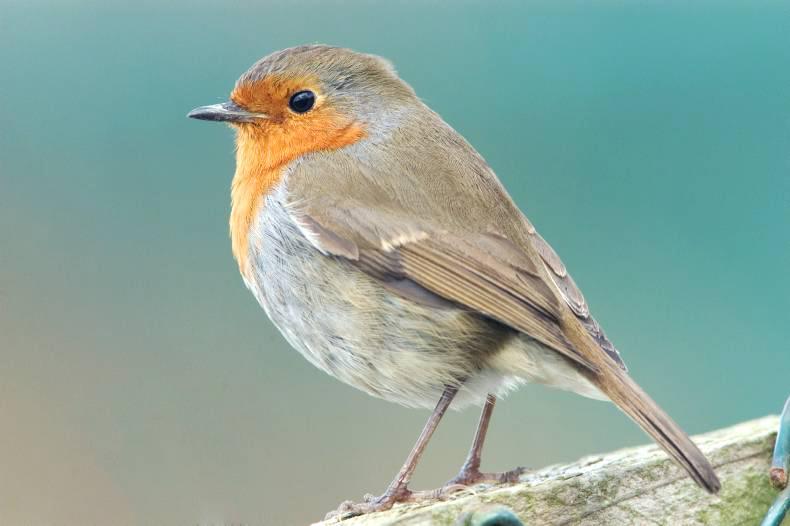
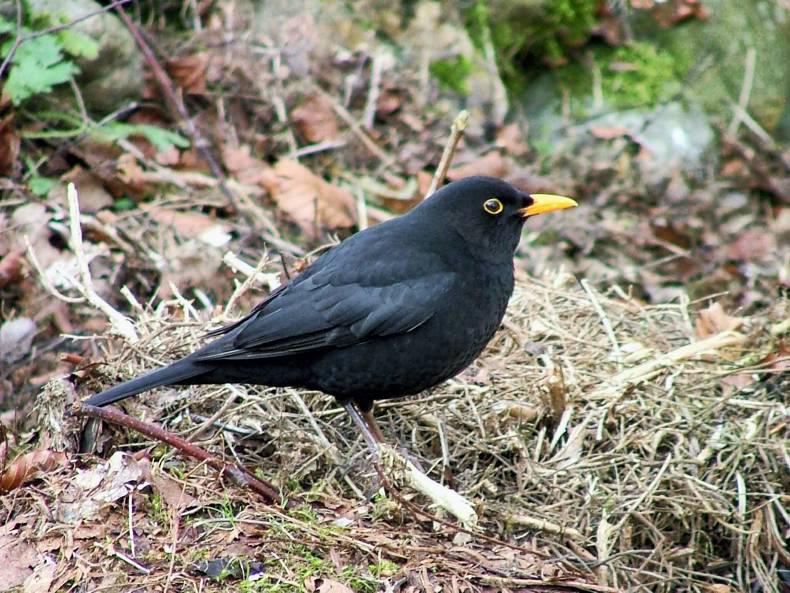
“One of the most fascinating things about the dawn chorus is that the birds start to sing in a very specific order. The first ones you hear in the morning would be the blackbird, the song thrush and the robin. Then half an hour after that the wren will start singing. Then 20 minutes after that, blue tits and chaffinches start singing too. It’s all to do with how large the bird’s eyes are. The larger the eyes, the better they can see in the low light. A bird isn’t happy to start singing until it can see properly because when it’s singing it is giving away its location to every predator in the neighbourhood.”
Listen to it happen:
Birdwatch Ireland has 30 branches across the country, running events on Sunday 17 May. Visit www.birdwatchireland.ie
for more information.
Birds are back in town
As we say goodbye to winter chills, we welcome back migratory birds like the swallow, cuckoo and swift. These will be the key birds for you and your family to spot over the coming months.
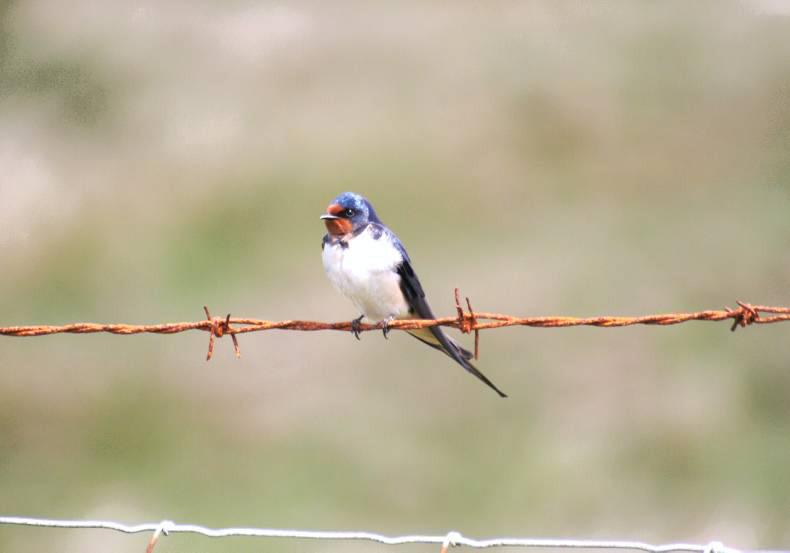
The swallow
Description: Glossy, black wings, long tail streamers and white underbelly.
Call: Several short, twittering noises, followed by a buzz.
Returns: Second half of March and into April.
Bird facts:
Even though they migrate all the way from Ireland right down to southern Africa, swallows almost always return to the same area they came from the previous year. They can pinpoint in centimetres exactly where they came from. It is not known how they do it.Studies have been done on swallows in the nest, if you test the male and the female the father very often isn’t the genetic father of all the chicks in the nest. There can be multiple fathers and extra-marital affairs going on. Swallows do us a huge service as they eat an enormous amount of flies. The cuckoo
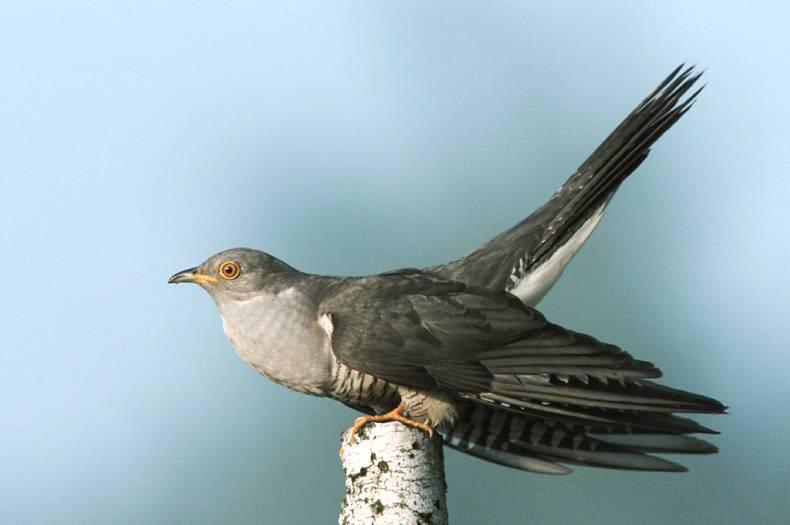
Description: Adult male cuckoos are grey, with white and black-barred underparts. Females can look like the males, with a yellowish tone to their underparts, or else have a reddish brown or rufous coloured body with black barred-wings, back and tail.
Call: One of the most recognisable bird calls, cuckoos can be heard making the wuck-oo sound from late April to late June.
Returns: Arrives back from Africa in May.
Bird facts:
The cuckoo doesn’t build its own nest. The female lays her eggs in the nest of other birds. Not just any bird will do, the female will lay her eggs in the nest of the same species that reared her. Common hosts for the cuckoo include the meadow pipit and the sedge warbler. The cuckoo’s favourite food are the hairy, very poisonous caterpillars of large moths. Most birds can’t eat them because of toxins and the coarse hairs would be too irritating to their throats, but the cuckoo loves these.Cuckoos are becoming a lot scarcer in Ireland due to habitat damage and climate changes in the Sahara – the desert gets wider by a kilometre or so every year, which upsets bird migration.The swift
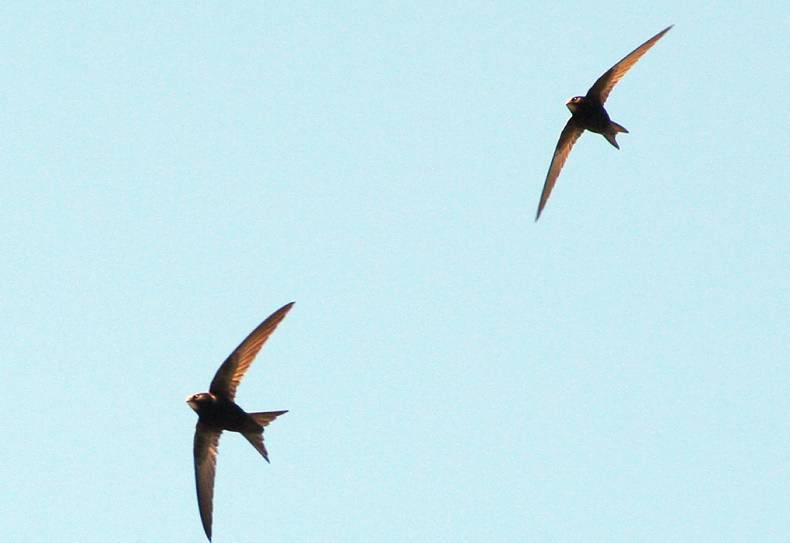
Description: Same size as a swallow, but it is uniformly dark all over. Has large scythe-shaped wings and is one of the fastest Irish birds.
Call: A high-pitched scream, often given by pairs in high-speed chases.
Returns: May
Bird facts:
The only time they land in their lives is to go into their nest to lay their eggs, other than that they never touch the ground. When the baby birds take their first flight, they will spend up to three years on the wing before they ever land again – to lay their own eggs. Swifts sleep while flying. They can hover on the spot or fly in very tight circles up very high, where there is nothing they can collide with. They can also send one half of their brain to sleep and keep the other half awake, keeping one eye open and one eye shut down then swap over.Swifts spend up to eight months of the year in Africa, but they never touch the ground while they are there. They remain flying, eating insects in the air. Visit our website for more information on how to make birdwatching fun for children, at our blog here
For more information on Irish birds and Birdwatch Ireland events, visit www.birdwatchireland.ie.
Birdwatch Ireland’s National Dawn Chorus Day falls on Sunday 17 May, when bird enthusiasts head out at sunrise to listen to the sheer volume of birds that naturally sing together at that time. Irish Country Living asked development officer of Birdwatch Ireland, Niall Hatch, to explain what the dawn chorus is and how to make the most of nature’s own concert.
What is the dawn chorus?
“Most birds just sing throughout the breeding season and the amount of birdsong builds until it reaches its peak in May. They will sing throughout the whole day, but the morning tends to be when they get busy. Starting from around 4am, the birds will all sing before going off about their day.”
Why do the birds do it?
“The main reason why they sing in the morning is that it’s a way to show their neighbours that they’ve survived the night and to indicate that their territory is still occupied.
Birdsong, even though we think it is beautiful, is in fact an extremely aggressive thing – they are fighting each other and shouting at the top of their voices to tell the others to stay out of their territory. It’s triggered by breeding hormones.”
Why at dawn?
“One of the most fascinating things about the dawn chorus is that the birds start to sing in a very specific order. The first ones you hear in the morning would be the blackbird, the song thrush and the robin. Then half an hour after that the wren will start singing. Then 20 minutes after that, blue tits and chaffinches start singing too. It’s all to do with how large the bird’s eyes are. The larger the eyes, the better they can see in the low light. A bird isn’t happy to start singing until it can see properly because when it’s singing it is giving away its location to every predator in the neighbourhood.”
Listen to it happen:
Birdwatch Ireland has 30 branches across the country, running events on Sunday 17 May. Visit www.birdwatchireland.ie
for more information.
Birds are back in town
As we say goodbye to winter chills, we welcome back migratory birds like the swallow, cuckoo and swift. These will be the key birds for you and your family to spot over the coming months.
The swallow
Description: Glossy, black wings, long tail streamers and white underbelly.
Call: Several short, twittering noises, followed by a buzz.
Returns: Second half of March and into April.
Bird facts:
Even though they migrate all the way from Ireland right down to southern Africa, swallows almost always return to the same area they came from the previous year. They can pinpoint in centimetres exactly where they came from. It is not known how they do it.Studies have been done on swallows in the nest, if you test the male and the female the father very often isn’t the genetic father of all the chicks in the nest. There can be multiple fathers and extra-marital affairs going on. Swallows do us a huge service as they eat an enormous amount of flies. The cuckoo
Description: Adult male cuckoos are grey, with white and black-barred underparts. Females can look like the males, with a yellowish tone to their underparts, or else have a reddish brown or rufous coloured body with black barred-wings, back and tail.
Call: One of the most recognisable bird calls, cuckoos can be heard making the wuck-oo sound from late April to late June.
Returns: Arrives back from Africa in May.
Bird facts:
The cuckoo doesn’t build its own nest. The female lays her eggs in the nest of other birds. Not just any bird will do, the female will lay her eggs in the nest of the same species that reared her. Common hosts for the cuckoo include the meadow pipit and the sedge warbler. The cuckoo’s favourite food are the hairy, very poisonous caterpillars of large moths. Most birds can’t eat them because of toxins and the coarse hairs would be too irritating to their throats, but the cuckoo loves these.Cuckoos are becoming a lot scarcer in Ireland due to habitat damage and climate changes in the Sahara – the desert gets wider by a kilometre or so every year, which upsets bird migration.The swift
Description: Same size as a swallow, but it is uniformly dark all over. Has large scythe-shaped wings and is one of the fastest Irish birds.
Call: A high-pitched scream, often given by pairs in high-speed chases.
Returns: May
Bird facts:
The only time they land in their lives is to go into their nest to lay their eggs, other than that they never touch the ground. When the baby birds take their first flight, they will spend up to three years on the wing before they ever land again – to lay their own eggs. Swifts sleep while flying. They can hover on the spot or fly in very tight circles up very high, where there is nothing they can collide with. They can also send one half of their brain to sleep and keep the other half awake, keeping one eye open and one eye shut down then swap over.Swifts spend up to eight months of the year in Africa, but they never touch the ground while they are there. They remain flying, eating insects in the air. Visit our website for more information on how to make birdwatching fun for children, at our blog here
For more information on Irish birds and Birdwatch Ireland events, visit www.birdwatchireland.ie.





SHARING OPTIONS