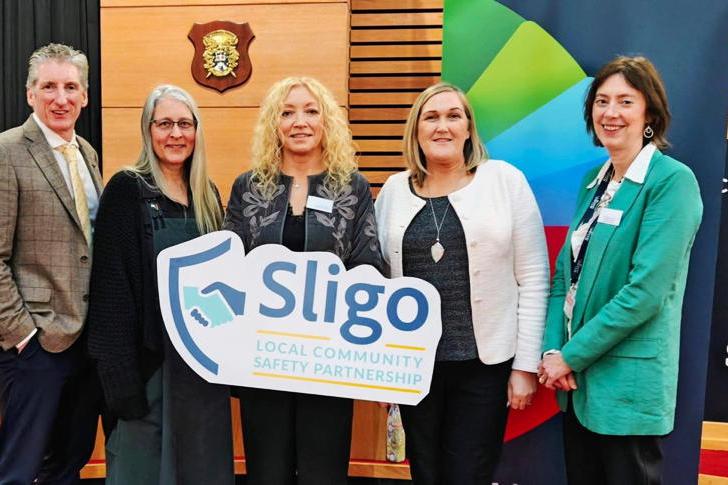
Rural Ireland will be the sole item on the agenda at a meeting between the Garda Commissioner Justin Kelly and the newly formed Policing and Community Safety Authority (PCSA) when they meet in Wexford next week.
Elaine Byrne, PCSA chair and practising barrister says the new Policing Security and Community Safety Act 2024 is changing the way policing is delivered across the country, with a particular focus on progressing the delivery of community safety to a multi-agency approach.
Speaking to Irish Country Living, Elaine says there are many ways to improve safety and reduce crime in rural Ireland, which she is very familiar with having grown up on a suckler, sheep and turkey farm in west Wicklow.
“This new act recognises the fact that community safety is no longer just the job of the police,” she says.
“We are bringing together a number of agencies from Tusla, the HSE, community groups and An Garda Síochána in a co-ordinated way. Crime is not dealt with through policing alone, there are a range of other factors at play from mental health to housing issues.
“The authority has been meeting community groups, farming organisations, immigrant groups, women’s groups, Traveller representatives and many other sectors in society since it was formed in April and we’ve conducted a lot of outreach and engagement to find out what people want us to focus on.”
Perceptions of crime
The newly appointed and first-ever Garda rural crime lead, Superintendent Michael Corbett, has identified a number of key objectives as he begins his new role and Elaine says it is the role of the authority to hold him accountable in delivering on these aims.
“Supt Corbett has already stated that farm machinery thefts and the issue of trespassing will be key areas for him to focus his resources and we will be assessing how that work is carried out over the coming months,” she adds.
“But what I am particularly concerned about, when it comes to rural crime, is the perception out there of what is and what isn’t a crime.
“The Irish Farm Survey from 2023 said 29% of people would not report a crime on their land or in their homes to the Gardaí and we need to find out why this figure is so high.
“Personally, I think there’s a reluctance in rural areas for people to dial 999 to report an incident as they seem to think this is reserved for what are perceived to be emergencies like road traffic collisions or fires. I think there is a piece of work that needs to be done by the Gardaí to communicate the message more effectively.
“I also think it may have something to do with the fact that in the past, people knew their local Garda so were more likely to report a crime to someone they knew. There seems to be a cultural part to not bothering to ring 999, as they don’t appreciate that by dialling 999, they will be connected to their nearest Garda station and officers will respond.
“If someone is in your field with a dog worrying your sheep, then that is a crime and you need to report it.”

Superintendent Michael Corbett, Rural Lead for An Garda Síochána pictured at The Garda College at Templemore Co Tipperary. \ Odhran Ducie
Rural resources
Elaine says there is also a lot of crime in rural parts of the country that goes on behind closed doors, which is not limited to domestic violence.
“There has been a growing rise in the number of romance and cyber fraud but there is a stigma attached to being a victim of this type of crime and people are ashamed at being caught out so they don’t report it,” she explains.
“But there is nothing to be ashamed about as the Gardaí are having some great success in apprehending and prosecuting those responsible for these types of crimes.”
There is, according to Elaine, another, more pressing need for people to report crime as it directly impacts the level of resources afforded to rural policing.
“It is one of the authority’s statutory functions to determine the policing priorities for An Garda Síochána and if people aren’t reporting crimes, then that won’t be reflected in how the Garda Commissioner allocates resources,” explains Elaine.
“One of the priorities we have determined is the area of domestic violence, which is a particular concern in rural areas where women living in remote locations are more reluctant to report abuse.
“But in our meetings with the Garda Commissioner thus far, he has stated that domestic violence policing is a key focus for him, as it is with the Justice Minister Jim O’Callaghan. One of our board members, Emma Reidy is the chief executive of Aoibhneas Domestic Abuse Support for women and children, which is reflective of the broad range of expertise within the authority.”
However, at the September meeting of the authority, Commissioner Kelly acknowledged concern at the high level of dissatisfaction among domestic abuse victims in their confidence in the Gardai, with a Women’s Aid survey recording this at 44%.
He said that while overall trust in an Garda Síochána was high, there were areas where people weren’t happy and he and his officers would look to address this going forward.
Another key concern for Elaine and her fellow authority members is the rising incidence of drug related crime across the country.
“I have done a tour of the Garda divisions across the country in recent months and the one thing that keeps cropping up is drug intimidation which is affecting more and more people throughout rural parts of the country in particular,” she said.
“One measure that is available to people is the Drug Related Intimidation and Violence Engagement (DRIVE) project, which is funded by the Department of Health and means there is a designated inspector in every Garda division who will meet with people in confidence.
“The supports are there but DRIVE is relatively new [launched in May this year] so we need to get the message out there. Drug-related intimidation and violence can happen to anyone and people need to know that there is help out there, that is safe, free and confidential, and most importantly is in your local area.

Figure 1.
Peaceful protests
A report by the Policing Authority which was commissioned in the aftermath of the Dublin riots in 2023 was published in recent months. Its recommendations were adopted in how the Gardaí response to such incidents, with a different approach adopted in terms of strategy and equipment for the most recent civil disturbances at an International Protection Applicant accommodation in Citywest last month.
“It is the job of the authority to ensure that the policing service is one that is adequate to the needs of the Irish public and to oversee an Garda Siochana’s performance, ensuring that the powers in place respect the law and uphold human rights,” adds Elaine.
“A lot of protest is peaceful in this country, thankfully, but the Gardaí also have to protect people’s right to protest.
“We are holding a rural safety forum in Wexford on Thursday 27 November, which can be live streamed on our website, pcsaireland.ie and on our YouTube channel. I would encourage the public to log on to learn about the work being done to improve community safety.
The only item on the agenda is rural Ireland so it will be a very relevant information session for those in smaller towns and villages and the farming community in general.”
The Policing, Security and Community Safety Act aims to:
Make community safety a whole-of-Government and multi-agency responsibility.
Strengthen and consolidate the
independent, external oversight of An Garda Síochána.
Enhance the internal governance of An Garda Síochána by establishing a new non-executive board, Bord an Gharda Síochána, which is a corporate governance standard operating across the public and private sectors. Strengthen the independent review of security legislation and the delivery of security services by providing for the establishment of an Independent Examiner of Security Legislation.
DRIVE offers support to anyone who experiences drug related intimidation, whether they are a family member or a drug user themselves. They can receive non-judgemental, confidential support and access to services with further information available at driveproject.ie.
Rural Ireland will be the sole item on the agenda at a meeting between the Garda Commissioner Justin Kelly and the newly formed Policing and Community Safety Authority (PCSA) when they meet in Wexford next week.
Elaine Byrne, PCSA chair and practising barrister says the new Policing Security and Community Safety Act 2024 is changing the way policing is delivered across the country, with a particular focus on progressing the delivery of community safety to a multi-agency approach.
Speaking to Irish Country Living, Elaine says there are many ways to improve safety and reduce crime in rural Ireland, which she is very familiar with having grown up on a suckler, sheep and turkey farm in west Wicklow.
“This new act recognises the fact that community safety is no longer just the job of the police,” she says.
“We are bringing together a number of agencies from Tusla, the HSE, community groups and An Garda Síochána in a co-ordinated way. Crime is not dealt with through policing alone, there are a range of other factors at play from mental health to housing issues.
“The authority has been meeting community groups, farming organisations, immigrant groups, women’s groups, Traveller representatives and many other sectors in society since it was formed in April and we’ve conducted a lot of outreach and engagement to find out what people want us to focus on.”
Perceptions of crime
The newly appointed and first-ever Garda rural crime lead, Superintendent Michael Corbett, has identified a number of key objectives as he begins his new role and Elaine says it is the role of the authority to hold him accountable in delivering on these aims.
“Supt Corbett has already stated that farm machinery thefts and the issue of trespassing will be key areas for him to focus his resources and we will be assessing how that work is carried out over the coming months,” she adds.
“But what I am particularly concerned about, when it comes to rural crime, is the perception out there of what is and what isn’t a crime.
“The Irish Farm Survey from 2023 said 29% of people would not report a crime on their land or in their homes to the Gardaí and we need to find out why this figure is so high.
“Personally, I think there’s a reluctance in rural areas for people to dial 999 to report an incident as they seem to think this is reserved for what are perceived to be emergencies like road traffic collisions or fires. I think there is a piece of work that needs to be done by the Gardaí to communicate the message more effectively.
“I also think it may have something to do with the fact that in the past, people knew their local Garda so were more likely to report a crime to someone they knew. There seems to be a cultural part to not bothering to ring 999, as they don’t appreciate that by dialling 999, they will be connected to their nearest Garda station and officers will respond.
“If someone is in your field with a dog worrying your sheep, then that is a crime and you need to report it.”

Superintendent Michael Corbett, Rural Lead for An Garda Síochána pictured at The Garda College at Templemore Co Tipperary. \ Odhran Ducie
Rural resources
Elaine says there is also a lot of crime in rural parts of the country that goes on behind closed doors, which is not limited to domestic violence.
“There has been a growing rise in the number of romance and cyber fraud but there is a stigma attached to being a victim of this type of crime and people are ashamed at being caught out so they don’t report it,” she explains.
“But there is nothing to be ashamed about as the Gardaí are having some great success in apprehending and prosecuting those responsible for these types of crimes.”
There is, according to Elaine, another, more pressing need for people to report crime as it directly impacts the level of resources afforded to rural policing.
“It is one of the authority’s statutory functions to determine the policing priorities for An Garda Síochána and if people aren’t reporting crimes, then that won’t be reflected in how the Garda Commissioner allocates resources,” explains Elaine.
“One of the priorities we have determined is the area of domestic violence, which is a particular concern in rural areas where women living in remote locations are more reluctant to report abuse.
“But in our meetings with the Garda Commissioner thus far, he has stated that domestic violence policing is a key focus for him, as it is with the Justice Minister Jim O’Callaghan. One of our board members, Emma Reidy is the chief executive of Aoibhneas Domestic Abuse Support for women and children, which is reflective of the broad range of expertise within the authority.”
However, at the September meeting of the authority, Commissioner Kelly acknowledged concern at the high level of dissatisfaction among domestic abuse victims in their confidence in the Gardai, with a Women’s Aid survey recording this at 44%.
He said that while overall trust in an Garda Síochána was high, there were areas where people weren’t happy and he and his officers would look to address this going forward.
Another key concern for Elaine and her fellow authority members is the rising incidence of drug related crime across the country.
“I have done a tour of the Garda divisions across the country in recent months and the one thing that keeps cropping up is drug intimidation which is affecting more and more people throughout rural parts of the country in particular,” she said.
“One measure that is available to people is the Drug Related Intimidation and Violence Engagement (DRIVE) project, which is funded by the Department of Health and means there is a designated inspector in every Garda division who will meet with people in confidence.
“The supports are there but DRIVE is relatively new [launched in May this year] so we need to get the message out there. Drug-related intimidation and violence can happen to anyone and people need to know that there is help out there, that is safe, free and confidential, and most importantly is in your local area.

Figure 1.
Peaceful protests
A report by the Policing Authority which was commissioned in the aftermath of the Dublin riots in 2023 was published in recent months. Its recommendations were adopted in how the Gardaí response to such incidents, with a different approach adopted in terms of strategy and equipment for the most recent civil disturbances at an International Protection Applicant accommodation in Citywest last month.
“It is the job of the authority to ensure that the policing service is one that is adequate to the needs of the Irish public and to oversee an Garda Siochana’s performance, ensuring that the powers in place respect the law and uphold human rights,” adds Elaine.
“A lot of protest is peaceful in this country, thankfully, but the Gardaí also have to protect people’s right to protest.
“We are holding a rural safety forum in Wexford on Thursday 27 November, which can be live streamed on our website, pcsaireland.ie and on our YouTube channel. I would encourage the public to log on to learn about the work being done to improve community safety.
The only item on the agenda is rural Ireland so it will be a very relevant information session for those in smaller towns and villages and the farming community in general.”
The Policing, Security and Community Safety Act aims to:
Make community safety a whole-of-Government and multi-agency responsibility.
Strengthen and consolidate the
independent, external oversight of An Garda Síochána.
Enhance the internal governance of An Garda Síochána by establishing a new non-executive board, Bord an Gharda Síochána, which is a corporate governance standard operating across the public and private sectors. Strengthen the independent review of security legislation and the delivery of security services by providing for the establishment of an Independent Examiner of Security Legislation.
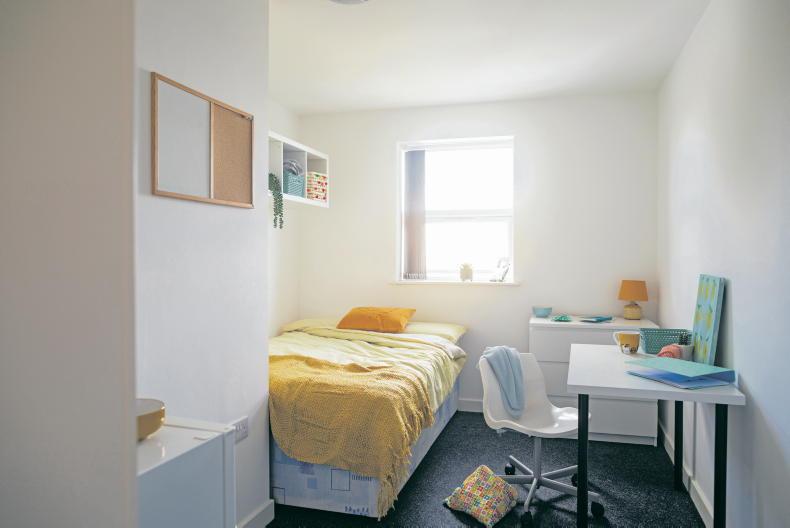
DRIVE offers support to anyone who experiences drug related intimidation, whether they are a family member or a drug user themselves. They can receive non-judgemental, confidential support and access to services with further information available at driveproject.ie.
SHARING OPTIONS