The gardens that charm us most are those created in an open setting where light is good for the greater part of the day. The gardens that we long for most are east, west, or south facing.
Here we can make the most of the opportunity to create wonderful showpieces. It is much less of a challenge than gardens facing north or under the shade of trees which are more challenging because of the lack of sunlight for at least some part of the day.
Shade can vary in its type, whether it is in the lea of buildings or in the shade of trees or large shrubs. Shade is defined by the number of hours sunshine available. Full shade is two hours of direct sunshine or less. Partial shade is two to four hours of direct sunshine. Dappled shade is present under the foliage canopy of trees.
Understanding shade is crucial for successful gardening and a careful choice of plants that can survive in that environment is important. You need to vary the plant content to suit the area in terms of their size and colour contrast, too many large plants could make the situation gloomier.
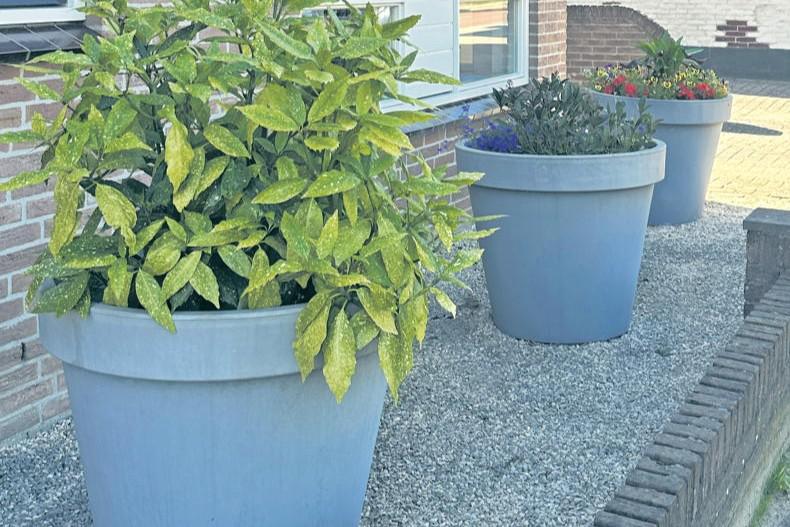
Aucuba japonica ‘Variegata’ is brightly variegated and can bring a sunshine feel to a dull area. It is slow growing to 1.8m high and as wide.
Osmanthus heterophyllus ‘Goshiki’ will work well too in full to partial shade growing to 1.5m. Philadelphus coronarius ‘Aureus’ is a star performer in partial shade and brings a sunshine feel to an area.
It flowers too with beautiful scented white flowers in June. Add to this picture the purple foliage of Berberis thunbergii ‘Atropurpurea’, which brings a great contrast to the surrounding plant content and also dominates the scene by virtue of its intensity.
Hydrangea paniculata or H macrophylla will work well in shade as it can struggle in full sun where drought is a factor.
Rosa rubrifolia is high on my list of favourite roses, as it is an all year round performer. Its foliage is dusky grey, the flowers are single pink and its hips held in profusion through winter, a sure winner in partial shade.
Sarcococca confusa grows to about 1m high and has rich green foliage that seems to glisten in minimum light. It is very nicely scented during the Christmas period.
Prunus laurocerassus ‘Castlewellan’, an Irish cultivar has marbled white foliage. It is low growing and brings brightness to an area.
Wherever I plant shrubs I always try to surround them with perennials complimenting each other’s foliage and form. It makes the view more interesting and tones down the dominance of the larger subjects.
All about balance
To achieve this, you must plant them in multiples of three, five or seven – or whatever achieves a balance. Alchemilla mollis is a star performer in shade with its lime green froth of flowers and planted under the yellow of philadelphus is a beautiful picture. Likewise, Astrantia ‘Roma’ with its green dissected leaves and pink pin cushion flowers, planted underneath the purple berberis is a sight to behold. If it is cut back to the ground after flowering you will get a second flush of flower.
Hosta is a natural in a full shade environment with its lush foliage and you can choose to use variegated or grey. My favourite is Hosta ‘Empress Wu’, in my experience it defies slugs as it is large and they do not seem to climb to the foliage to forage. Digitalis purpurea will also work well in your planting scheme as it is a woodland plant, but it comes with a warning as it will seed prolifically so you need to deadhead in advance of seed forming – unless you wish to let it run free.
Ground cover plants are worthwhile as the make your planting scheme look grounded and they do prevent weeds from taking hold. Bergenia ‘Beethoven’ is also good grower in partial shade in terms of flower and foliage.
The ultimate carpeting plant is Lysimachia nummularia ‘Aurea’ with its yellow foliage and flowers. It forms a dense carpet throughout the year. It needs managing however, as it can get out of bounds.
Ferns of course are masters of shade, Asplenium scolopendrium is commonly known as the hearts tongue fern. It has upright lance-shaped foliage that unfurls in the most charming way. And finally, you must include some bulbs. Galanthus in its myriad of cultivars will work well for you in that environment.
Q&A: Should I divide my grasses?

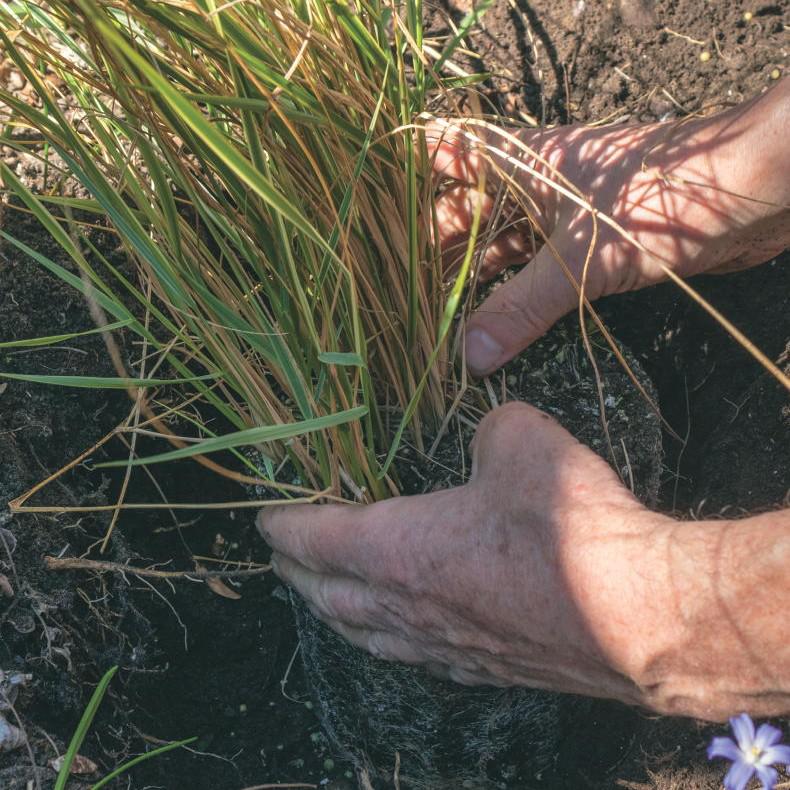
Divide grass into sections \iStock
I have divided some perennial plants but have conflicting advice on dividing ornamental grasses. What do you advise? – John, Co Kerry.
Dividing ornamental grasses is a great way to build up your collection and now is the perfect time to do so. Firstly, examine your clumps as to size, if they are smaller than a dinner plate they might not need dividing but will transplant well to other areas.
If they are bigger then they can be divided into smaller sections. Have the area into which there are being transplanted ready for replanting. In planting them, make sure that they are at the same level as before. They will need a little time to settle back into growth. Water them in well initially, and observe during any dry spells.
Trees, shrubs and roses: now is the time to start the final clean up as growth is starting. Clear out all planting spaces removing any remaining debris and weeds. Feed where you feel it is required. Mulch bare ground with composted material.
Flowers: sow half-hardy annuals in seed trays or pots indoors. Do not sow more than you feel you need. Reseal unused seed packets and label. Store in a dry area.
Lawn: lawns are more than likely not fit for any traffic until we have at least a week of dry weather.
Fruit, vegetables and herbs: as ground dries, prepare vegetable beds for sowing. Decide what vegetable and herb seed you require and purchase good quality.
Greenhouse and house plants: make sure seed trays and pots for seed sowing are clean and ready for use. Assess house plants for those that require potting.
Do you have a gardening question? Email icl@farmersjournal.ie or post to Irish Country Living, Irish Farm Centre, Bluebell, Dublin 12.

The gardens that charm us most are those created in an open setting where light is good for the greater part of the day. The gardens that we long for most are east, west, or south facing.
Here we can make the most of the opportunity to create wonderful showpieces. It is much less of a challenge than gardens facing north or under the shade of trees which are more challenging because of the lack of sunlight for at least some part of the day.
Shade can vary in its type, whether it is in the lea of buildings or in the shade of trees or large shrubs. Shade is defined by the number of hours sunshine available. Full shade is two hours of direct sunshine or less. Partial shade is two to four hours of direct sunshine. Dappled shade is present under the foliage canopy of trees.
Understanding shade is crucial for successful gardening and a careful choice of plants that can survive in that environment is important. You need to vary the plant content to suit the area in terms of their size and colour contrast, too many large plants could make the situation gloomier.
Aucuba japonica ‘Variegata’ is brightly variegated and can bring a sunshine feel to a dull area. It is slow growing to 1.8m high and as wide.
Osmanthus heterophyllus ‘Goshiki’ will work well too in full to partial shade growing to 1.5m. Philadelphus coronarius ‘Aureus’ is a star performer in partial shade and brings a sunshine feel to an area.
It flowers too with beautiful scented white flowers in June. Add to this picture the purple foliage of Berberis thunbergii ‘Atropurpurea’, which brings a great contrast to the surrounding plant content and also dominates the scene by virtue of its intensity.
Hydrangea paniculata or H macrophylla will work well in shade as it can struggle in full sun where drought is a factor.
Rosa rubrifolia is high on my list of favourite roses, as it is an all year round performer. Its foliage is dusky grey, the flowers are single pink and its hips held in profusion through winter, a sure winner in partial shade.
Sarcococca confusa grows to about 1m high and has rich green foliage that seems to glisten in minimum light. It is very nicely scented during the Christmas period.
Prunus laurocerassus ‘Castlewellan’, an Irish cultivar has marbled white foliage. It is low growing and brings brightness to an area.
Wherever I plant shrubs I always try to surround them with perennials complimenting each other’s foliage and form. It makes the view more interesting and tones down the dominance of the larger subjects.
All about balance
To achieve this, you must plant them in multiples of three, five or seven – or whatever achieves a balance. Alchemilla mollis is a star performer in shade with its lime green froth of flowers and planted under the yellow of philadelphus is a beautiful picture. Likewise, Astrantia ‘Roma’ with its green dissected leaves and pink pin cushion flowers, planted underneath the purple berberis is a sight to behold. If it is cut back to the ground after flowering you will get a second flush of flower.
Hosta is a natural in a full shade environment with its lush foliage and you can choose to use variegated or grey. My favourite is Hosta ‘Empress Wu’, in my experience it defies slugs as it is large and they do not seem to climb to the foliage to forage. Digitalis purpurea will also work well in your planting scheme as it is a woodland plant, but it comes with a warning as it will seed prolifically so you need to deadhead in advance of seed forming – unless you wish to let it run free.
Ground cover plants are worthwhile as the make your planting scheme look grounded and they do prevent weeds from taking hold. Bergenia ‘Beethoven’ is also good grower in partial shade in terms of flower and foliage.
The ultimate carpeting plant is Lysimachia nummularia ‘Aurea’ with its yellow foliage and flowers. It forms a dense carpet throughout the year. It needs managing however, as it can get out of bounds.
Ferns of course are masters of shade, Asplenium scolopendrium is commonly known as the hearts tongue fern. It has upright lance-shaped foliage that unfurls in the most charming way. And finally, you must include some bulbs. Galanthus in its myriad of cultivars will work well for you in that environment.
Q&A: Should I divide my grasses?

Divide grass into sections \iStock
I have divided some perennial plants but have conflicting advice on dividing ornamental grasses. What do you advise? – John, Co Kerry.
Dividing ornamental grasses is a great way to build up your collection and now is the perfect time to do so. Firstly, examine your clumps as to size, if they are smaller than a dinner plate they might not need dividing but will transplant well to other areas.
If they are bigger then they can be divided into smaller sections. Have the area into which there are being transplanted ready for replanting. In planting them, make sure that they are at the same level as before. They will need a little time to settle back into growth. Water them in well initially, and observe during any dry spells.
Trees, shrubs and roses: now is the time to start the final clean up as growth is starting. Clear out all planting spaces removing any remaining debris and weeds. Feed where you feel it is required. Mulch bare ground with composted material.
Flowers: sow half-hardy annuals in seed trays or pots indoors. Do not sow more than you feel you need. Reseal unused seed packets and label. Store in a dry area.
Lawn: lawns are more than likely not fit for any traffic until we have at least a week of dry weather.
Fruit, vegetables and herbs: as ground dries, prepare vegetable beds for sowing. Decide what vegetable and herb seed you require and purchase good quality.
Greenhouse and house plants: make sure seed trays and pots for seed sowing are clean and ready for use. Assess house plants for those that require potting.
Do you have a gardening question? Email icl@farmersjournal.ie or post to Irish Country Living, Irish Farm Centre, Bluebell, Dublin 12.
SHARING OPTIONS