From bunions to blisters, verrucas to ingrown toe nails, Angela McAnearney, podiatrist and NUIG lecturer, has seen them all, but what are the most common foot problems that cross her threshold?
“Hard skin, dry skin on feet, corns caused by pressure from shoes and thickened nails,” she says.
Dry skin mostly affects those over the age of 40 or 50. Hard skin can be a problem, particularly after a summer of sandal wear. Corns are common, particularly in women, and thickened nails can be purely due to trauma (injury) to the toe, often caused years before. So what is her advice for keeping feet in tip-top condition?
1. Wash the feet regularly – every day if you can.2. Apply moisturising cream, but not between the toes because the layer of moisture there will attract bacteria and fungi.3. Dry carefully between the toes. The best thing to use is kitchen roll. Using a towel spreads the toes and can cause cracks in delicate skin. Slide the sheet of kitchen roll in between the toes and it’ll absorb all the moisture.4. Keep the nails short. This stops them catching on socks and you’ll be less likely to rip a toenail off.5. File the nails if possible and use an emery board.6. Gently file hard skin on backs of heels and soles of feet. You can use medium-grade sandpaper for this as it does the same job as fancy pedicure products.7. Apply a small smear of Vaseline on areas prone to cracking, such as the back and sides of feet or the tips of toes. 8. Change your shoes regularly to give them a chance to dry out.Damaging footwear
What are this podiatrist’s thoughts on high heels?
“You should wear high heels as little as possible. If you do, bring a change of shoes with you. That’s because, in a normal height shoe, 70% of the pressure is on the heel and 30% on the forefoot, but when you are wearing a high-heeled shoe, 90% of the pressure is going on the forefoot. This is putting undue pressure under the metatarsal heads (the long bones in the foot).
“It also hyper-extends (overextends) those joints. They are nearly at a 90 degree angle in high shoes, whereas they normally sit at a 10 degree angle. Wearing high heels also puts pressure on the sides of the foot, on your bunion areas, and causes toes to crush up. It also causes pressure marks on top of toe joints and can cause what’s known as claw toes.
“A good tip if you’re wearing shoes you’re not used to is to put a Compeed blister plaster over the toe before you go out. Alternatively, apply a smear of Vaseline to stop the friction. And bring that change of shoe.
“Flat pumps can also cause claw toes because of the fact that you are gripping with your toes to hold them on,” she says. “That makes them bad for your feet, but there is also no support in them and they are too flat.”
Angela is not a fan of the fashionable Converse footwear either.
“Again, too flat and no support and often young people don’t tie them properly as well, so they are more like slippers – not good on a daily basis.”
Wellington boots should be worn as little as possible also, she believes.
“The material is not breathable, so it can cause excess sweating. Therefore, you can get bacterial and fungal infections.”
Foot odour
Have you very smelly feet? The kind where the room clears if you take your shoes off?
Then you may have a bacterial infection called plantar keratolysis.
“Bacteria or fungal infections of the feet don’t normally smell that much, a little cheesy perhaps, but this type of bacterial infection causes a much stronger aroma. It’s the one where the room clears when the person takes their shoes off. Even washing the feet doesn’t take the smell away.
“A very successful treatment for this is Anhydrol Forte, an antiperspirant that you can buy over the counter in pharmacies. It’s an aluminium chloride product,” she says, “and not for underarm use, but it is very good when used as directed for the soles of feet. It will kill the bad smell within a week.
“What it does is stop the sweating. It can seem to over-dry the skin initially, but the dry skin will eventually flake off. This product will work against both fungal and bacterial infection. However, you should throw your old shoes out if you have had this infection, as it would remain in them.”
Athlete's foot
Athelete’s foot presents as thick, white, water-logged skin between the toes.
“The best treatment for this is Lamisil cream,” she says, “the one time you can put cream between your toes. Canesten is good too if there is a fungal/yeast dimension, but mostly Lamisil works. Using a little bit of powder like Mycil between the toes is good for prevention.”
Fungal nails
Fungal nails are a big problem in the older farming population, she says. It’s not always necessary to treat them though.
“You don’t have to,” she says. “They are caused by a combination of trauma (injury to the nail in the past), sweaty feet, an incidence of fungal spores (in wellies) and age. They are not contagious and the only time they really become a problem is when the nail might be very thickened and hit against the shoe. Podiatrists generally treat thickened nails by simply drilling them down.”
Ingrown toe nails
Ingrown toenails are very common, she says, and are mostly caused due to injury or cutting the nails badly.
“Some people have involuted nails that curl in like a pincers and they can get ingrown toenails if they cut those nails badly. Surgery is necessary sometimes too. A good tip to stop an ingrown toe nail from developing is to pack a bit of cotton wool into the side and soak it in warm salt water. This will kill any incident infection.”
Plantar Fasciitis
Help is often sought by people with this painful condition.
“We don’t know why plantar fasciitis happens. It’s a tendonosis, a wearing or dysfunction of the plantar ligament that holds the front of the foot to the back of the foot and holds your arch up. It starts to degenerate near to its insertion at the heel and that causes pain, especially when you first put your foot to the floor in the morning.”
How is it treated?
“There are a couple of ways – exercises to stretch the sole of the foot and to stretch the muscles at the back of the leg. Strapping can also help, as can arch supports, if necessary, but the condition can also often resolve itself.”
Bunions
Did you think bunions were something that you got from wearing ill-fitting shoes as a child? Think again.
“They were determined by your parents,” she says. “90% of bunions have a genetic cause. The rest occur because of crush injuries to a foot in the past.”
Verrucas
Verrucas can be soul-destroying for podiatrists to cure, Angela says.
“They are very difficult to get rid of. I would mostly refer patients for cryotherapy – freezing off – that some GPs do. The general treatment is with an over-the-counter compound that contains salicylic acid, but you should sand the verruca down as much as you can yourself.”
Her tip for preventing the spread of verrucas is to put Duofilm or Salactol on them.
“This will seal your verrucas and you won’t spread them to anyone else at the swimming pool, for instance.”
Diabetic footcare
“Poorly-controlled diabetes affects the feet badly. People with the condition can lose sensation in their feet. It happens so gradually that they won’t even know they have a loss of sensation, so they won’t know if they have a cut or infection.
“They should always ask their GP to check their feet routinely to make sure nothing is wrong, because eyesight is also not as good as we get older. They should have their nails cut by a professional.”
Regular foot check
Maintenance is important, especially for people with thickened nails, Angela says.
“We can file them (nails) down in a matter of minutes with the equipment we have, whereas it would take ages for the person themselves to do it. Also, all that dead, hard skin can be filed or removed much faster than you could do at home. Then you’re able to manage it at home yourself for the next while. Podiatrists give the patient a good base to start. If you’ve got a lot of dry skin, for example, moisturising cream can’t get through, but if that’s off, it’s easier.”
• For more information, see www.podiatryireland.ie
Footcare tip
Use TV time as an opportunity to moisturise your feet. Grab a stool, cover it with a plastic bag to keep it clean, lather your feet with cream (E45 is very good, it doesn’t have to be an expensive foot cream). Leave for 20 minutes.
From bunions to blisters, verrucas to ingrown toe nails, Angela McAnearney, podiatrist and NUIG lecturer, has seen them all, but what are the most common foot problems that cross her threshold?
“Hard skin, dry skin on feet, corns caused by pressure from shoes and thickened nails,” she says.
Dry skin mostly affects those over the age of 40 or 50. Hard skin can be a problem, particularly after a summer of sandal wear. Corns are common, particularly in women, and thickened nails can be purely due to trauma (injury) to the toe, often caused years before. So what is her advice for keeping feet in tip-top condition?
1. Wash the feet regularly – every day if you can.2. Apply moisturising cream, but not between the toes because the layer of moisture there will attract bacteria and fungi.3. Dry carefully between the toes. The best thing to use is kitchen roll. Using a towel spreads the toes and can cause cracks in delicate skin. Slide the sheet of kitchen roll in between the toes and it’ll absorb all the moisture.4. Keep the nails short. This stops them catching on socks and you’ll be less likely to rip a toenail off.5. File the nails if possible and use an emery board.6. Gently file hard skin on backs of heels and soles of feet. You can use medium-grade sandpaper for this as it does the same job as fancy pedicure products.7. Apply a small smear of Vaseline on areas prone to cracking, such as the back and sides of feet or the tips of toes. 8. Change your shoes regularly to give them a chance to dry out.Damaging footwear
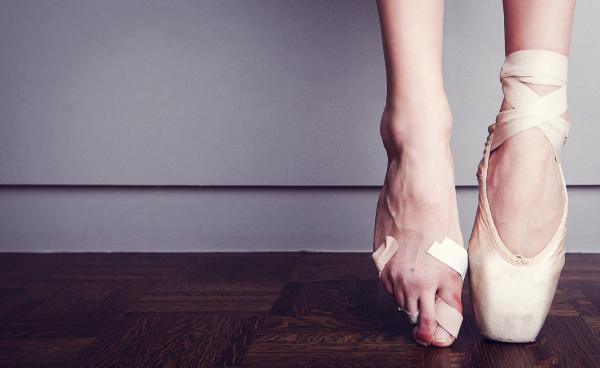
What are this podiatrist’s thoughts on high heels?
“You should wear high heels as little as possible. If you do, bring a change of shoes with you. That’s because, in a normal height shoe, 70% of the pressure is on the heel and 30% on the forefoot, but when you are wearing a high-heeled shoe, 90% of the pressure is going on the forefoot. This is putting undue pressure under the metatarsal heads (the long bones in the foot).
“It also hyper-extends (overextends) those joints. They are nearly at a 90 degree angle in high shoes, whereas they normally sit at a 10 degree angle. Wearing high heels also puts pressure on the sides of the foot, on your bunion areas, and causes toes to crush up. It also causes pressure marks on top of toe joints and can cause what’s known as claw toes.
“A good tip if you’re wearing shoes you’re not used to is to put a Compeed blister plaster over the toe before you go out. Alternatively, apply a smear of Vaseline to stop the friction. And bring that change of shoe.
“Flat pumps can also cause claw toes because of the fact that you are gripping with your toes to hold them on,” she says. “That makes them bad for your feet, but there is also no support in them and they are too flat.”
Angela is not a fan of the fashionable Converse footwear either.
“Again, too flat and no support and often young people don’t tie them properly as well, so they are more like slippers – not good on a daily basis.”
Wellington boots should be worn as little as possible also, she believes.
“The material is not breathable, so it can cause excess sweating. Therefore, you can get bacterial and fungal infections.”
Foot odour
Have you very smelly feet? The kind where the room clears if you take your shoes off?
Then you may have a bacterial infection called plantar keratolysis.
“Bacteria or fungal infections of the feet don’t normally smell that much, a little cheesy perhaps, but this type of bacterial infection causes a much stronger aroma. It’s the one where the room clears when the person takes their shoes off. Even washing the feet doesn’t take the smell away.
“A very successful treatment for this is Anhydrol Forte, an antiperspirant that you can buy over the counter in pharmacies. It’s an aluminium chloride product,” she says, “and not for underarm use, but it is very good when used as directed for the soles of feet. It will kill the bad smell within a week.
“What it does is stop the sweating. It can seem to over-dry the skin initially, but the dry skin will eventually flake off. This product will work against both fungal and bacterial infection. However, you should throw your old shoes out if you have had this infection, as it would remain in them.”
Athlete's foot
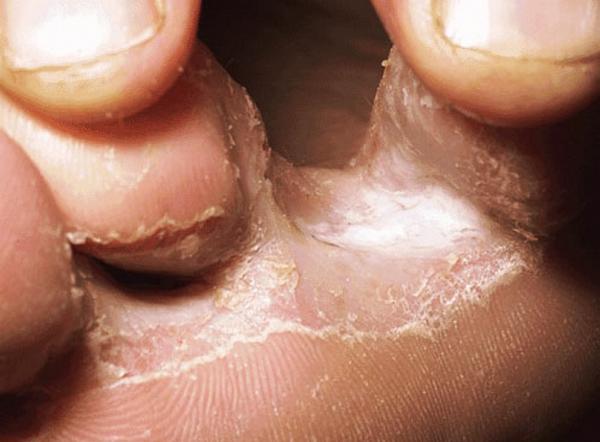
Athelete’s foot presents as thick, white, water-logged skin between the toes.
“The best treatment for this is Lamisil cream,” she says, “the one time you can put cream between your toes. Canesten is good too if there is a fungal/yeast dimension, but mostly Lamisil works. Using a little bit of powder like Mycil between the toes is good for prevention.”
Fungal nails
Fungal nails are a big problem in the older farming population, she says. It’s not always necessary to treat them though.
“You don’t have to,” she says. “They are caused by a combination of trauma (injury to the nail in the past), sweaty feet, an incidence of fungal spores (in wellies) and age. They are not contagious and the only time they really become a problem is when the nail might be very thickened and hit against the shoe. Podiatrists generally treat thickened nails by simply drilling them down.”
Ingrown toe nails
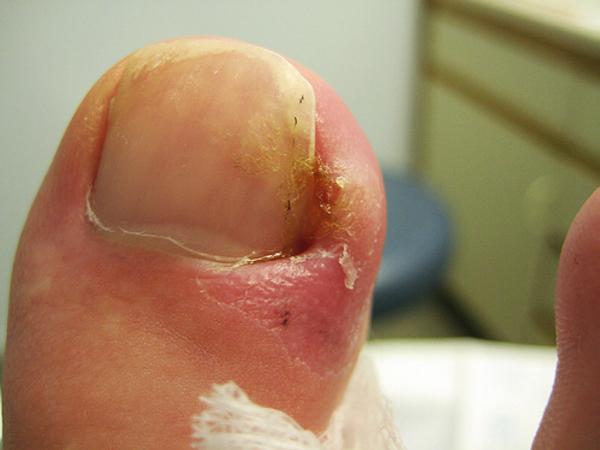
Ingrown toenails are very common, she says, and are mostly caused due to injury or cutting the nails badly.
“Some people have involuted nails that curl in like a pincers and they can get ingrown toenails if they cut those nails badly. Surgery is necessary sometimes too. A good tip to stop an ingrown toe nail from developing is to pack a bit of cotton wool into the side and soak it in warm salt water. This will kill any incident infection.”
Plantar Fasciitis
Help is often sought by people with this painful condition.
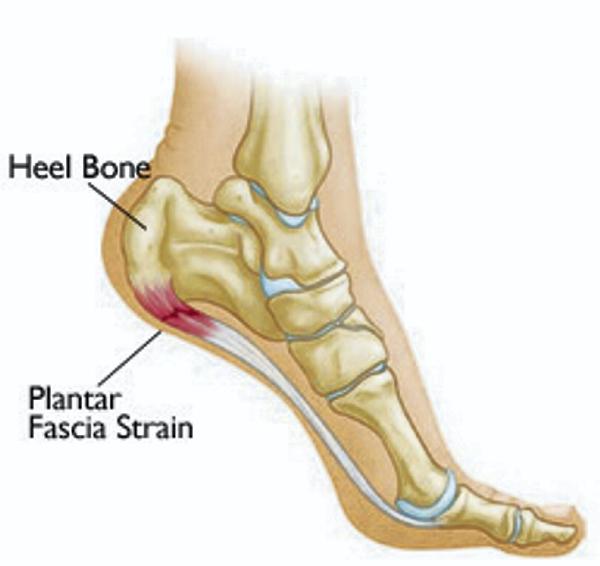
“We don’t know why plantar fasciitis happens. It’s a tendonosis, a wearing or dysfunction of the plantar ligament that holds the front of the foot to the back of the foot and holds your arch up. It starts to degenerate near to its insertion at the heel and that causes pain, especially when you first put your foot to the floor in the morning.”
How is it treated?
“There are a couple of ways – exercises to stretch the sole of the foot and to stretch the muscles at the back of the leg. Strapping can also help, as can arch supports, if necessary, but the condition can also often resolve itself.”
Bunions
Did you think bunions were something that you got from wearing ill-fitting shoes as a child? Think again.
“They were determined by your parents,” she says. “90% of bunions have a genetic cause. The rest occur because of crush injuries to a foot in the past.”
Verrucas
Verrucas can be soul-destroying for podiatrists to cure, Angela says.
“They are very difficult to get rid of. I would mostly refer patients for cryotherapy – freezing off – that some GPs do. The general treatment is with an over-the-counter compound that contains salicylic acid, but you should sand the verruca down as much as you can yourself.”
Her tip for preventing the spread of verrucas is to put Duofilm or Salactol on them.
“This will seal your verrucas and you won’t spread them to anyone else at the swimming pool, for instance.”
Diabetic footcare
“Poorly-controlled diabetes affects the feet badly. People with the condition can lose sensation in their feet. It happens so gradually that they won’t even know they have a loss of sensation, so they won’t know if they have a cut or infection.
“They should always ask their GP to check their feet routinely to make sure nothing is wrong, because eyesight is also not as good as we get older. They should have their nails cut by a professional.”
Regular foot check
Maintenance is important, especially for people with thickened nails, Angela says.
“We can file them (nails) down in a matter of minutes with the equipment we have, whereas it would take ages for the person themselves to do it. Also, all that dead, hard skin can be filed or removed much faster than you could do at home. Then you’re able to manage it at home yourself for the next while. Podiatrists give the patient a good base to start. If you’ve got a lot of dry skin, for example, moisturising cream can’t get through, but if that’s off, it’s easier.”
• For more information, see www.podiatryireland.ie
Footcare tip
Use TV time as an opportunity to moisturise your feet. Grab a stool, cover it with a plastic bag to keep it clean, lather your feet with cream (E45 is very good, it doesn’t have to be an expensive foot cream). Leave for 20 minutes.








SHARING OPTIONS