


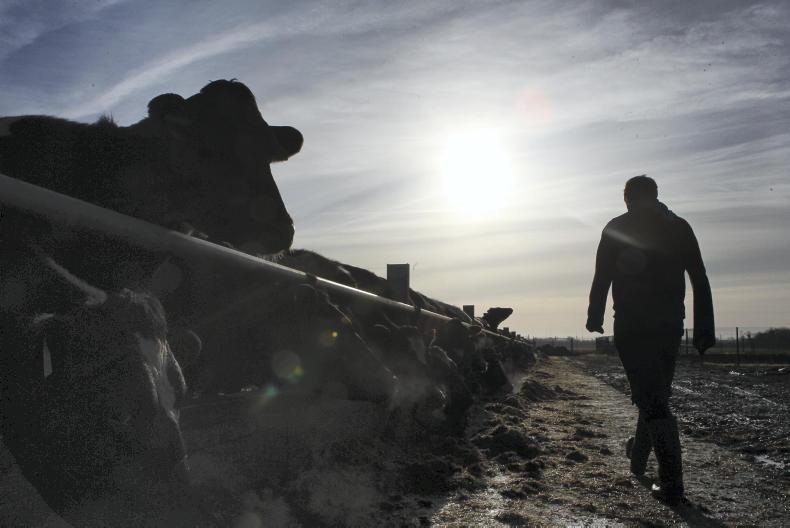
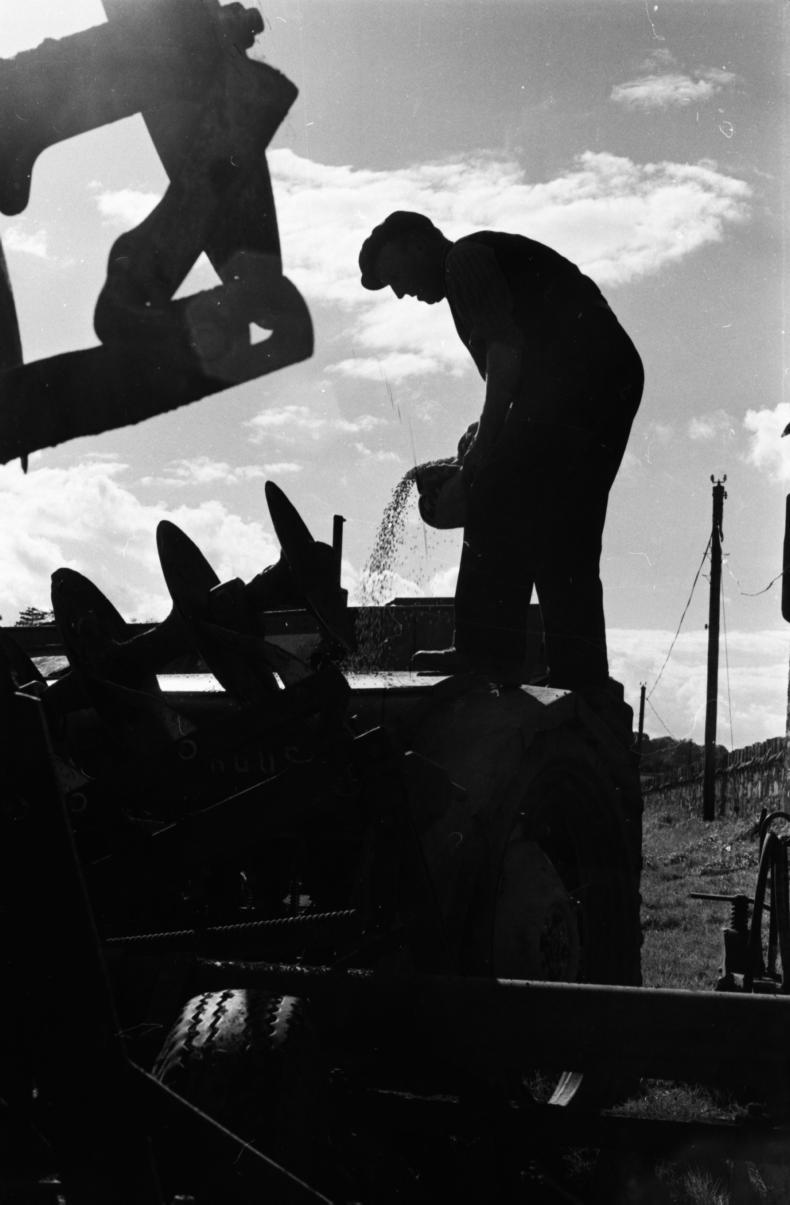
The results of a study on the mortality trends of farmers and agricultural workers, carried out on data collected during the Celtic Tiger years, is in contrast to similar research from the previous decade.
The two sets of data are compared in The Farming Population In Ireland: Mortality Trends During The Celtic Tiger Years by Brenda Smyth et al. It shows that farmers and agricultural workers as a socioeconomic group went from having one of the lowest mortality rates in the 1980s and 1990s to one of the highest during the Celtic Tiger years.
The paper cites a previous study of male mortality trends between 1986 and 1991 by Eamon O’Shea, who found that the overall pattern of mortality for agricultural workers was similar to the wider population, whereas patterns for farmers were significantly lower.
Data from 2000-2006 shows farmers and agricultural workers had significantly higher death rates from circulatory disease, cancers, injuries and poisonings compared to salaried employees.
When it came to circulatory diseases, farmers and agricultural workers were almost seven times more likely to die than salaried workers.
Injuries and poisonings presented the greatest risk of death to agricultural workers, who were over 13 times more likely to die of this than salaried employees, whereas farmers were five and half times more likely.
There is no evidence that education reduces the number of injuries causing death in farming and the study suggests that incentives and legislation would be more effective.
Other findings from the study show that farmers with smaller farms (30-49 acres) and those with relatively low incomes experienced greater mortality levels. Those with off-farm employment experienced lower mortality.
It is important to note that this study has several limitations, including that it was not possible to differentiate data by gender, as was done in the previous research.
Dr John McNamara, health and safety specialist with Teagasc, says that farmers think they are healthy due to their outdoor lifestyle and their tendency to eat good food. This can be true, but it does not excuse them from going for health checks.
“There are benefits to farmers being out in the fresh air and they do get in lots of steps, but there is more they need to do,” he says. “You need to go for a health check once a year and it is a habit that you need to get into.”
Health checks are often conducted at Teagasc events and the National Ploughing Championships. John explains that this is all done with the aim of getting people to see their own GP.
“This is the preferred option with regard to a health check, as your own doctor will know your medical history best.” ?


SHARING OPTIONS