



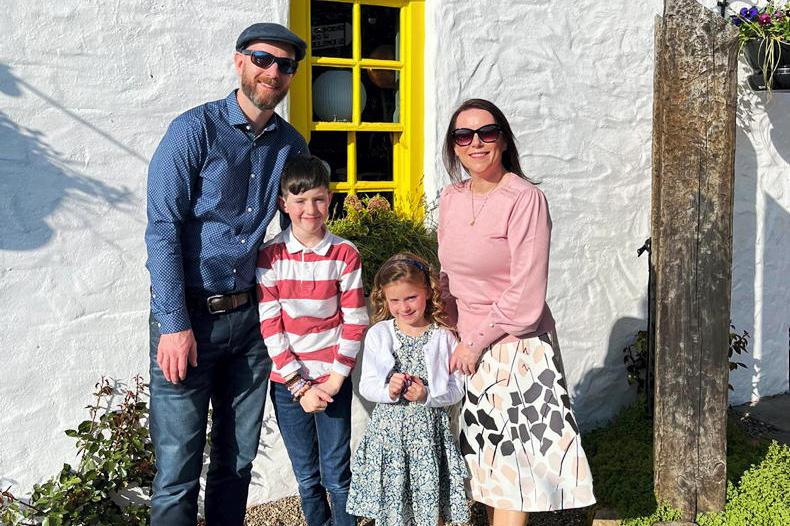
Sheila Loxton’s son Josh was just two years old when he had his first allergic reaction. “It was very frightening,” says Sheila. “We didn’t know what it was. He was eating food that he’d always eaten, a home-cooked meal and went into his first anaphylactic reaction. At that time, we didn’t know it, but it [his reaction] was to chickpeas and lentils.”
Sheila says her son became unrecognisable. “He was swelling up absolutely everywhere; streaming eyes and nose and struggling to breathe. We had to call 999 and get an ambulance.”
Anaphylaxis is a severe, life-threatening allergic reaction which can be caused by food. It rapidly brings on breathing difficulties, swelling and skin rashes, along with a dangerous drop in blood pressure.
Multiple organs are affected and the only effective treatment is the immediate administering of adrenaline, followed by urgent medical care.
Since that first episode, Josh, who is now 11, has had numerous allergies identified, including peanut, sesame, hazelnut, walnut, and Brazil nuts. He also has asthma, eczema and an array of environmental allergies like dust and pollen. These are conditions that are commonly associated with food allergies. Josh’s younger sister, Erin (7) also has a similar array of conditions and allergies.
It’s a terrifying situation for parents to face and it can be exacerbated by difficulty in accessing medical care if living in a remote area. “We’re lucky, we’re in Sixmilebridge in Clare and live 20 minutes away from an A&E department, but that’s not the case for most people in Ireland,” says Sheila. “I’m from rural west Clare and I don’t think I’d go and live where I’m from now because of that.”
It’s the most basic principle, to feed your kids, but when that food could put them into a life-threatening position, that stays with you
The stress is the unseen element that parents deal with, says Sheila. “For an allergy parent, before you step outside the door, you’re risk assessing everything in your head. What’s going to be there? What will the food be? Will a child give them something that they’ll try? You’re constantly vigilant. You need to carry your medical kit, your EpiPens [auto-injectable devices that deliver adrenaline], your inhaler and antihistamine with you all the time too.
“It’s the most basic principle, to feed your kids, but when that food could put them into a life-threatening position, that stays with you. You want to do whatever you can to remove that risk for them.”
Sheila and her husband, Rob, set about trying to do just that for Josh and Erin. Having first been referred to a respiratory consultant in Limerick, they felt they needed the specialist care of a paediatric allergist.
Their only option was to see a consultant in Cork privately but it allowed them to finally establish exactly which foods the children are allergic to.
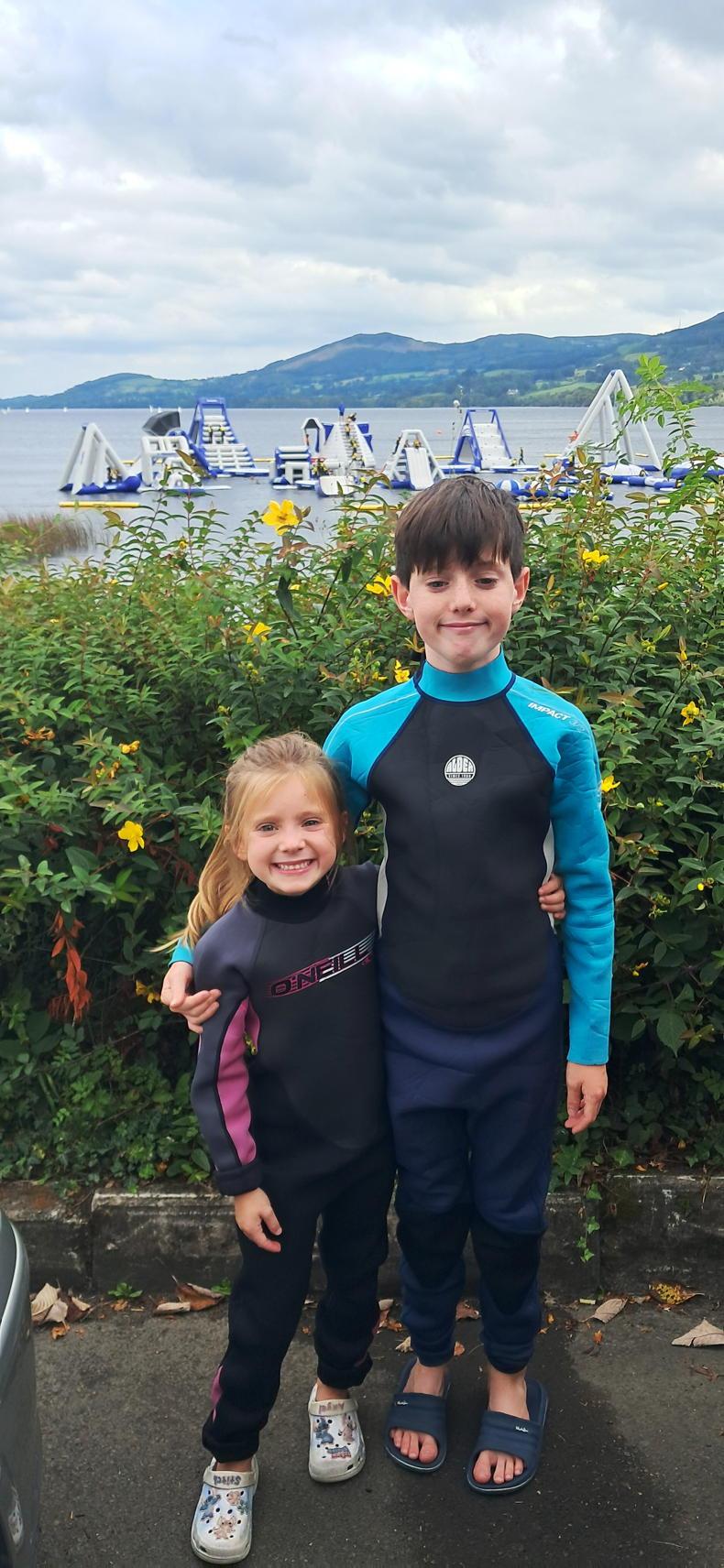
However, following another frightening incident when Erin had an allergic reaction at a party, Sheila decided something more had to be done.
That led them to seek out oral immunotherapy (OIT) for the children. The treatment involves introducing very small amounts of an allergen under specialist supervision and increasing it over time. It helps young children build their tolerance and can significantly reduce the risk of severe allergic reactions.
While there is an oral immunotherapy programme run by consultant paediatric allergist Dr Juan Trujillo in Cork University Hospital, it is currently only for children aged under five. So, the Loxtons looked elsewhere.
Seeking treatment abroad
Since November 2023, they have travelled to France every six months for Josh and Erin to receive oral immunotherapy. While it is a huge time commitment and financial investment, it has been nothing short of life-changing for both children, says Sheila.
“They now can handle ‘may contain’ or ‘made in a factory’ products, so once they eat their own food, there shouldn’t be any risk of cross-contamination. It takes away some of that worry and stress.”
While oral immunotherapy isn’t suitable for everyone, it has been significant for Josh and Erin – even their asthma and eczema are under control.
“They’re both very active, and that’s something I’m so thankful for,” says Sheila.
“They love swimming and climbing, and they go off on their camp now with the scouts. There is a lot of work with it. You fill in all the forms and make sure the leaders know how to use the EpiPens, but the kids feel so confident now, having done the oral immunotherapy. I don’t want them living with the worry and they don’t, thankfully. They’re really active and very happy and healthy kids.”
For example, if your kid is six or seven years of age and they go to a party and someone gives them Nutella, if they’re allergic to hazelnut but they’re in OIT, the chances of having anaphylaxis are lower
Sheila is a founding member of Allergy Action Ireland (AAI), a patient-led advocacy group that provides support and advocates for better treatment and services.
“There’s 5-6% of children and 1-2% of adults who have a food allergy that could result in anaphylaxis,” she says. “There are life-changing treatments that aren’t even currently available in Ireland. We need a national allergy model of care, so that we can have a standardised approach to all of it: the diagnosis, oral food challenges and the clinical support.”
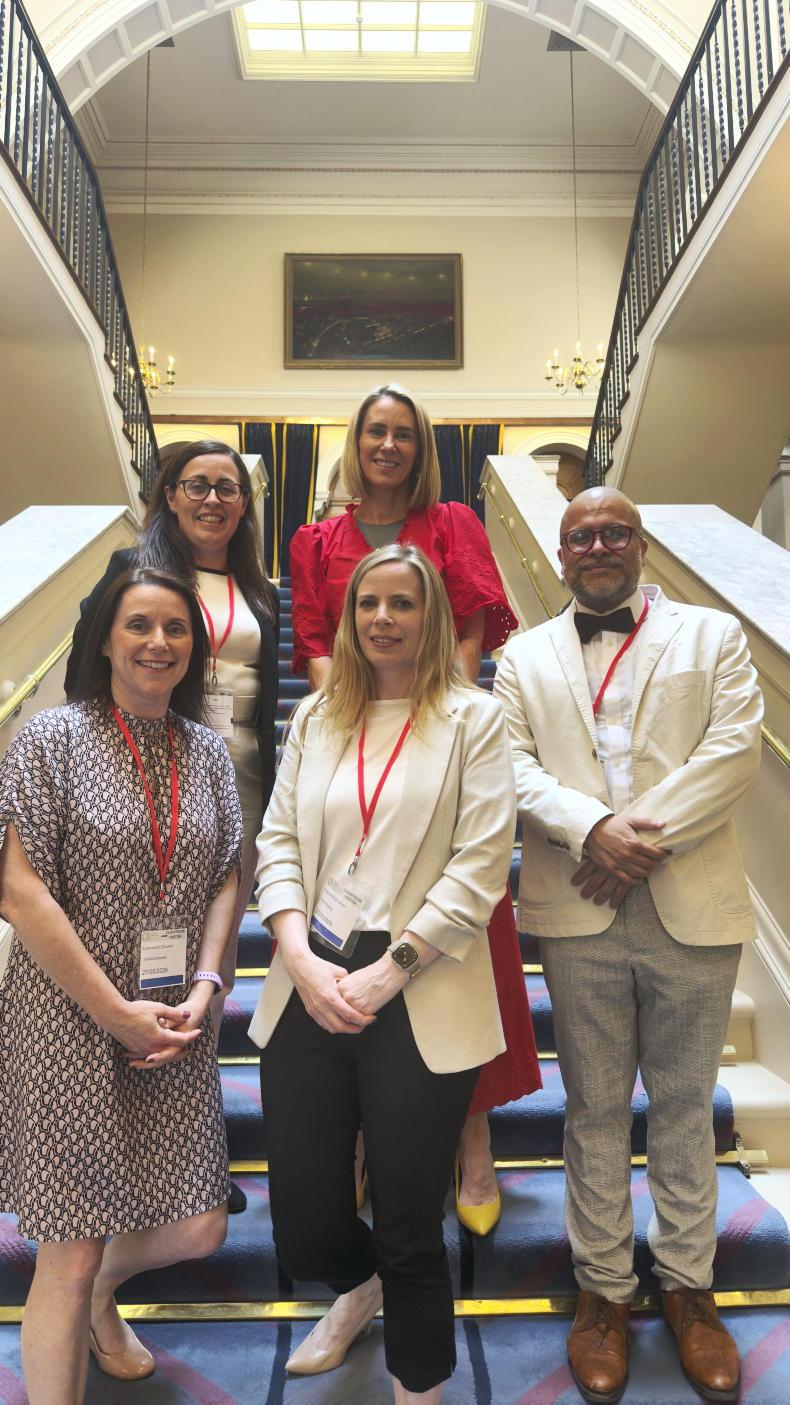
In March of this year, representatives of AAI appeared before the Oireachtas Health Committee and in May, Sheila was among a group from AAI who met with Minister for Health Jennifer Carroll MacNeill TD. They were accompanied by Dr Trujillo who shared the impact of his oral immunotherapy programme in CUH and his hopes that it could be rolled out nationally.
He launched his programme in May 2025, and has seen about 500 patients. More than half came from outside Cork. “Of those 500 patients, 350 have been selected to do oral immunotherapy,” he says.
Resourcing challenges
Currently, the programme only treats children under the age of five due to resourcing challenges. Dr Trujillo says this young cohort is most likely to see better results. Research has shown that the early introduction of certain foods can help prevent food allergies from developing in some children.
“There has been a huge shift in the way that we introduce nuts in the last three years,” he says, “and it has reduced the chances of being allergic [to peanuts] in the American population by 40%. What we know now is that there is a little bit of a window. If you are really young and are in oral immunotherapy, you’re not only protected with the OIT, you could actually even outgrow the allergy.”
While it sounds simple, oral immunotherapy is a difficult and dangerous task, says Dr Trujillo.
He is also keen to stress that it isn’t suitable for everyone, nor is it a fix-all. “I always explain to people that it’s not a cure,” he says. “We are doing this to protect your kid, and we always say the words ‘bite protection’.
“For example, if your kid is six or seven years of age and they go to a party and someone gives them Nutella, if they’re allergic to hazelnut but they’re in OIT, the chances of having anaphylaxis are lower. That doesn’t mean they don’t need to carry their EpiPen, because it could happen, but the chances are lower.”
Dr Trujillo has already seen a huge demand for the service and there are big plans for the future. “My aim in the next five years is to have enough resources to train people in different areas across the country,” he says. “There’s a lot of patients that are older than five years of age that could also be protected with this type of treatment, but the resources are not there yet.”
See Instagram @allergyactionireland, ifan.ie (Irish Food Allergy Network) or hse.ie. If you suspect someone has symptoms of anaphylaxis, such as breathing difficulties, trouble swallowing or speaking, or feeling dizzy or faint call, 999 or 112 immediately.


SHARING OPTIONS