



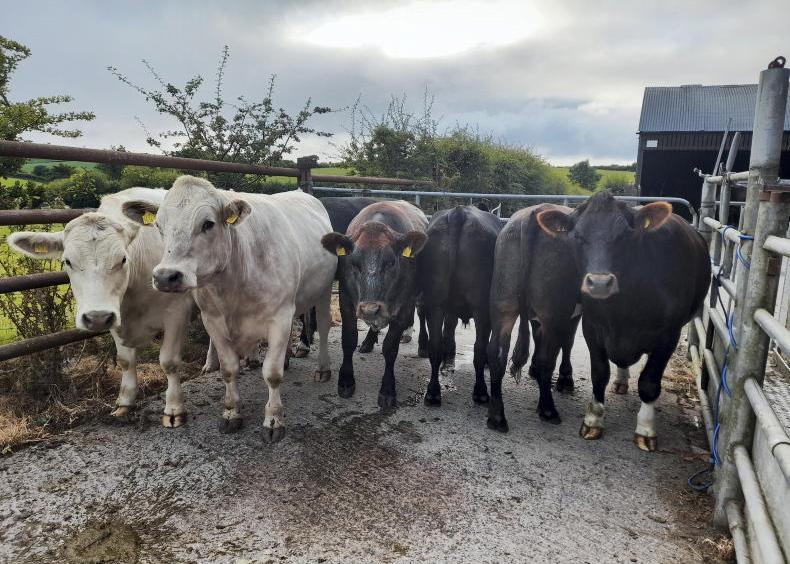
I’ve discovered the secret recipe for making proper money from beef and have generously decided to share this vital information.
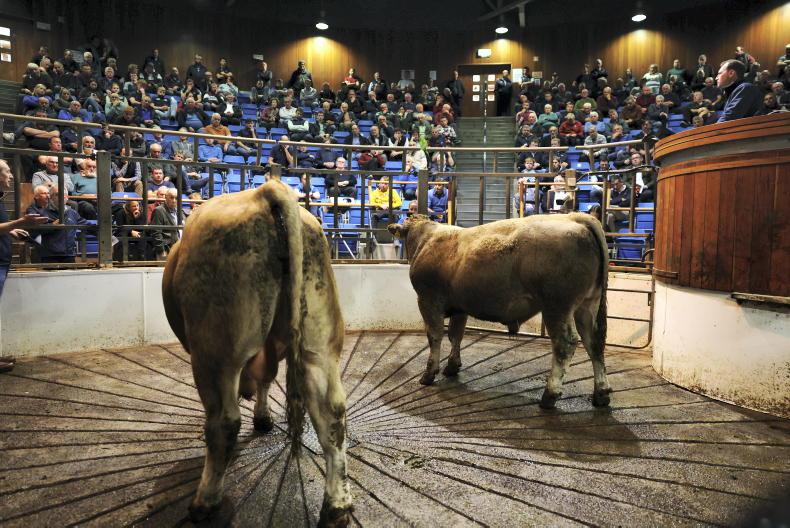
The unbelievable answer is to buy them cheap and sell them dear. Good, eh? Forget about the type of grass in your sward composition, or how much maize is in the carefully chosen ration that you’re supplementing them with, because all that stuff fades into irrelevance compared with a huge price rise between buying and selling.
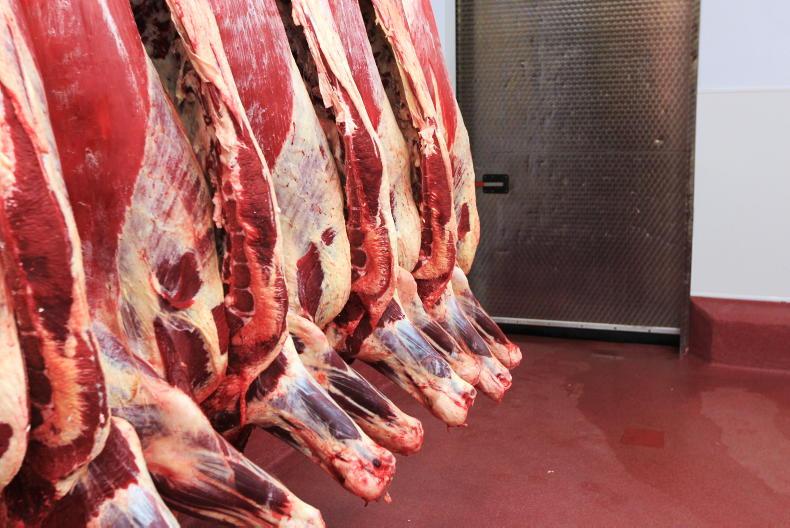
The reason for stating the absolute obvious here is because I killed a few cattle last week for the first time in six years and probably made more money than I ever thought possible.
For anyone thinking it might have been linked to 50 years of farming experience, or the business acumen acquired from the university of life and hard knocks, forget it.
This was pure good luck and nothing else – simple as that.
Back in the spring of 2024, there weren’t enough heifer calves coming forward from the dairy outfit that we rear for, so I had a decision to make. I could have ploughed a bit more land or bought more breeding ewes, but neither of these options seemed particularly attractive.
However, there were beef-bred bull calves at the dairy farm that were the same age as the heifers, so I thought I’d bring a dozen of them home and give it a go.
The whole experience has been largely positive, although the real icing on the cake was just a big rise in beef prices – it was over and above anything I had originally budgeted for.
These were bought as a batch of 12, and a price of £350 (weaned off milk) was agreed upon. I certainly hadn’t envisaged rising the value of them by £1,750 in 26 months.
They were bred from a New Zealand type of dairy cow and I was firmly assured that those sorts of wee dirt wouldn’t produce anything that could grow.
Well, I’m afraid I have to disagree with that commonly held belief because they grew at the same rate as all the beef stores that ever came here.
I’ll admit, not all of them were beautiful, and some of them became plainer and plainer the older they got. But against that, the best of them graded O+, and I honestly thought they might have scraped into an R grade.
Therefore, a big fluctuation in finished prices (£400 from best to worst) reflects this variation, but because they were bought as a job lot, it’s hard to work out individual margins.
Benchmark
As far as working out any sort of benchmarking margins, what is the point? I did it for years when I was buying quality store cattle, and most of the analytical musings revolved around kidding myself I was making genuine net profit from buying to selling.
Sometimes I did, but only on a rising tide, and then I’d give the extra money away again when buying in their replacements.
Given what has happened in the beef market over the past six months, it might be fair comment to note that some things never change, do they?
Whiteheads
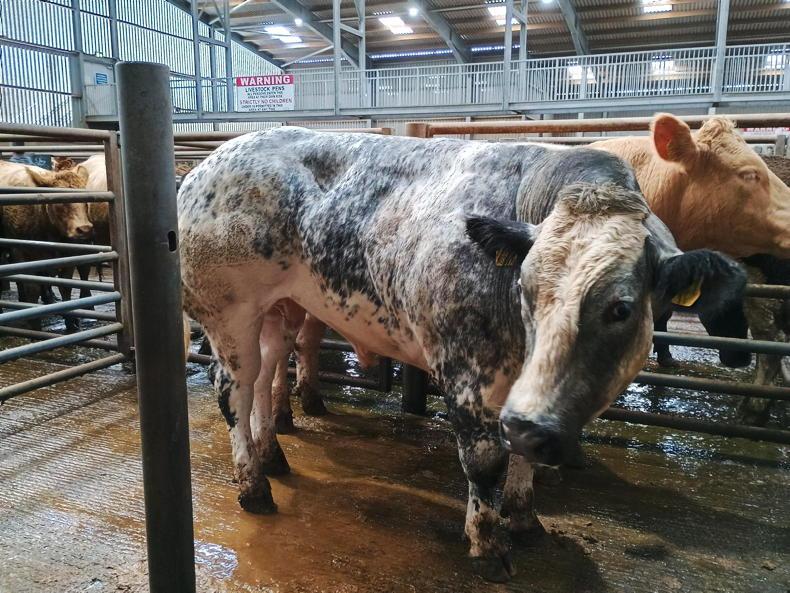
There is another batch of whitehead bullocks running a year behind the sold ones, and they will possibly leave a healthy margin also because they were bought in the spring of 2025, just before the price explosion of last summer.
I suspect the true profitability of my new beef finishing enterprise will be directly dependant on how many heifer calves are coming here to be reared.
If plentiful numbers arrive, I won’t be buying any beef-bred animals, but if numbers are scarce, then I may buy more male calves and, at present day prices, maybe my run of good luck will come to an abrupt end.


SHARING OPTIONS