Organ donor awareness welcomes new ambassador
Broadcaster Ray D’Arcy is the 2019 voluntary ambassador for organ donor awareness. He will front the campaign which takes place from 30 March until 6 April, encouraging the public to support organ donation for transplantation by letting their loved ones know their wishes.
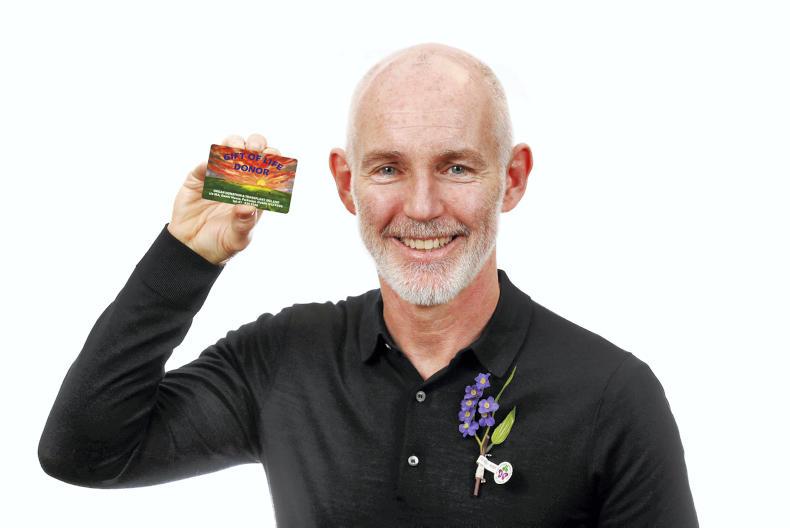
Almost 550 people in Ireland are waiting for life-saving heart, lung, liver, kidney and pancreas transplants. Already 4,000 Irish people are enjoying extended life due to the gift of organ donation.
You can help by carrying the organ donor care and permitting the CODE 115 on your driver’s licence. You can also download the digital organ donor cardapp on your smartphone. Free text the word DONOR to 50050, or telephone 01-6205306 to obtain a donor card.
Organ Donor Awareness Week also serves as a fundraiser for the Irish Kidney Association. Watch out for ‘forget-me-not-flower’ and donor card distributors in your local town during Organ Donor Awareness Week. #HaveTheChat
Hearing loss link: dementia, diabetes and heart health
Irish people have a poor track record when it comes to looking after their hearing health, according to a new survey carried out globally.
“Significant delays in the time taken by individuals to have their hearing tested and to seek treatment were identified, combined with reluctance to use a hearing aid when needed,” said Stephen Leddy, CEO of Hidden Hearing Ireland.
22% in the Irish survey admitted waiting five years or more before seeking help for hearing loss – the longest people waited in any country surveyed. 35% of those asked didn’t get a hearing aid fitted even when a problem was identified. Only 25% in the Irish survey use hearing aids, well below the global average of 51%. This is in contrast with high levels of wearing glasses when needed, 71% in Ireland against a global average of 61%. “While poor eyesight is something we refuse to live with in Ireland, it appears we Irish are more willing to suffer hearing loss,” he says. There was also a low level of awareness about untreated hearing loss being linked with overall health and the higher risk of heart problems, stroke, diabetes and dementia connected with it.
Special offer food not healthy
One-third of food and drinks on special offer in supermarkets are high in fat, sugar and salt, according to safefood. Its research looked at 70,000 food products on special offer.
Dr Marian O’Reilly of safefood said: “We know that everybody loves a bargain, but with more than a third of foods on offer being unhealthy it’s not surprising that Kantar data showed that the average household with children spends more on treat foods (19%) than on fruit (10%) and vegetables (7%).
Plan your meals before you shop.Make a shopping list after checking fridge and cupboards.Be aware of food promotions often being unhealthy.Shop alone to avoid pester power.Don’t shop when you are hungry, tired or stressed to avoid reaching for comfort foods.Check food labels to understand what’s healthy.Look for balance in your shop. See here for more help getting the trolley balance right.
People looking to get active can take up the Irish Heart Foundation’s Move More Walking Challenge.
This is a six-week programme to support people to achieve physical activity guidelines and walk a 5km route at their own pace.
Each week participants will be encouraged to increase their step count, distance and also do some mobility, stretching and strength exercises. The Move More Walking Challenge can be downloaded from www.irishheart.ie/sli
The IHF is also encouraging people to participate in park runs. Register for parkrun at here, choose #IrishHearts as your club and print the barcode before turning up to walk with your local community. Events are held in 85 locations in Ireland.
Hospital equipment
failing – 4,000 cases
The Irish Patients’ Association is very concerned about the state of equipment being used across the health service and about the lack of funds available to replace such equipment.
According to National Incident Management System (NIMS) data, 3,836 equipment failure incidents were recorded in recent years. These incidents, between 2015 and 2018, led to 72 claims against the HSE the Irish Patients’ Association found after seeking data from the State Claims Agency. The total liability for this could be €52m.
While the HSE gave IPA chair Stephen McMahon assurances that the auditing and servicing of medical devices was up to date in order to reduce the possibility of breakdowns, he subsequently visited St Vincent’s and Tallaght hospitals in Dublin where he said “aged equipment (eg ventilators and ultrasound machines) was a cause for concern”.
Hormone Health Week is happening the week commencing 25 March and Cleanmarine, the supplement manufacturers, is organising many regional seminars on this topic. It’s also published a useful guide, The Essential Guide to Hormone Health can be downloaded at www.cleanmarine.ie/hormones. It contains information on the five female hormone life stages. Speaking about the expert-developed guide, Sarah Brereton, nutritionist at Cleanmarine, said: “When we think of female hormonal stages we tend to focus on puberty and menopause but there are so many female hormone stages in between. Being aware of hormonal changes in our bodies through life’s stages is the first step in learning to manage our hormones to enable us to live happy, healthy lives.”
New device for detecting artery changes
A handheld device that enables early detection of changes to arteries in the body that can lead to heart failure has been developed by scientists at the Tyndall National Institute in Cork.
The researchers, led by Professor Peter O’Brien, believe that the light-sensing device has the potential to save lives, time and ease workloads on acute hospitals. GPs will also be able to scan patients and get accurate results straight away. It will mean that many patients won’t have to undergo expensive MRIs or ECGs.
The biophotonic device can accurately measure arterial stiffness and other indicators that signal cardiovascular disease.
A video to help prevent falls at home has been launched by the Public Health Agency in Northern Ireland. See www.pha.site/StaySteady. Exercises to improve muscle strength are advised in order to improve posture, co-ordination and balance as well as choosing supportive footwear, having regular eye tests and getting tested for osteoporosis. Keeping your home well-lit and clutter free is also advised, along with using slip-resistant mats in the bath and shower. The eating disorders support organisation Bodywhys runs family programmes free of charge nationally, providing education, information, emotional and practical support for parents of offspring with eating disorders. See www.bodywhys.ie or contact 01-2834963. Lo-call helpline 1890-200444.Your local library has a Healthy Ireland at Your Library programme of books, ebooks, online magazines, online courses and events in the library, eg yoga, healthy eating and positivity talks. Pop in and check out what’s available in your locality.The Cystic Fibrosis drug, Orkambi, is now to be made available to children aged two to five. It was made available to six to 11-year-olds in 2018.Pharmacies will have to check the authenticity of all medicines they dispense to patients, with manufacturers having to affix a 2-D barcode and an anti-tampering device on boxes of prescription medicines.Vegetarian multivitamins are now available from Beeline Healthcare.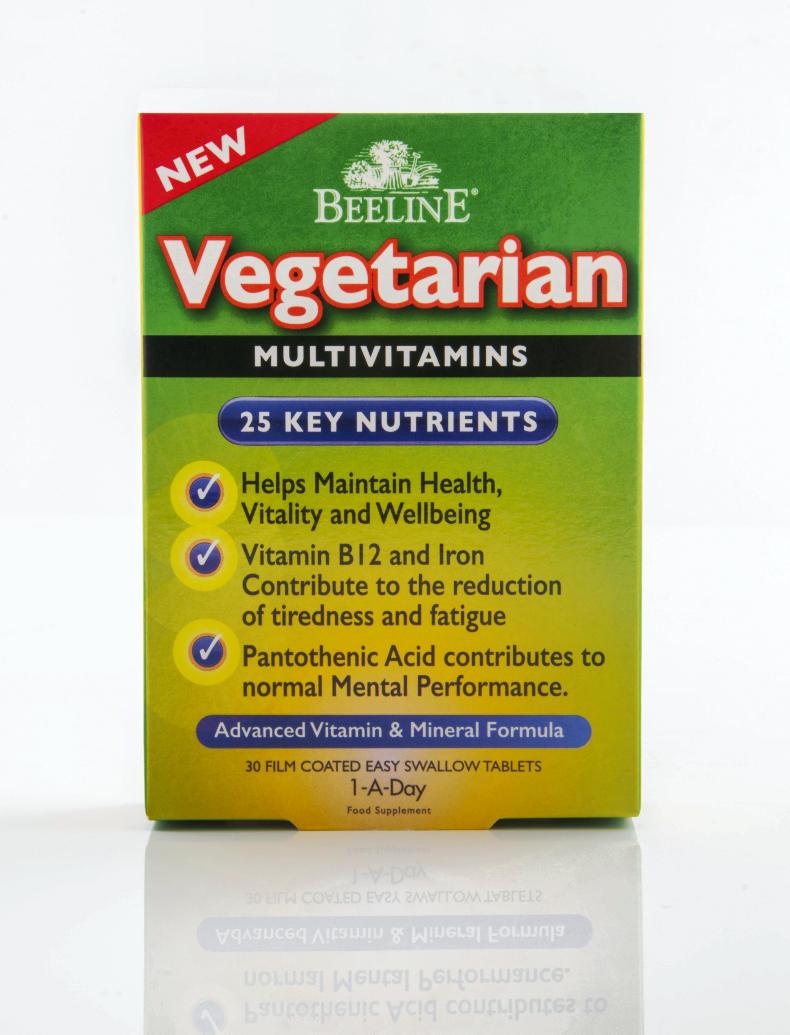
There is a new respite house for children with disabilities and their families in Ashbourne, Co Meath.Daffodil Day in aid of cancer research: 22 March.A Night for Aware concert on 7 April in Dublin’s Olympia Theatre. Tickets cost €28 and are available via Ticketmaster, or call 0818-719330.
Breastfeeding friendly LimerickLimerick has led the way in becoming breastfeeding friendly, with its initiative that has seen 100 business premises and public buildings in Limerick display a We’re Breastfeeding Friendly sticker or poster.
Limerick City and County Council’s initiative is being copied across the country.
It is cost free for businesses to sign up, but participants must fulfil the criteria of making breastfeeding acceptable in all areas of their premises and mothers must never be asked to stop breastfeeding or move to another area.
Organ donor awareness welcomes new ambassador
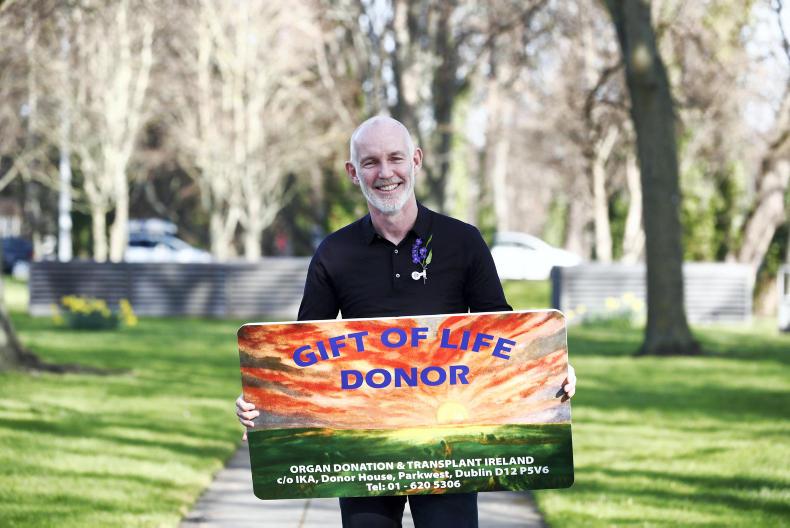
Broadcaster Ray D’Arcy is the 2019 voluntary ambassador for organ donor awareness. He will front the campaign which takes place from 30 March until 6 April, encouraging the public to support organ donation for transplantation by letting their loved ones know their wishes.
Almost 550 people in Ireland are waiting for life-saving heart, lung, liver, kidney and pancreas transplants. Already 4,000 Irish people are enjoying extended life due to the gift of organ donation.
You can help by carrying the organ donor care and permitting the CODE 115 on your driver’s licence. You can also download the digital organ donor cardapp on your smartphone. Free text the word DONOR to 50050, or telephone 01-6205306 to obtain a donor card.
Organ Donor Awareness Week also serves as a fundraiser for the Irish Kidney Association. Watch out for ‘forget-me-not-flower’ and donor card distributors in your local town during Organ Donor Awareness Week. #HaveTheChat
Hearing loss link: dementia, diabetes and heart health
Irish people have a poor track record when it comes to looking after their hearing health, according to a new survey carried out globally.
“Significant delays in the time taken by individuals to have their hearing tested and to seek treatment were identified, combined with reluctance to use a hearing aid when needed,” said Stephen Leddy, CEO of Hidden Hearing Ireland.
22% in the Irish survey admitted waiting five years or more before seeking help for hearing loss – the longest people waited in any country surveyed. 35% of those asked didn’t get a hearing aid fitted even when a problem was identified. Only 25% in the Irish survey use hearing aids, well below the global average of 51%. This is in contrast with high levels of wearing glasses when needed, 71% in Ireland against a global average of 61%. “While poor eyesight is something we refuse to live with in Ireland, it appears we Irish are more willing to suffer hearing loss,” he says. There was also a low level of awareness about untreated hearing loss being linked with overall health and the higher risk of heart problems, stroke, diabetes and dementia connected with it.
Special offer food not healthy
One-third of food and drinks on special offer in supermarkets are high in fat, sugar and salt, according to safefood. Its research looked at 70,000 food products on special offer.
Dr Marian O’Reilly of safefood said: “We know that everybody loves a bargain, but with more than a third of foods on offer being unhealthy it’s not surprising that Kantar data showed that the average household with children spends more on treat foods (19%) than on fruit (10%) and vegetables (7%).
Plan your meals before you shop.Make a shopping list after checking fridge and cupboards.Be aware of food promotions often being unhealthy.Shop alone to avoid pester power.Don’t shop when you are hungry, tired or stressed to avoid reaching for comfort foods.Check food labels to understand what’s healthy.Look for balance in your shop. See here for more help getting the trolley balance right.
People looking to get active can take up the Irish Heart Foundation’s Move More Walking Challenge.
This is a six-week programme to support people to achieve physical activity guidelines and walk a 5km route at their own pace.
Each week participants will be encouraged to increase their step count, distance and also do some mobility, stretching and strength exercises. The Move More Walking Challenge can be downloaded from www.irishheart.ie/sli
The IHF is also encouraging people to participate in park runs. Register for parkrun at here, choose #IrishHearts as your club and print the barcode before turning up to walk with your local community. Events are held in 85 locations in Ireland.
Hospital equipment
failing – 4,000 cases
The Irish Patients’ Association is very concerned about the state of equipment being used across the health service and about the lack of funds available to replace such equipment.
According to National Incident Management System (NIMS) data, 3,836 equipment failure incidents were recorded in recent years. These incidents, between 2015 and 2018, led to 72 claims against the HSE the Irish Patients’ Association found after seeking data from the State Claims Agency. The total liability for this could be €52m.
While the HSE gave IPA chair Stephen McMahon assurances that the auditing and servicing of medical devices was up to date in order to reduce the possibility of breakdowns, he subsequently visited St Vincent’s and Tallaght hospitals in Dublin where he said “aged equipment (eg ventilators and ultrasound machines) was a cause for concern”.
Hormone Health Week is happening the week commencing 25 March and Cleanmarine, the supplement manufacturers, is organising many regional seminars on this topic. It’s also published a useful guide, The Essential Guide to Hormone Health can be downloaded at www.cleanmarine.ie/hormones. It contains information on the five female hormone life stages. Speaking about the expert-developed guide, Sarah Brereton, nutritionist at Cleanmarine, said: “When we think of female hormonal stages we tend to focus on puberty and menopause but there are so many female hormone stages in between. Being aware of hormonal changes in our bodies through life’s stages is the first step in learning to manage our hormones to enable us to live happy, healthy lives.”
New device for detecting artery changes
A handheld device that enables early detection of changes to arteries in the body that can lead to heart failure has been developed by scientists at the Tyndall National Institute in Cork.
The researchers, led by Professor Peter O’Brien, believe that the light-sensing device has the potential to save lives, time and ease workloads on acute hospitals. GPs will also be able to scan patients and get accurate results straight away. It will mean that many patients won’t have to undergo expensive MRIs or ECGs.
The biophotonic device can accurately measure arterial stiffness and other indicators that signal cardiovascular disease.
A video to help prevent falls at home has been launched by the Public Health Agency in Northern Ireland. See www.pha.site/StaySteady. Exercises to improve muscle strength are advised in order to improve posture, co-ordination and balance as well as choosing supportive footwear, having regular eye tests and getting tested for osteoporosis. Keeping your home well-lit and clutter free is also advised, along with using slip-resistant mats in the bath and shower. The eating disorders support organisation Bodywhys runs family programmes free of charge nationally, providing education, information, emotional and practical support for parents of offspring with eating disorders. See www.bodywhys.ie or contact 01-2834963. Lo-call helpline 1890-200444.Your local library has a Healthy Ireland at Your Library programme of books, ebooks, online magazines, online courses and events in the library, eg yoga, healthy eating and positivity talks. Pop in and check out what’s available in your locality.The Cystic Fibrosis drug, Orkambi, is now to be made available to children aged two to five. It was made available to six to 11-year-olds in 2018.Pharmacies will have to check the authenticity of all medicines they dispense to patients, with manufacturers having to affix a 2-D barcode and an anti-tampering device on boxes of prescription medicines.Vegetarian multivitamins are now available from Beeline Healthcare.
There is a new respite house for children with disabilities and their families in Ashbourne, Co Meath.Daffodil Day in aid of cancer research: 22 March.A Night for Aware concert on 7 April in Dublin’s Olympia Theatre. Tickets cost €28 and are available via Ticketmaster, or call 0818-719330.
Breastfeeding friendly LimerickLimerick has led the way in becoming breastfeeding friendly, with its initiative that has seen 100 business premises and public buildings in Limerick display a We’re Breastfeeding Friendly sticker or poster.
Limerick City and County Council’s initiative is being copied across the country.
It is cost free for businesses to sign up, but participants must fulfil the criteria of making breastfeeding acceptable in all areas of their premises and mothers must never be asked to stop breastfeeding or move to another area.







SHARING OPTIONS