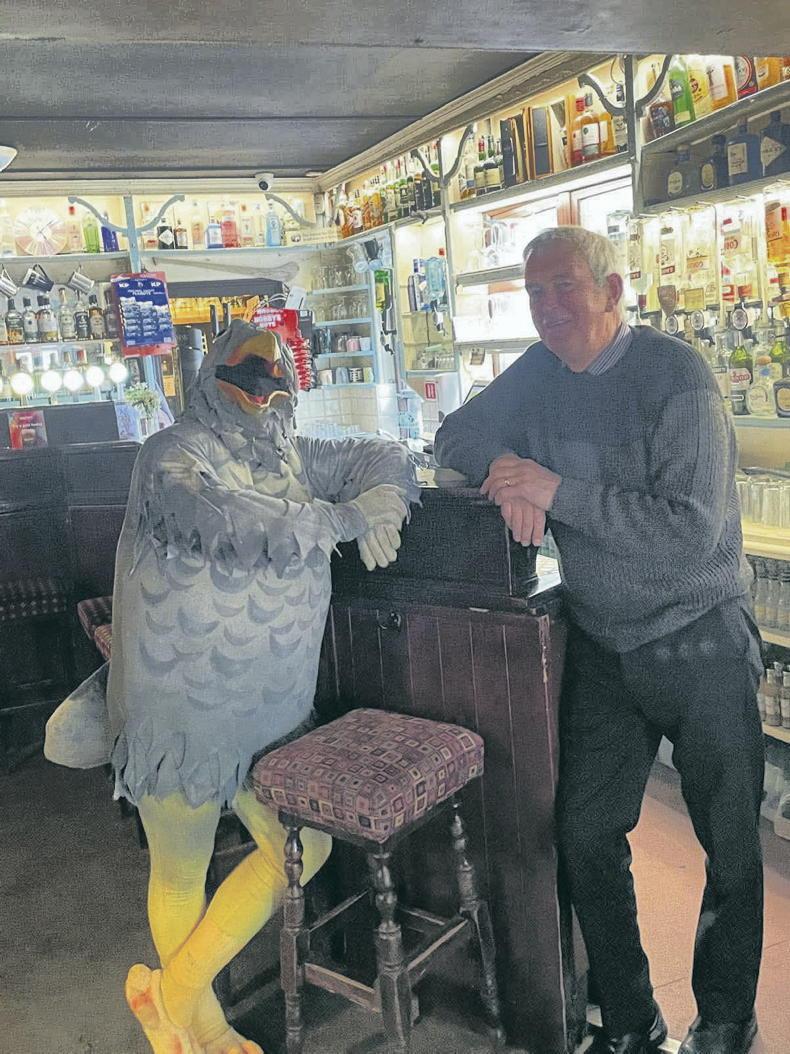
Rural pubs in Ireland are changing – but they’re far from disappearing. Many are finding new ways to thrive by doing what they’ve always done best: bringing people together. According to the Vintners’ Federation of Ireland (VFI), there are around 5,800 pubs outside Dublin, down from over 7,800 in 2005 – a 25% decline. Yet despite this drop, many have adapted and endured by evolving with the times rather than fading away.
The first big shift is diversification. Pubs that serve good food, host music, run family events, or act as community spaces are better placed to handle tough times. These changes draw in locals, families, and tourists alike.
Authenticity also matters. Whether it’s an uneven floor, a creaky bar, or a place known for its tunes, it’s the quirks and stories that make a pub special. Visitors want the real thing, and those that keep their character while offering quality experiences earn loyal followings.
Adaptable pubs that embrace new menus, social media, or creative events are thriving. Despite challenges, they remain the heart of Irish life, where warmth, laughter, and music keep the spirit of the countryside alive. We’ve rounded up five of our favourite country pubs that capture the heart of rural Ireland.
Roches ‘Sinking Pub’,
Donadea, Co Kildare
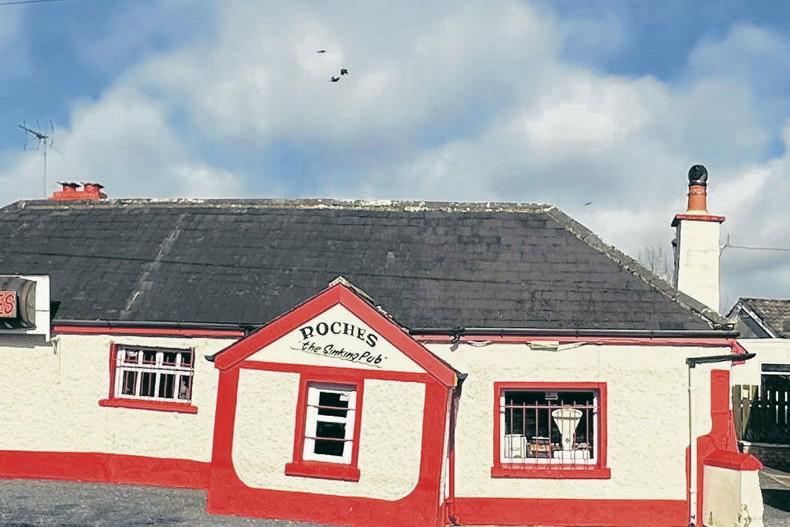
Roches Pub also known as the ‘Sinking Pub’ is a charming teeny pub set in Donadea. It offers a different but equally compelling story of rural resilience. Dating back to the mid-1800s, the pub is famously built with a slightly leaning floor, a feature that has become part of its identity as ‘The Sinking Pub’. This unusual characteristic, coupled with its historic structure, has attracted attention from visitors and media alike.
Roches has also diversified into food by introducing a restaurant on-site, helping it appeal to both locals and tourists. Its proximity to Donadea Forest Park makes it a natural stop for walkers and day-trippers, while the local community continues to rely on it for social gatherings and events.
The mix of heritage, tourism, and good food ensures that Roches remains relevant in a changing market. By embracing a unique feature and making it central to its identity, the pub has turned a quirk into a brand, showing that in an era of competition, individuality can be a powerful draw.
While Roches capitalises on its charm and location, other pubs focus more directly on maintaining their community base.
JJ Houghs ‘Singing Pub’,
Banagher, Co Offaly
JJ Houghs in Banagher is a prime example of a rural pub that has retained its traditional charm while embracing modern developments. Established more than 250 years ago, it sits proudly on the Main Street in the Shannonside town and is widely recognised for its lively music sessions, earning it the nickname the ‘Singing Pub’.
Its combination of live traditional music, hearty food, and active social media presence has helped it attract both locals and visitors from across Ireland and beyond. The pub has been featured in travel guides for its welcoming atmosphere and authentic character, making it a destination in its own right. While maintaining its roots in music and community gatherings, JJ Houghs has modernised by offering pizzas and creative drinks, and by using social media to engage a wider audience.
This blend of heritage and innovation illustrates how rural pubs can thrive by celebrating local culture while responding to broader trends in tourism and hospitality. By embracing digital tools to promote a traditional experience, JJ Houghs has found a formula that bridges past and present.
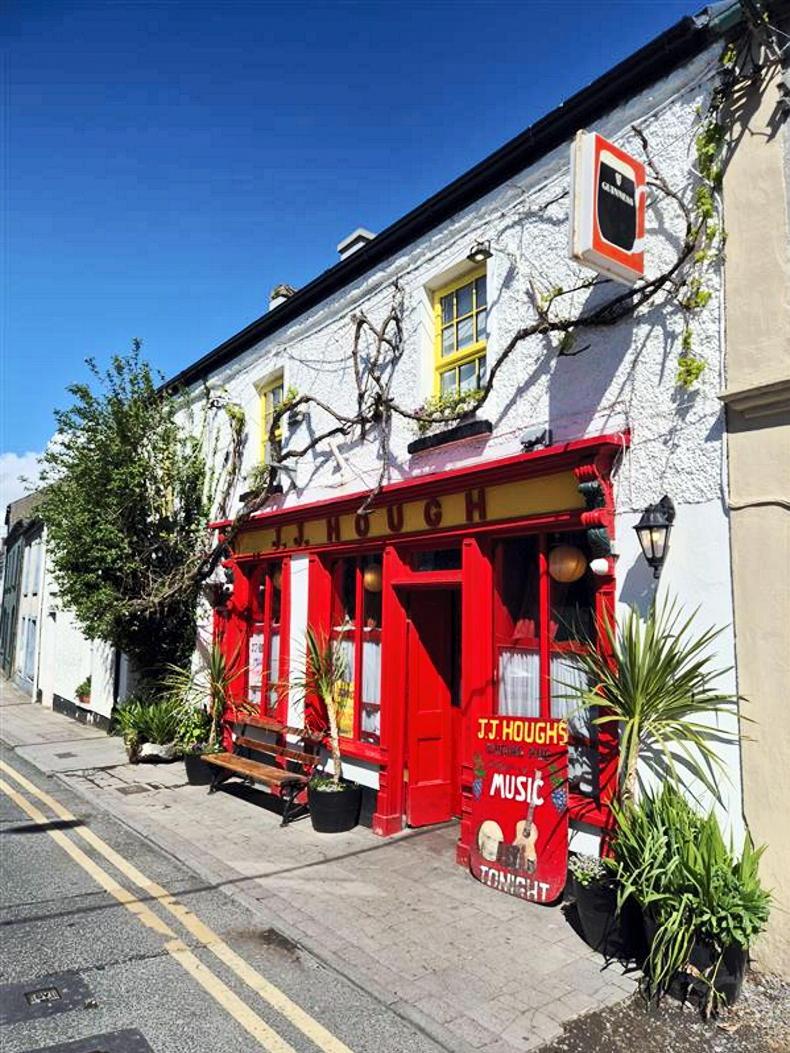
JJ Houghs Singing Pub in Banagher, Co Offaly. /Ger Hough
Tully’s Bar, Kinvara,
Co Galway
Next up is Tully’s Bar in Kinvara, a picturesque coastal village in Co Galway. The pub caters to a mixed clientele of residents and tourists, particularly during the summer festival season. Its success depends on managing fluctuating trade while maintaining consistent quality and atmosphere. Like many pubs in scenic locations, Tully’s has diversified beyond the traditional model of drink service, offering food, entertainment, and cultural events. Its live music sessions, often featuring local artists, reinforce its reputation as a gathering point for both locals and visitors.
While the tourism trade can be unpredictable, especially in rural coastal areas, Tully’s demonstrates how a well-run pub can serve as both a cultural landmark and a business venture. It also reminds us that even in areas dominated by tourism, the enduring appeal of the Irish pub lies in its social dimension. Community remains central to its identity, ensuring that it continues to play a vital role in village life.
The Rusty Mackerel,
Co Donegal
The Rusty Mackerel, Teelin, Co Donegal
is nestled at the foot of Slieve League,, home to Europe’s highest sea cliffs. Itcaptures the spirit of the modern rural pub through its blend of tradition, hospitality, and stunning location. Once a small local bar, it has grown into a vibrant hub that serves both residents and the many visitors drawn to the dramatic cliffs nearby.
The pub is known for its live traditional music sessions, locally sourced food, and warm, down-to-earth atmosphere. While tourists arrive for the views, they often stay for the welcome, reflecting how rural pubs can connect Ireland’s landscape with its culture. The Rusty Mackerel’s success lies in offering an authentic experience that appeals to both locals and travellers. Its evolution shows how a rural pub can thrive by embracing tourism without losing its community heart, proving that good music, local food, and genuine hospitality remain timeless attractions.
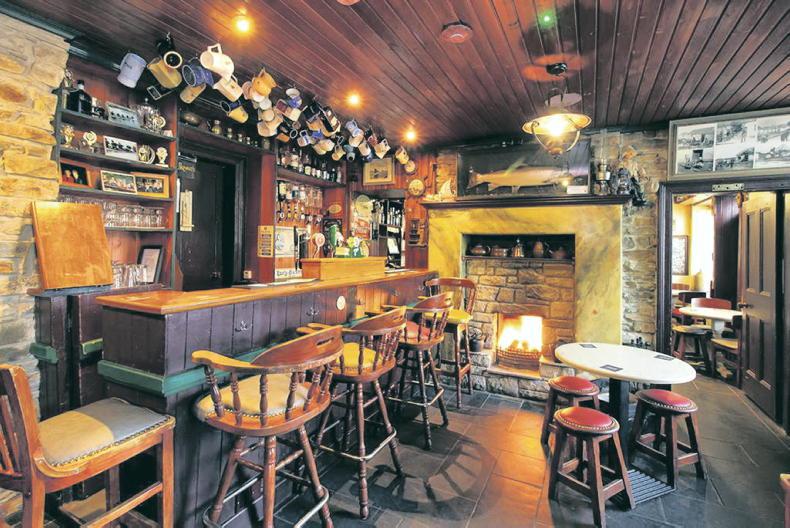
The Rusty Mackerel, Co Donegal.
The Blind Piper Pub,
Caherdaniel, Co Kerry
In Munster, the Blind Piper in Caherdaniel provides a contrasting example of how rural pubs in scenic or tourist-heavy regions must adapt to external pressures. Situated along the Wild Atlantic Way, it attracts visitors exploring the Kerry coastline while also serving as a meeting place for locals. The pub has expanded over the years to include a restaurant, family-friendly facilities, and regular live music, creating a multi-purpose venue.
This approach allows the Blind Piper to make the most of seasonal tourism while maintaining year-round relevance. Summer brings large crowds of tourists, while quieter winter months rely on local trade and events to sustain business. Its success lies in this balance between catering to visitors and remaining rooted in the community.
The pub’s adaptability illustrates a broader lesson for rural hospitality businesses: success depends on flexibility, variety, and a clear sense of identity.
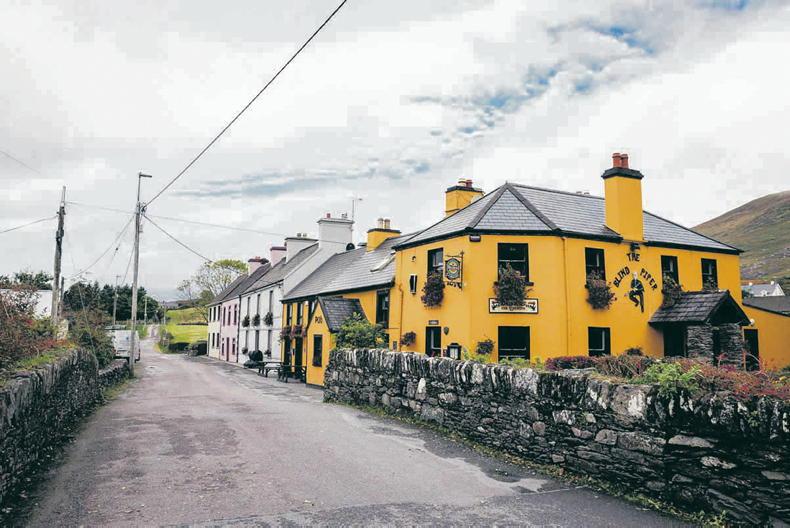
The Blind Piper Pub and Restaurant in Co Kerry.
Rural pubs in Ireland are changing – but they’re far from disappearing. Many are finding new ways to thrive by doing what they’ve always done best: bringing people together. According to the Vintners’ Federation of Ireland (VFI), there are around 5,800 pubs outside Dublin, down from over 7,800 in 2005 – a 25% decline. Yet despite this drop, many have adapted and endured by evolving with the times rather than fading away.
The first big shift is diversification. Pubs that serve good food, host music, run family events, or act as community spaces are better placed to handle tough times. These changes draw in locals, families, and tourists alike.
Authenticity also matters. Whether it’s an uneven floor, a creaky bar, or a place known for its tunes, it’s the quirks and stories that make a pub special. Visitors want the real thing, and those that keep their character while offering quality experiences earn loyal followings.
Adaptable pubs that embrace new menus, social media, or creative events are thriving. Despite challenges, they remain the heart of Irish life, where warmth, laughter, and music keep the spirit of the countryside alive. We’ve rounded up five of our favourite country pubs that capture the heart of rural Ireland.
Roches ‘Sinking Pub’,
Donadea, Co Kildare
Roches Pub also known as the ‘Sinking Pub’ is a charming teeny pub set in Donadea. It offers a different but equally compelling story of rural resilience. Dating back to the mid-1800s, the pub is famously built with a slightly leaning floor, a feature that has become part of its identity as ‘The Sinking Pub’. This unusual characteristic, coupled with its historic structure, has attracted attention from visitors and media alike.
Roches has also diversified into food by introducing a restaurant on-site, helping it appeal to both locals and tourists. Its proximity to Donadea Forest Park makes it a natural stop for walkers and day-trippers, while the local community continues to rely on it for social gatherings and events.
The mix of heritage, tourism, and good food ensures that Roches remains relevant in a changing market. By embracing a unique feature and making it central to its identity, the pub has turned a quirk into a brand, showing that in an era of competition, individuality can be a powerful draw.
While Roches capitalises on its charm and location, other pubs focus more directly on maintaining their community base.
JJ Houghs ‘Singing Pub’,
Banagher, Co Offaly
JJ Houghs in Banagher is a prime example of a rural pub that has retained its traditional charm while embracing modern developments. Established more than 250 years ago, it sits proudly on the Main Street in the Shannonside town and is widely recognised for its lively music sessions, earning it the nickname the ‘Singing Pub’.
Its combination of live traditional music, hearty food, and active social media presence has helped it attract both locals and visitors from across Ireland and beyond. The pub has been featured in travel guides for its welcoming atmosphere and authentic character, making it a destination in its own right. While maintaining its roots in music and community gatherings, JJ Houghs has modernised by offering pizzas and creative drinks, and by using social media to engage a wider audience.
This blend of heritage and innovation illustrates how rural pubs can thrive by celebrating local culture while responding to broader trends in tourism and hospitality. By embracing digital tools to promote a traditional experience, JJ Houghs has found a formula that bridges past and present.

JJ Houghs Singing Pub in Banagher, Co Offaly. /Ger Hough
Tully’s Bar, Kinvara,
Co Galway
Next up is Tully’s Bar in Kinvara, a picturesque coastal village in Co Galway. The pub caters to a mixed clientele of residents and tourists, particularly during the summer festival season. Its success depends on managing fluctuating trade while maintaining consistent quality and atmosphere. Like many pubs in scenic locations, Tully’s has diversified beyond the traditional model of drink service, offering food, entertainment, and cultural events. Its live music sessions, often featuring local artists, reinforce its reputation as a gathering point for both locals and visitors.
While the tourism trade can be unpredictable, especially in rural coastal areas, Tully’s demonstrates how a well-run pub can serve as both a cultural landmark and a business venture. It also reminds us that even in areas dominated by tourism, the enduring appeal of the Irish pub lies in its social dimension. Community remains central to its identity, ensuring that it continues to play a vital role in village life.
The Rusty Mackerel,
Co Donegal
The Rusty Mackerel, Teelin, Co Donegal
is nestled at the foot of Slieve League,, home to Europe’s highest sea cliffs. Itcaptures the spirit of the modern rural pub through its blend of tradition, hospitality, and stunning location. Once a small local bar, it has grown into a vibrant hub that serves both residents and the many visitors drawn to the dramatic cliffs nearby.
The pub is known for its live traditional music sessions, locally sourced food, and warm, down-to-earth atmosphere. While tourists arrive for the views, they often stay for the welcome, reflecting how rural pubs can connect Ireland’s landscape with its culture. The Rusty Mackerel’s success lies in offering an authentic experience that appeals to both locals and travellers. Its evolution shows how a rural pub can thrive by embracing tourism without losing its community heart, proving that good music, local food, and genuine hospitality remain timeless attractions.

The Rusty Mackerel, Co Donegal.
The Blind Piper Pub,
Caherdaniel, Co Kerry
In Munster, the Blind Piper in Caherdaniel provides a contrasting example of how rural pubs in scenic or tourist-heavy regions must adapt to external pressures. Situated along the Wild Atlantic Way, it attracts visitors exploring the Kerry coastline while also serving as a meeting place for locals. The pub has expanded over the years to include a restaurant, family-friendly facilities, and regular live music, creating a multi-purpose venue.
This approach allows the Blind Piper to make the most of seasonal tourism while maintaining year-round relevance. Summer brings large crowds of tourists, while quieter winter months rely on local trade and events to sustain business. Its success lies in this balance between catering to visitors and remaining rooted in the community.
The pub’s adaptability illustrates a broader lesson for rural hospitality businesses: success depends on flexibility, variety, and a clear sense of identity.

The Blind Piper Pub and Restaurant in Co Kerry.
SHARING OPTIONS