



As I write this week’s column, I am listening to Professor Niall Moyna on the radio, revealing that just 60 minutes of strength training each week results in a 63% reduction in all causes of mortality, according to a recent study in the British Journal of Sports Medicine. One of the main reasons? Muscle mass. Maintaining your muscle mass as you age means you age better. Let’s sing it from the rooftops.
It is great to see more and more people like Niall and myself promoting ageing health, especially as you can take ownership of how you age. Staying strong is one of the best ways to help you do that – stronger for longer.
Not just muscle mass, flexibility is another of the elements of fitness that plays a crucial role in how we age. Do you feel like you are stiffening up, struggling to move as freely as you once did? Is turning, bending, lifting and just day-to-day movement beginning to feel a bit harder?
Not surprisingly we become tighter as we age. Stiffer. Less flexible. Then you begin to hurt yourself when doing normal things – gardening, getting in and out of the car, lifting the shopping. This forces you to move less and sit more, accelerating the ageing process further. It’s the cycle of sedentary ageing.
From my experience, men tend to stiffen up more that women and earlier as they age. Why? Well men tend to do less flexibility movement like yoga, pilates, tai chi and similar. I see it it in my own yoga class that I go to – 80% are women.
So this week’s column is trying to encourage you to do more. More flexibility work. More stretching.
Just like maintaining and building muscle, you can improve your flexibility at any age. With regular work, you will notice an incredible difference in how you feel, how you move, how you wake up, and you stay mobile for longer.
You will have less back pain and everyday tasks will become easier like getting up and down, getting in and out of cars – pretty much everything will change when you improve your flexibility.
What you need to know
How do you do it? You can start simply. The four stretches I have in today’s column are really simple to follow. Scan the QR code and it will bring you to the video explaining them in a bit more detail.
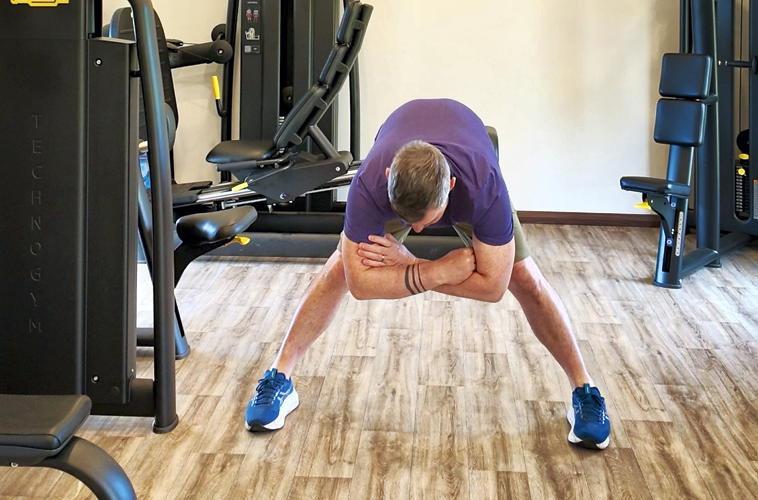
1: Wide feet bends: with the feet wide apart, cross your arms and bend forwards from the hips keeping your back straight, letting the elbows hang towards the floor.
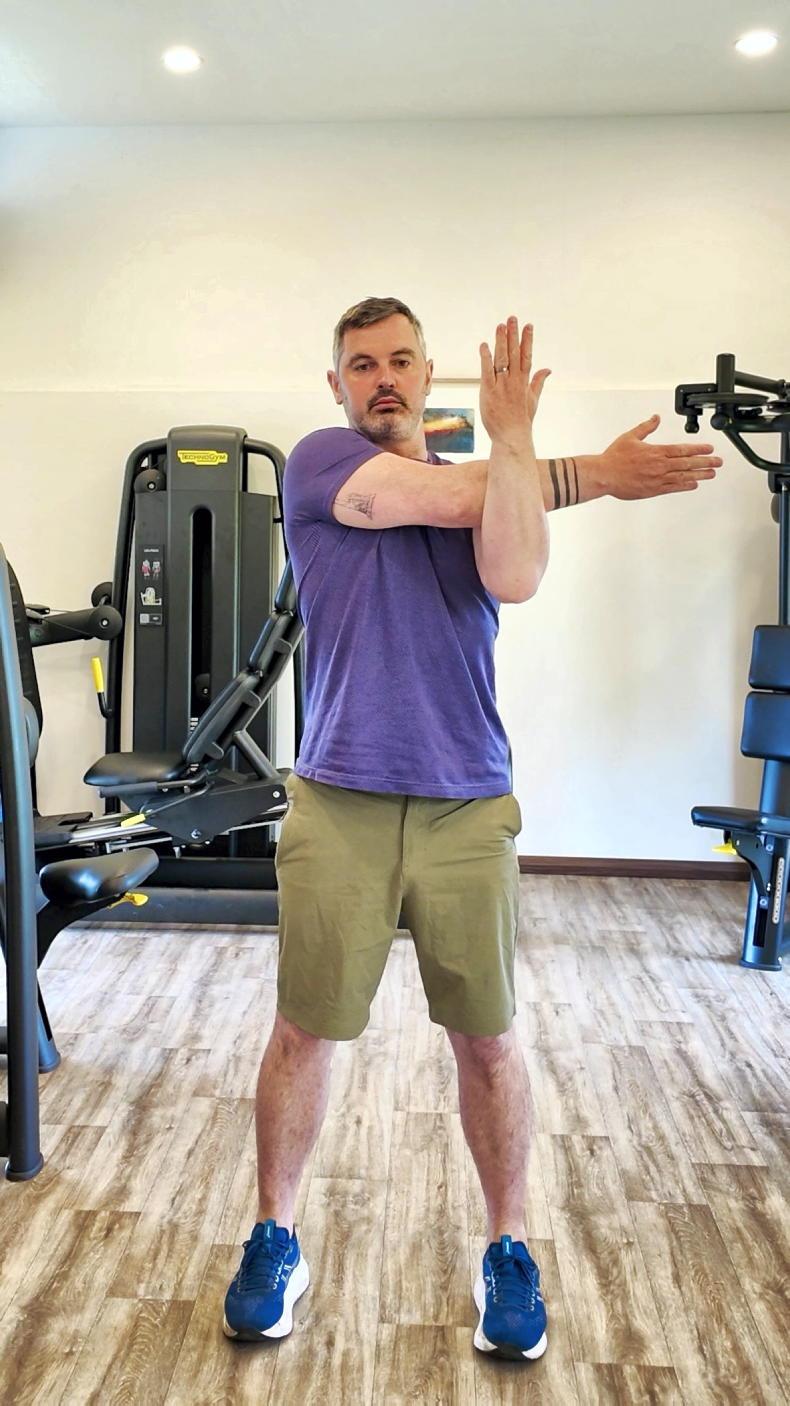
2: Arm across the body: start with your feet shoulder width apart, bring your arm across the body, and bring the other arm to your elbow and palm towards the face.
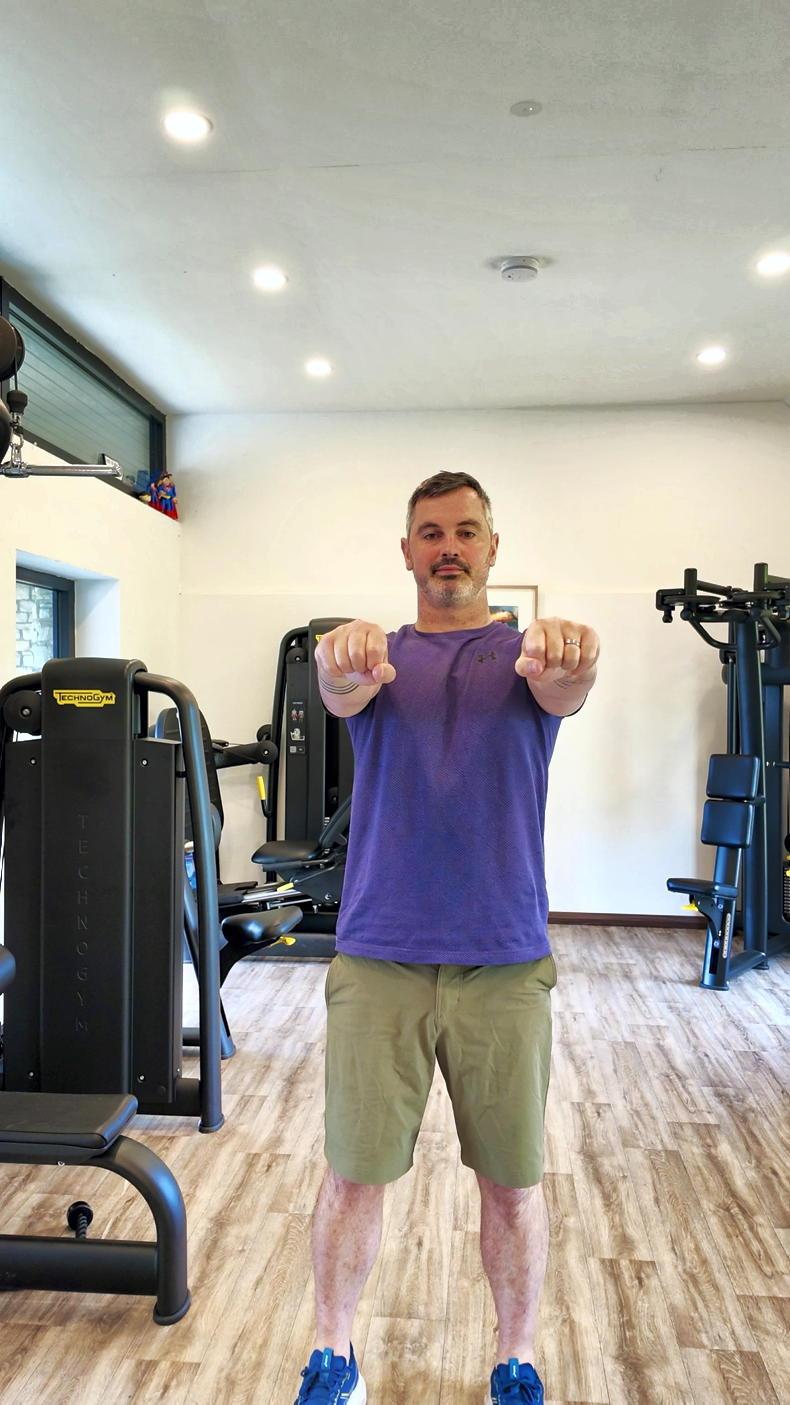
3: Wrist roll: Place your arms straight out in front. Simply roll the wrists around one direction and then change.
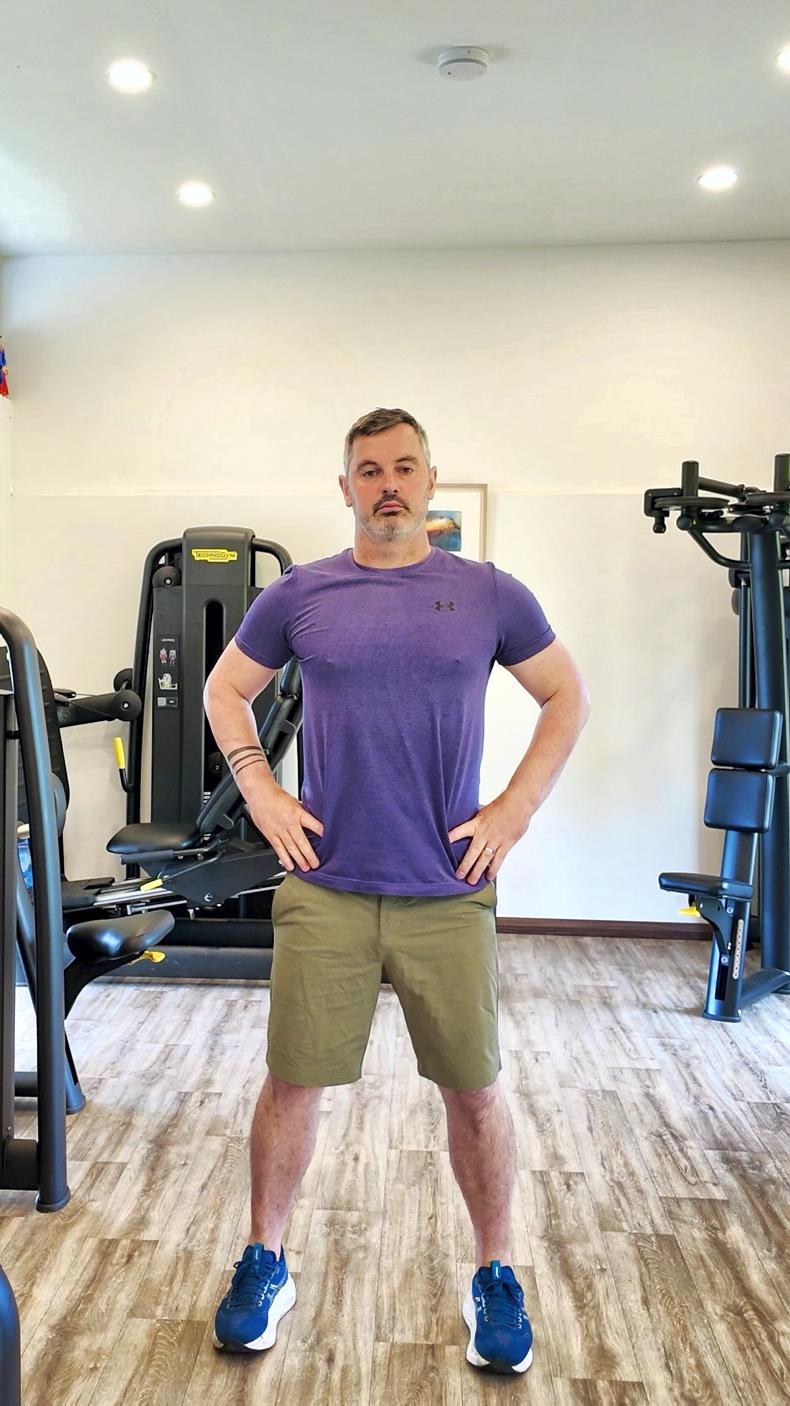
4: Hip rolls: Shoulder width apart on the feet, slowly roll the hips in one direction and then the other.
Try these stretches for 30 seconds and you can repeat as often as you want.
You can then progress to a local or online class, classes can be a great way to stay focused and get the work done by following the instructor.
Don’t forget, it doesn’t always have to be a class either. Do any stretching movement over the course of the day and you will notice a big difference in just a few weeks.
Next week: Tips and tools to help you sleep better.
Scan the QR code below: Karl demonstrates four important stretches to help make everyday activities feel easier.





SHARING OPTIONS