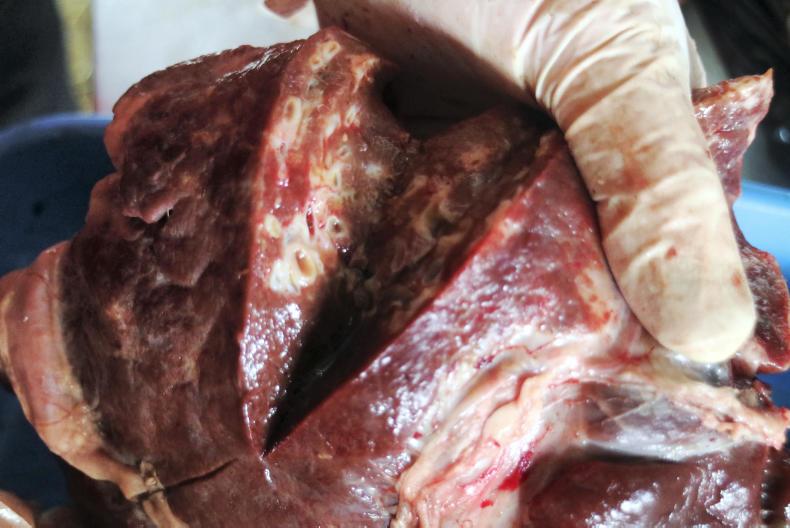
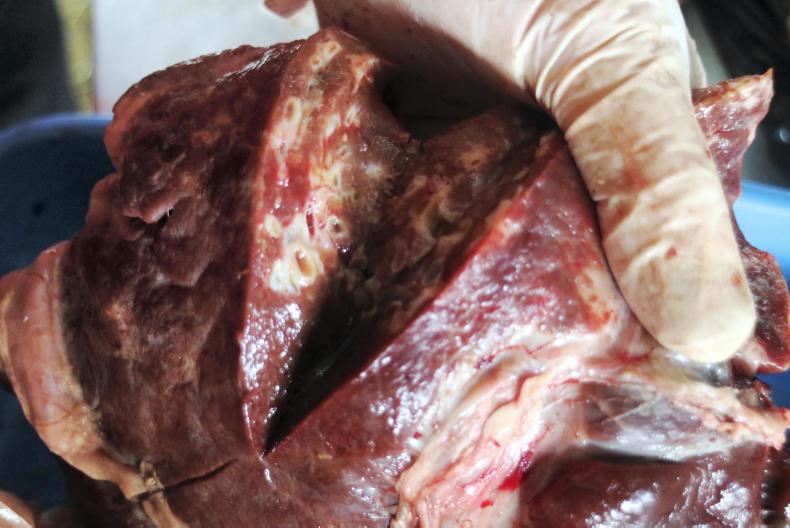
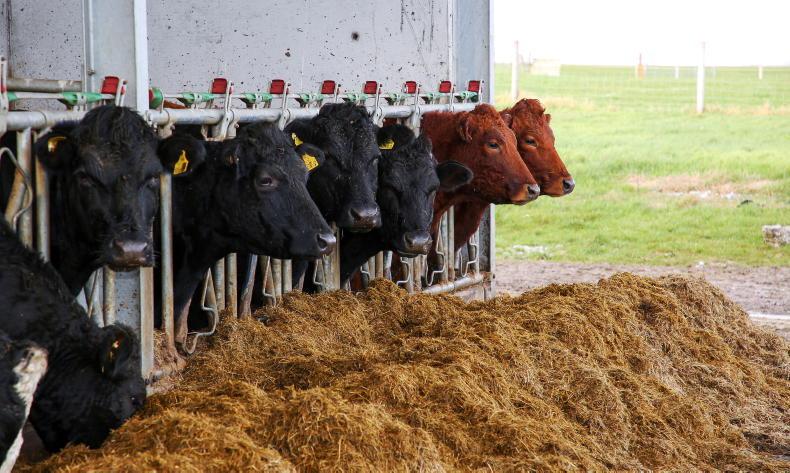
The risk of liver fluke infection in cattle and sheep this autumn and winter is high across all areas of Northern Ireland, scientists at the Agri Food and Biosciences Institute (AFBI) have said.
Both July and September recorded rainfall that was 60% above average, with 33% above average in August. Damp ground conditions have been ideal for snails, the intermediate host of fluke. Average temperatures of 13.2°C from July to September also suit snail breeding and the hatching of fluke eggs.
Farmers have been urged to review theirfluke control measures, either by moving stock off wet land or by strategic use of anthelmintics. With infection is still taking place in autumn, a product effective against immature and mature fluke is needed. For out-wintered sheep this should be used at least once in the autumn and again in January.
ADVERTISEMENT
Treatment of adult (chronic) infections in cattle and sheep during the winter or early spring will reduce pasture contamination. Resistance can be an issue on some farms, particularly with triclabendazole-based products.
Fluke control plans are farm specific and advice should be obtained from a veterinary surgeon. AFBI also provide a dung and blood sampling service for evidence of fluke infection.
This content is available to digital subscribers and loyalty code users only. Sign in to your account, use the code or subscribe to get unlimited access.
The reader loyalty code gives you full access to the site from when you enter it until the following Wednesday at 9pm. Find your unique code on the back page of Irish Country Living every week.
CODE ACCEPTED
You have full access to the site until next Wednesday at 9pm.
CODE NOT VALID
Please try again or contact support.
Both July and September recorded rainfall that was 60% above average, with 33% above average in August. Damp ground conditions have been ideal for snails, the intermediate host of fluke. Average temperatures of 13.2°C from July to September also suit snail breeding and the hatching of fluke eggs.
Farmers have been urged to review theirfluke control measures, either by moving stock off wet land or by strategic use of anthelmintics. With infection is still taking place in autumn, a product effective against immature and mature fluke is needed. For out-wintered sheep this should be used at least once in the autumn and again in January.
Treatment of adult (chronic) infections in cattle and sheep during the winter or early spring will reduce pasture contamination. Resistance can be an issue on some farms, particularly with triclabendazole-based products.
Fluke control plans are farm specific and advice should be obtained from a veterinary surgeon. AFBI also provide a dung and blood sampling service for evidence of fluke infection.
If you would like to speak to a member of our team, please call us on 01-4199525.
Link sent to your email address
We have sent an email to your address. Please click on the link in this email to reset your password. If you can't find it in your inbox, please check your spam folder. If you can't find the email, please call us on 01-4199525.
ENTER YOUR LOYALTY CODE:
The reader loyalty code gives you full access to the site from when you enter it until the following Wednesday at 9pm. Find your unique code on the back page of Irish Country Living every week.









SHARING OPTIONS