

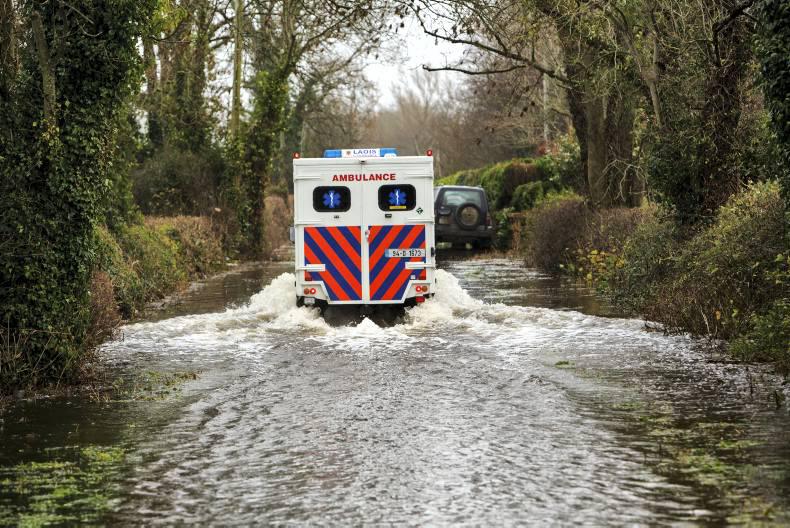
The decision to carry on or go around is a fateful choice that many road users will have over the next few days. Making that decision depends on the type of flood, and the vehicle you’re driving. Just six inches of water is enough to stall many modern cars.
How does a car stall in a flood?
The car will stop if the air intake is covered in water. It is located quite low on some cars, positioned under the main headlights. If the flood water is over this height, stay away, even in some 4x4s or SUVs. Specialist flood vehicles will have a snorkel air intake positioned high on the vehicle. In an engine, fuel, air and heat provide combustion and power. Adding water just does not work. Turbo diesel engines are most vulnerable in flood water.
If the car stalls in the flood should I restart the engine?
More than likely if the car stalls water has entered the engine. Trying to restart the engine could have disastrous consequences. What happens inside the engine is normally the cylinder fills with water. The engine cannot combust normally, and the force of the piston against the water can damage valves and break conrods, essentially ruining the engine. The cold water can also cause damage to other components by the rapid change in temperature.
Can water enter the exhaust?
Yes water can be sucked up the exhaust. Keep the engine revving by slipping the clutch. Otherwise water in the exhaust could stall the engine. Modern vehicles are fitted with catalytic converters in the exhaust system. The catalyst normally works at high temperatures and may crack if it is submerged in water. Replacement catalysts are expensive.
Useful tips for drivers in flooded areas:
The decision to carry on or go around is a fateful choice that many road users will have over the next few days. Making that decision depends on the type of flood, and the vehicle you’re driving. Just six inches of water is enough to stall many modern cars.
How does a car stall in a flood?
The car will stop if the air intake is covered in water. It is located quite low on some cars, positioned under the main headlights. If the flood water is over this height, stay away, even in some 4x4s or SUVs. Specialist flood vehicles will have a snorkel air intake positioned high on the vehicle. In an engine, fuel, air and heat provide combustion and power. Adding water just does not work. Turbo diesel engines are most vulnerable in flood water.
If the car stalls in the flood should I restart the engine?
More than likely if the car stalls water has entered the engine. Trying to restart the engine could have disastrous consequences. What happens inside the engine is normally the cylinder fills with water. The engine cannot combust normally, and the force of the piston against the water can damage valves and break conrods, essentially ruining the engine. The cold water can also cause damage to other components by the rapid change in temperature.
Can water enter the exhaust?
Yes water can be sucked up the exhaust. Keep the engine revving by slipping the clutch. Otherwise water in the exhaust could stall the engine. Modern vehicles are fitted with catalytic converters in the exhaust system. The catalyst normally works at high temperatures and may crack if it is submerged in water. Replacement catalysts are expensive.
Useful tips for drivers in flooded areas:
If you have to drive in a flooded area take care. Do not attempt to drive through water if you are unsure of the depth.Be aware of the air intake point on the engine.Don’t drive through fast-moving water, such as at a flooded bridge your car could be swept away.Drive slowly and steadily to avoid creating a bow wave, and allow oncoming traffic to pass first.Keep the engine revving to prevent water entering the exhaust.If your car stalls, climb out if possible without being in danger, flash lights and attract attention for help.Test your brakes as soon as you can after driving through water.If unsure about your vehicle after travelling through a flood, stop and contact main dealer for advice.
SHARING OPTIONS