


Cleaner and more efficient petrol engines are making a comeback, especially in smaller cars. The diesel engine option needs high mileage use to generate the value savings and that type of driving often demands a bigger car. Couple that with the cheaper longer-term ownership cost of some petrol cars and their renaissance in the smaller car league is predictable.
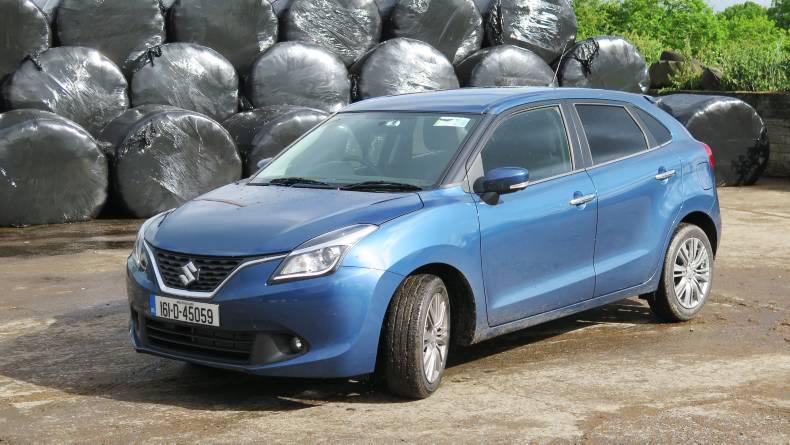
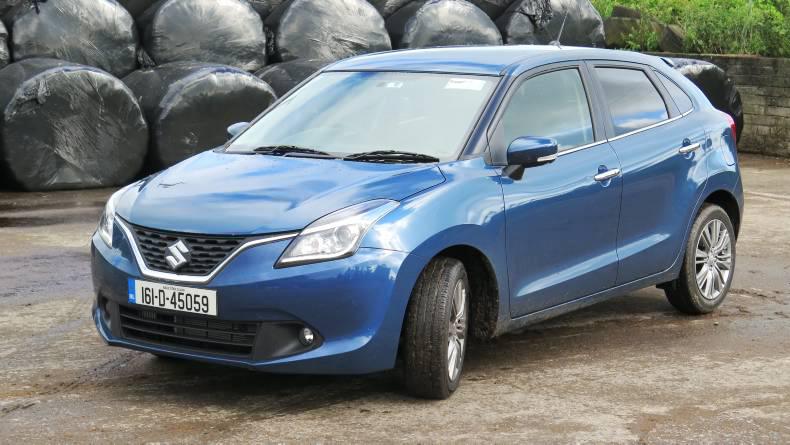
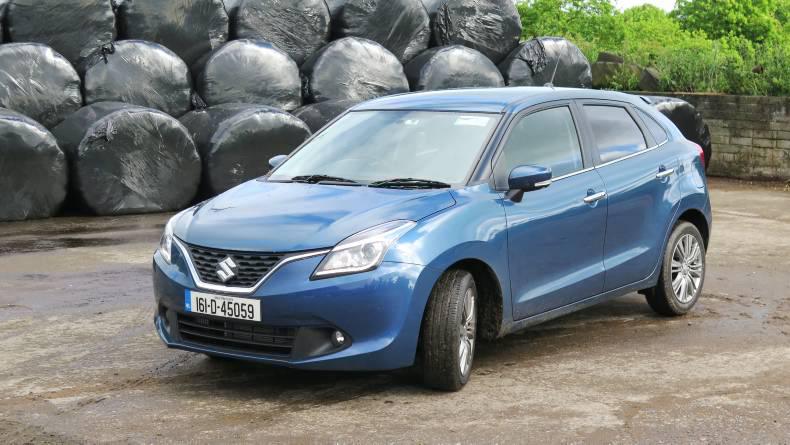
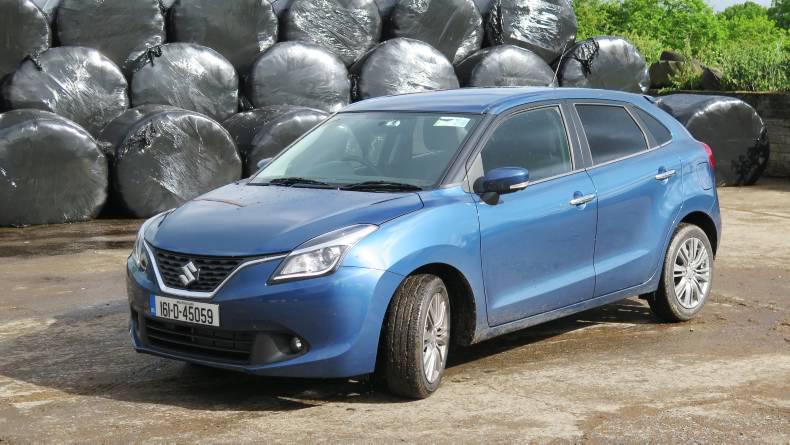
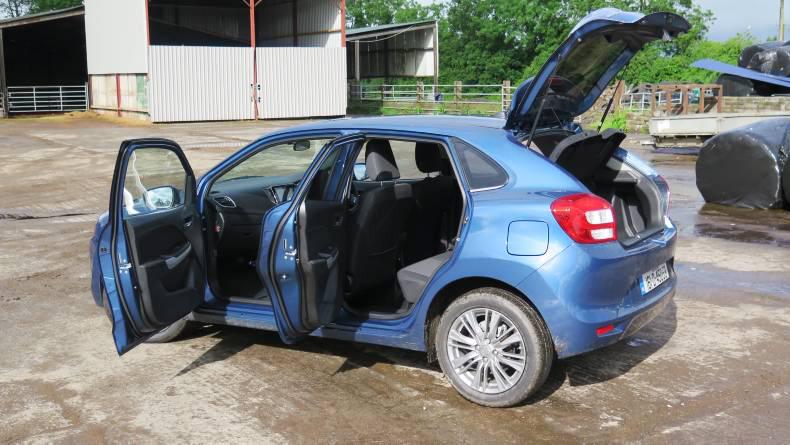
One of the new petrol-powered supermini car options is the recently introduced Suzuki Baleno, which has just been launched on the Irish market. This is a car that competes with the likes of the Ford Fiesta, Toyota Yaris and Volkswagen Polo in terms of its offering as a compact and low ownership cost petrol car – that’s possibly slightly bigger than just a compact.
After a gap of a few years, Suzuki reintroduced the Baleno model, which is significantly different from the car of the same name in the past. This new model is more hatchback in looks and function, as well as being lighter and significantly more economical.
Suzuki has a reputation for being one of the leading producers of small cars in the world, even if we don’t see the brand too often on Irish roads. The small car market outside of Europe is predominantly a petrol one, and that’s where this new Suzuki aims to score.
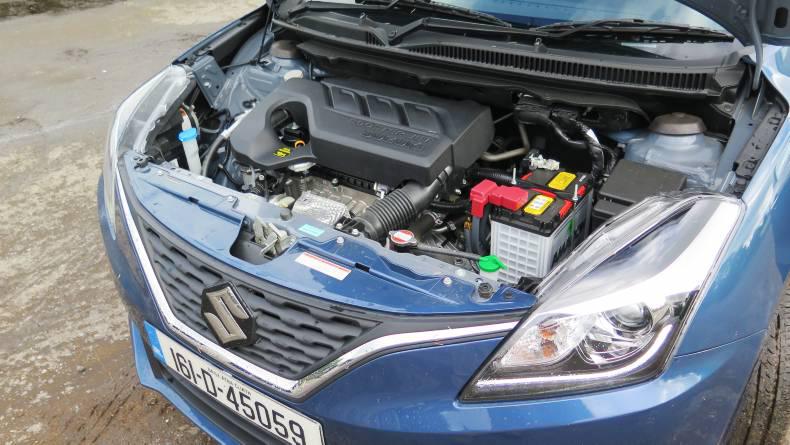
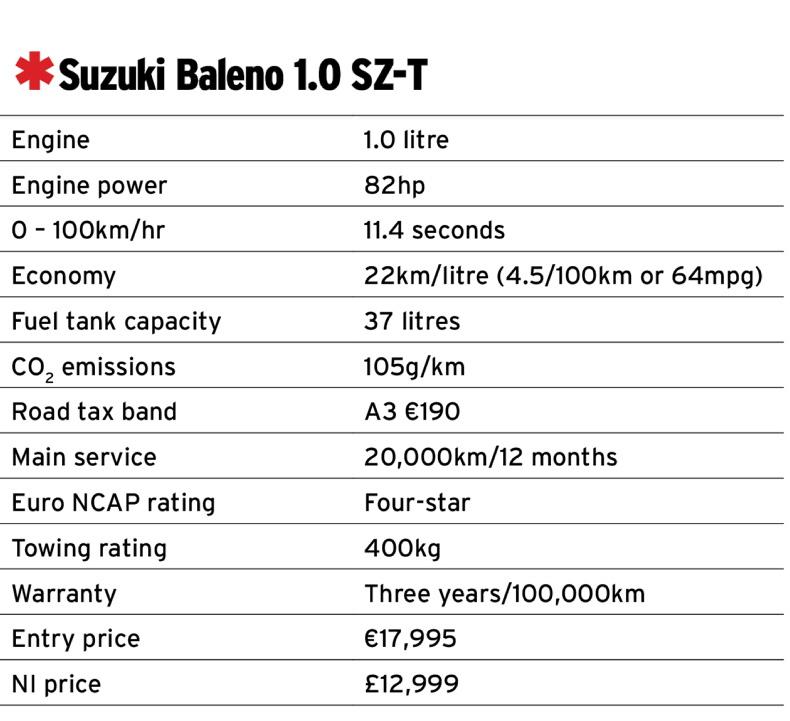
It is powered by a brand new three-cylinder 1.0-litre petrol engine that gets the boost of a turbo-charger to give it 82bhp output. The engine is lively and a strong competitor in performance terms to the other petrol options, with more power and faster acceleration.
At low revs and at higher engine speeds, the slightly raucous three-cylinder will be noticeable. In the main driving speeds, you will hardly know the difference and you will be impressed with its abilities and reasonable torque as you accelerate to overtake.
Suzuki has been claiming that the economy figures from this new engine are a challenge to diesel economy and the company is not far off the mark. The official economy figure for the Baleno is 22km/litre (4.5/100km or 64mpg), which is in diesel economy territory.
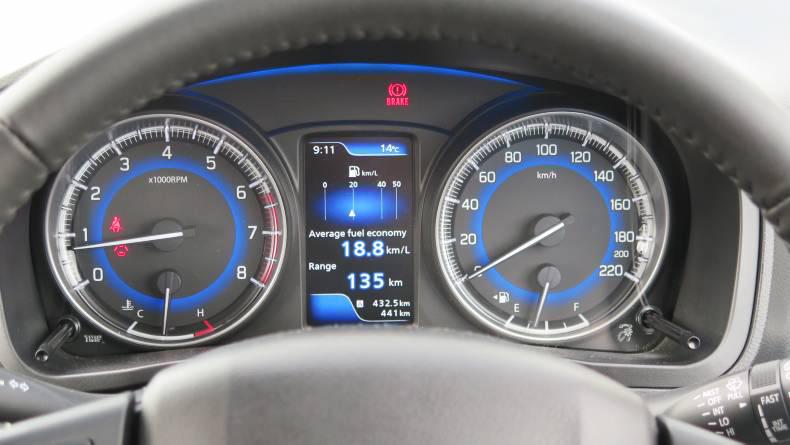
I didn’t achieve that, but compared with other official economy figures I was just about 15% off that mark and that impressed me. The tank is relatively small at 37 litres, and it needs to be in order to eliminate too many roadside stops. I reckon that with my driving style, I would get close to 650km on a full tank.
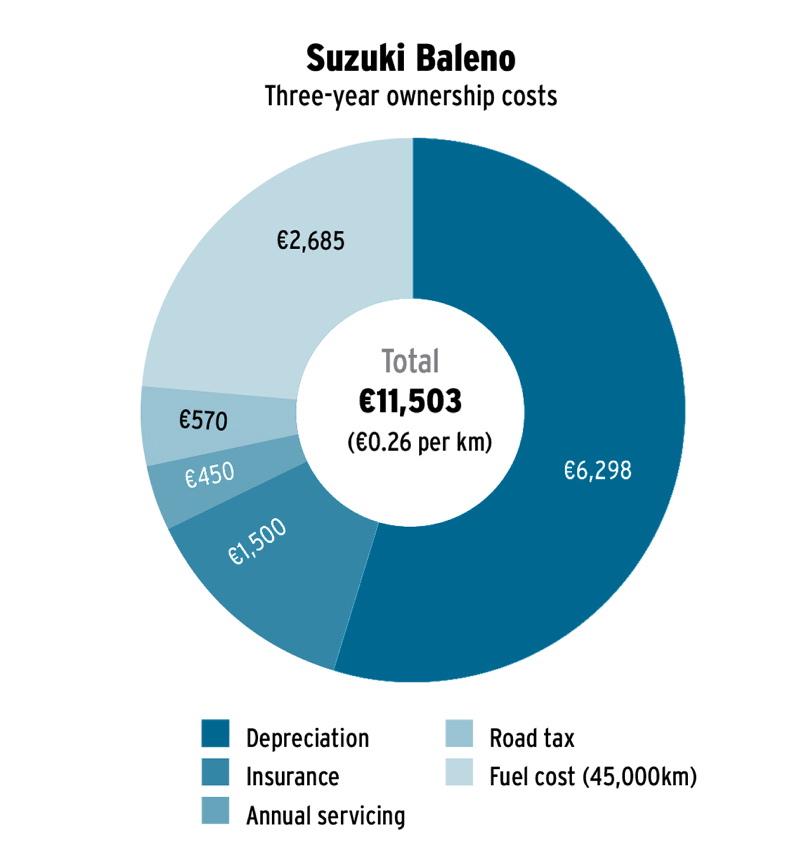
When I factored in the overall ownership costs and assumed a 35% depreciation figure over three years, the compact Suzuki hatchback should deliver a cost-effective ownership cost of close to €0.25/km. That is also lower than many small and mid-range diesel running cost figures and that part of the Baleno deal impressed me.
With the boring cost stuff out of the way, is the Baleno a good car to drive? The engine is lively and compared with the Fiesta, Polo and Yaris with similar three-cylinder petrol engines, the Baleno beats all in terms of pace. The engine is so lively that I thought for motorway cruising a six-gear option might be worthwhile, as the revs soared too close for my comfort towards the 3,000rpm mark.
In other senses, the Baleno drives well, even on smaller roads. For typical smaller rural roads, I found that the suspension vertical movement was noticeable. That’s not in the way of vibration, just across the vertical as the car coped with Meath pothole-infested smaller roads. Once on a better road, there was no noticeable vehicle vibration which impressed me.
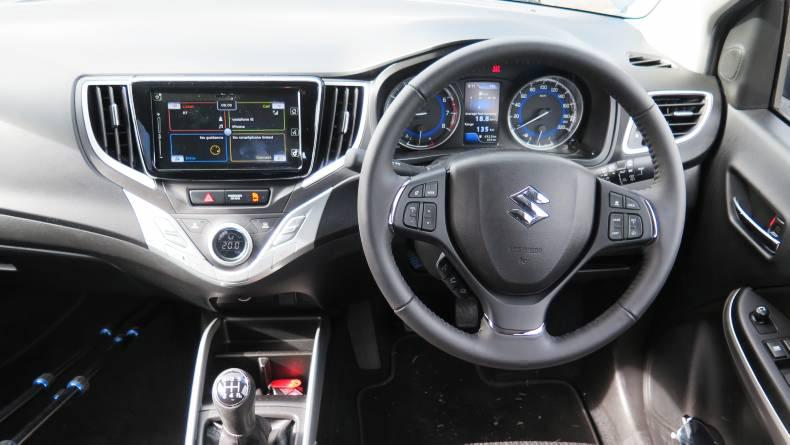
The overall controls are now very modern, with a tablet-like flat touchscreen system for many of the cars’ information function.
The overall package of features is impressive with sat-nav included and easy-to-set-up Bluetooth, as well as Apple CarPlay connection using my mobile phone.
That screen then doubles up as the monitor for the reversing camera, which stayed clean throughout the week. On the dash between the speed and the rev counter dials, there is a useful digital display for fuel economy, average speed, etc, which was easy to reset. That was one feature that I especially liked and with the economy readings set in km/litre, the actual economy figure made sense.
The car has a host of safety features including a new radar-operated automatic braking system. This sends a noise signal if you are driving too close to another car or likely to have an impact. It can also fully stop the car; needless to say, I didn’t give that part a full test.
The Baleno came through the more recent Euro NCAP crash test with a four-star rating, which I was surprised about. There are Iso-Fix units in the rear for child seats and front, side and curtain airbags.
Space
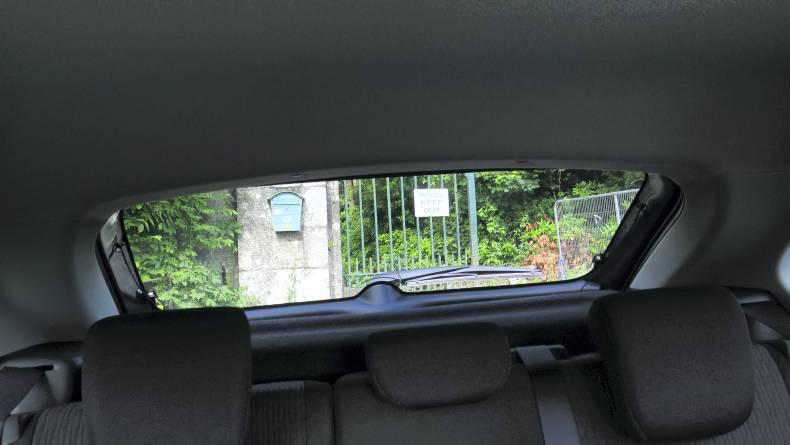
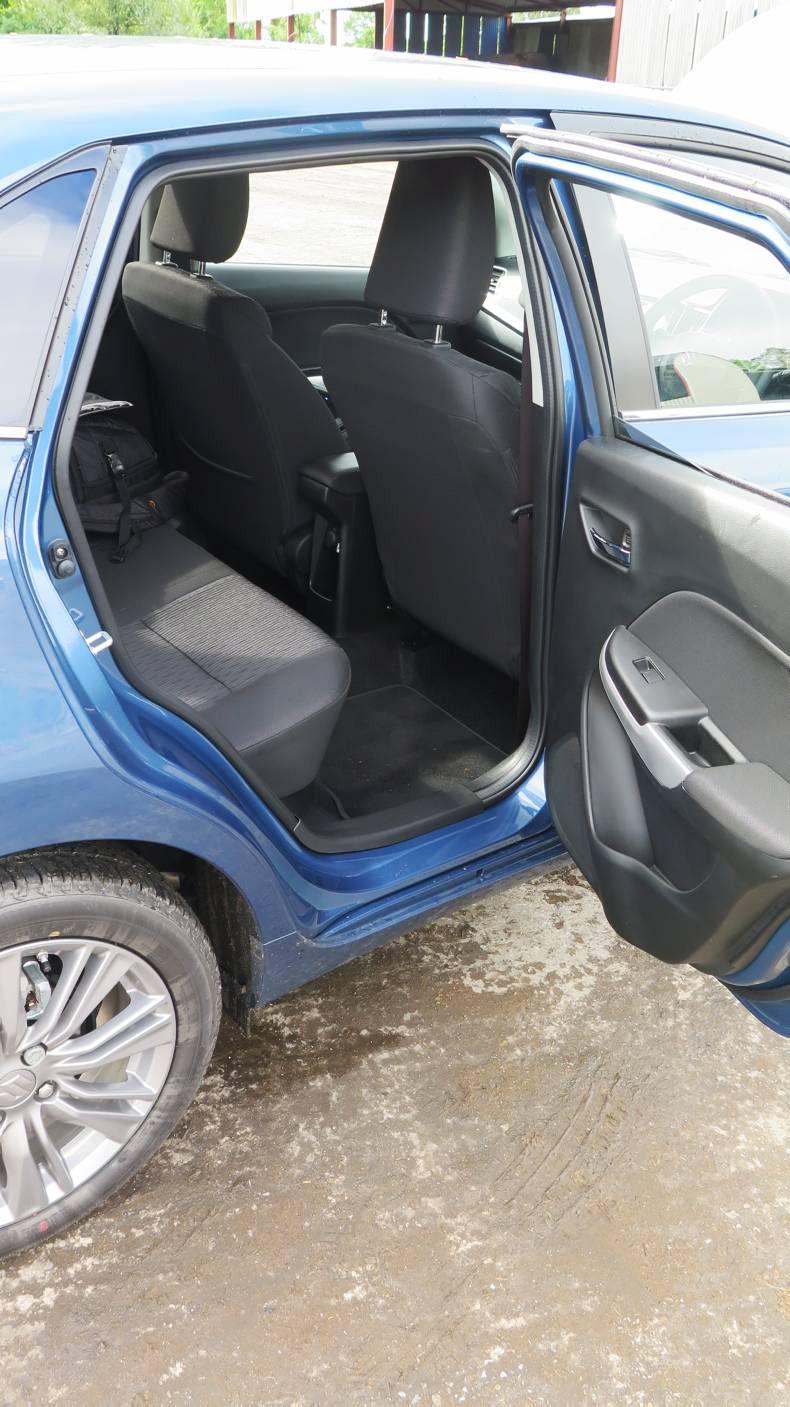
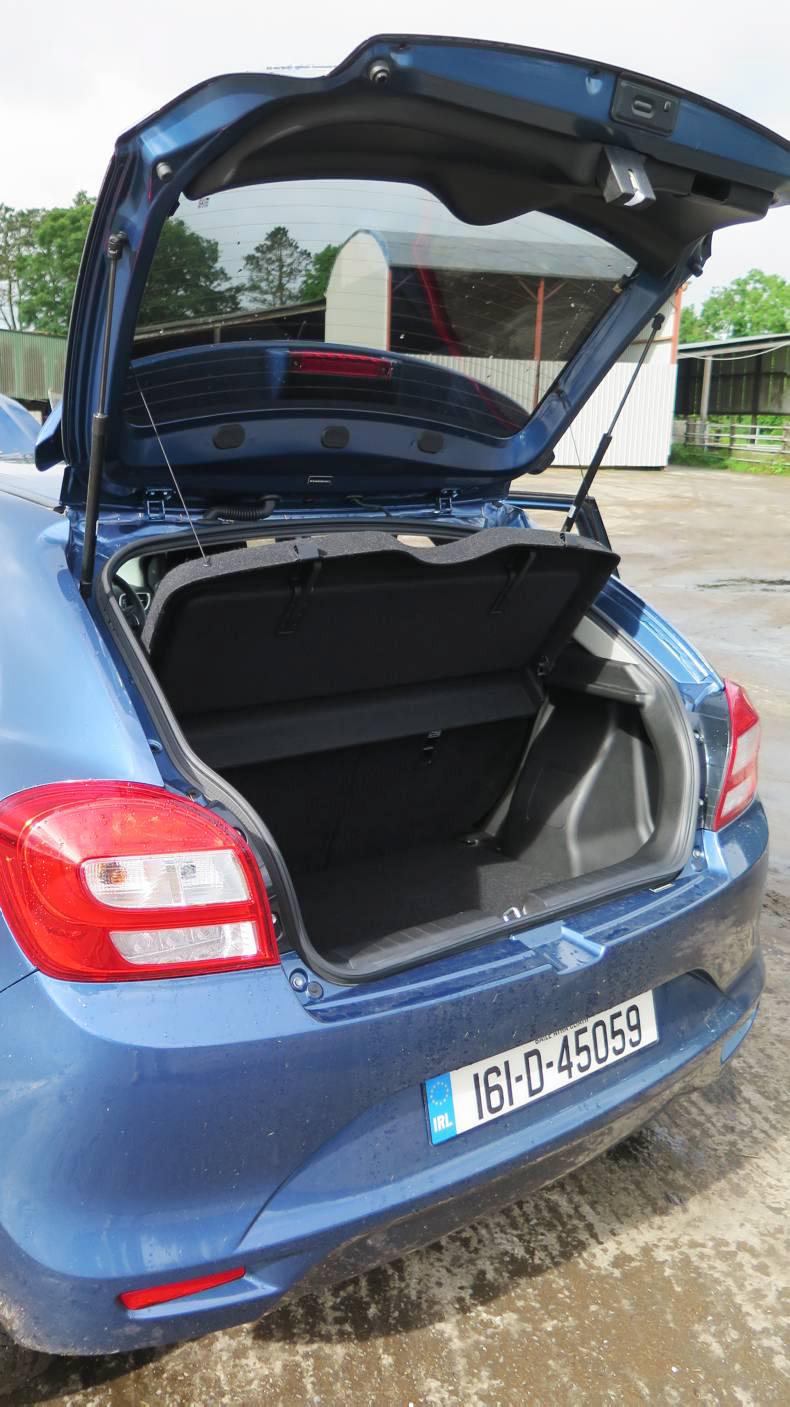
The overall interior space is deceivingly larger than you expect. There was impressive rear legroom as I took a normal driving position. I felt that the boot was a little compact, but when you look at the above-named popular competition, the Baleno is larger. There is a boot splitting shelf included but, unfortunately, not a spare wheel.
The front seats are a shade short and appear lighter than some of the competition. The car is noticeably light and lighter than all of the three-cylinder competitors. Suzuki claims that this is due to the use of more modern, lighter and stronger metals. The doors just don’t give that strong feeling, so I found that I had to make a little more effort to ensure that they closed.
Suzuki has pitched the entry price at €17,995 (£12,999 in Northern Ireland) to give instant appeal. But this is not the cheapest three-cylinder petrol car on the market, even if it is one of the best equipped and liveliest. The Suzuki Baleno entry price is more expensive compared with entry models from the Fiesta, Polo and Yaris, while it has a lot more to offer. Ownership costs should be low, the car has good looks and appeal, the decision is to take a leap from the mainstream with a car like the Baleno and so much of that leap will be supported by having a good local Suzuki dealer.


SHARING OPTIONS