



The Irish Creamery Milk Suppliers Association (ICMSA) has fired the opening shots in farming organisations’ battle to maximise farm payments for their members in the next CAP and drystock farmers on marginal land look to be in the firing line.
ICMSA president Denis Drennan has proposed a 1LU/ha minimum stocking rate requirement for the post-2027 CAP’s definition of an active farmer eligible to receive payments.
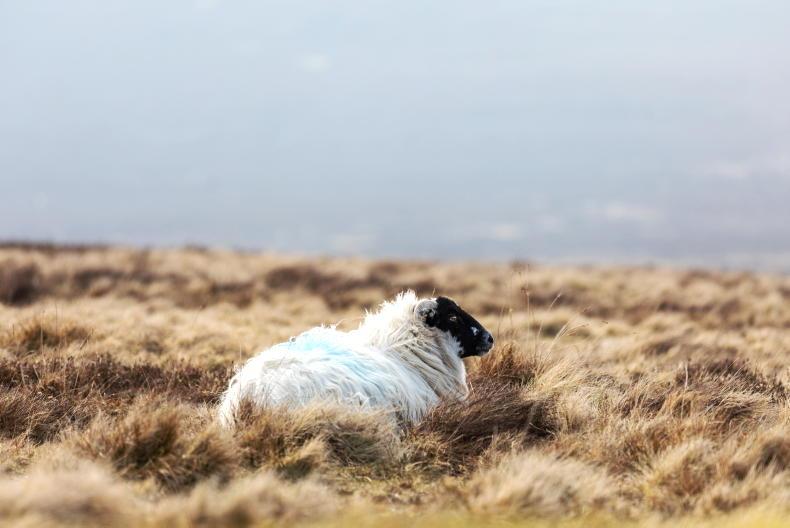
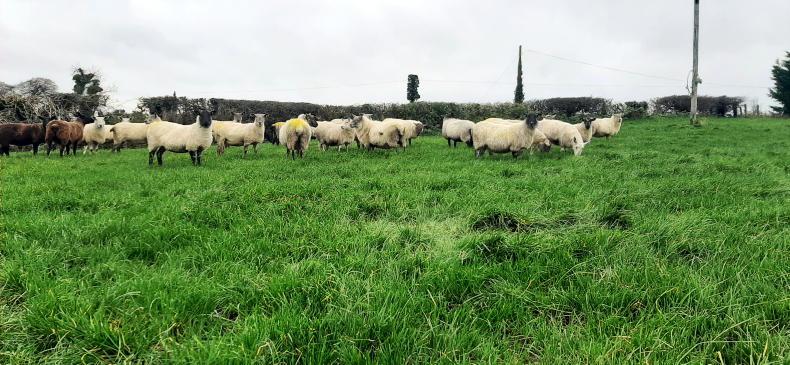
The current CAP sets out a 0.1LU/ha stocking rate level as a means of meeting the active farmer check, which is equivalent to one ewe per hectare. The ICMSA’s proposal would up this to four ewes per acre.
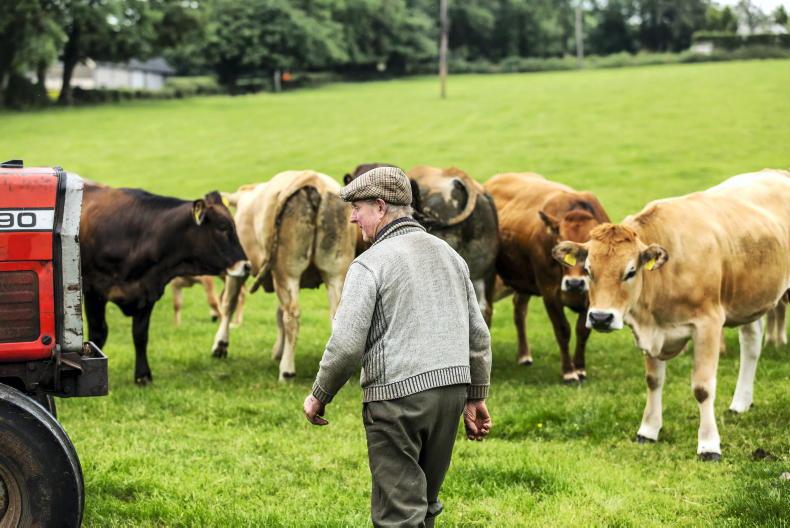
Drennan claimed that a 1LU/ha requirement would leave “a higher payment per hectare for farmers producing food and should also meaning a freeing-up of land so critical to generational renewal” and criticised 0.1LU/ha as “ridiculously low”.
“Since 2005, there has been a debate over the definition of an active farmer and successive Governments have baulked at the idea of implementing a definition.
“The result is that farmers producing food continue to suffer losses to payments and people ‘farming schemes’ are effectively prioritised over people farming to produce food and delivering net foreign earnings for the Irish economy.”
The ICMSA’s tenfold increase in the minimum stocking rate requirement for farm schemes prompted a rebuke from the Irish Natura and Hill Farmers’ Association (INHFA) president Phelim Molloy.
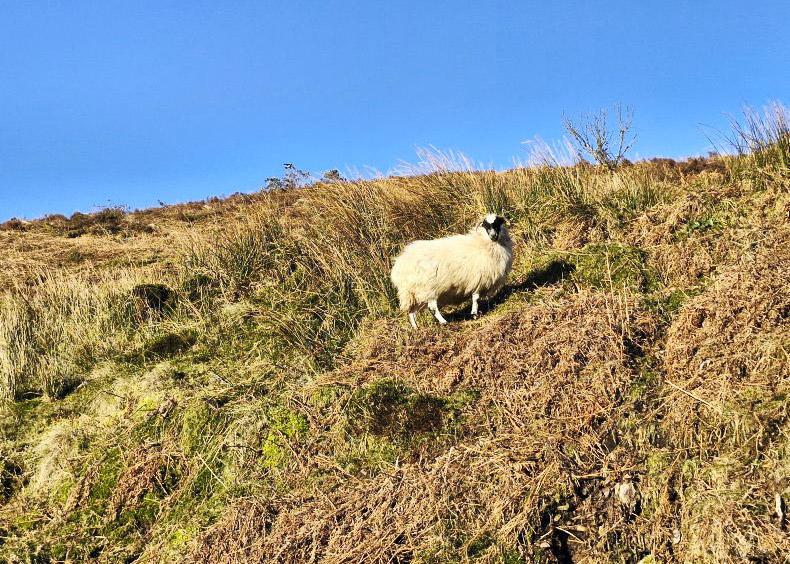
Molloy stated that expecting 1LU/ha from marginal lands was “way out of kilter with the reality on the ground” and could only be met on prime agricultural farmland.
“Where it is at 0.1LU/ha, one ewe per hectare is where it needs to stay. This is a level that recognises that sheep farming contributes to employment, that hill farming contributes to economic, environmental and social sustainability in the areas it takes place in.”



SHARING OPTIONS