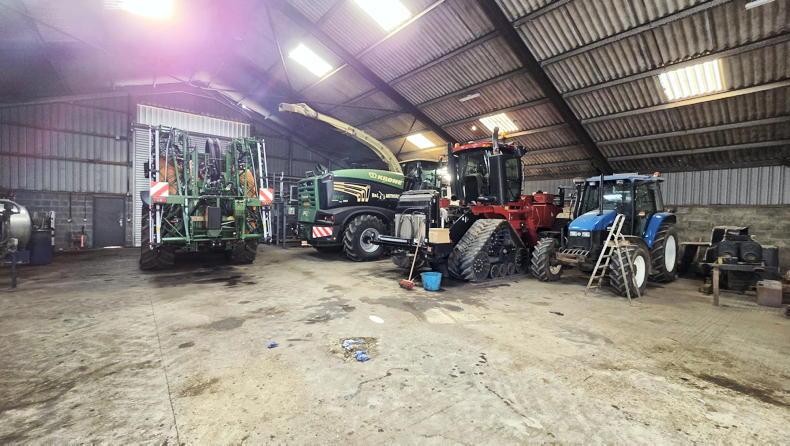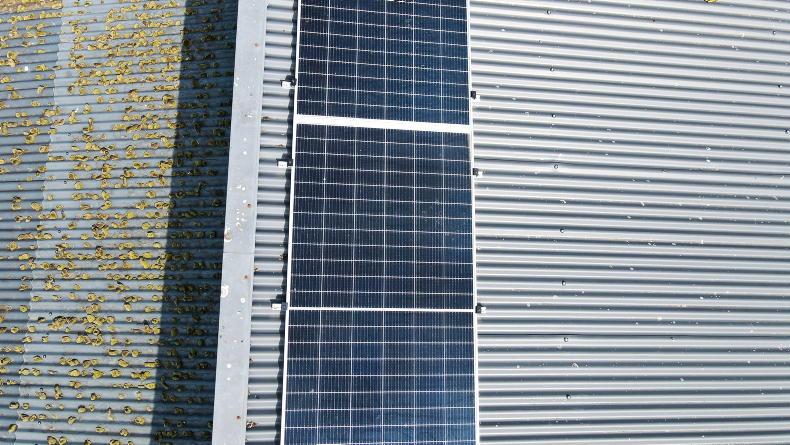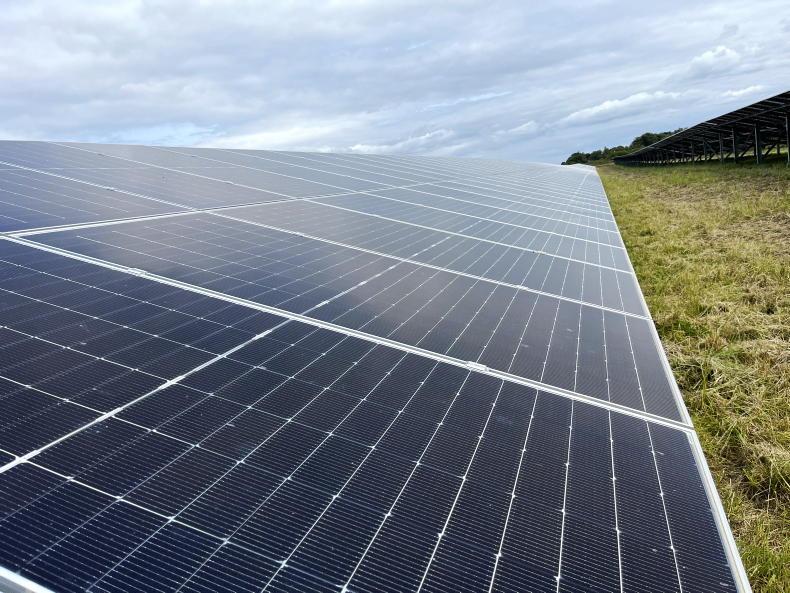
Founded in 1994, Denis Doyle Limited makes equipment for two quite different worlds: farming and solar energy. Its range runs from the Vario Seeder to the Rambo 100, 300 and 500 pile drivers, covering everything from sowing seed to driving steel piles for solar-panel supports.
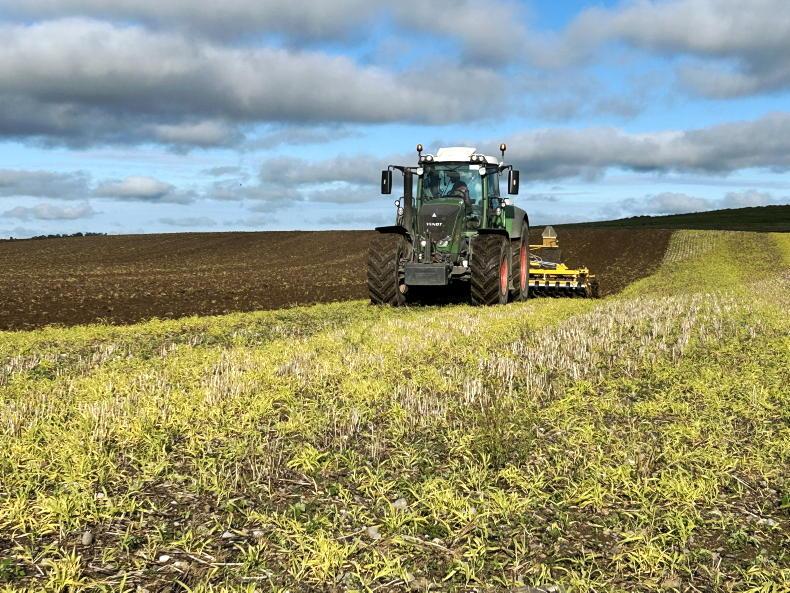
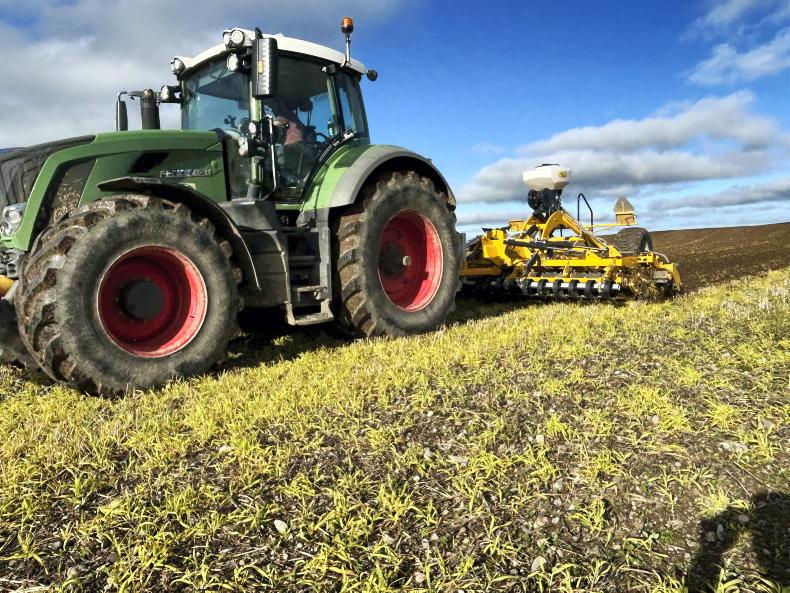
There’s plenty to talk about across that lineup, but it was the farming side that brought us out for a look – and the Tornado disc cultivator in particular. Seeing it on a local tillage farm gave us a chance to leave the specifications to one side for a while and watch how it worked.
After all, the finish in the field is what matters.
Before getting to the Tornado, the Vario Seeder is worth a mention. It has a few jobs in its locker, with applications ranging from fine seeds to grass seed. Denis says it can sow mustard and turnip at rates as low as 1kg per hectare, or apply grass seed at 80kg per hectare. Those figures give an idea of the different jobs it can handle.
Slug-pellet and microgranular fertiliser application are also options, so its usefulness doesn’t end with sowing. It’s another example of the variety in the company’s agricultural range, rather than a machine tied to just one crop or task.
Over on the solar side, the Rambo models use different carrier machines to get the piles into the ground. The manufacturer describes the Rambo 100 as an entry-level attachment for excavators weighing at least five tonnes. A screen in the cab shows pile alignment on the X and Y axes, giving the operator a view of the setting from the seat.
The Rambo 300 takes a different approach, mounting on a tracked skid-steer loader. It also offers adjustment on both axes when installing piles for ground-mounted solar panels. The job is much the same, but the mounting arrangements set the two models apart.
Self-propelled
For medium to large solar contractors, there’s the self-propelled Rambo 500. Unlike the attachment models, this is a machine in its own right.
Denis Doyle Limited says it was built specifically for solar work, rather than adapted from a highway safety-barrier pile driver. Automatic post alignment and remote control come as standard, while GPS guidance is an option.
Denis says the system allows fully automated operation. It’s a different side of the business from the cultivation equipment we came to see but gives a flavour of how far the company’s machinery range stretches beyond the farm gate.
For all his engineering work, Denis is still a tillage farmer at heart and uses a variety of machines on his own Kildare farm.
That farming connection is an interesting part of the story: he’s not just making equipment but continuing to work with machinery himself.
Lately, he has been developing the Tornado disc cultivator alongside a combined disc-and-leg machine.
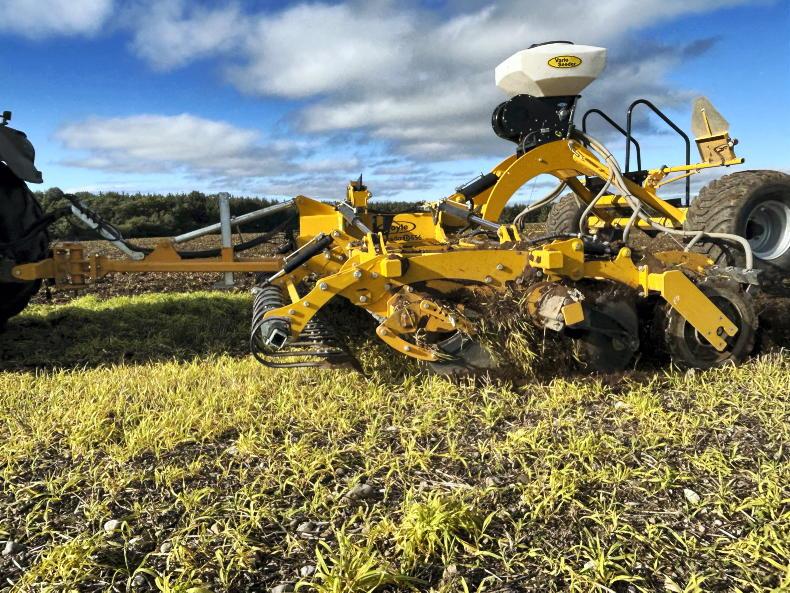
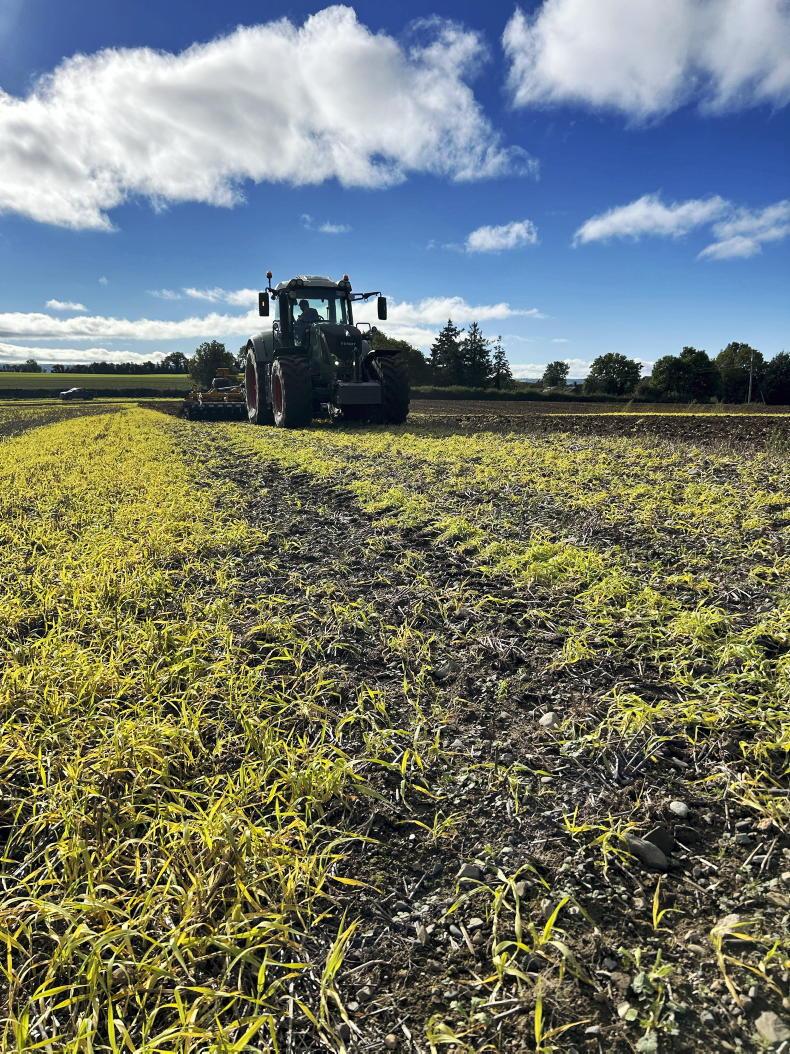
The latter is still at an early stage and hasn’t been named yet. It was the Tornado we got to see in action, with our attention on cultivation, the flow of material through the machine and the seedbed left behind.
There are three Tornado models, covering working widths from four to five metres. The 4-metre D456 weighs 4,700kg with paddles and needs at least 140hp. The D556 steps up to 4.5 metres, weighs 5,300kg with paddles and calls for 170hp or more. At the top of the range, the five-metre D656 weighs 5,900kg with paddles and needs at least 200hp.
As the working width increases, so do the weight and power requirements. Some figures stay the same, though: all three work at depths of 35–120mm, measure 6.1 metres long and use 560mm diameter discs.
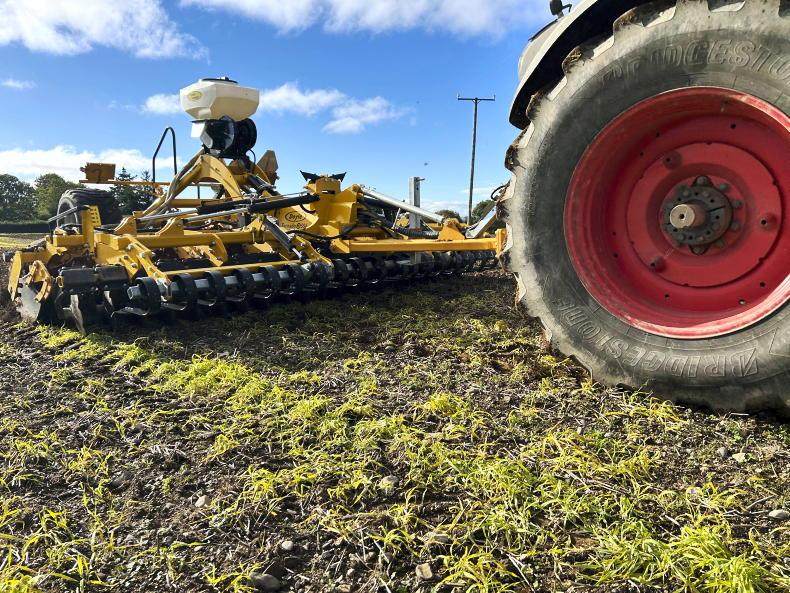
Looking at the working parts, the Tornado comes with cast-steel disc arms, heavy-duty 560 × 5mm discs, SKF hubs with triple seals and four 40mm rubber isolators.
Hydraulic depth control lets you adjust the working depth on the move, with an indicator showing the setting. Hydraulic wing latches take care of locking for transport, removing the need for a manual lock.
At the back are a Hardox DD roller, Hardox quick-release scraper arms and 50mm steel housing flange bearings for high-impact loading.
Semi-mounted
The semi-mounted layout helps with tighter headland turns, while levelling boards are available as an option. Still, adjustment, transport and the rear roller were all worth a closer look.
The Tornado’s 560mm discs made a good impression on our autumn visit.
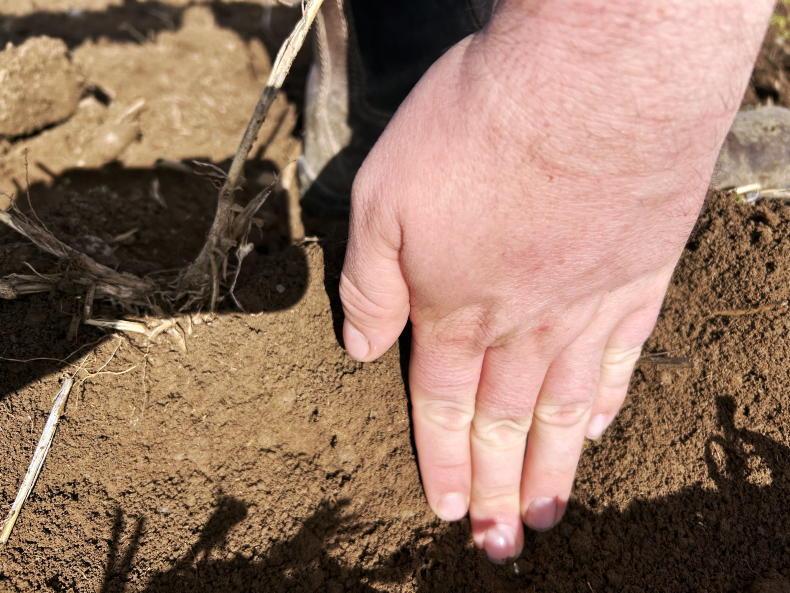
Conditions were about right: the soil was moist enough to work well, but dry enough to keep the discs and roller clear. With plenty of tractor power to spare, we went deeper than we normally would, and material still moved freely through the machine.
That was encouraging to see, although the favourable conditions are worth keeping in mind. The rear roller caught our eye too.
Scalloped Hardox rings are welded between the conventional “dinner plates” to improve consolidation and greatly reduce the risk of weld failure at the plate joints.
Other farmers using the Tornado this autumn liked how easy it was to set up in the field and its compact transport width.
They all reported a good cut at the depth they wanted and a seedbed that suited the job, whether that was encouraging weeds to germinate or getting a crop established.
For us, the Tornado’s strongest selling point was the job it left behind.
Our visit came in favourable conditions, but the free flow of material and the finished seedbed made a good impression, backed by encouraging feedback from other farmers. Easy setup and straightforward transport matter too – nobody wants those jobs getting in the way when there’s ground to cover.
With Denis still farming himself, there’s a practical connection between the workshop and the field. The Tornado gave us plenty to like, and a reminder that an Irish-built machine is well worth a look when it’s time to choose a cultivator.