


This week, the Irish Farmers Journal revisits a British-designed roundhouse erected by father and son James and Jimmy Cosgrove in Enfield, Co Meath.
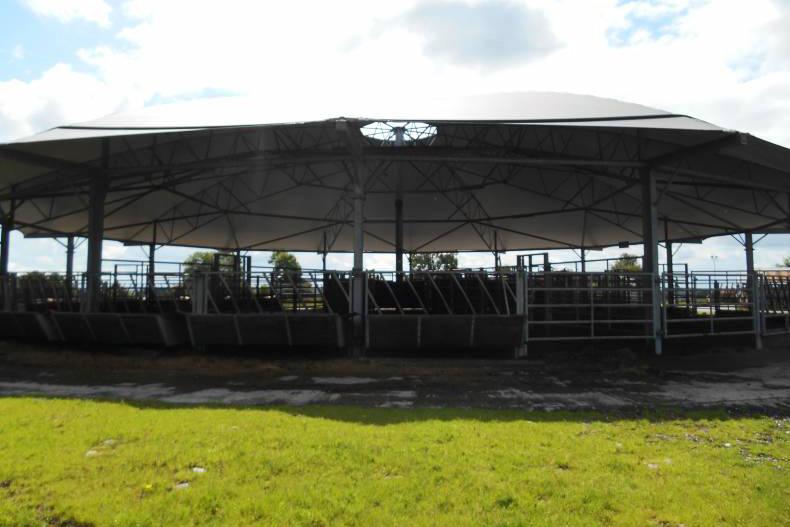
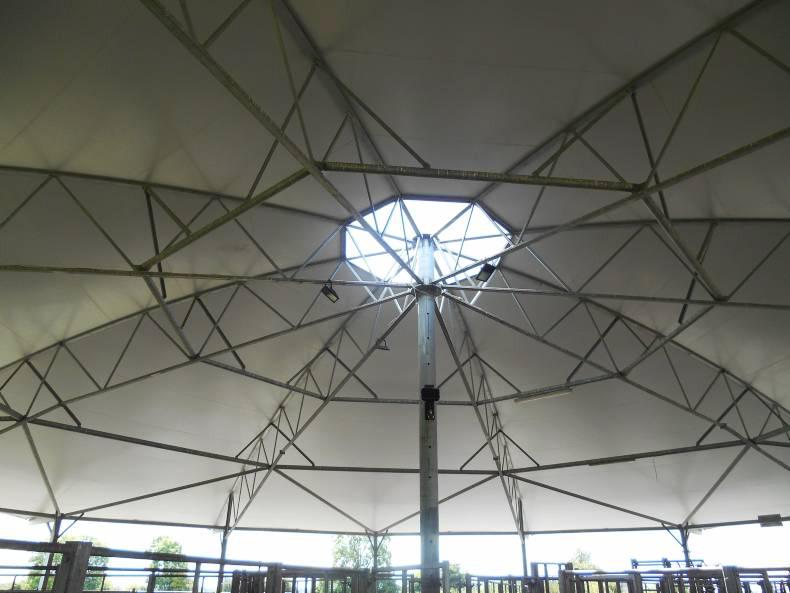
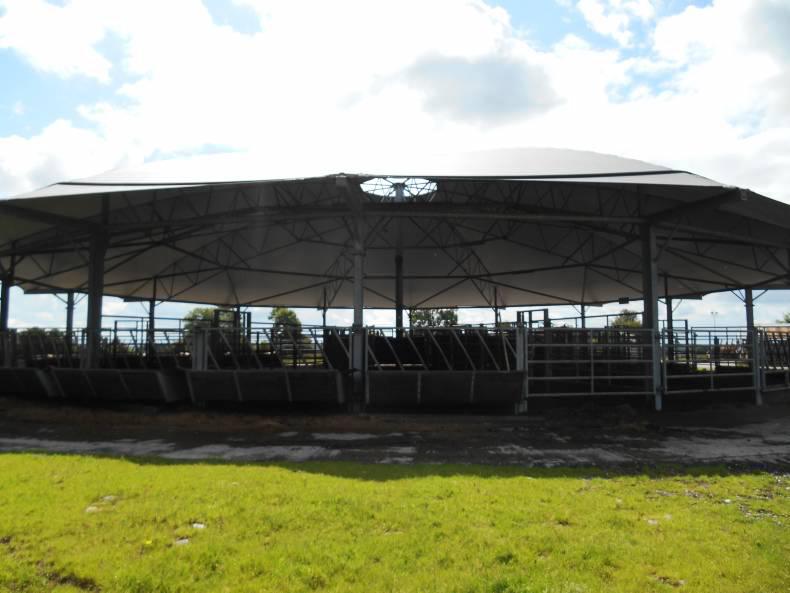
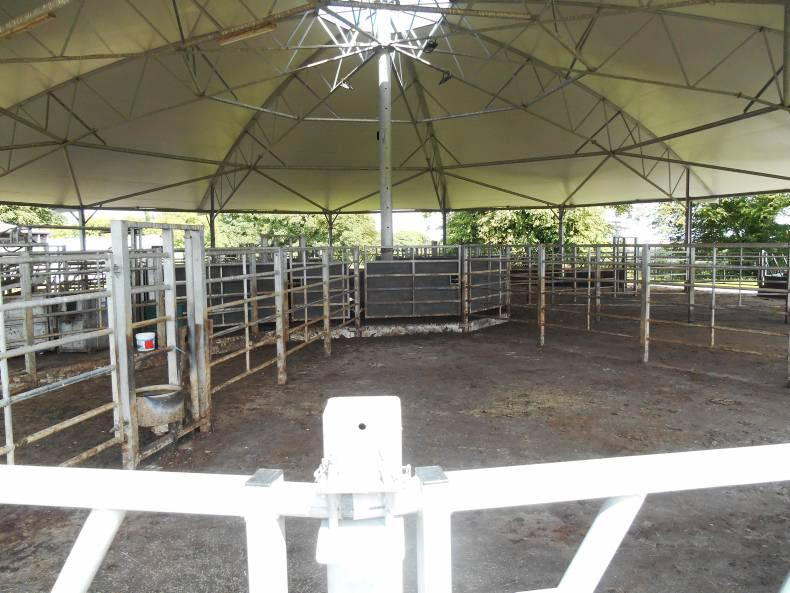
A roundhouse is an uncommon building design for a cattle shed. Circular in shape, it contains a central handling area and the roof is made from a single sheet of high-tensile PVC-coated polyester fabric.
The Cosgrove shed was featured in the Irish Farmers Journal back in 2008 during its construction. We decided to revisit the shed to see how it has performed.
Since then, it has been used to house suckler cows and calves, sheep and cattle.
The shed design allows one man to handle all livestock with ease and, most importantly, safely.
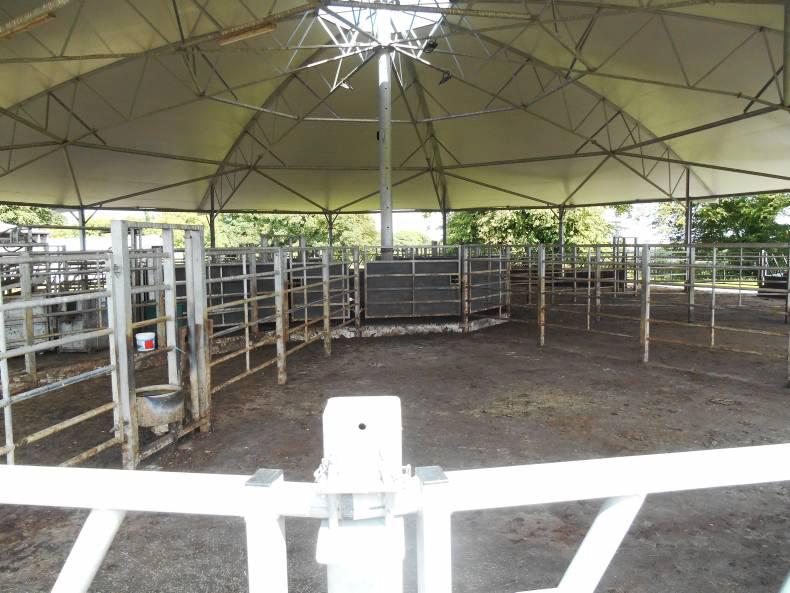
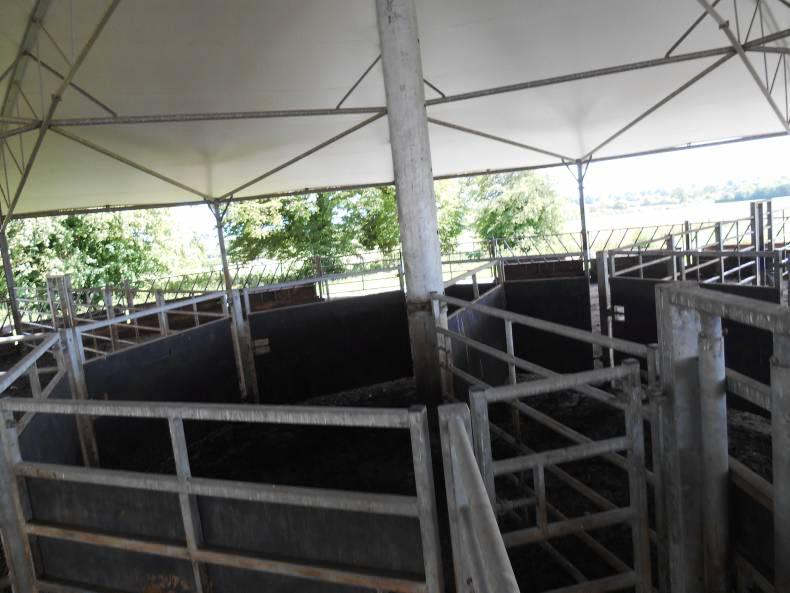
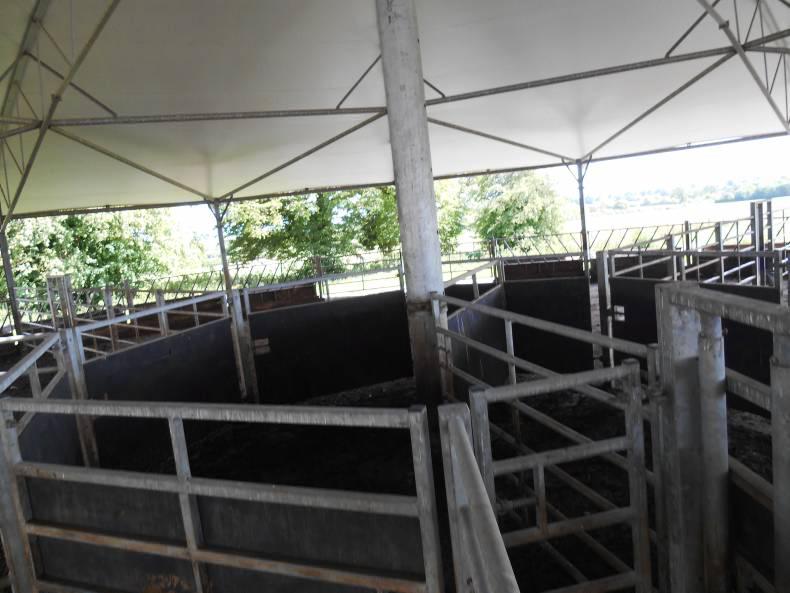
It is split into seven pens, with another section designated as a handling crate and loading bay.
There is also a handling facility in the centre of the shed.
Each pen is capable of holding up to 20 animals, with a total capacity of 140. The shed has a total circumference of 95 metres and a diameter of 30 metres.
The Cosgroves say the aim of the roundhouse is to significantly reduce operational and building costs and to ensure the safety of the farmer at all times.
Picture 1
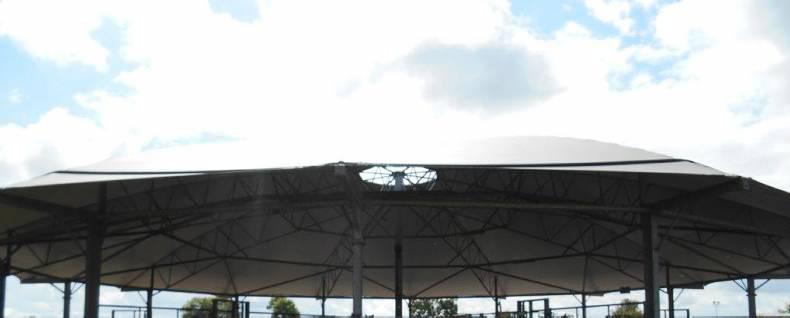
The umbrella roof was erected in eight days, with a further three weeks dedicated to installing all steel work within the shed.
The umbrella roofing material is the same as that used in the Millennium Stadium in Cardiff.
“We haven’t had any problems with the roof since it was built. There hasn’t been any holes or tears to report yet,” explained Jimmy.
Picture 2
Pens are bedded with peat, which is changed once every three weeks when the weather allows.
Each penned segment of the circle has an access point for a tractor. The circular holding area in the centre of the shed is raised 12in above floor level, meaning when the shed is being cleaned out, there is something to push against.
Cattle can be held in the centre holding area while the pen is being cleaned.
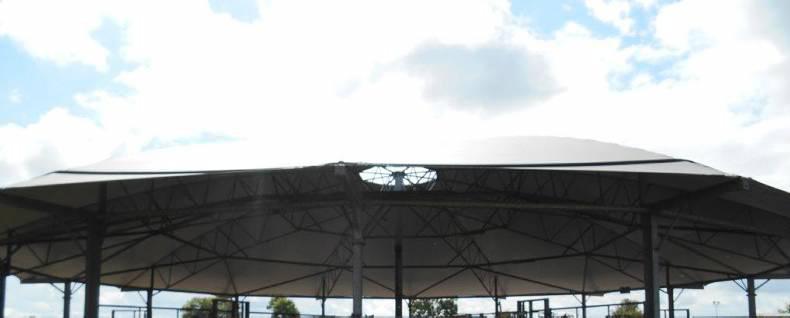
Picture 3
The roof of the roundhouse does not have a gutter; instead a lip runs parallel to the canvas roofing’s edge.
Rainwater is collected in this lip and diverted through a pipe down the shed’s steel- structured leg to a holding tank. Here, the rainwater is filtered and pumped back to drinkers within the shed as needed.
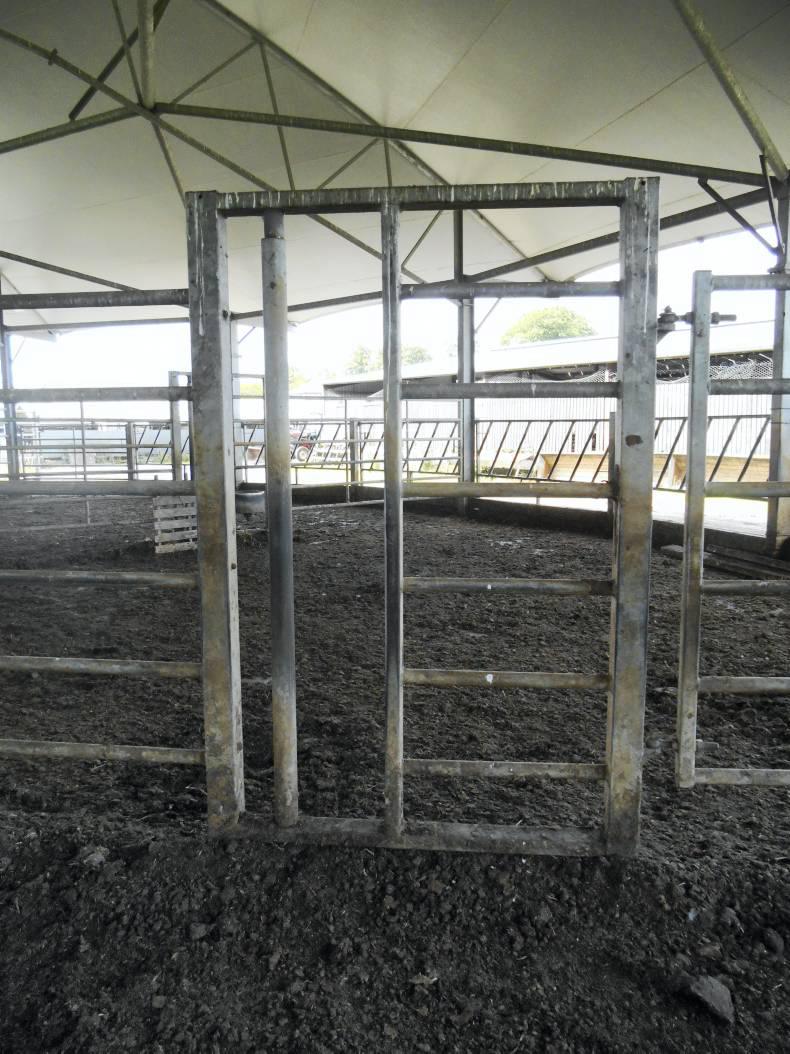
Picture 4
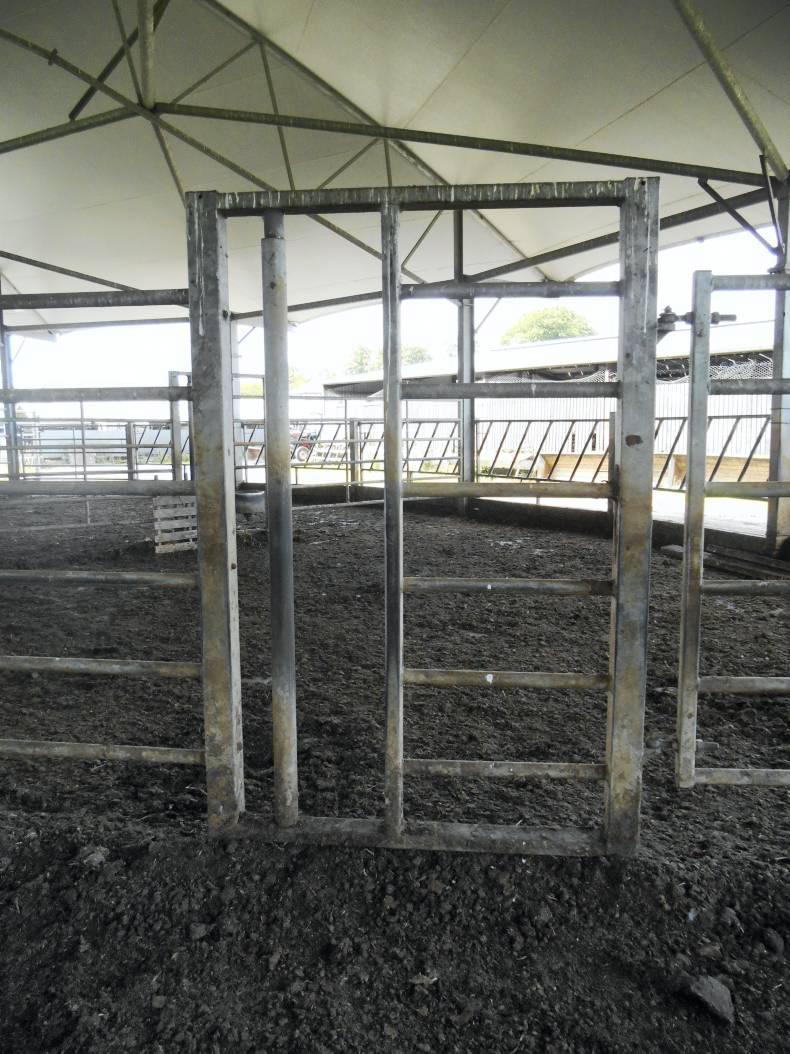
Safety passes are located on both sides of each dividing segment within the shed, allowing a quick escape for the farmer when inside the pen with livestock.
These safety passes can also be adjusted in size to use as creep gates for young stock.
Picture 5
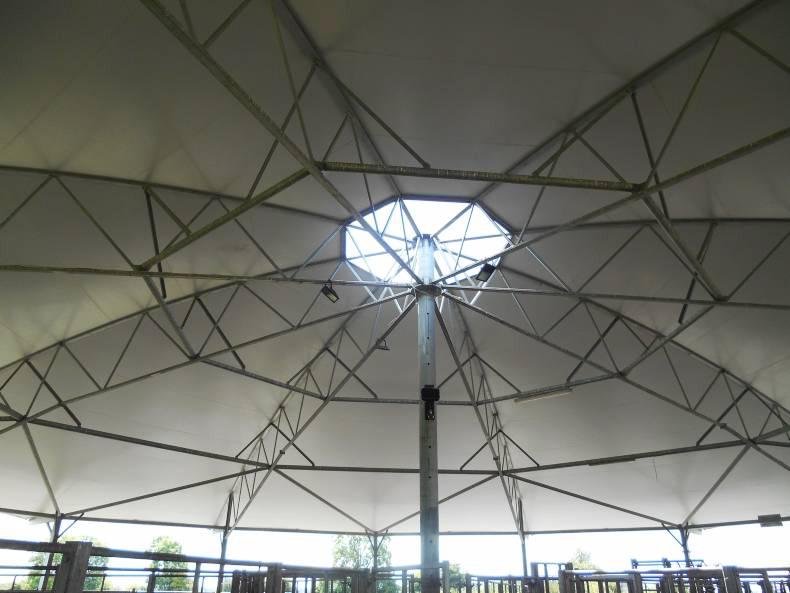
A nine-metre squared hole is located in the centre of the building, acting as a large chimney-type outlet. This ensures a continuous up-draught of air within the shed to aid ventilation.
Picture 6
Outer steel work is in a hexagon shape, more so than a circular one.
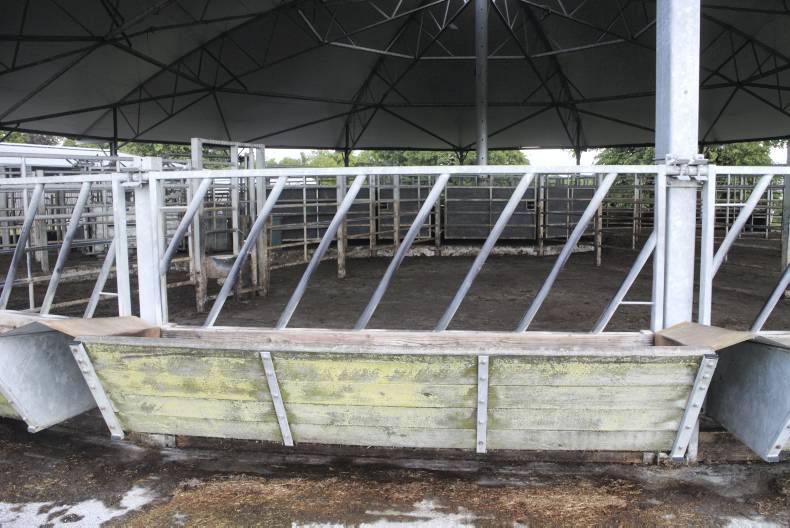
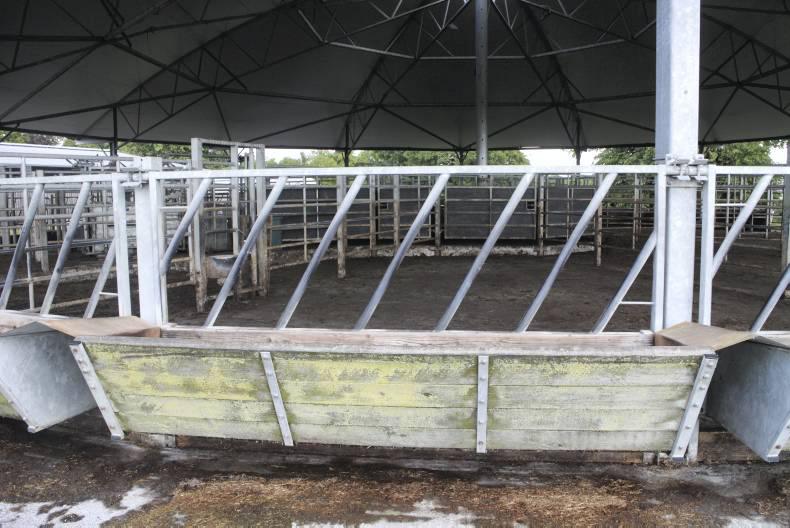
Each feed barrier in the shed is straight, making it easier to drive alongside with a diet feeder.
Kickboards are in place, with troughs outside each feed barrier. These barriers can be height-adjusted and kickboards easily removed when converting pens over from cattle to sheep.
Picture 7
The centre of the shed includes a circular holding area with access from each pen into it. This pen includes a padded crowd gate on a 360° pivot, which the farmer can stand behind to guide cattle into the shoot without entering the pen.
Leading on from the centre holding area, cattle can be run through a crush into a hi-spec handling crate with a weighing scales, facilities for hoof trimming and a door system for allowing calves to suckle cows.
This crate then leads into a loading bay with a raised platform for loading cattle or sheep on to trailers or lorries safely.
Costs
In 2008, the outer structure and shed erection cost £55,000 (€69,600). All internal steelwork, including troughs, pen divisions, drinkers, the handling crate, kickboards and concrete panelling of the raised handling unit cost the Cosgroves a further £30,000, equating to €38,000 in 2008.
To concrete the base of the shed (diameter of 34 metres) came to €13,000 at this time, bringing the total cost of building the roundhouse to €120,600 including VAT. The construction was grant-aided under the 2008 Farm Waste Management Scheme. Peat, used for bedding the cattle, is bought from Bord na Móna at a price of €14 per cubic metre. The Cosgroves estimate that, on average, it takes 21 cubic metres to bed the roundhouse completely. This peat is then removed and spread on the land.


SHARING OPTIONS