



Quotes for red diesel in NI have risen sharply in response to tensions flaring up again in the US-Iran war.
A price survey conducted by the Irish Farmers Journal on Wednesday found quotes for 2,000 litres of red diesel ranged from 92 to 95p/litre plus VAT.
It compares to prices reaching the mid-70s last month on the back of international oil markets falling after the US and Iran signed a peace deal.
However, the recent breakdown of the ceasefire between Tehran and Washington has led to major disruption on the key shipping route at the Strait of Hormuz.
Brent crude oil, the international benchmark, was at trading its highest level since mid-June on Wednesday at $85/barrel.
A new trade agreement between the UK and Switzerland has been described as “a balanced deal” by the president of the National Farmers’ Union (NFU).
Tom Bradshaw said the deal will give improved market access for beef, lamb, dairy and some horticultural products from the UK.
The NFU have described the Swiss market as “small and highly protected” but state it is “high value” due to affluent consumers who are willing to pay more for quality food.
“We appreciate the government’s efforts to secure competitive access to the Swiss market for UK farmers – something the NFU has called for since the very start of these negotiations,” Bradshaw said.
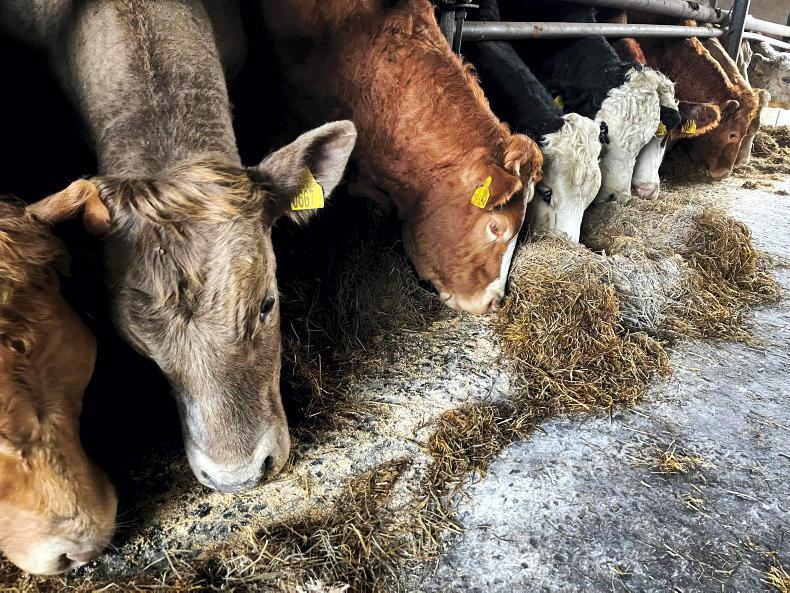
The system used for designing beef rations has been updated to reflect higher energy requirements for modern cattle.
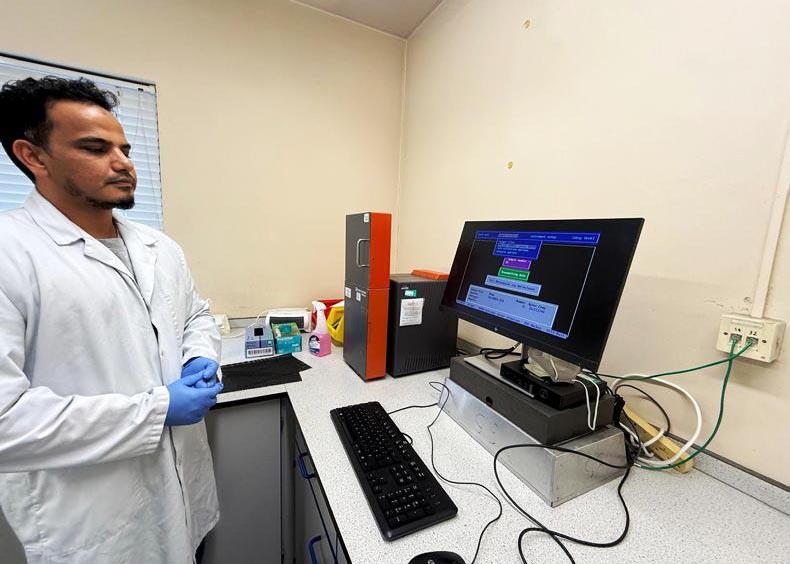
A recent study by the Agri Food and Biosciences Institute (AFBI) and the University of Reading found energy demand for maintenance was 24% higher than previously thought.
According to AFBI, this is likely due to the genetics of modern cattle being larger and faster growing, as well as changes to feeding practices in recent years.
New guidance for predicting beef cattle performance and feed requirements have been created on the back of the research.
Professor Tianhai Yan from AFBI points out that the revised models are important for accurate feeding decisions on commercial farms.
“Good feeding starts with accurate quantification of feed requirements and robust prediction of feed use efficiency. Without that, everything else – performance, costs and emissions – becomes guesswork,” he said.





SHARING OPTIONS